
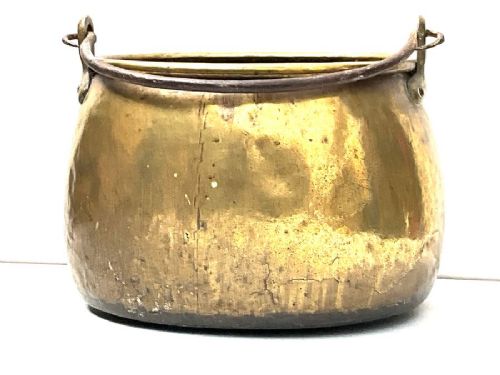


Antique Brass Cookware
These antique brass cookware pieces bring substantial hearth-side utility and rich metal tones into modern spaces.
Antique Brass Cookware
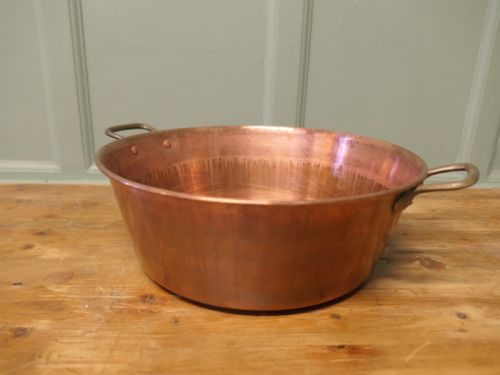
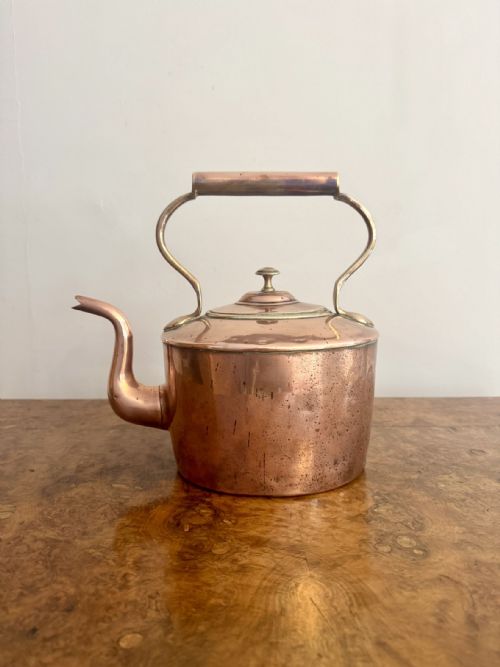
When you search for antique brass cookware, you are looking at utilitarian kitchen vessels and hearth equipment fashioned primarily across the Georgian and Victorian eras. These items encompass heavy pans, preserving pots, and kettles designed for daily culinary service over open fires or ranges.
The versions you are most likely to meet on this page span from the mid-eighteenth century to the early twentieth century. They originate from English, French, and continental workshops, displaying the robust forms typical of traditional country and rustic domestic life.
How they were made
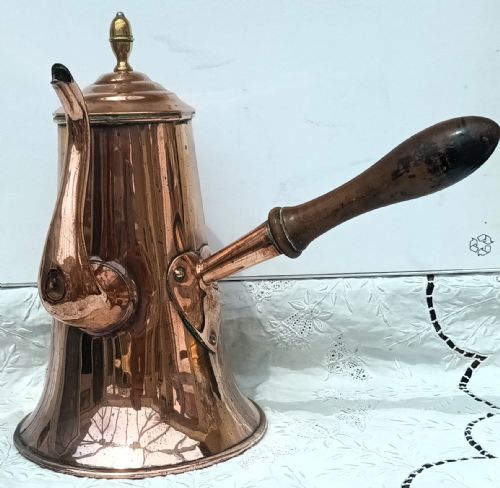
These items rely primarily on heavy brass and copper, frequently paired with iron handles, wrought iron fittings, and wooden elements. Artisans hammered and cast these metals to withstand intense kitchen heat while maintaining structural integrity.
Many vessels feature tin linings applied to their interior surfaces to prevent food contamination during cooking. Embossed detailing and riveted handles demonstrate the manual labour involved in constructing each piece.
Among the heavy cooking pots and kettles sit diminutive miniature models and ice cream moulds shaped for grand Victorian dining.
What varies in quality
Metal thickness and weight divide standard utility items from superior examples. Heavier gauge brass and copper indicate sturdier construction and greater durability under heat.
The crispness of hand-hammered marks, the robustness of riveted handle attachments, and the overall balance of the vessel separate everyday kitchen tools from finer display pieces.
William Soutter And Sons·Hodges And Sons·Harrods·Nader
The Antique Brass Cookware Glossary
- Daubiere
- A specialised cooking pot designed for braising meats slowly. It usually includes a tight-fitting lid to retain moisture during long cooking processes.
- Bain Marie
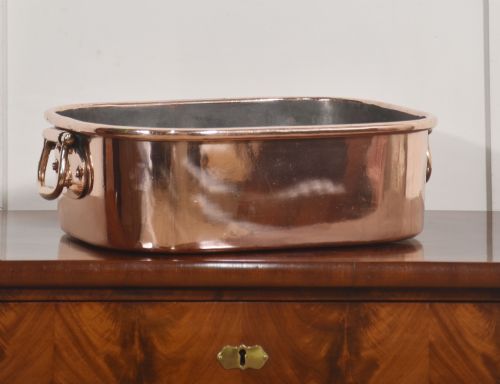
- A heated water bath used in cooking to warm items gently or keep them warm. Tabletop versions made of copper are particularly decorative.
- Preserving Pan
- A wide, open vessel utilised for boiling fruit and sugar down into jams. Their generous diameter assists rapid evaporation.
- Ice Cream Mould
- A lidded metal vessel designed to shape frozen desserts in ice and salt mixtures. These pieces often feature intricate interior cavities for detailed motifs.
Antique Brass Cookware: Frequently Asked Questions
How do I clean antique brass cookware?
Wash these vessels gently using warm water and mild soap to preserve the aged surface. Avoid harsh chemical abrasive cleaners that strip away historical character.
Dry the metal thoroughly immediately after washing to prevent water spotting. A light application of traditional metal polish can maintain the lustre if desired.
Can I still cook with these pots?
Many of these historical vessels retain their original tin linings which require inspection before food preparation. Modern usage is possible if the interior metal remains safe and intact.
Most buyers choose to display them as decorative items rather than utilising them on contemporary cooktops. They suit traditional hearth settings and kitchen shelving particularly well.
How do I date a brass pan?
Examine the manufacturing methods, such as hand-beaten hammering marks versus machine rolling, to determine the production period. Georgian pieces often display different handle construction compared to later Victorian items.
Maker marks and stamps stamped into the metal provide further chronological clues. Comparing stylistic forms helps narrow down the decade of manufacture.
Where should I display these pieces?
These items look effective positioned on open kitchen shelving or hung near a fireplace hearth. Their warm metallic surfaces contrast well against brick, stone, and wooden backgrounds.
Grouping various forms together, such as kettles and saucepans, creates a balanced domestic arrangement. Ensure the display surface can support the substantial weight of heavy metal vessels.