
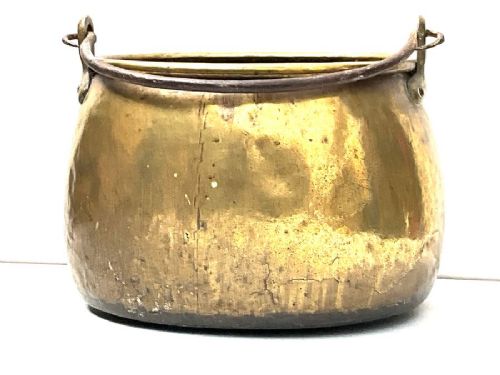


Heavy Brass Pot
These heavy brass pots combine utilitarian function with robust nineteenth-century manufacture, offering substantial weight and decorative presence for any hearth or room.
Heavy Brass Pot
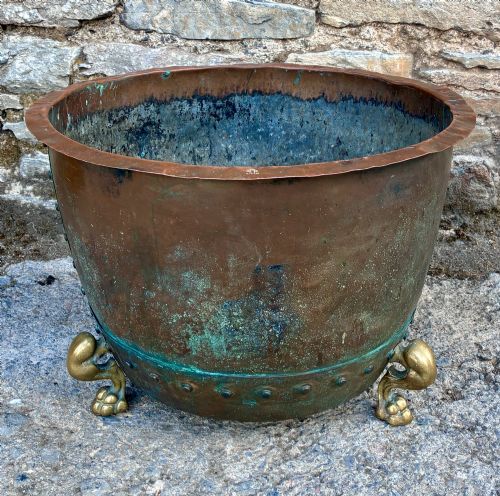
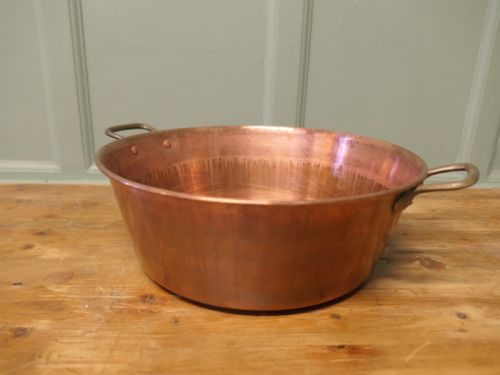
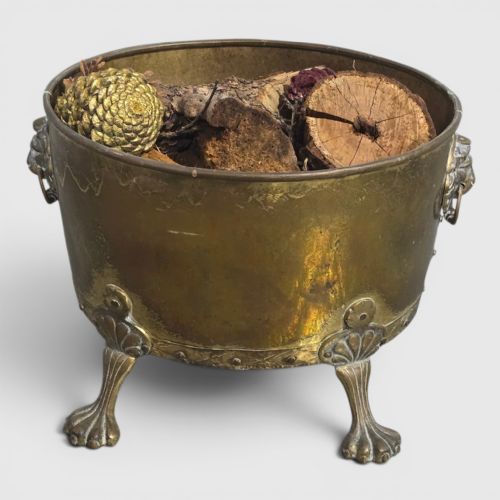
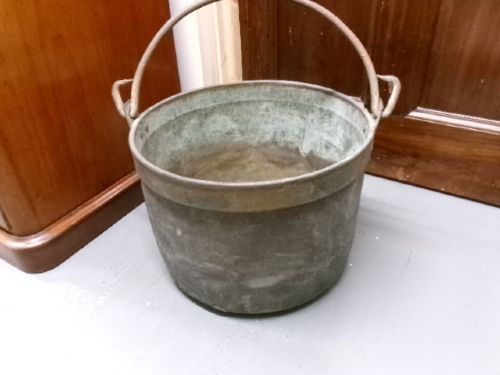
When you search for a heavy brass pot, you encounter an array of durable vessels ranging from nineteenth-century cookware to decorative jardinieres and log bins.
The selections span periods from the Georgian era through the Victorian period and into the early twentieth century, showing origins that include English workshops as well as Anglo-Indian and Oriental designs.
You are most likely to meet substantial handled pans, cauldrons, and large bowls made for domestic or display use.
Materials and construction methods
Makers utilised solid brass, bronze, and copper, frequently combining metals such as iron for handles or rivets.
Vessels show hand-riveted seams and cast elements, reflecting traditional metalworking techniques from the eighteenth to the early twentieth centuries.
Listings feature items spanning the Georgian, Victorian, and Edwardian periods, constructed primarily from brass, copper, and bronze.
Distinctions in quality
Wall thickness and overall heft distinguish substantial pieces intended for heavy service from lighter decorative items.
The integrity of handles, riveted joints, and the retention of original surface patination separate standard utilitarian vessels from finer examples made for display.
Hodges & Sons
The Heavy Brass Pot Glossary
- Jardiniere
- An ornamental pot or stand for holding plants or flowers. These are frequently cast in heavy brass or bronze.
- Dinanderie
- A term for various objects made of brass or copper, often associated with decorative vessels from the early twentieth century.
- Jam Pan
- A large, wide vessel traditionally used for boiling fruit and sugar, typically constructed with sturdy handles.
- Cauldron
- A large round pot or kettle for boiling, usually fitted with a swing handle for suspension or lifting.
Heavy Brass Pot: Frequently Asked Questions
What were heavy brass pots used for?
These vessels served practical domestic purposes such as boiling preserves, heating water, or cooking over open fires. Larger forms acted as containers for logs or water.
Over time, many transitioned into decorative roles as planters or umbrella stands within nineteenth-century homes.
How do I clean a heavy brass pot?
Routine maintenance requires only warm soapy water and a soft cloth to remove accumulated dust and grime.
Avoid abrasive polishes that strip away the aged patination valued by collectors.
Are these pots safe for modern cooking?
Most antique metal vessels were manufactured before modern food safety standards and may contain trace metals.
They function best as decorative objects, interior planters, or fireside storage pieces rather than active cookware.
How can I tell the period of a brass pot?
Dating relies on examining construction techniques such as hand-riveting, cast handle attachments, and tool marks left by early makers. Stylistic clues from Georgian, Victorian, and Edwardian designs also indicate the era of manufacture.
Comparing the weight and alloy composition helps distinguish older eighteenth-century pieces from later twentieth-century items.