


Antique Iron Handle Cauldron
An antique iron handle cauldron brings heavy metal utility and centuries of hearthside history straight into your home.
Antique Iron Handle Cauldron
An antique iron handle cauldron is a robust metal vessel designed for cooking, preserving, or fireside use across past centuries. Buyers searching this phrase encounter heavy pots fashioned from copper, brass, and bronze, frequently fitted with sturdy wrought iron swing handles for lifting over flames. These vessels span various periods from the seventeenth century through the Georgian and Victorian eras, originating from English, French, and broader continental workshops.
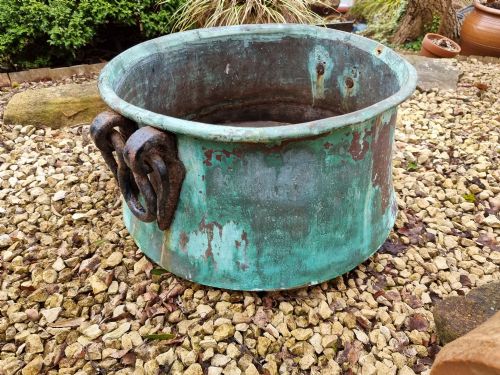
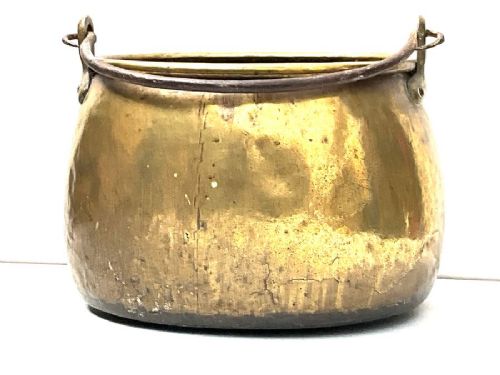
The versions most commonly met on this page include large copper cooking pots, jam pans, coal buckets, and garden planters. Many retain utilitarian forms that shifted over time from active kitchenware into hearth accessories and display pieces. Their robust metal construction and distinctive handles reveal a direct lineage from daily domestic labour.
How they were made
Makers shaped these vessels primarily from heavy copper, brass, and bronze using traditional hammering and casting techniques. Sheet copper and brass were beaten into deep hollow forms, often showing visible hand-hammered marks along the body.
Handles were forged from wrought iron, secured firmly to the rims or lugs of the pots to bear heavy loads of water, preserves, or coal. These materials combined durability with thermal efficiency, essential for vessels meant to sit directly upon hearth fires.
Many of these heavy pots spent centuries boiling fruit jam before retiring to quiet lives holding fireplace logs.
What varies in quality
Quality in these vessels rests upon the thickness of the metal wall and the integrity of the original construction. Heavier gauge copper and substantial bronze castings indicate a higher grade of manufacture intended for rigorous daily tasks.
The proportion of the vessel and the strength of the wrought iron handle separate utilitarian pieces from finer display examples. Surface character, such as a natural verdigris finish on copper or preserved tool marks, adds to the physical presence of the piece.
The Antique Iron Handle Cauldron Glossary
- Cauldron
- A large metal pot with a wide mouth and a handle, traditionally used for cooking or boiling over an open fire. These vessels often feature rounded bottoms and sturdy swing handles.
- Verdigris
- A green patina that forms naturally on copper, brass, or bronze through long exposure to atmospheric moisture. This surface layer is prized by collectors for its aged appearance.
- Wrought iron
- Iron that has been heated and hammered into shape by a blacksmith rather than cast in a mould. This material provides the strong, fibrous swing handles found on many period pots.
- Jam pan
- A wide, shallow metal vessel used for preserving fruit and sugar over a heat source. They are typically fashioned from heavy brass or copper to distribute heat evenly.
Antique Iron Handle Cauldron: Frequently Asked Questions
What were antique cauldrons actually used for?
These heavy vessels served primarily for boiling water, preparing stews, and rendering preserves over open hearths in domestic kitchens.
Over time, many of these pots transitioned from functional cooking utensils into decorative coal buckets, log bins, and garden planters.
How do I clean a copper cauldron?
Most collectors prefer to leave natural aged patinas and verdigris intact, as these finishes demonstrate genuine age and history.
If cleaning is necessary, use a mild metal cleaner suitable for copper or brass without scrubbing away the historical surface character.
Are iron handle cauldrons safe for plants?
Copper and brass vessels make sturdy indoor or outdoor planters for heavy greenery, provided drainage is managed carefully.
The metal may react to damp soil over long periods, deepening the natural verdigris finish on the exterior.
How can I tell a Georgian cauldron from a Victorian one?
Georgian examples often display hand-beaten copper construction with simpler utilitarian forms intended strictly for hearth use.
Victorian pieces frequently show heavier cast brass or machine-finished details, reflecting a shift towards decorative fireside accessories.