


Antique Hearth Cooking Vessel
An antique hearth cooking vessel brings centuries of kitchen history into a modern room through heavy metalwork that once sat directly over glowing coals.
Antique Hearth Cooking Vessel
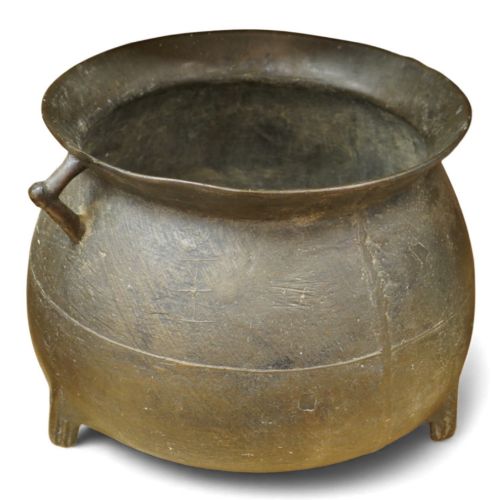
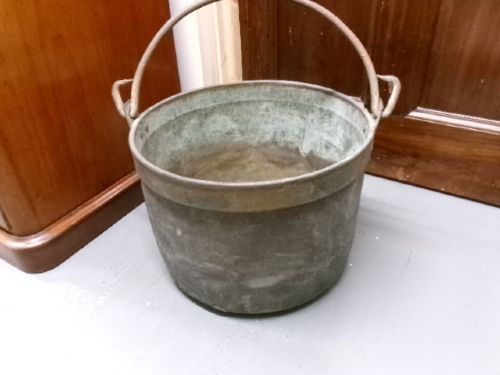
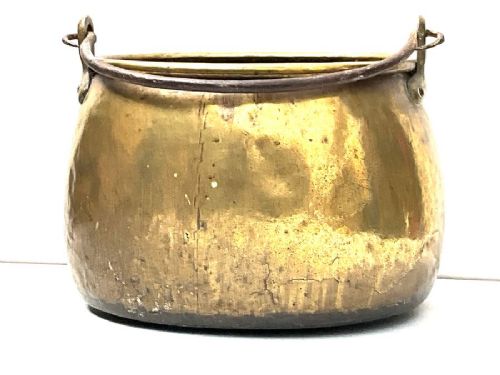
When you search for an antique hearth cooking vessel, you find a selection of metal kitchenware designed to withstand open fire and hot ashes. The pieces available range from early cast metal cauldrons of the seventeenth century to large nineteenth century copper pans and vessels.
The most common forms on this page are substantial copper cooking vessels and heavy brass or bronze cauldrons with swing handles. These items originate from periods spanning the seventeenth century through to the Victorian era, reflecting domestic routines in both English and continental kitchens.
Objects include heavy brass display pans, George III copper pots, and Somerset type leaded bronze cauldrons. Each item functions as a direct link to historical hearth preparation before enclosed stoves took over the home.
Materials and construction methods
Makers formed these items using durable metals capable of enduring direct flame, utilising copper, iron, brass, wrought iron, leaded bronze, cast bronze, and general bronze. Copper vessels offer excellent heat distribution for culinary tasks, whilst cast and leaded bronzes provide the thick, heavy walls required for suspended cauldrons over a hearth.
Construction techniques involve heavy hammering of sheet copper for large pans and skilled casting for seventeenth century bronze cauldrons. Swing handles and original patinas show the practical assembly methods used by metalworkers to ensure these pots survived intense daily use.
Some seventeenth century bronze cauldrons carry specific regional classifications like the Somerset type, proving that kitchen gossip existed centuries ago.
Distinguishing quality in early kitchen metalwork
Quality rests in the thickness of the metal wall, the integrity of the original surface patina, and the proportion of the form. Early seventeenth century pieces display the character of their specific regional casting traditions, whilst later Georgian and Victorian examples show precise hammering and robust handle attachments.
A superior piece retains its original handle and uncompromised structural form, showing honest wear from hearth use rather than modern alteration. The weight of the metal and the clarity of the casting define the upper tier of surviving examples.
The Antique Hearth Cooking Vessel Glossary
- Cauldron
- A large metal pot with a round bottom and typically three feet or a swing handle, designed for cooking over an open fire. These vessels were central to early domestic kitchens.
- Patina
- The surface sheen and colour acquired through age, handling, and exposure to smoke and heat over decades or centuries. Original patina indicates an untouched historical surface.
- Leaded bronze
- An alloy of copper, tin, and lead used in early casting to improve fluidity and workability. It appears frequently in seventeenth century Somerset type cauldrons.
- Swing handle
- A movable arched metal handle attached to the sides of a pot or cauldron to allow suspension above a hearth. This feature facilitated lifting heavy vessels from the fire.
Antique Hearth Cooking Vessel: Frequently Asked Questions
How were these metal vessels used?
These vessels hung over open hearths or sat directly on hot coals to boil liquids, stew meats, and prepare large meals for households. Their heavy construction allowed them to withstand extreme heat day after day.
Over time, as kitchen hearths evolved into enclosed ranges, these large pots shifted from active cooking tools to utilitarian display items or storage vessels.
What metals are these vessels made from?
The listings consist of copper, iron, brass, wrought iron, leaded bronze, cast bronze, and standard bronze. Each metal served specific culinary and thermal needs within the kitchen.
Early examples often utilise cast bronze and leaded bronze, whilst eighteenth and nineteenth century pieces predominantly feature heavy hammered copper and brass.
How can I date an antique hearth vessel?
Dating relies on material choice, manufacturing marks, handle attachments, and overall form. Seventeenth century pieces typically feature thick cast bronze or leaded bronze bodies with distinct regional characteristics.
Later Georgian and Victorian examples show finer sheet copper construction, often with robust swing handles and smooth hammered surfaces reflective of industrial advancements.
How do I care for antique copper and bronze?
Maintenance depends on whether you prefer to preserve the dark, historic surface patina or polish the metal to a bright finish. Most collectors gently dust the surface and avoid abrasive chemical cleaners.
Keeping the metal in a stable indoor environment prevents further oxidation and protects the original character of the piece.