


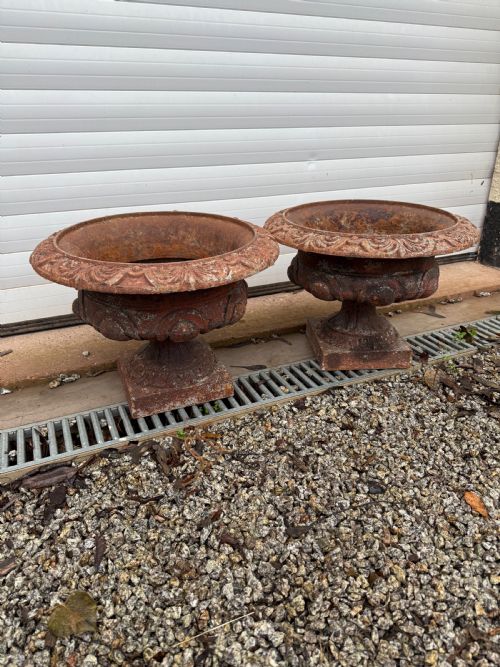


Vintage Iron Trough
These vintage iron trough pieces bring utilitarian garden history and rustic character straight to the patio or conservatory.
Vintage Iron Trough
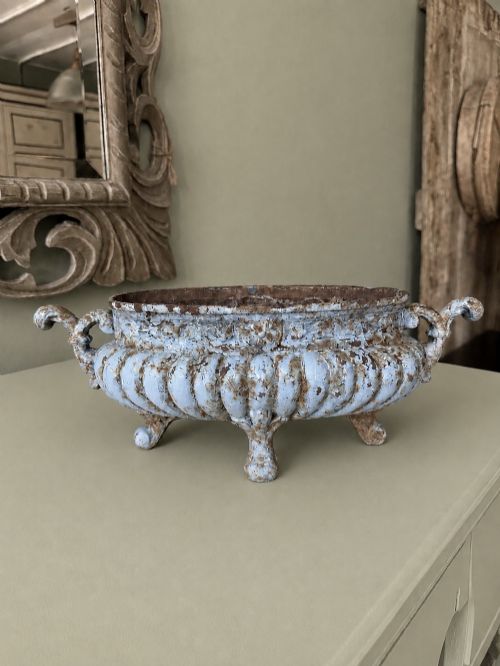
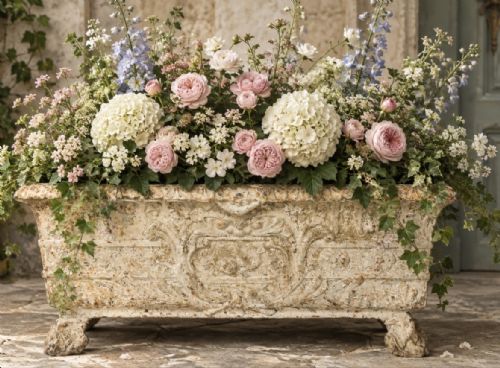
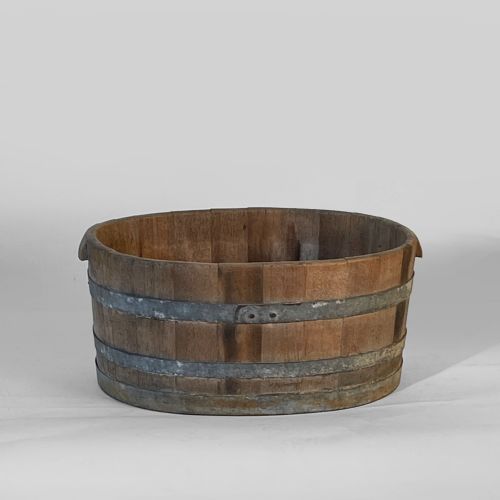
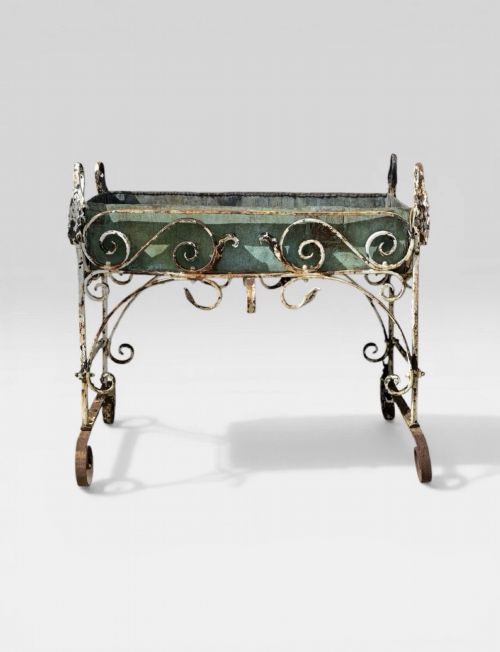
A vintage iron trough serves as a robust garden planter, window box, or rustic receptacle drawn from nineteenth and twentieth-century utilitarian forms. Buyers seeking a vintage iron trough will encounter heavy cast and wrought iron designs, alongside related wirework plant stands and coopered wooden washing tubs.
The selection ranges from French chateau planters and Gothic garden vessels to English agricultural hay racks repurposed for domestic horticulture. These items bridge practical agricultural utility and decorative garden ornament.
Originating largely from nineteenth-century France and England, the surviving examples demonstrate patinated surfaces built to withstand external weather conditions for generations.
Construction and materials
Makers utilised durable metals such as cast iron and wrought iron, occasionally combining sheet metal, zinc, or wirework to achieve different structural weights. Cast elements provide heavy, rigid forms with moulded ornamentation, whereas wrought iron relies on forged strapwork and joined components.
Surface treatments frequently involve accumulated layers of historic paint, natural oxidation, or patinated bare metal that reflect prolonged outdoor exposure.
Several pieces began life feeding farm animals before retiring to the patio as ornamental flower beds.
Judging quality in ironware
Quality rests upon the crispness of casting detail, the integrity of structural joins in wrought strapwork, and the proportional balance of the vessel. Heavier metal gauge and purposeful forge work elevate domestic pieces above standard utilitarian items.
Original surface patination and untouched historic paint finishes contribute significantly to visual depth, distinguishing superior specimens from over-restored examples.
The Vintage Iron Trough Glossary
- Cast iron
- Iron poured molten into a mould to create rigid, highly detailed decorative garden urns and troughs. This technique allows for repeating motifs and robust walls.
- Wrought iron
- Iron heated and hammered by hand into structural shapes, strapwork, and plant stands. The process results in fibrous, resilient metalwork.
- Wirework
- Delicate metal rods woven or soldered together into plant stands and conservatory displays. This technique creates a lighter, architectural silhouette.
- Hay rack
- A slatted agricultural trough originally designed for feeding livestock, now frequently repurposed as a wall-mounted garden planter.
Vintage Iron Trough: Frequently Asked Questions
How do I plant up a vintage iron trough?
Line the interior with Hessian or heavy-duty plastic to protect the metal from continuous damp soil and moisture retention. Ensure adequate drainage holes are clear before adding grit and compost.
Position trailing plants or bulbs within the trough to soften the industrial lines of the heavy iron or wirework frame.
Can I leave iron troughs outside all winter?
Cast and wrought iron vessels are designed for exterior garden use and tolerate seasonal weather changes well. Raise the base slightly off cold flagstones using pot feet to prevent moisture freezing underneath.
Check periodically that drainage channels remain open so accumulated rainwater does not expand and crack the metal.
How do I clean an old iron planter?
Remove loose dirt and debris using a soft bristle brush rather than harsh wire wool that might strip historic surface patination. Preserve the weathered paint and oxidation where possible.
Apply a light coat of boiled linseed oil or neutral wax if you wish to stabilise the surface metal against further corrosion.
Are these troughs suitable for indoor use?
Smaller specimens, wirework plant stands, and decorative jardinieres integrate easily into interior conservatories or garden rooms. Place a protective saucer or tray underneath to catch excess water.
Pair the industrial texture of the metal with lush green foliage to balance interior spaces.