
Large Metal Pot
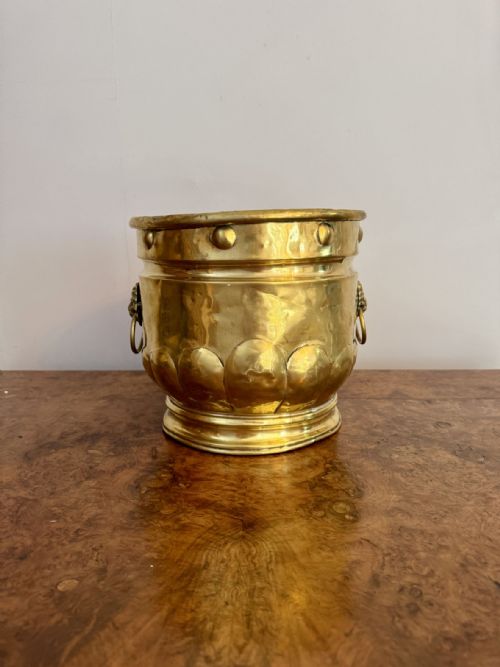
A large metal pot brings weight and genuine character to a room, functioning as a log bin, planter or hearth display.
Large Metal Pot
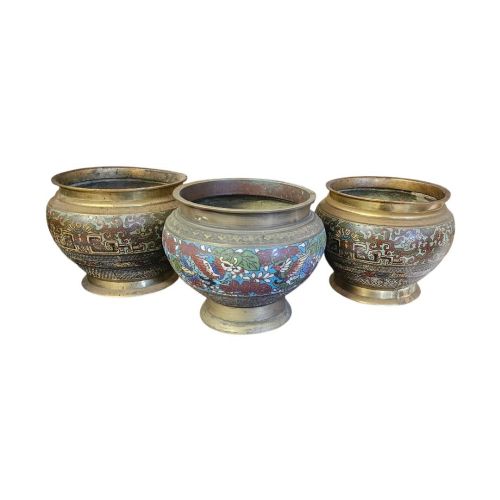
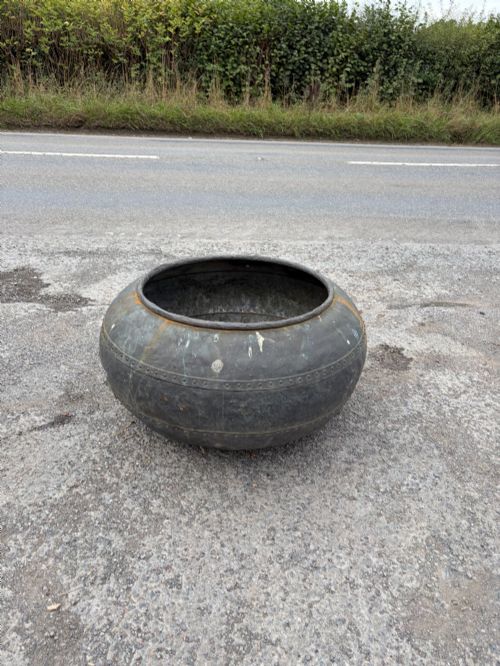
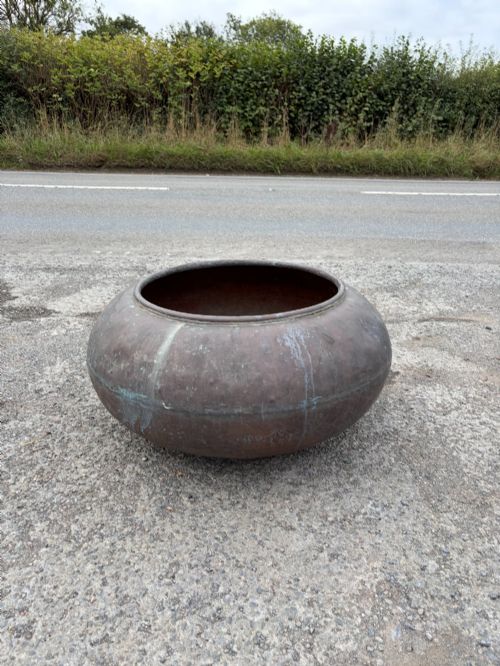
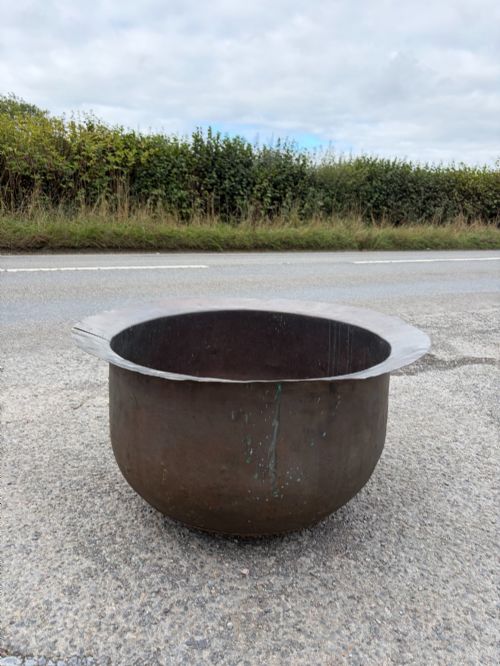
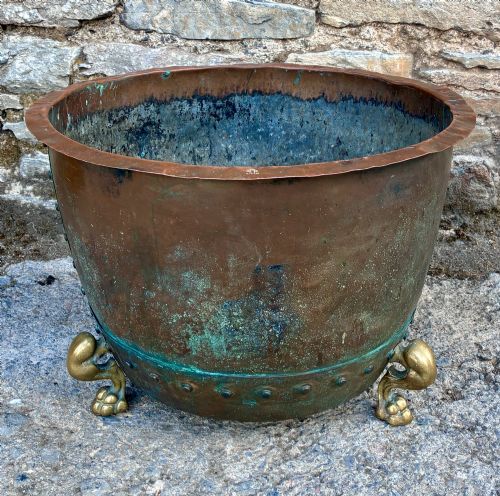
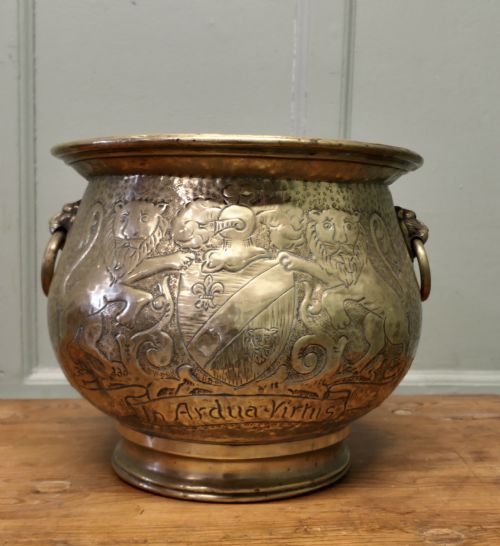
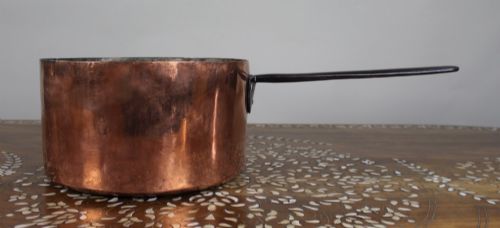
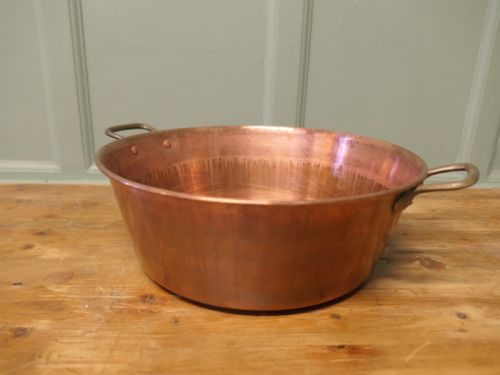
A large metal pot encompasses heavy copper preserving pans, brass jardinières, iron garden urns and coal buckets originating from the Georgian and Victorian eras. These vessels were originally fashioned for practical domestic tasks, commercial kitchens or fireside service before finding new life in interior styling and garden displays.
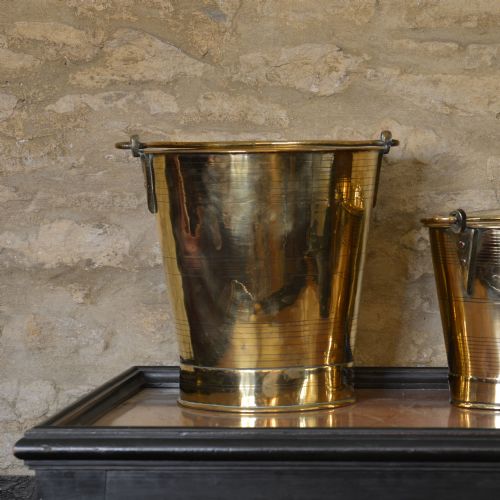
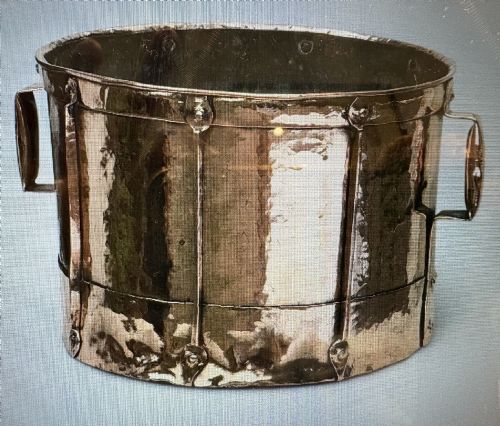
Copper and brass examples dominate the selection, often taking the form of deep jam pans, grain measures and riveted log bins with sturdy wrought iron handles. Pieces span several distinct regional traditions, ranging from English country house utility to French farmhouses and Anglo-Indian workshops.
Materials and construction methods
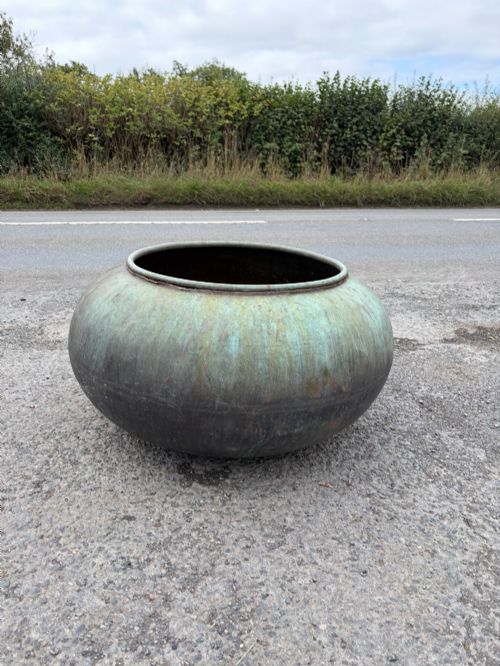
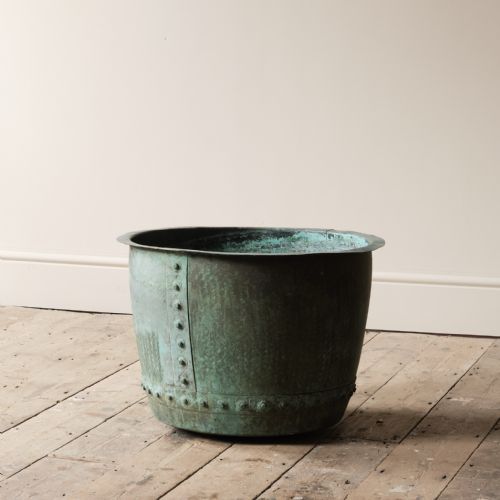
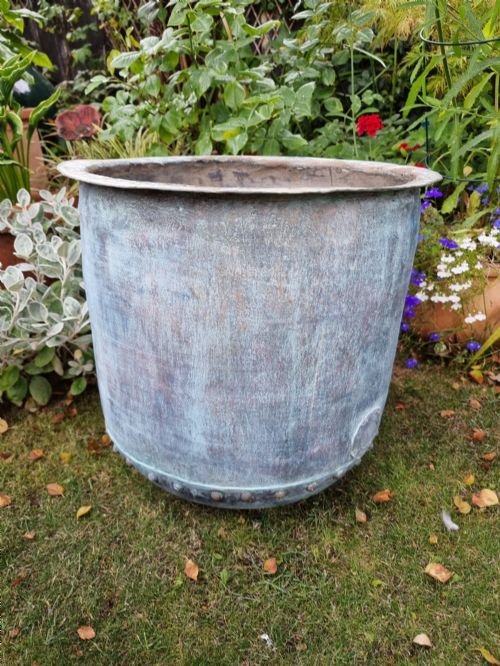
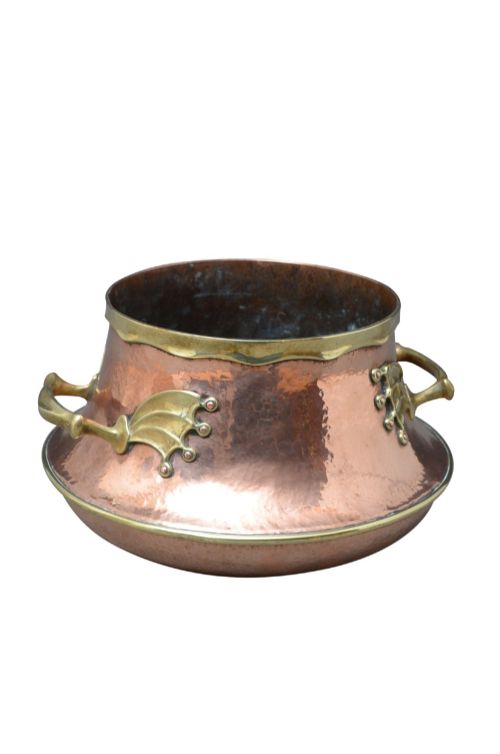
Construction relies heavily upon hand-beaten copper and cast brass joined with visible rivets that reveal the hand of the maker. Wrought iron handles and swing bales provide the necessary structural strength for lifting heavy contents, while verdigris finishes develop naturally on exposed surfaces over decades of oxidation.
Metalworkers shaped these substantial vessels using hammering techniques on anvils, often reinforcing rims with rolled edges or applied brass bands. Surface finishes vary from highly polished brass to patinated copper showing the organic marks of open fire heating and daily use.
Judging quality in metal vessels
Quality rests in the thickness of the metal gauge, the crispness of hand-hammered detailing, and the integrity of original riveted seams. Thicker copper walls resist denting and hold a deeper weight, distinguishing utilitarian kitchenware from lighter decorative reproductions.
Proportion and surface honesty separate superior examples from ordinary ones. Vessels retaining their genuine wrought iron mounts, maker stamps or natural verdigris patina carry greater historic coherence than heavily scoured or over-polished items.
Hodges & Sons
The Large Metal Pot Glossary
- Jardiniere
- An ornamental pot or stand designed to hold growing plants or flowers. These vessels often sit on interior tables or hearths.
- Preserving pan
- A wide, shallow metal vessel traditionally utilised for boiling fruit and sugar jams. They typically feature flat bases and strong side handles for lifting.
- Verdigris patina
- The green crust or film formed naturally on copper and brass by atmospheric oxidation over long periods. It signifies age and exposure to the elements.
- Log bin
- A deep container intended for storing firewood beside a hearth. They frequently utilise heavy brass or copper bodies paired with iron carrying handles.
Large Metal Pot: Frequently Asked Questions
How do I clean a copper pot?
Maintenance depends entirely upon the desired finish. Many owners prefer to leave the natural aged patina untouched, while others apply traditional metal polish to restore a bright shine.
Harsh abrasive pads should be avoided to protect the historic surface texture and prevent thinning of the metal walls.
Are these pots waterproof for plants?
Most metal vessels hold water adequately, but older riveted seams can develop minor weeping over time. Placing a plastic liner inside protects the interior metal from persistent dampness and soil acidity.
Heavier copper and iron versions function reliably as indoor planters when paired with a suitable internal saucer.
What is the difference between brass and copper?
Copper is a pure metallic element with a distinct reddish-brown tone, valued for its thermal conductivity in kitchenware. Brass is an alloy composed of copper and zinc, yielding a brighter golden-yellow appearance suited for decorative items.
Both materials appear frequently across nineteenth-century domestic wares.
How do I date an antique metal pot?
Dating relies upon manufacturing marks, handle attachments, and assembly methods. Hand-cut dovetails, irregular hand-beaten hammer marks, and iron rivet styles typically point towards Georgian and Victorian origins.
Standardised machine stamping and uniform thickness generally indicate a later twentieth-century date of manufacture.