




Rustic Metal Bowl
These heavy rustic metal bowl examples bring tactile weight and utilitarian honesty to domestic spaces through time-tested copper, iron and brass.
Rustic Metal Bowl
When buyers search for a rustic metal bowl, they encounter robust vessels forged for utilitarian tasks in kitchens, apothecaries and country houses. The selections on this page span the eighteenth and nineteenth centuries, featuring forms originally built for preserving, washing, mortar work and wine cooling.
You are most likely to meet substantial copper jam and preserving pans alongside heavy cast iron mortars and enamel basins. These pieces originate from domestic and institutional settings across Britain, France and Italy, reflecting rural and industrial traditions alike.
The styles range from Victorian country and rustic farmhouse to French chateau and arts and crafts design. Each object retains the marks of its working past, making them suitable for modern display as planters, centrepieces or storage vessels.
Materials and construction
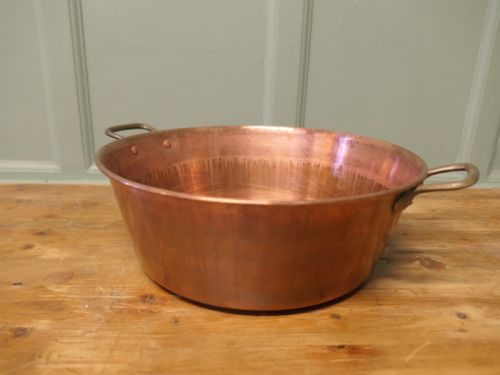
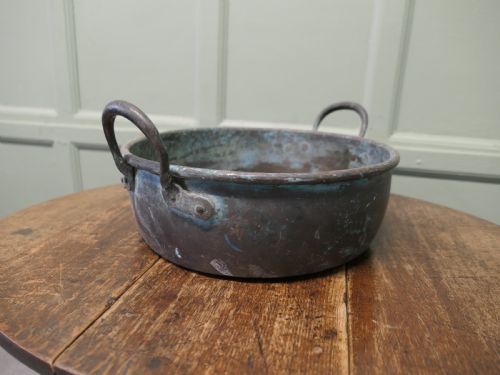
Copper dominates the selection, shaped into heavy preserving pans and wine cisterns often fitted with double handles for lifting substantial weights. These pieces display hammered surfaces and visible seams that evidence traditional metalworking techniques.
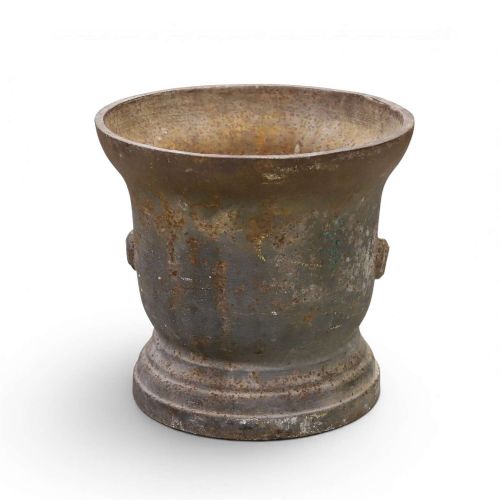
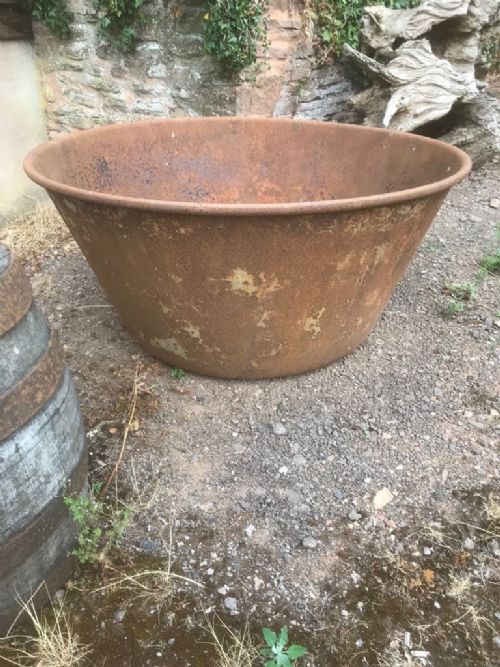
Cast iron and steel appear in heavy mortars and planters, forged or cast to provide thick, rigid walls capable of enduring rigorous kitchen or apothecary use. Enamel coatings provide an alternative durable surface on iron basins from the Edwardian era.
Wrought iron and brass elements provide structural support or decorative contrast, seen on stands and handles attached securely to the main bowl bodies.
Rustic Metal Bowl Retail Price Guide 2026
Typical asking prices for rustic metal bowl among the pieces listed under this phrase on Sellingantiques today, from the lower quarter to the upper quarter. They describe what is for sale here now, not the wider market.
Listings feature eighteenth and nineteenth-century forms including copper preserving pans, cast iron mortars, steel planters and enamel bowls.
Assessing quality and character
The quality of a rustic metal bowl rests in the thickness of the metal and the integrity of its form. Heavier gauges of copper and deep, uncompromised cast iron walls indicate pieces built for enduring utility rather than light decorative use.
Surface patination distinguishes superior examples, where decades of handling and use have created rich, unforced tones across the metal. Professional construction details, such as securely joined handles and well-proportioned pouring lips, elevate the standing of an individual piece.
The Rustic Metal Bowl Glossary
- Preserving Pan
- A wide, open metal bowl designed for boiling fruit and sugar jams. These pans feature rounded bases to distribute heat evenly across the contents.
- Mortar
- A heavy bowl made of cast iron or stone used with a pestle for crushing and grinding ingredients. Antique versions often display thick walls and integrated carrying lugs.
- Wine Cistern
- A large ornamental bowl intended to hold ice and bottles for cooling wine at the dining table. Eighteenth-century examples often incorporate handles and substantial basin capacities.
- Jardiniere
- An ornamental bowl or stand designed to hold growing plants or flower arrangements. They appear in metal across various nineteenth-century styles to display greenery indoors.
- Patina
- The surface texture and coloration developed by metal through age, oxidation and handling. A natural patina reveals the history and authenticity of an antique object.
Rustic Metal Bowl: Frequently Asked Questions
How were these metal bowls originally used?
These vessels served demanding daily roles in domestic and institutional environments. Many functioned as preserving pans for boiling fruit jams or as heavy mortars for apothecary and kitchen preparation.
Others acted as wash basins, wine cisterns for cooling bottles, or large planters. Their robust construction allowed them to handle heavy loads of liquids, produce and ingredients over generations.
How do I date a copper preserving pan?
Dating relies on observing construction methods, handle attachments and overall form characteristics. Eighteenth-century and nineteenth-century pieces often display hand-beaten surfaces and heavy forged handles riveted securely to the body.
Later nineteenth-century and early twentieth-century examples can show more standardised rolling and machine finishing. Comparing the weight and rim profile against known period styles helps narrow the manufacturing era.
Can I use antique metal bowls for planting?
Many buyers repurpose these durable vessels as planters for indoor or outdoor greenery. Copper, cast iron and steel bowls handle soil and moisture well, provided proper drainage considerations are made.
The aged metal surfaces and substantial proportions provide a strong visual contrast against foliage. Enamel and steel planters from the Edwardian period suit this decorative application particularly well.
What is the difference between a jam pan and a wine cistern?
Jam pans feature practical, open forms designed for direct heat application and stirring during food preparation. They prioritize functional capacity, secure double handles and thick copper walls.
Wine cisterns are typically more decorative vessels intended for dining room presentation. They often incorporate refined styling from eighteenth-century French or Italian traditions to hold ice and bottles.