



Antique Iron Cauldron
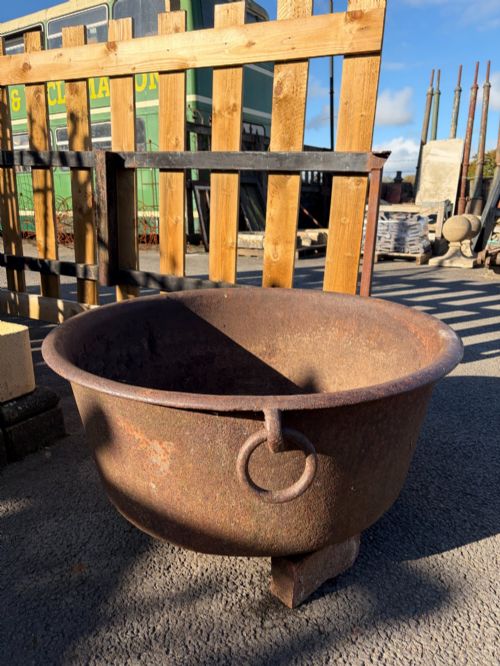
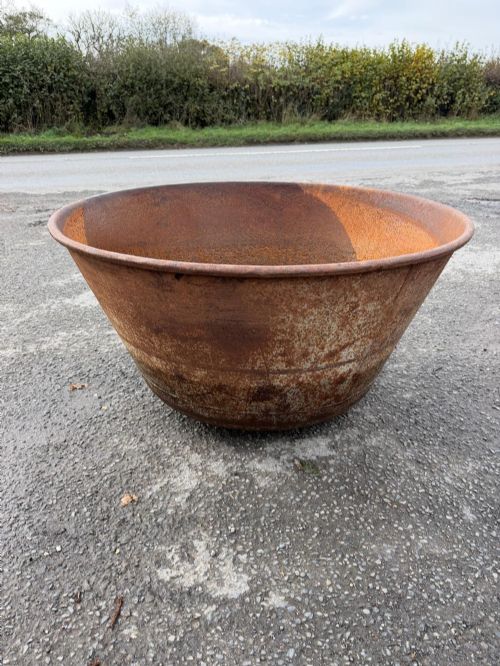
An antique iron cauldron brings centuries of heavy metalwork and fireside utility straight into modern interiors as a striking decorative vessel.
Antique Iron Cauldron
When buyers search for an antique iron cauldron, they encounter robust vessels forged or cast for heavy domestic and industrial tasks. The selections available on this page span several centuries, reaching back through the Georgian and Victorian eras into the seventeenth century.
While iron forms appear frequently, the evidence shows these pieces often share space with related metal vessels made from copper, brass, bronze, and steel. Many items fulfil dual roles today, functioning as log bins, planters, and hearth accessories rather than kitchenware.
Continental examples sit alongside English and French pieces, reflecting diverse regional styles from 17th Century Continental to Victorian Industrial. Buyers are most likely to meet substantial copper and iron cookware adapted over time for fireside display and garden use.
Materials and construction methods
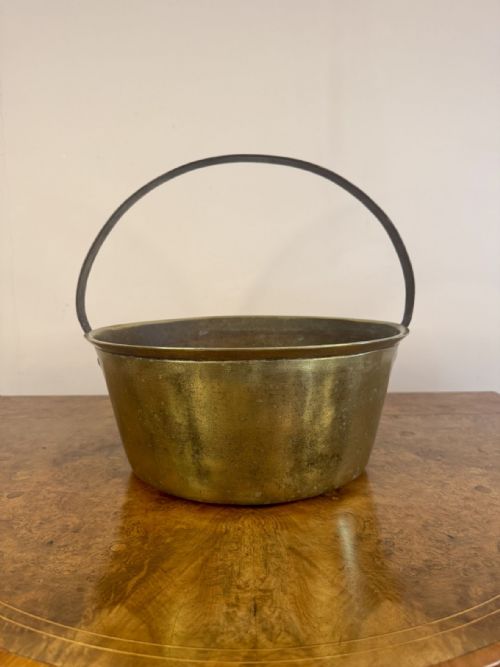
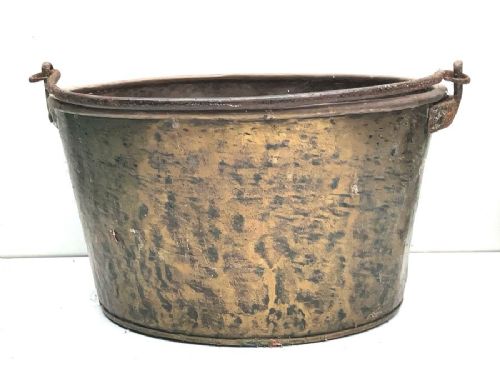
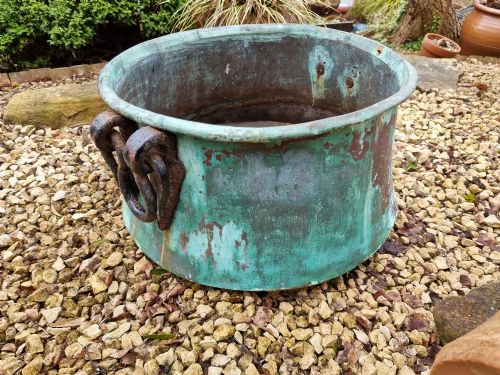
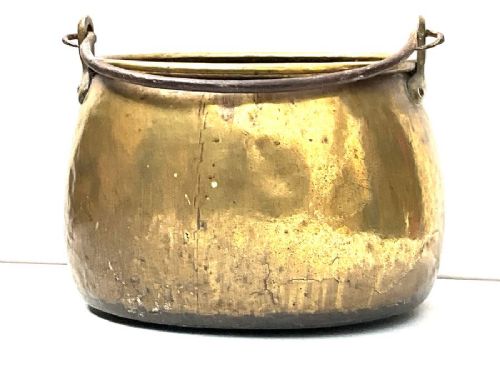
Makers utilised durable metals including cast iron, wrought iron, and bronze, often pairing them with contrasting handles and fittings. A 19th Century copper cauldron frequently incorporates a sturdy wrought iron swing handle for suspension and transport.
Surface finishes vary from polished metal to aged patinas featuring verdigris and rusted steel effects. These textural qualities result from decades of exposure to hearth fires and outdoor environments.
Antique Iron Cauldron Retail Price Guide 2026
Typical asking prices for iron cauldron among the pieces listed under this phrase on Sellingantiques today, from the lower quarter to the upper quarter. They describe what is for sale here now, not the wider market.
Some cauldrons have traded bubbling stews for damp logs and geraniums.
Assessing quality in early metalwork
Quality rests upon the weight of the metal and the integrity of the original construction, whether cast or hand-wrought. Heavier gauge vessels with intact handles and stable bases demonstrate superior manufacturing standards.
The visual appeal of the surface finish, including natural patination and honest signs of age, separates utilitarian scrap from pieces retained for display. Proportion and scale also dictate value, with larger vessels commanding greater presence.
The Antique Iron Cauldron Glossary
- Cauldron
- A large metal pot with a large mouth and often a swing handle, traditionally used for boiling over an open fire. These vessels now frequently serve as planters or log bins.
- Verdigris
- A green patina that forms naturally on copper, brass, or bronze through atmospheric oxidation over many years. This finish indicates genuine age and exposure to the elements.
- Wrought iron
- Iron that has been heated and hammered into shape by a smith, recognised by its fibrous texture and visible hammer marks. It provides exceptional strength for handles and hanging bail attachments.
- Cast iron
- Iron poured into a mould while molten to create heavy, rigid vessels with thick walls. This technique allowed for consistent production of sturdy cooking pots during the Georgian and Victorian periods.
Antique Iron Cauldron: Frequently Asked Questions
How do I clean an antique metal cauldron?
Remove surface dust with a dry cloth and preserve the existing patina rather than attempting a mirror polish. Harsh chemical cleaners strip away valuable historical surfaces.
Apply a light microcrystalline wax if the iron or copper requires protection against active corrosion in damp environments.
Can I use these cauldrons outdoors?
Many heavy metal vessels function successfully as garden planters or log bins in sheltered outdoor spaces. Ensure adequate drainage if planting directly into the container.
Severe frost can damage cast iron or bronze if water freezes inside unsealed pores, so monitor winter placements carefully.
What is the difference between a jam pan and a cauldron?
Jam pans feature shallower, wider bowls designed for rapid evaporation during fruit preserving. Cauldrons typically possess deeper, rounded bodies intended for prolonged boiling over hearth fires.
Both forms appear frequently in brass and copper across the Georgian and Victorian eras.
How can I tell a Georgian cauldron from a Victorian one?
Georgian metalwork often displays hand-beaten construction techniques and simpler, utilitarian lines developed by regional blacksmiths. Victorian pieces frequently benefit from industrial casting methods and heavier, standardised proportions.
Examine the handle attachments and surface seams for clues regarding period manufacturing technology.