
Vintage Inlaid Storage Cabinet
A vintage inlaid storage cabinet brings together functional storage and meticulous surface detail, offering a practical centrepiece for any room.
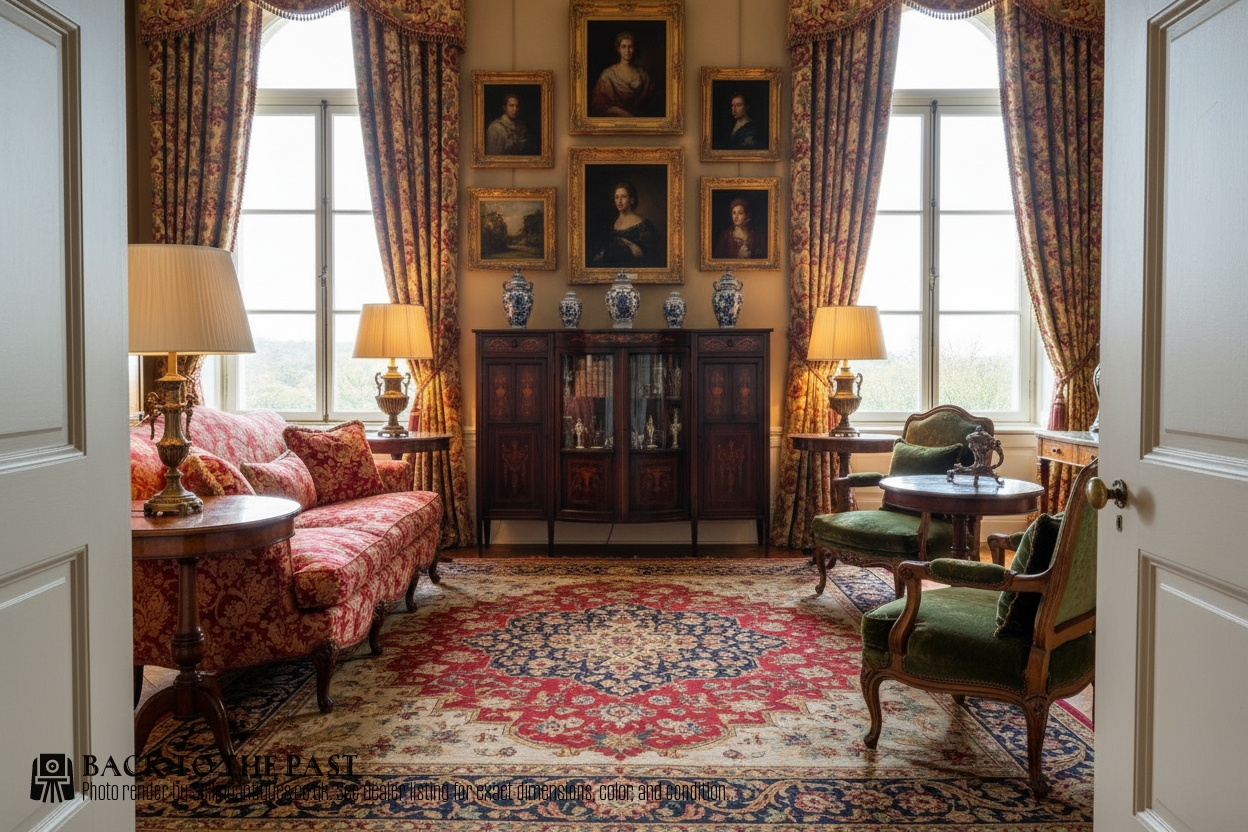
Vintage Inlaid Storage Cabinet
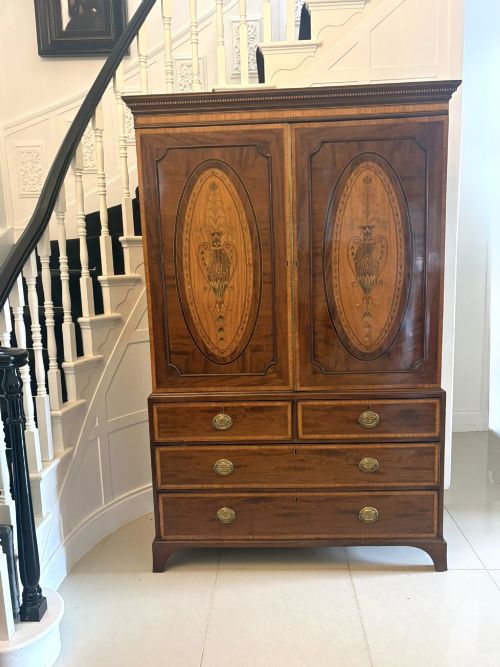
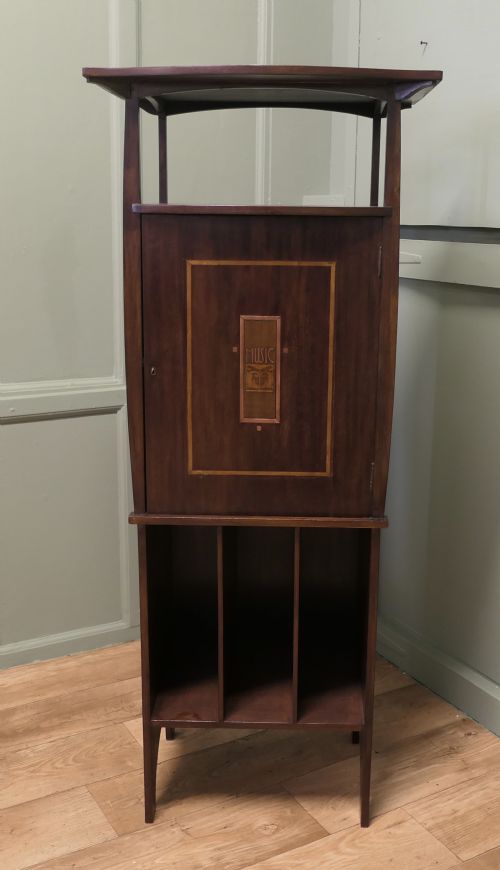
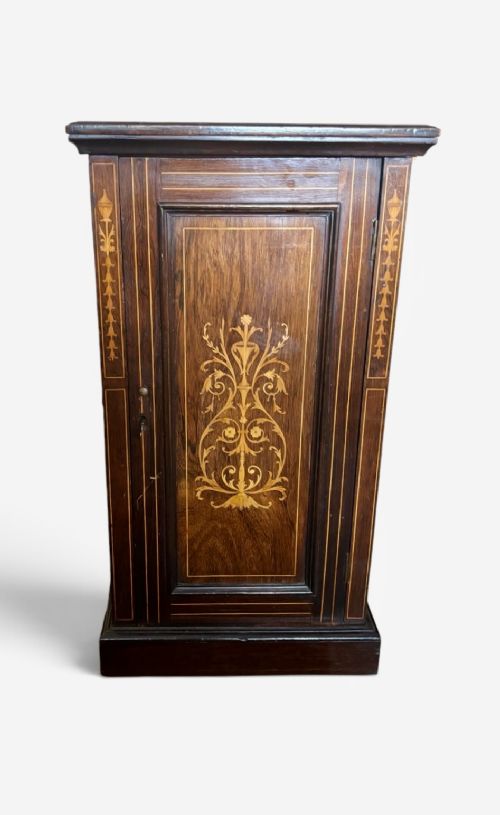
When you search for a vintage inlaid storage cabinet, you encounter a diverse selection of case pieces designed to hold linens, books, music, and household goods. These items originate primarily from the Georgian, Victorian, and Edwardian eras, alongside later twentieth-century interpretations.
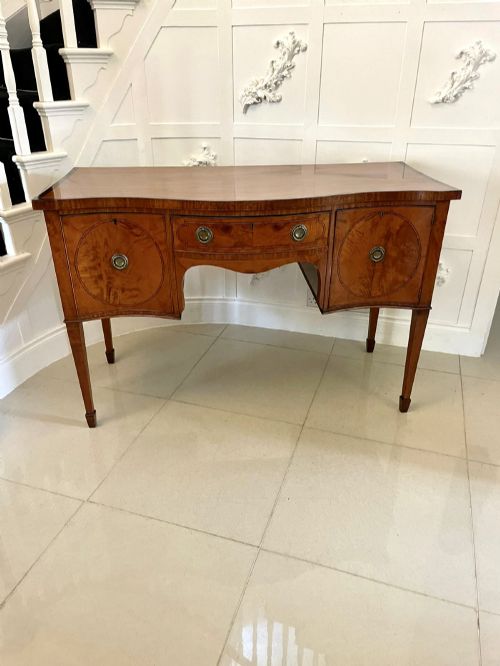
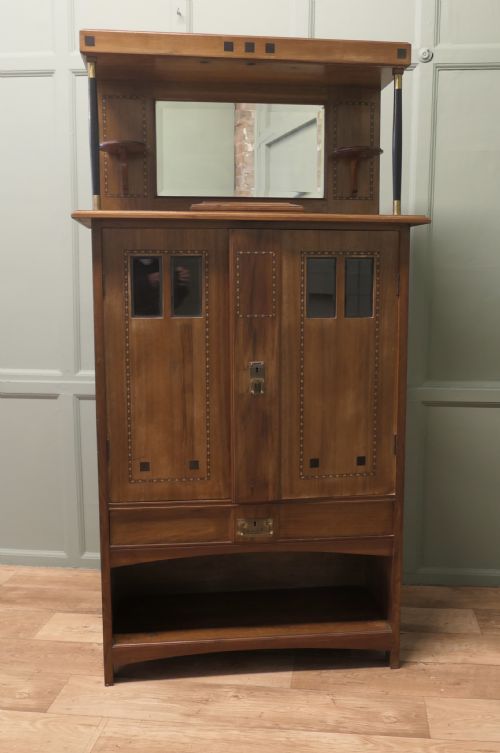
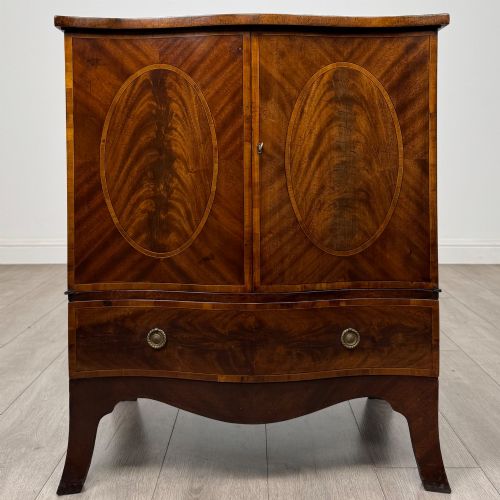
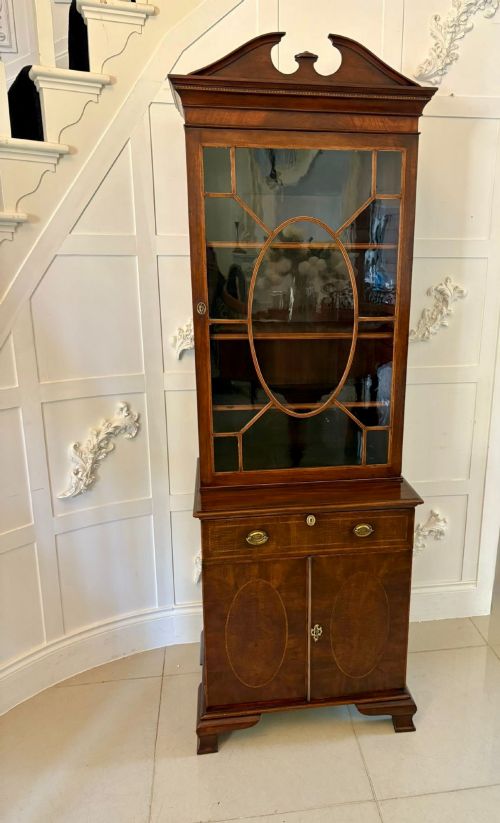
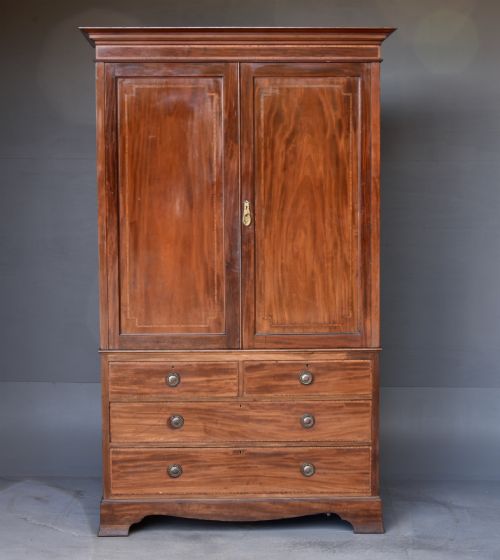
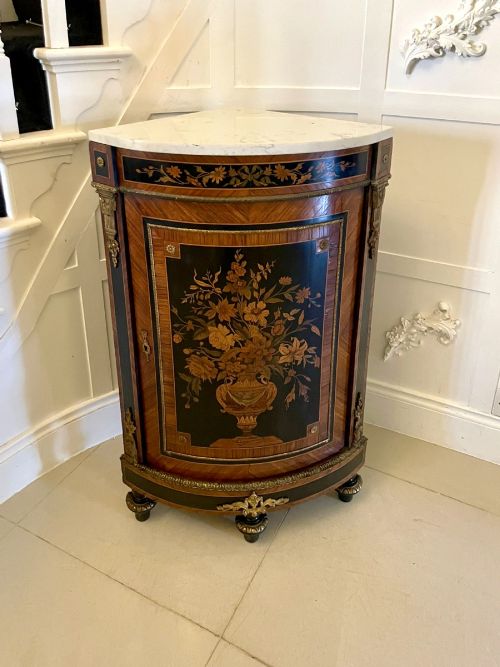
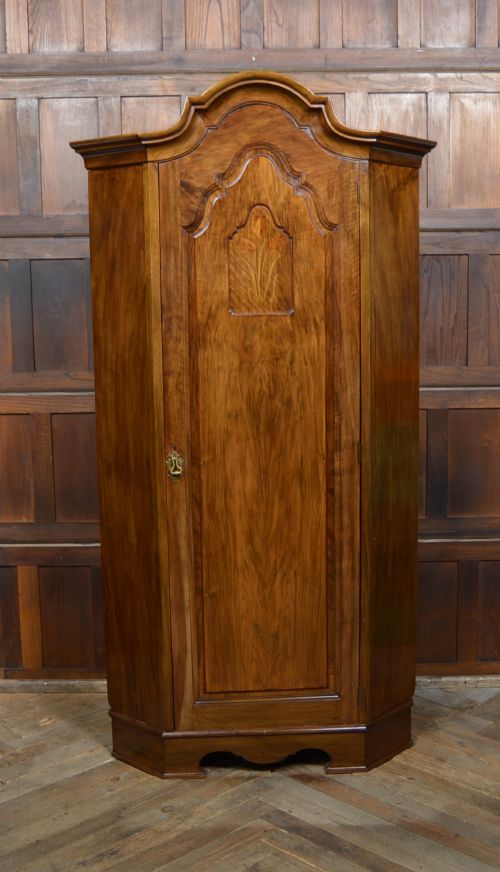
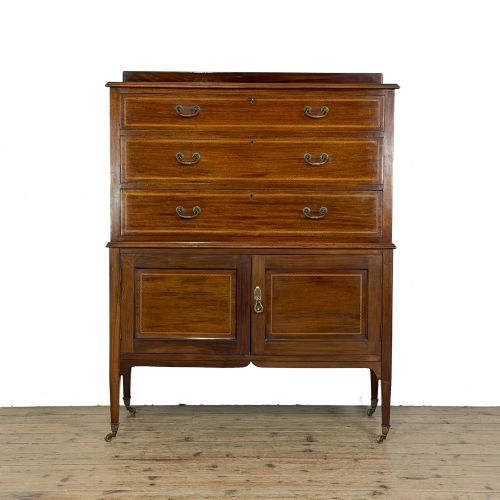
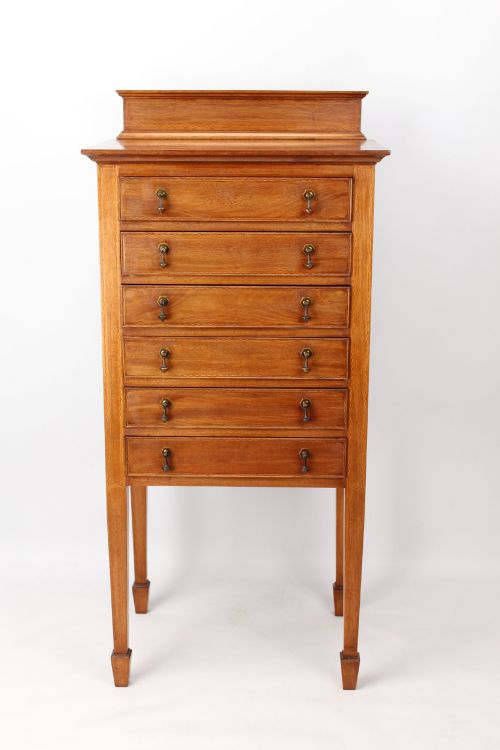
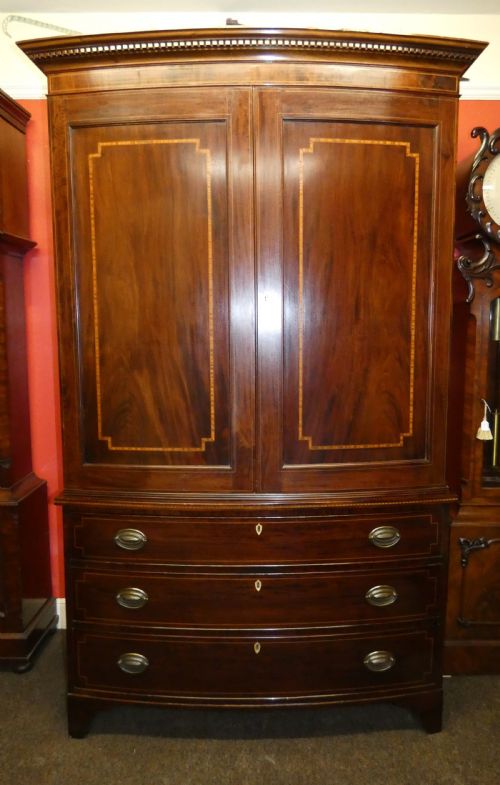
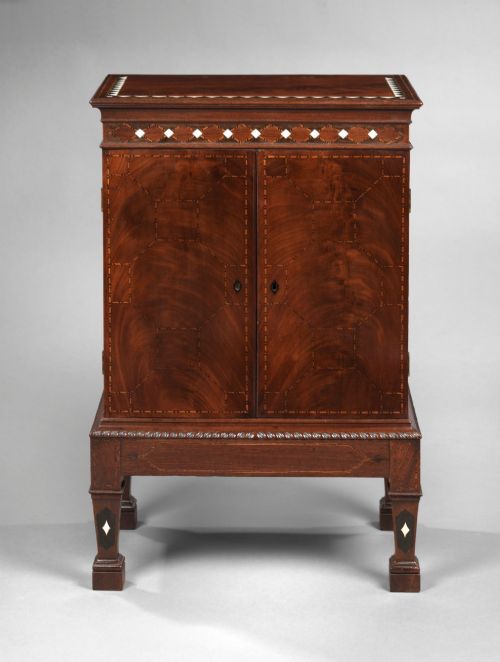
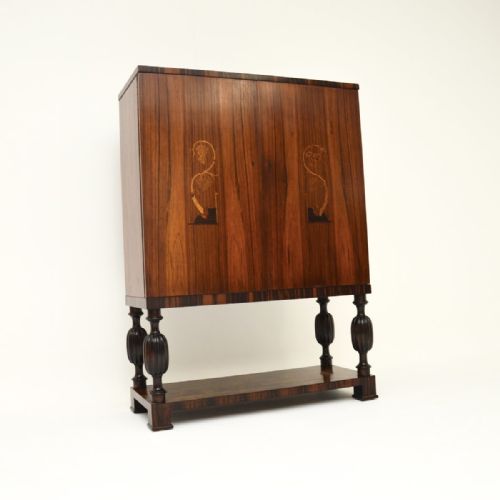
The objects span various forms, including linen presses, music cabinets, tallboys, bedside cupboards, and corner cabinets. Mahogany and satinwood predominate, frequently enhanced by contrasting stringing or elaborate marquetry motifs.
Edwardian pieces in mahogany with delicate inlay appear most frequently in this selection, reflecting the widespread popularity of Sheraton Revival aesthetics during that period.
How they were made
Cabinetmakers utilised solid timbers and selected veneers such as mahogany, walnut, and satinwood, constructing carcases designed to withstand heavy domestic use. Surface ornamentation relied heavily on precise inlay and marquetry, incorporating boxwood and brass details to create geometric borders or pictorial scenes.
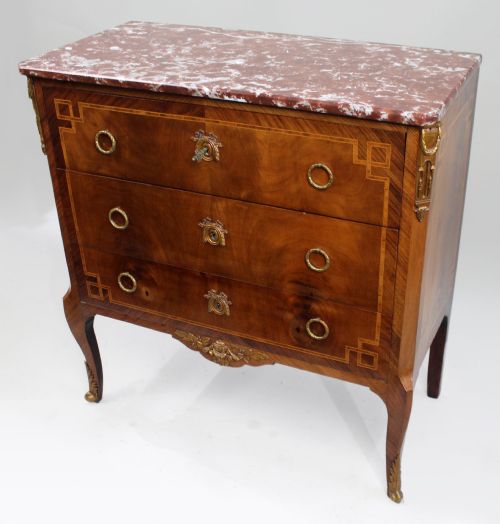
Heavier storage pieces frequently integrated functional hardware such as brass handles and hinges, while French commodes and cabinets often incorporated heavy marble tops in white or rouge varieties.
Vintage Inlaid Storage Cabinet Retail Price Guide 2026
Typical asking prices for vintage inlaid storage cabinet among the pieces listed under this phrase on Sellingantiques today, from the lower quarter to the upper quarter. They describe what is for sale here now, not the wider market.
Several pieces feature secret compartments tucked away behind decorative marquetry panels, built for hiding precious letters.
What varies in quality
The standard of a vintage inlaid storage cabinet rests upon the crispness of the timber selection and the precision of the cabinetmaking. Finely executed pieces display seamless integration of veneer and inlay, where boxwood and satinwood elements sit flush within the primary wood without visible gaps.
Proportion and structural integrity distinguish finer examples from standard utility items. Cabinets featuring well-balanced serpentine or bowfront shapes, alongside harmonious proportions in their cornices and feet, represent the higher end of workshop production.
GM Elwood for JS Henry·maples & co·Druce & Co
The Vintage Inlaid Storage Cabinet Glossary
- Marquetry
- Decorative veneer work forming pictorial patterns or designs using various coloured woods. This technique adorns the surfaces of French commodes and cabinet doors.
- Linen Press
- A tall storage piece traditionally used for storing household linen, featuring upper sliding trays enclosed by doors above a chest of drawers. These items are frequently constructed from mahogany.
- Tallboy
- A tall chest of drawers consisting of one section stacked vertically upon another, providing substantial vertical storage. They appear frequently in satinwood and mahogany variants.
- Serpentine
- A gently curved furniture front featuring a convex centre flanked by concave ends. This contour requires advanced woodworking skill to execute properly.
- Stringing
- Thin lines of contrasting wood inlay used to outline drawers, panels, and tabletops. It defines the geometric borders on Edwardian and Sheraton Revival pieces.
Vintage Inlaid Storage Cabinet: Frequently Asked Questions
What is a linen press?
A linen press is a tall case piece designed originally for storing household linens flat within internal sliding trays. These sections sit above a set of functional lower drawers.
Most examples encountered in these pieces date from the Georgian and Edwardian eras, constructed in solid mahogany with satinwood inlay.
How do I identify Edwardian inlay?
Edwardian inlay typically manifests as delicate boxwood stringing and satinwood banding on light mahogany surfaces. The designs often follow Sheraton Revival motifs, favouring symmetrical urns, bellflowers, and delicate ribbon swags.
Such work appears crisp and flush with the surrounding timber, reflecting machine-assisted precision alongside traditional hand assembly.
Where were corner cabinets placed?
Corner cabinets were built to fit neatly into domestic room angles, maximising floor space while offering display or concealed storage. They served primarily in dining rooms and parlours for glassware or household stores.
Both oak and mahogany variants appear across Georgian and Victorian periods, often featuring glazed upper doors or solid wooden panels.
What is the difference between a commode and a cabinet?
A commode is a low storage piece built primarily with drawers, often styled after French eighteenth-century designs and finished with a marble top. Cabinets, by contrast, generally feature doors enclosing shelves, display space, or vertical storage.
Both forms utilise sophisticated marquetry and varied timber veneers to create decorative focal points within a room.