




Vintage Imari Ware Porcelain
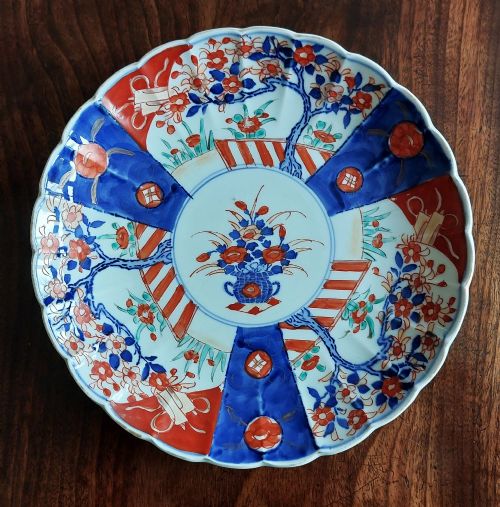
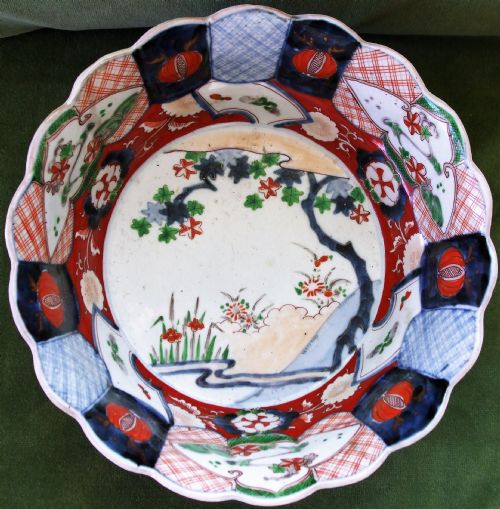
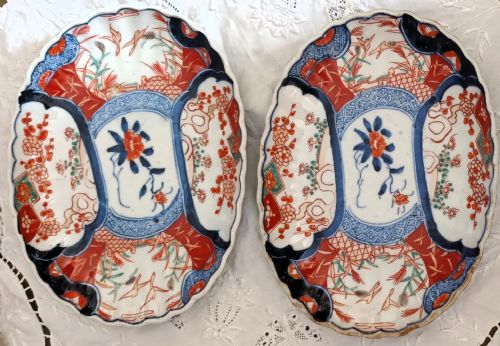
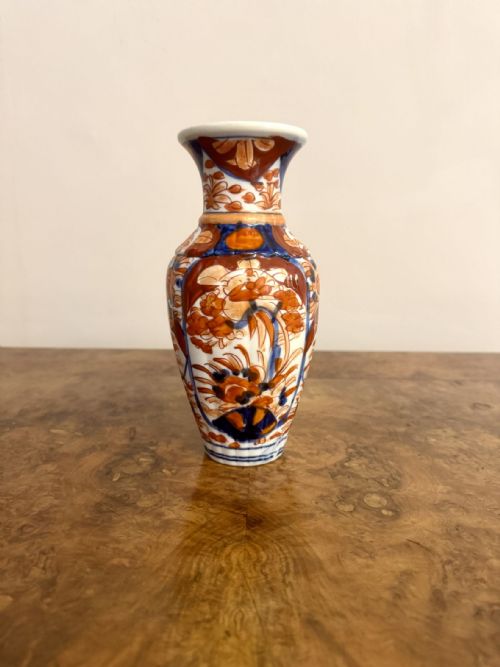
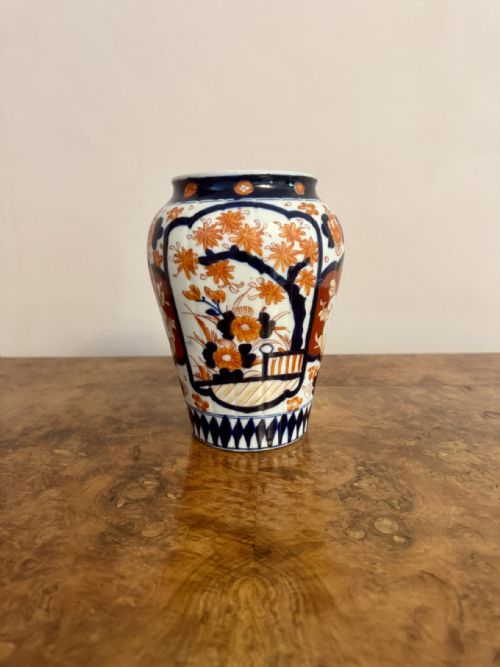
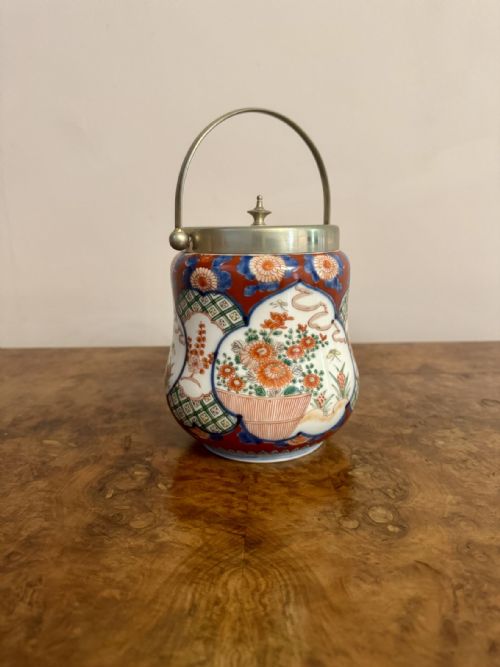
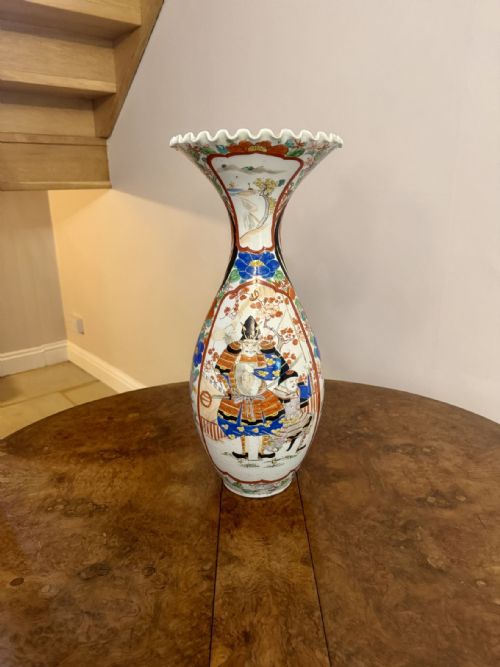
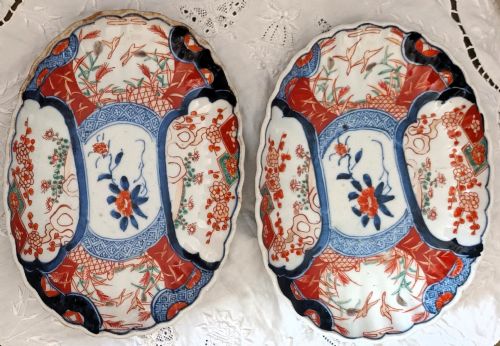
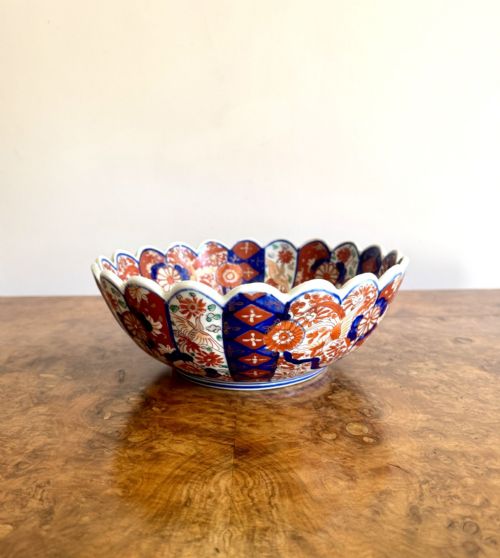
These vintage imari ware porcelain pieces bring rich iron-red, cobalt blue and gold leaf decoration straight from Japan into your home.
Vintage Imari Ware Porcelain
Vintage imari ware porcelain spans several centuries of Japanese ceramic history, reaching back to the Edo and Meiji periods. When you search for vintage imari ware porcelain, you encounter forms that served both decorative and domestic functions in Japanese households.
The objects on this page consist largely of decorative plates, bowls, vases, dishes, chargers and biscuit barrels. Many of these pieces date from the nineteenth century and the early twentieth century.
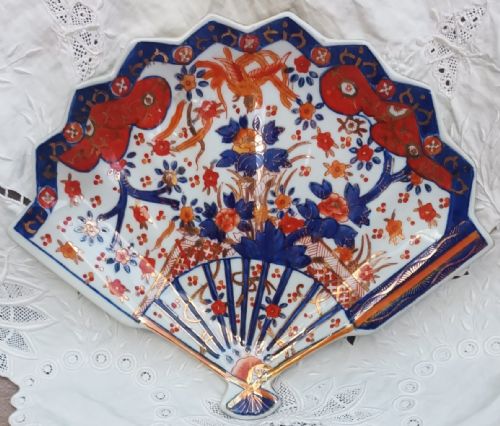
Scalloped edges, square shapes, hexagonal forms and clam shell designs appear frequently among the listings. These variations demonstrate the range of shapes produced in kilns influenced by Japanese traditions.
How vintage imari ware porcelain was made
Potters constructed these objects using porcelain clay, shaping them into bowls, plates and vases before firing. The resulting body provided a sturdy base for the detailed surface decoration characteristic of this tradition.
Artisans applied enamel and enamel glaze over the fired porcelain, often incorporating gold leaf or gilt details to highlight specific motifs. This combination of underglaze blue and overglaze red and gold created the distinctive palette associated with these wares.
Clam shell dishes give porcelain a touch of the ocean.
What varies in quality in vintage imari ware porcelain
The clarity and precision of the enamel painting determine much of the distinction between individual pieces. Control over the cobalt blue underglaze and the overglaze red and gold elements dictates the visual impact of the design.
Forming techniques also separate examples, visible in the sharpness of scalloped edges, the symmetry of hexagonal or square plates, and the balance achieved in large vases and chargers.
The Vintage Imari Ware Porcelain Glossary
- Imari
- A style of Japanese porcelain decorated in underglaze blue, iron red, and gold, named after the port from which it was shipped to Europe. This palette defines the visual character of the pieces on this page.
- Meiji Period
- The era in Japanese history spanning from 1868 to 1912, during which many of the available pieces were produced. Items from this period often display intricate enamel work and varied forms.
- Arita
- The Japanese town and production centre where imari wares were originally fired using local porcelain stone. This location underpins the history of the ceramic tradition.
- Charger
- A large decorative plate designed for display rather than table service. These substantial pieces show the full breadth of the imari palette.
Vintage Imari Ware Porcelain: Frequently Asked Questions
How do I display vintage imari ware porcelain?
These decorative bowls, plates and chargers suit plate stands on shelves or sideboards where their colourful enamel patterns catch the light. Vases and biscuit barrels work well as standalone focal points in a room.
Keep pieces away from direct sunlight to protect the enamel glaze and gold leaf detailing over time.
What is the difference between Edo and Meiji pieces?
Edo period items date from the seventeenth and eighteenth centuries, representing earlier traditions of Japanese porcelain manufacture. Meiji period pieces belong to the late nineteenth and early twentieth centuries.
Meiji examples frequently exhibit dense ornamentation and a wide variety of scalloped and shaped edges.
Were these pieces made for export?
Many imari wares were produced in Japan for international markets, matching European tastes for decorative porcelain during the nineteenth and early twentieth centuries. The vibrant use of cobalt blue, enamel red and gold leaf proved especially popular abroad.
This export history explains the presence of large chargers, vases and shaped dishes in Western collections.
How do I care for my imari porcelain?
Clean your porcelain gently with a soft, dry cloth to remove dust from the surface. Avoid using harsh chemical cleaners or abrasive sponges that could damage the overglaze enamel and gold leaf.
Hand wash only with mild soap and lukewarm water if washing becomes necessary, ensuring the piece is dried immediately.