

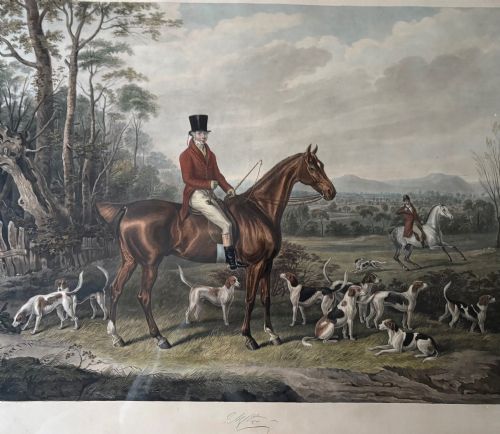


Vintage Hunting Artwork
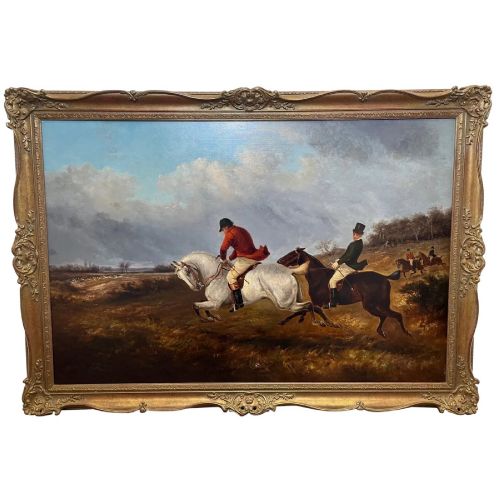
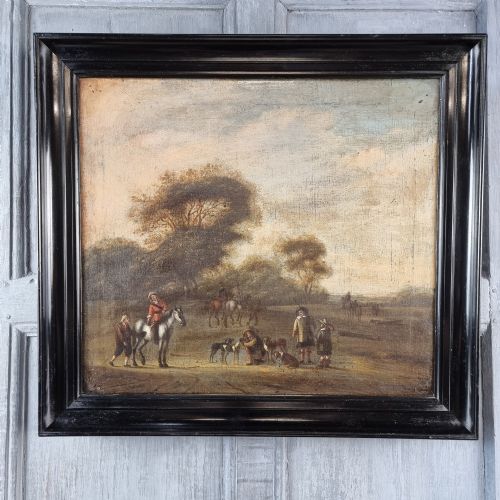
Vintage hunting artwork captures the energy of rural pursuits, bringing traditional equestrian and hound scenes into modern rooms.
Vintage Hunting Artwork
Vintage hunting artwork encompasses framed oil paintings, watercolours, hand-coloured engravings, and original prints depicting equestrian scenes, hounds, and rural field sports. These pieces range from 19th-century works to mid-century representations of hounds, horses, and riders in full cry.
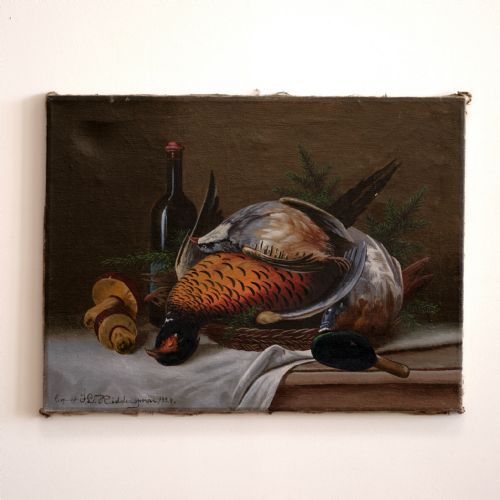
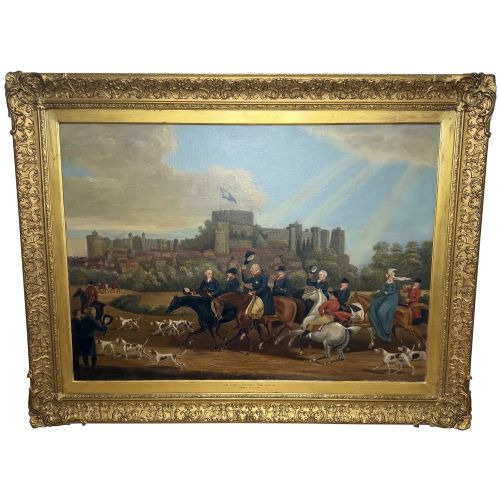
Buyers will most frequently encounter 19th-century canvases, early 20th-century watercolours, and traditional prints framed in wood or gilt frames. Subjects stretch from formal meet scenes and portraiture of specific hunt stables to detailed studies of terriers and game.
The tradition spans British sporting art and continental scenes, connecting historical country life with wall art formats suited to studies, halls, and living spaces.
Materials and Techniques
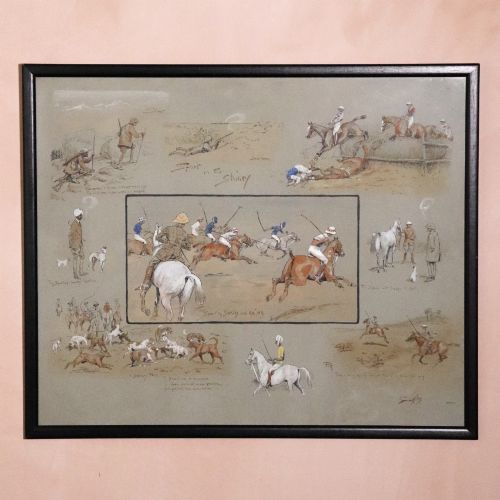
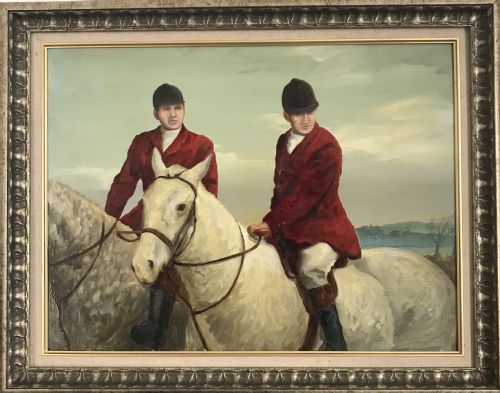
Artists utilised oil paint on canvas or board to build rich textures in depictions of horses, hounds, and landscape backgrounds. Watercolours and pencil drawings on paper offer lighter, more immediate interpretations of field sports.
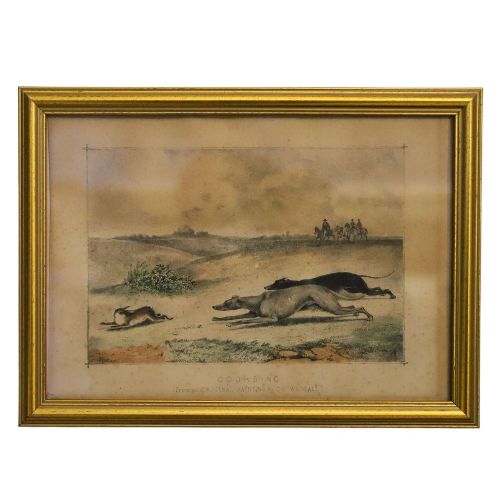
Printmakers employed lithography, aquatint, and engraving techniques, frequently hand-colouring the finished impressions to highlight the riders' pink coats and the landscape details. Framing typically involved traditional wood and gilt wood mouldings that protected the paper and canvas over generations.
Canvases frequently star notoriously stubborn terriers guarding trapped rats alongside prize hunters.
Distinctions in Quality
Quality rests upon the artist's command of anatomy and movement, particularly in rendering the musculature of horses and the alertness of hounds. Superior works capture the atmosphere and tension of the chase with accurate proportion and confident brushwork or line.
The integrity of the medium further defines the piece, seen in the preservation of oil paint on canvas or the crispness of line in early engravings and watercolours. Well-preserved original framing and clear signatures from established sporting artists elevate the status of individual works.
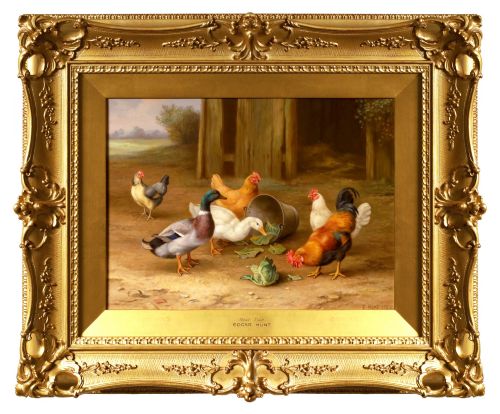
Thomas Smythe·Edgar Hunt·Basil Nightingale·Philip Henry Rideout·John Sanderson Wells·Henri Schouten
The Vintage Hunting Artwork Glossary
- Aquatint
- A printmaking technique that produces tonal effects resembling watercolour washes. It allows for subtle gradations of tone in traditional sporting prints.
- Lithography
- A planographic printing process utilising stone or metal plates. Artists used this method to produce detailed runs of hunting scenes.
- Gilt Wood
- Wood treated with gold leaf or gold-coloured paint for decorative frames. This material provides a traditional, reflective border for oil paintings and prints.
- Watercolour
- Pigments suspended in a water-soluble vehicle, painted on paper. It creates transparent layers prized in antique field sport sketches.
Vintage Hunting Artwork: Frequently Asked Questions
How do I care for vintage oil paintings?
Keep paintings away from direct sunlight and fluctuating humidity to protect the canvas and oil pigments from cracking.
Dust the surface gently with a soft, dry brush and avoid using chemical cleaners on the paint or frame.
Were these prints hand coloured?
Many 19th-century engravings and lithographs received delicate washes of watercolour by hand after the initial printing process.
This added realistic tones to the horses, hounds, and riders while maintaining the underlying engraved lines.
Where should I hang hunting artwork?
These pieces suit traditional spaces such as studies, libraries, and dining rooms where wood furniture and neutral walls complement the palette.
Ensure the hanging height places the centre of the artwork at eye level for optimal viewing.