
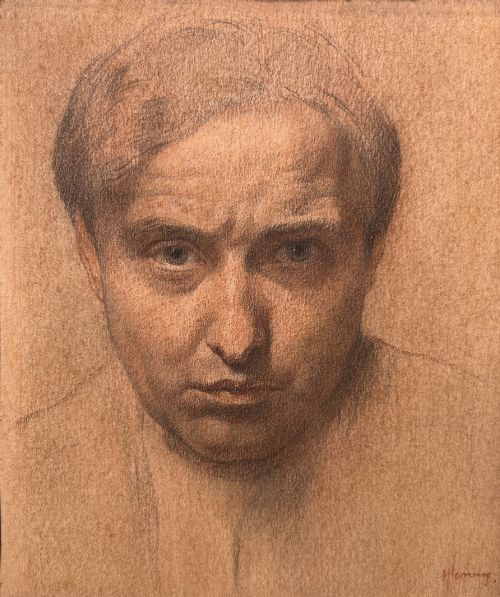
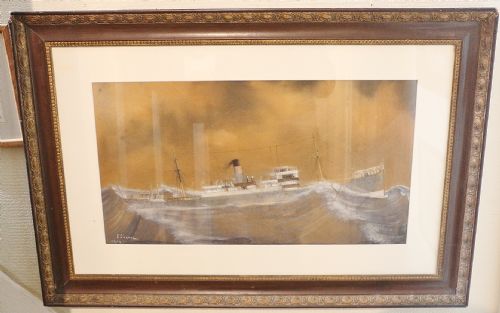
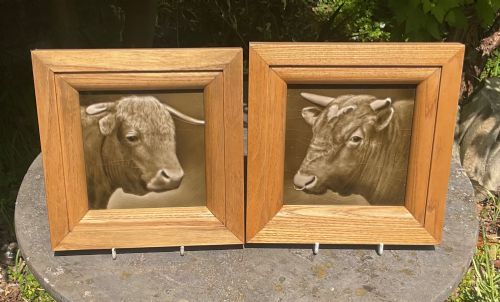


Brown Sepia Portrait
These brown sepia portrait pieces capture likenesses across centuries through monochrome ink, chalk and photographic tones.
Brown Sepia Portrait
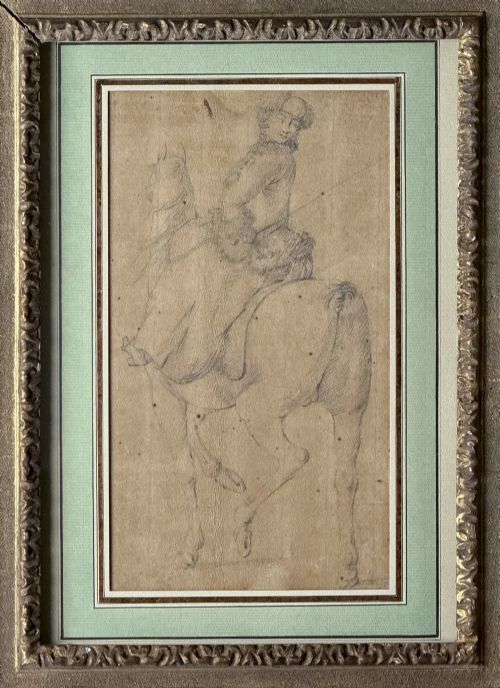
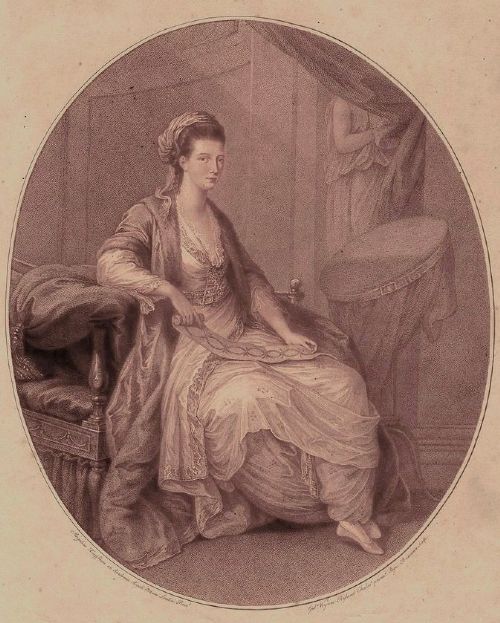
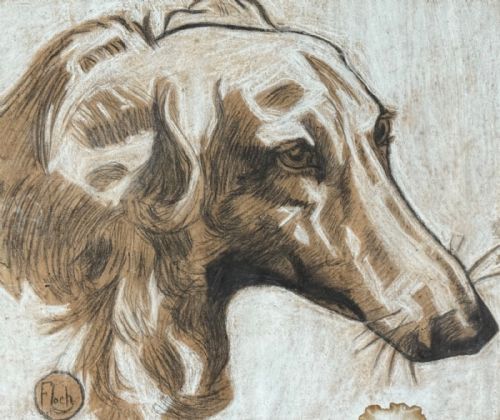
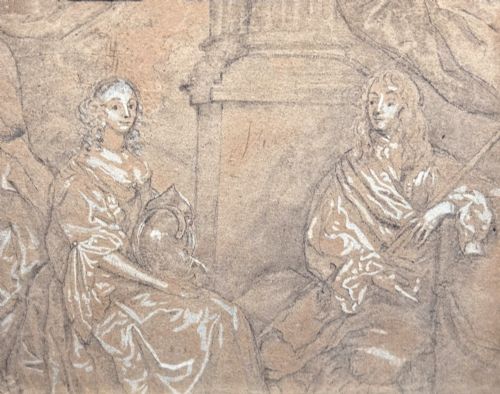
A brown sepia portrait represents human and animal subjects using muted monochrome palettes, spanning periods from the seventeenth century to the twentieth century. These works appear as original drawings, watercolours, engravings, lithographs and early photographs housed in wall frames.
The selection here includes Georgian watercolours, Victorian ceramic tiles, Edwardian photographic works and eighteenth-century engravings. Buyers encounter both intimate personal studies and formal historical depictions on paper, wood and ceramic supports.
What varies in quality
Skill in draftsmanship defines the success of a portrait, distinguishing hurried sketches from confident anatomical studies by accomplished hands. The precision of line in ink and graphite dictates the visual impact of the subject.
The integration of the medium with its support influences the overall presentation, particularly where buff paper or ceramic glazes interact with sepia tones. Preservation of the original paper surface and framing also shapes the character of each piece.
Listings feature paper, wood, glass, chalk, charcoal, watercolour and graphite across multiple centuries.
F Corpuz·Sherwin And Cotton·J F Marie Huet Villiers·Theobald Chartran·Henri Josephe Hesse·George Richmond
The Brown Sepia Portrait Glossary
- Sepia
- A brown pigment traditionally derived from the ink sac of the cuttlefish, widely used in historical drawing and photography. It yields warm monochrome tones that resist fading.
- Engraving
- A printmaking technique where an artist cuts lines directly into a metal plate with a burin. The inked plate transfers a precise linear image onto paper.
- Lithograph
- A planographic printing method based on the chemical repulsion of oil and water. Artists draw on limestone or metal plates to produce multiple impressions.
- Gouache
- An opaque water-soluble paint consisting of pigment, water and a binding agent such as gum. It provides solid areas of colour and tone on tinted papers.
Brown Sepia Portrait: Frequently Asked Questions
What periods do these portraits cover?
The works span several centuries, including seventeenth-century interpretations, eighteenth-century engravings, Georgian watercolours and nineteenth-century photographs.
Later pieces extend into the Edwardian era and the early twentieth century, showing shifting techniques in portraiture over time.
What materials were used?
Artists employed paper, ink, chalk, charcoal, watercolour and graphite to create these monochrome studies. Some examples incorporate gouache on buff paper or ceramic tile supports.
Photographic works from the Edwardian period utilise early photographic processes on paper substrates.
How should I display them?
Framed works on paper require placement away from direct sunlight to protect fragile pigments and paper supports from fading. Wall mounting suits the framed drawings, paintings and photographic pieces found here.
Ceramic tiles benefit from secure wall housing designed to support their weight safely.
Are these works original?
The selection contains original artwork, drawings, watercolours and oil paintings alongside period print techniques like lithography and engraving. Each piece reflects the production methods of its specific era.
Signatures and inscriptions on individual works often record the artist or historical subject.