
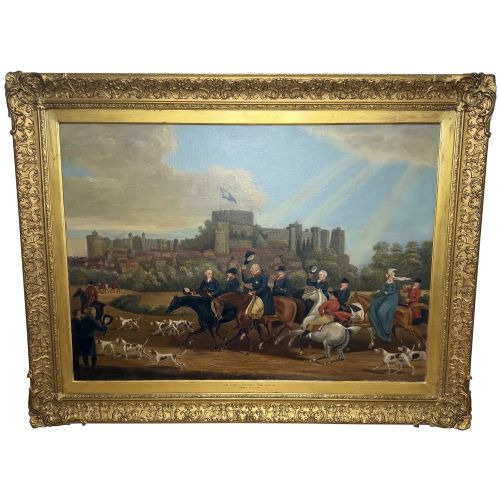


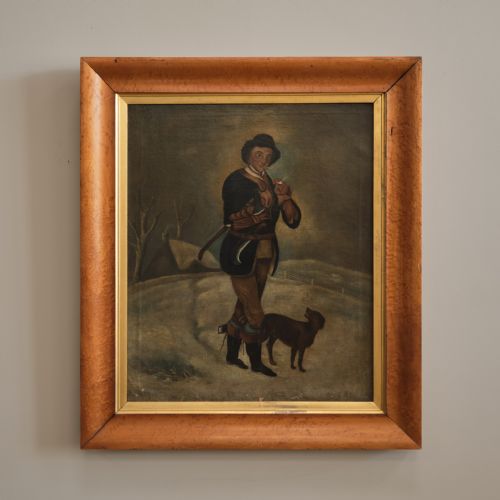


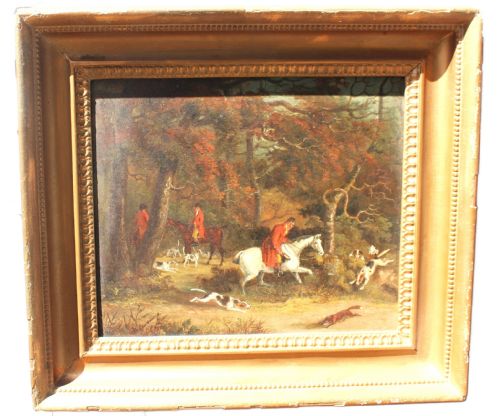

Georgian Sporting Painting
A georgian sporting painting captures the vigour of the hunt, the pride of the stable and the open landscape of past centuries.
Georgian Sporting Painting
When you search for a georgian sporting painting, you encounter works that celebrate horses, hounds, riders and rural pursuits across eighteenth and nineteenth century England. These artworks record the animals and landscapes valued by landowners, squires and sportsmen of the era.
The selection includes oils on canvas, wood panels and glass alongside watercolours and pearlware jugs. Most pieces date from the eighteenth and nineteenth centuries, spanning Georgian, Regency, Victorian and Edwardian periods.
Portraits of individual hunters, coaching scenes, hound litters and shooting parties form the core of these subjects. Works range from naive folk art interpretations to signed compositions by established animal painters.
Materials and Techniques
Artists painted primarily with oil paint on stretched canvas or wooden pine panels, building up rich layers of pigment to depict animal coats and rural light. Watercolours on paper offer a lighter alternative for portraits of country gentlemen and hunters.
Gilt wood frames often enclose these canvases, preserving the edges and complementing the traditional subject matter. Reverse glass painting techniques appear in specific decorative pieces, fixing the pigment securely behind a glass sheet.
Object types range from framed fine art and wall art to Staffordshire pearlware jugs.
Distinctions in Quality
Anatomical precision in horses and hounds distinguishes accomplished academic painters from naive folk art practitioners. The rendering of light across a landscape and the handling of fabric and leather add depth to superior compositions.
Attribution to a known hand or a signed canvas elevates a piece above anonymous works of the period. The original framing and the stability of the wood or canvas substrate further influence the standing of each artwork.
W Williams Pinxit·Samuel Raven·J F Marie Huet Villiers·Francis Wheatley·Clifton Tomson·Abraham Cooper·Samuel Henry Alken·James Ward·John Nost Sartorius·John Vine·George Stubbs·James Barenger·John Charles Maggs·Samuel John Egbert Jones·Stephen Elmer·Dean Wolstenholme·Benjamin Marshall·James Pollard
The Georgian Sporting Painting Glossary
- Eglomise
- A technique of applying gold leaf and painting on the rear face of glass to create a reflective image. This method produces a smooth, protected surface often seen in decorative prints.
- Pearlware
- A fine earthenware developed in the late eighteenth century with a slightly bluish glaze. It served as a popular ceramic base for sculptural jugs and sporting figures.
- Pinxit
- A Latin term meaning he or she painted it, traditionally placed beside an artist signature on historic canvases. It confirms authorship when documented alongside a historical name.
- Naives
- Artworks created by self-taught painters working outside academic traditions. These pieces display charm through perspective and proportion rather than strict realism.
Georgian Sporting Painting: Frequently Asked Questions
What subjects appear in these paintings?
These works focus on horses, hunting dogs, coaching scenes and sportsmen in rural landscapes. They record the animals and pastimes central to country life during the Georgian era.
You find portraits of named hunters, depictions of mail coaches in snow, and shooting parties accompanied by spaniels and pointers.
How do I identify the period of a piece?
Dating relies on costume details, framing styles, and the specific painting medium used by the artist. Regency works often show distinct riding attire, while eighteenth-century pieces feature muted earth palettes.
Signatures, attribution notes and mediums such as oil on pine panel or early watercolour help confirm the era of origin.
Where were these artworks displayed originally?
Country houses, hunting lodges and coaching inns formed the primary settings for these paintings. Owners hung them in libraries, dining rooms and halls to display their prized horses and sporting achievements.
Today, they suit similar traditional interiors, studies and living spaces where historic equestrian art complements period furnishings.
What is the difference between academic and naive works?
Academic works, painted by trained artists, demonstrate precise animal anatomy and sophisticated perspective in landscape backgrounds. Folk art or naive pieces prioritise direct storytelling over strict proportion.
Both styles record the sporting culture of the period, offering different aesthetic qualities for collectors of historical art.