





Traditional Equine Painting
A traditional equine painting captures the power and character of horses through brushwork rooted in past centuries.
Traditional Equine Painting
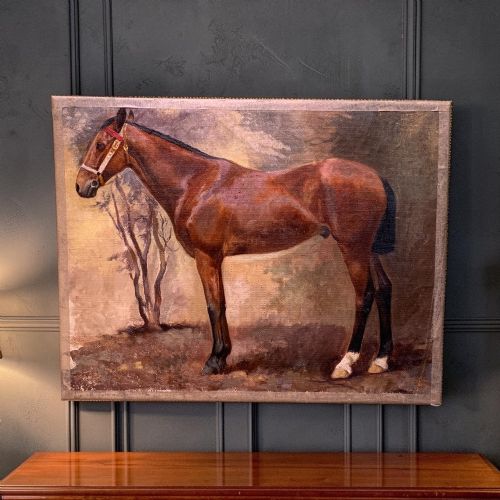
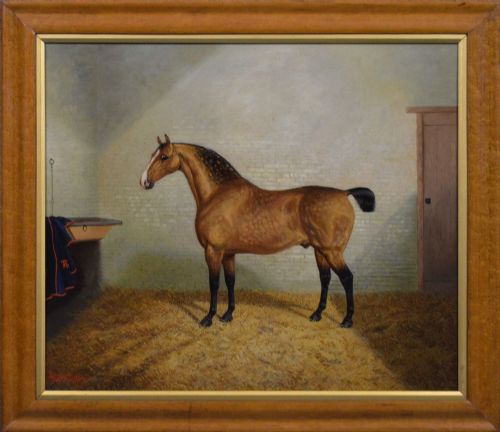
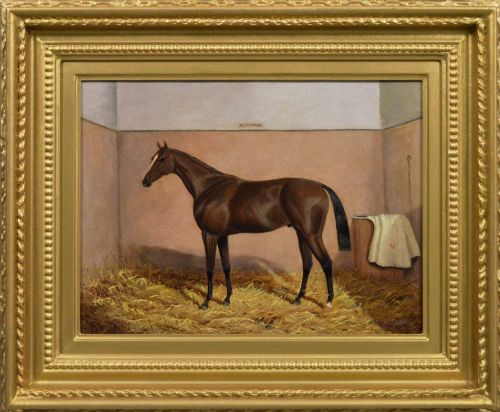
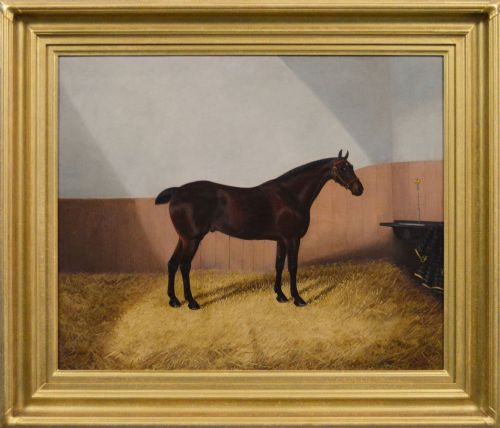
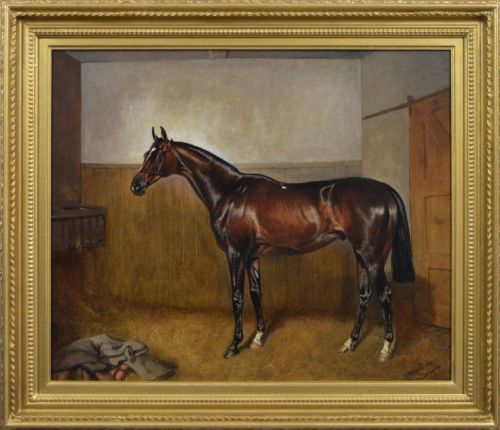
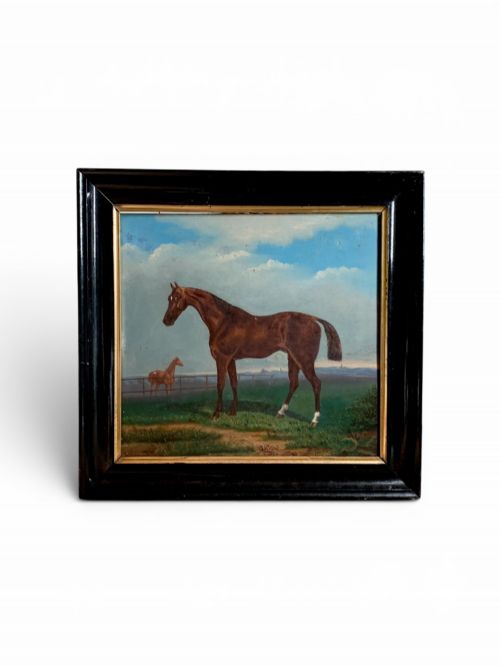
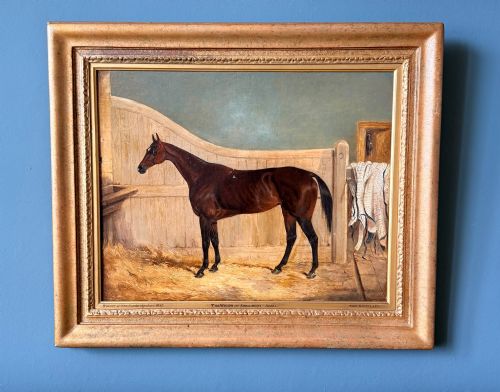
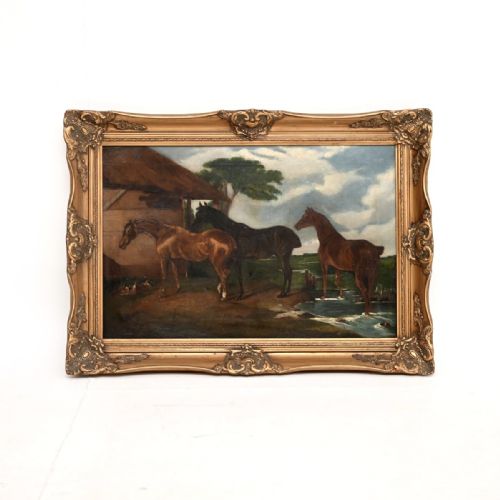
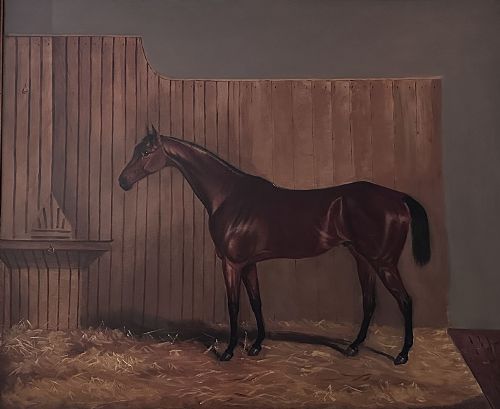
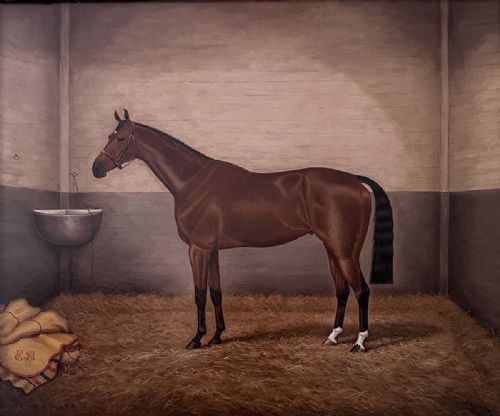
A traditional equine painting focuses on horses, ranging from celebrated racehorses and sturdy hunters to working farm animals in rural landscapes.
The versions most commonly met on this page date from the nineteenth and early twentieth centuries, rendered in oil on canvas or wood panel.
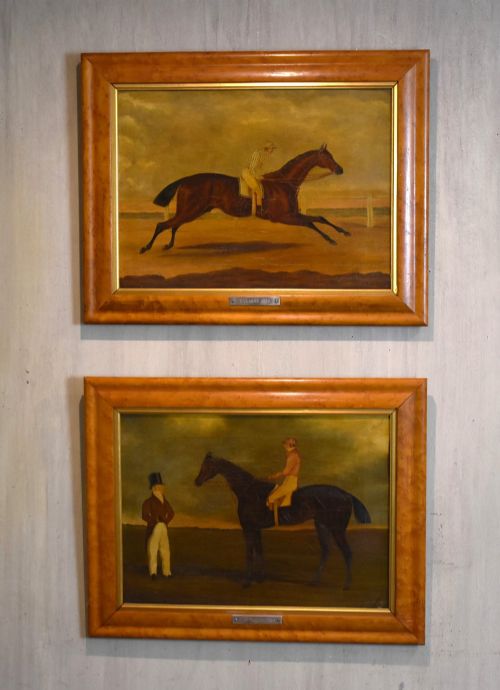
These works vary from intimate stable portraits to sweeping sporting scenes depicting jockeys, grooms, and country life.
Materials and Techniques
Artists utilised oil paint on prepared canvas or wood panels, allowing for rich colour layering and subtle blending.
Frames were frequently constructed from giltwood, using gold leaf to complement the warm tones of the painted scenes.
Listings span the eighteenth, nineteenth, and early twentieth centuries, featuring oil on canvas, wood panels, and watercolours.
Judging Quality
Quality rests upon anatomical precision, the handling of light on muscle and coat, and the convincing depiction of movement or stillness.
Stronger compositions display depth within the landscape or stable interior, whilst weaker examples rely on stiff postures and flat backgrounds.
Henry Barraud·Albert Clark·John Alfred Wheeler·Thomas Walker Bretland·John Frederick Herring Snr·William Williams·George E Sharpe·Eugene Joseph Verboeckhoven·Benjamin Cam Norton·Clifton Tomson·Arthur Winter Shaw·Abraham Cooper RA·Charles Bilger Spalding RA·George Goodwin Kilburne·John Nost Sartorius·Edward Lloyd·George Cole·William Shayer Snr·John Parker Davis
The Traditional Equine Painting Glossary
- Oil on canvas
- Pigments bound in drying oil applied to a woven fabric support stretched across a wooden frame. This medium permits a wide tonal range and enduring stability.
- Panel painting
- Art executed on a rigid flat surface such as wood or pine rather than fabric. Panel works often date to earlier periods or specific regional traditions.
- Giltwood
- Wood carved and coated with gold leaf or metal powder. It provides a traditional decorative border for oil paintings.
- Sporting art
- Genre depicting field sports, racing, and animals in pastoral or rural settings. It forms a core category within traditional equine works.
Traditional Equine Painting: Frequently Asked Questions
What subjects appear in these paintings?
The subjects include named racehorses with their jockeys, hunters in stable interiors, and working horses ploughing fields or pulling hay wagons.
Rural landscapes and genre scenes featuring horses alongside farmers or grooms also form a significant part of the works.
How do I date a horse painting?
Dating relies on the style of the clothing worn by figures, the construction methods of the canvas or wood panel, and any signatures or inscriptions.
Victorian and Edwardian works often display specific framing styles and pigment compositions typical of those decades.
Were these works always signed?
Many paintings bear the signature or monogram of the artist, sometimes accompanied by a date or a title inscribed on the reverse.
A large number of works remain unsigned or attributed based on stylistic comparison with documented hands.
How should I care for an oil painting?
Oil paintings require stable indoor humidity and protection from direct sunlight to prevent the canvas from sagging and the paint from cracking.
Dusting should be done gently with a soft, dry brush without applying moisture or chemical cleaning agents.