



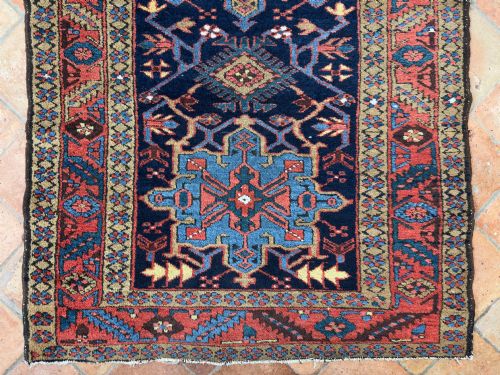
Vintage Heriz Rug
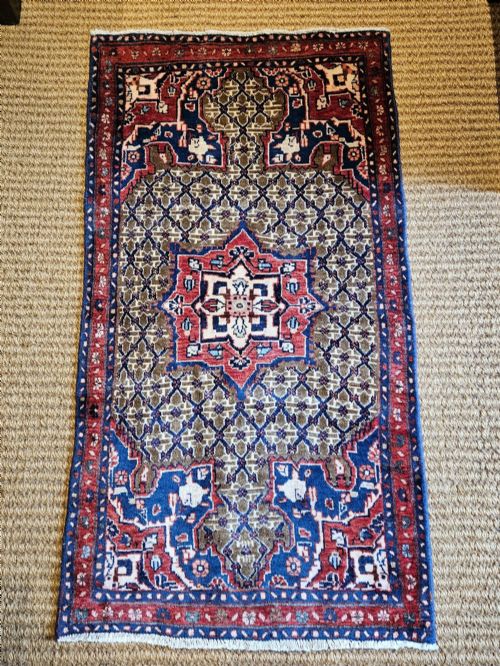
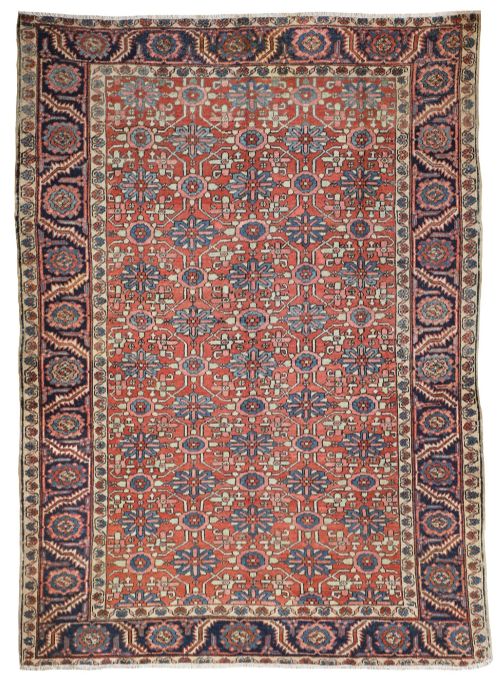
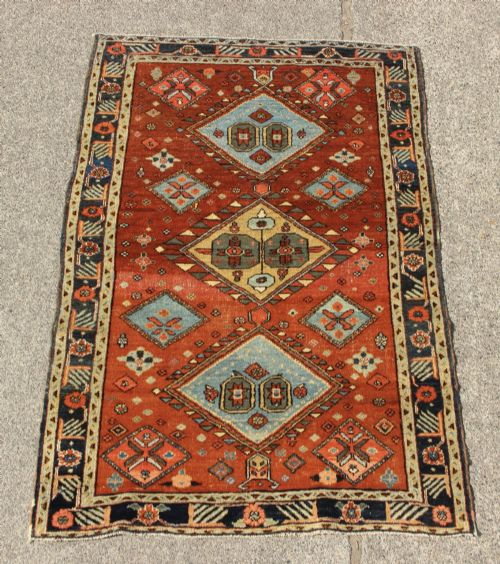
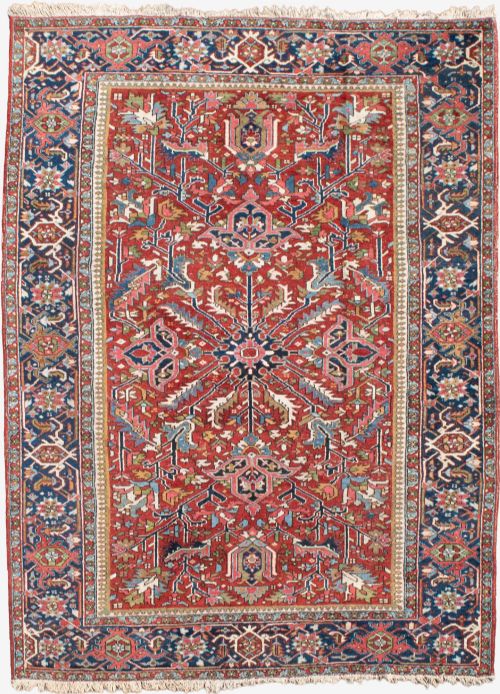
These vintage heriz rugs bring monumental room presence and bold geometric artistry straight from Persian village looms.
Vintage Heriz Rug
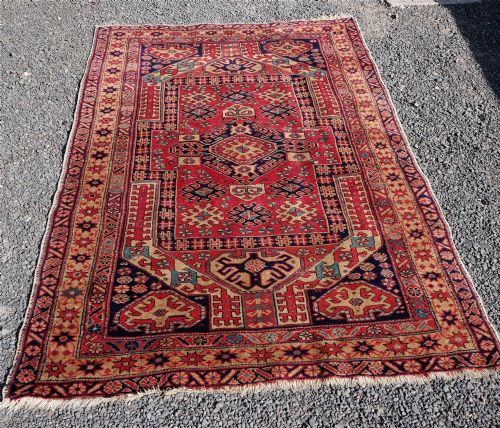
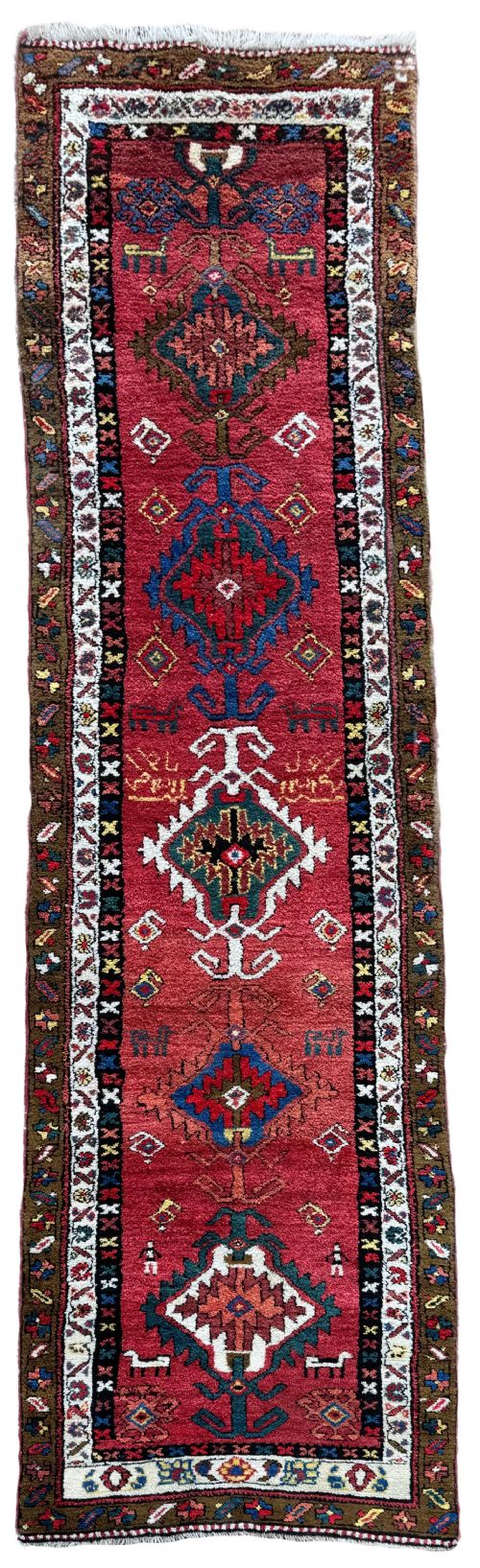
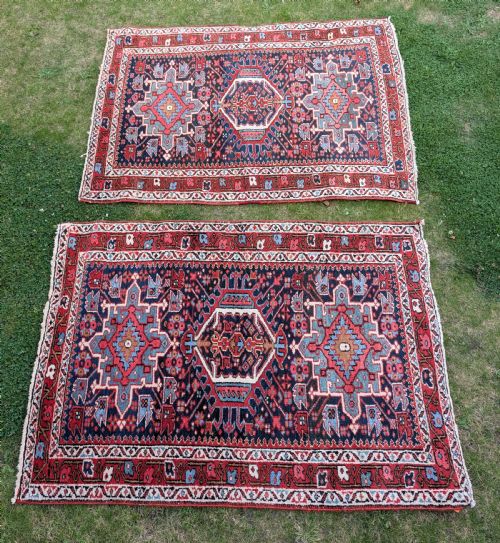
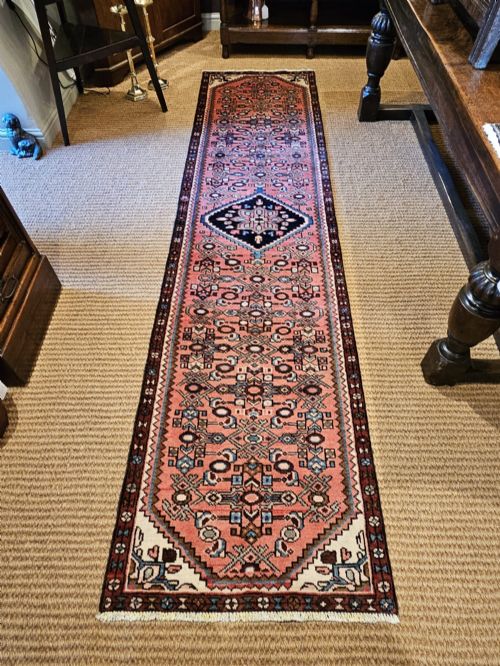
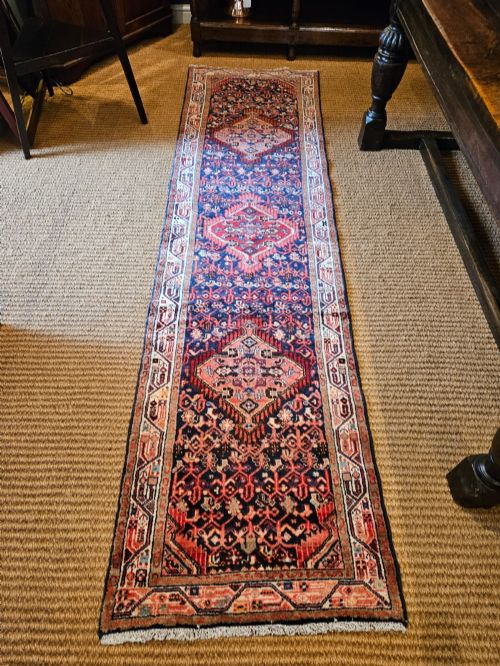
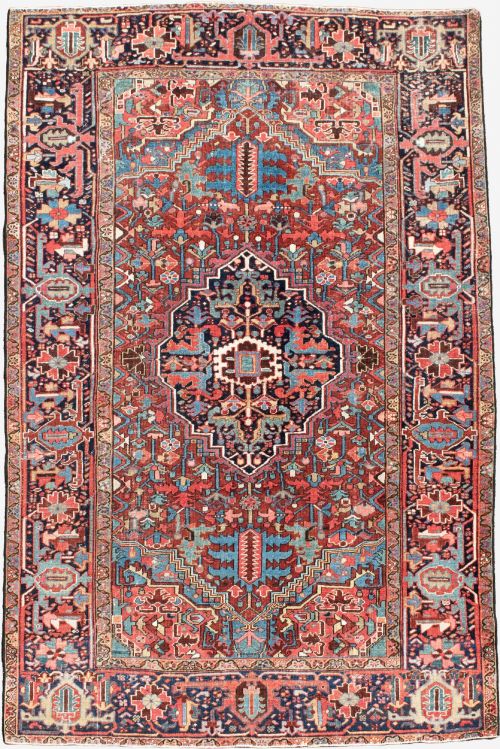
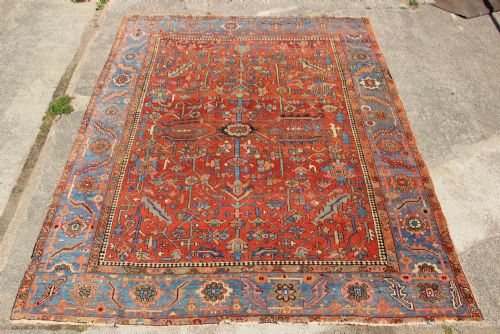
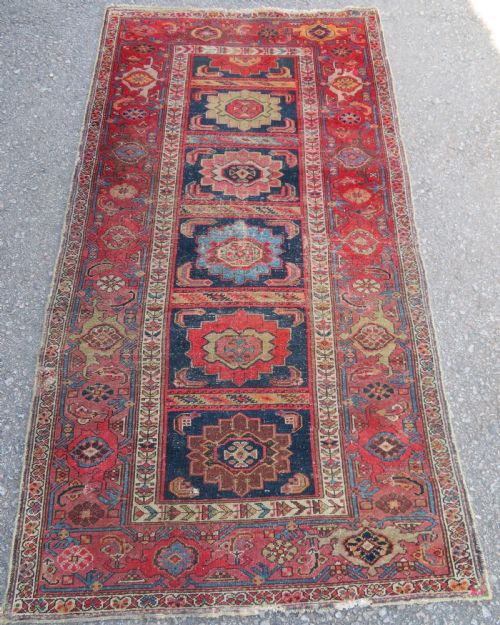
A vintage heriz rug offers distinct Persian tribal and regional craftsmanship scaled for substantial rooms. Pieces listed in this category span from smaller formats such as the 192x147cm size up to massive carpets measuring over five metres in length.
The selection encompasses classic Heriz styles alongside related Bakshiash variants, dated across the late nineteenth and early twentieth centuries. Buyers encounter both room-sized floor coverings and grand oversize formats designed for formal interiors.
How they were made
These carpets and rugs are constructed using durable wool piles knotted onto sturdy cotton foundations. The traditional techniques combine village weaving traditions with strong structural integrity capable of enduring generations of floor use.
Weavers utilised resilient natural materials to build dense, heavy rugs that maintain their shape and pile depth over decades. The combination of wool and cotton provides both flexibility and the characteristic robust weight of Persian workshop production.
Vintage Heriz Rug Retail Price Guide 2026
Typical asking prices for vintage heriz rug among the pieces listed under this phrase on Sellingantiques today, from the lower quarter to the upper quarter. They describe what is for sale here now, not the wider market.
Every piece recorded in this selection relies entirely on traditional wool and cotton materials.
What varies in quality
Quality differences emerge through the boldness of the field design and the individuality of the medallion layout. Pieces featuring scarce field configurations or particularly striking colour palettes stand apart from standard production.
The overall scale and proportion also dictate standing, with oversize dimensions requiring exceptional weaver skill to maintain geometric symmetry across vast expanses of wool and cotton.
The Vintage Heriz Rug Glossary
- Heriz
- A style of Persian carpet originating from the Northwest region, known for bold geometric medallions and robust construction. These rugs often feature prominent central anchor motifs.
- Bakshiash
- A neighbouring village style often associated with Heriz production, characterised by more relaxed geometry and creative interpretations of traditional layouts. Such pieces share the same wool and cotton foundation materials.
- Medallion
- The central ornamental motif dominating the field of the carpet, which serves as the primary focal point of the design. In Heriz rugs, this shape is typically large and angular.
- Field
- The background area of the rug enclosed by the borders, displaying the primary patterns and secondary motifs. Scarcity in field design elevates the distinction of individual carpets.
Vintage Heriz Rug: Frequently Asked Questions
How do I style a large Heriz carpet?
These grand carpets anchor large living spaces, dining rooms, or libraries with their striking geometric presence. Their robust wool pile provides both warmth and durability under heavy foot traffic.
Allow enough surrounding floor space to showcase the borders and central medallion properly. They pair naturally with both traditional dark wood furniture and clean modern architectural lines.
What is the difference between Heriz and Bakshiash rugs?
Heriz rugs typically present strict geometric medallions and bold, architectural layouts. They rely on strong symmetry and commanding central motifs.
Bakshiash pieces, hailing from the same region, exhibit a slightly more fluid and whimsical approach to traditional patterns. Their designs often incorporate softer, more open field compositions.
How do I date an antique Persian carpet?
Dating relies on stylistic markers, structural analysis of the wool and cotton foundation, and historical dyeing methods. Experts examine the complexity of the medallion and the specific weave density.
Changes in palette and minor structural shifts across different decades help narrow down the period of origin. Pieces from the late nineteenth century show distinct handle and wear patterns compared to those from the early twentieth century.
Are these carpets suitable for heavy traffic areas?
The dense wool pile woven onto sturdy cotton foundations makes these carpets exceptionally durable. They were built to withstand generations of daily domestic use.
Routine care and correct underlays ensure the structure remains protected against premature wear. Their resilient construction handles high-traffic hallways and reception rooms with ease.