








Vintage Harbour Scene
When you search for a vintage harbour scene, you open a window to coastal life captured across the nineteenth and twentieth centuries.
Vintage Harbour Scene
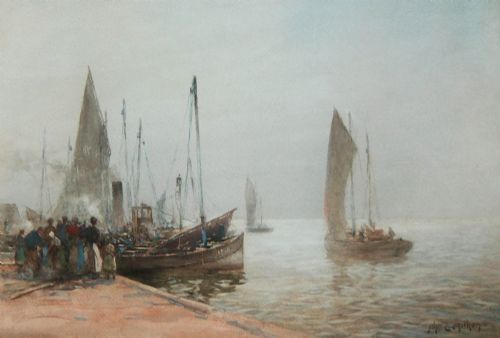
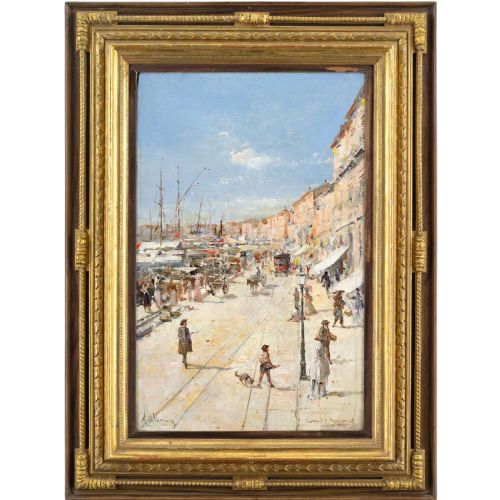
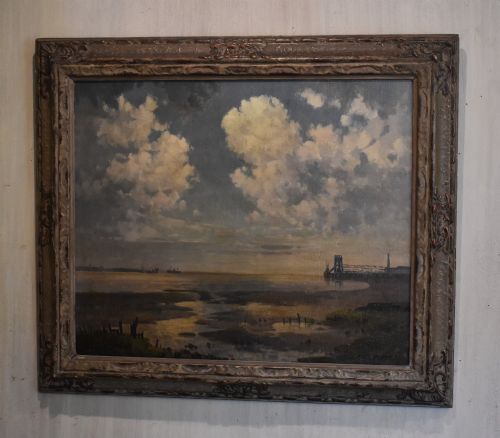
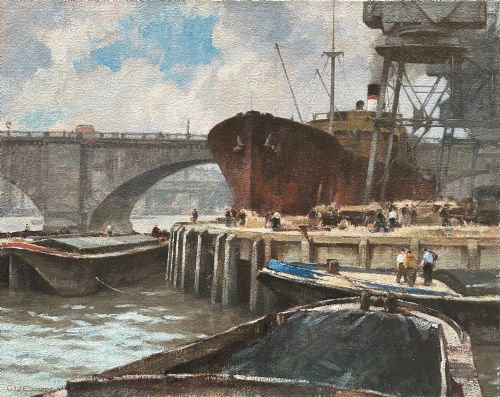
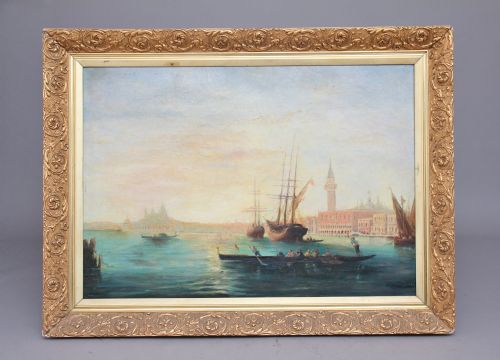
A vintage harbour scene captures maritime life, coastal settlements, and working vessels through the eyes of artists working from the Victorian era into the mid-twentieth century. These works depict specific coastal hubs in Britain and Europe, ranging from Cornish fishing ports to Mediterranean waters and northern rivers.
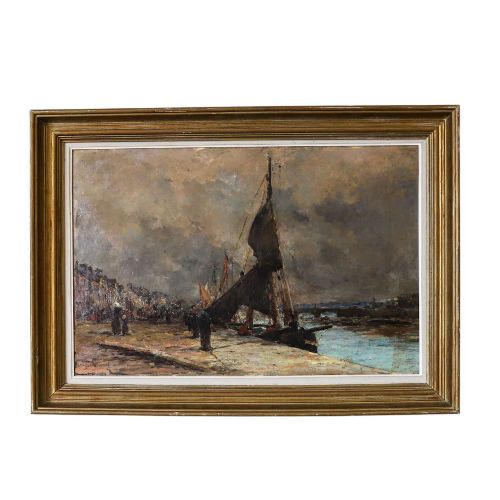
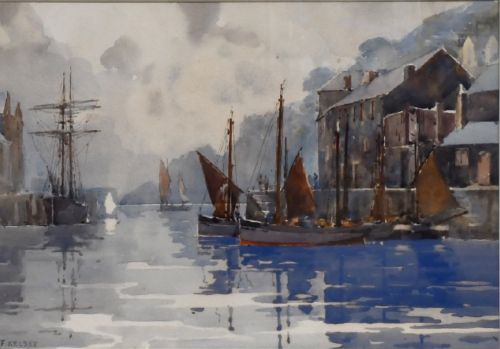
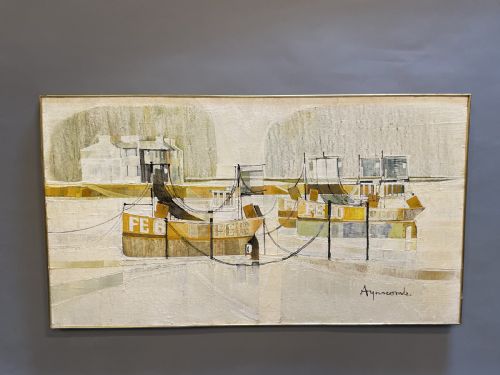
Most examples you encounter on this page span from the late nineteenth century through to the 1960s, reflecting shifts from traditional maritime recording toward Impressionist and modernist interpretations. The selection encompasses framed fine art, finished watercolours, and textured oils on canvas or board.
Motive subjects typically focus on moored luggers, bustling dockyards, returning fishing boats, and tidal basins under varying atmospheric conditions. They serve as historical records of working maritime communities as well as decorative focal points for interiors.
How they were made
Artists relied primarily on oil paint and watercolour applied to stretched canvas, wooden board, or heavy paper supports. Oil paints offered rich, buildable textures capable of rendering churning seas and weathered hulls, while watercolours provided translucent washes for bright skies and gentle coastal light.
Many works were completed en plein air to capture immediate coastal weather before being housed in period wooden frames, often finished with gilt moulding or simple painted surrounds. Support materials such as wood and canvas display the organic ageing expected of works produced across the past two centuries.
Vintage Harbour Scene Retail Price Guide 2026
Typical asking prices for vintage harbour scene among the pieces listed under this phrase on Sellingantiques today, from the lower quarter to the upper quarter. They describe what is for sale here now, not the wider market.
Salt air may have long since cleared from the studio, but these canvases still smell faintly of adventure and linseed oil.
What varies in quality
Quality rests upon the artist's command of light, spatial depth, and handling of maritime atmosphere rather than sheer scale or subject matter. Superior works demonstrate confident brushwork and a coherent palette that successfully conveys movement in water and weather.
Provenance and documentation also influence standing, particularly when works are clearly signed, dated, or linked to established regional art movements like the St Ives School. Preservation of the original paint layer and the integrity of the period frame further distinguish finer examples.
Kenneth Cozens·Edward Mills·James E Aitken·John E Aitken·William Banks Fortescue·James Kay·Augusto Alberici·Clive Browne·Paul Bret·Cyril Walduck Edwards·Frank Kelsey·George F Pennington·Alfred George Morgan·William Edward Webb·Richard Harry Carter·Gyrth Russell·Raymond Picque·William Lee Hankey·George Turland Goosey·Fred Lawson·Arthur Tucker·Adrian Van Porten·William Tuck·Donald McIntyre·T S Wallis
The Vintage Harbour Scene Glossary
- Watercolour
- A painting method where fine pigments are suspended in a water-based solution, typically applied to absorbent paper to create luminous, transparent washes. It was a favoured medium for artists capturing coastal light on location.
- Impressionism
- An artistic approach focusing on the accurate depiction of light and its shifting qualities rather than strict botanical or architectural detail. In maritime scenes, this technique uses visible brush strokes to suggest movement in water and air.
- Lugger
- A traditional small sailing vessel carrying lug sails, frequently featured in nineteenth and early twentieth-century British coastal art. These working boats anchor many regional scenes from Cornwall and the North Sea.
- Gilt Frame
- A wooden picture surround coated with a thin layer of gold leaf or metallic paint, common in Victorian and Edwardian fine art framing. These surrounds often complement the warmer tones of contemporaneous oil paintings.
Vintage Harbour Scene: Frequently Asked Questions
What periods do these paintings date from?
The works span from the nineteenth century through the Edwardian era and into the mid-twentieth century, including pieces created in the 1950s and 1960s.
This broad timeline captures the evolution of maritime art from traditional topographic recording towards freer impressionistic styles.
How should I care for a vintage painting?
Keep works out of direct sunlight to prevent fading in both watercolours and oil pigments, and maintain stable indoor humidity.
Avoid hanging pieces in damp spaces or near heat sources that could cause wooden panels or canvas supports to warp.
Are these works signed by the artists?
Many examples feature original signatures or monograms applied by the artist, while others are identified through period framing or archival attribution.
Signatures provide helpful context for dating and connecting individual pieces to specific regional schools of painting.
What subjects appear in these scenes?
Common subjects include working fishing fleets, tidal harbours, coastal villages, and maritime traffic across British and European waterways.
Artists frequently documented daily dockyard activities, from unloading catches to vessels waiting out rough weather in sheltered bays.