


Vintage Harbour Landscape Art
Vintage harbour landscape art captures bustling coastal scenes and quiet maritime havens through the eyes of painters across the nineteenth and twentieth centuries.
Vintage Harbour Landscape Art
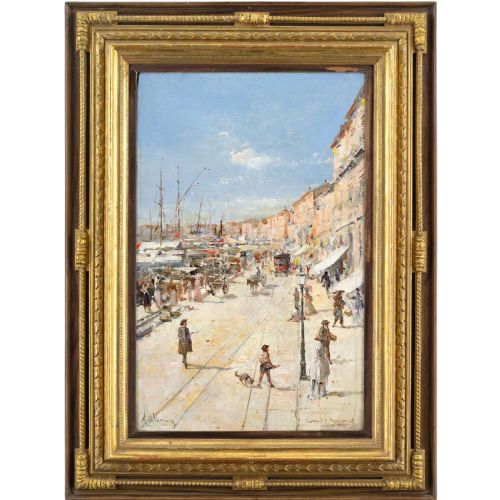
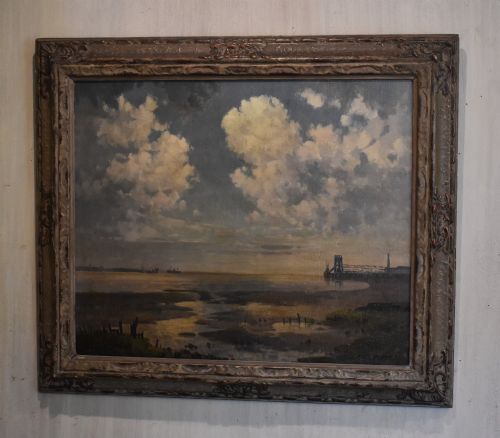
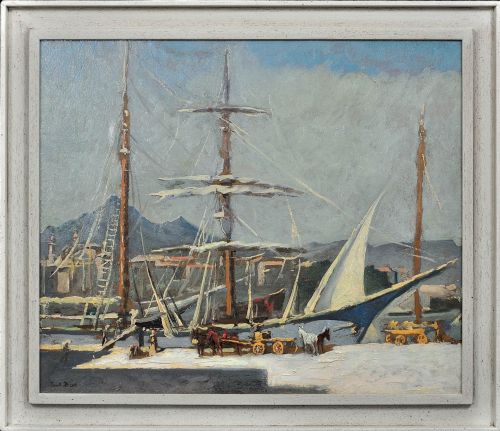
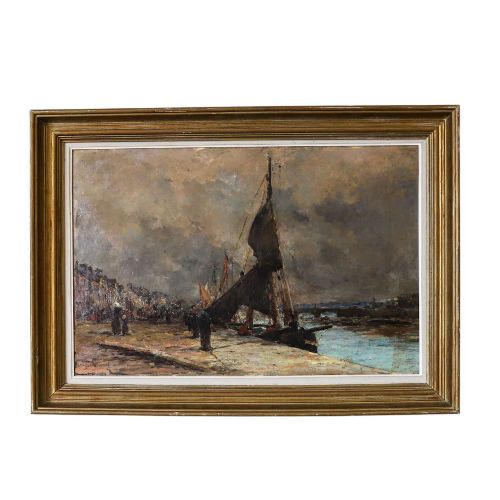
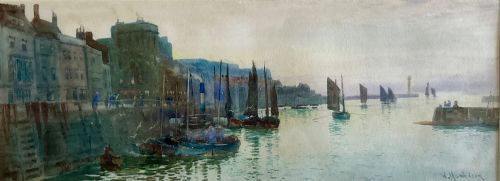
Buyers seeking vintage harbour landscape art encounter original works on paper, board, and canvas portraying coastal activities, docks, and coastal villages. These pieces span from the late nineteenth century through the mid-twentieth century, capturing domestic fishing ports and international ports alike.
Artisans and painters of these works employ various stylistic approaches ranging from traditional maritime views to British impressionism and post-impressionism. Many items preserve specific regional topography, historical dockyards, and everyday maritime labour.
Materials and methods
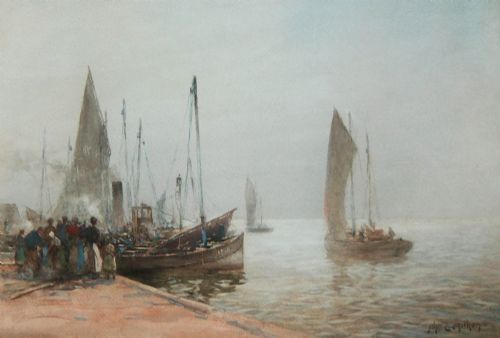
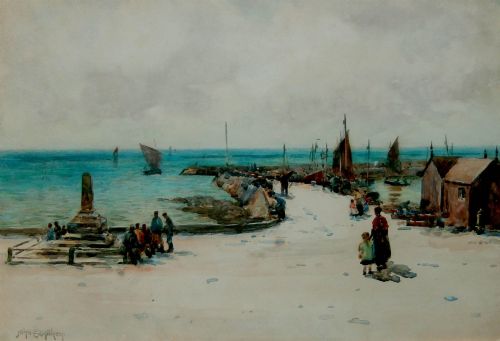
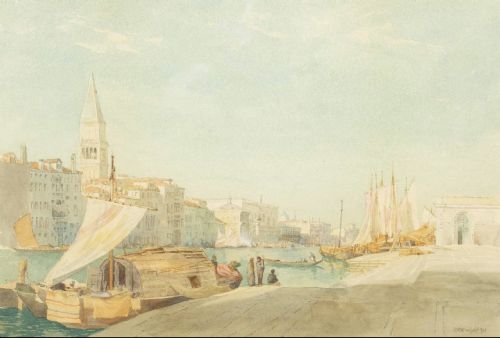
Painters applied oil paint to stretched canvas, wood boards, or paper to build textured surfaces that withstand ageing. Watercolour pigments were brushed onto heavy paper sheets to achieve translucent washes of coastal light and sky.
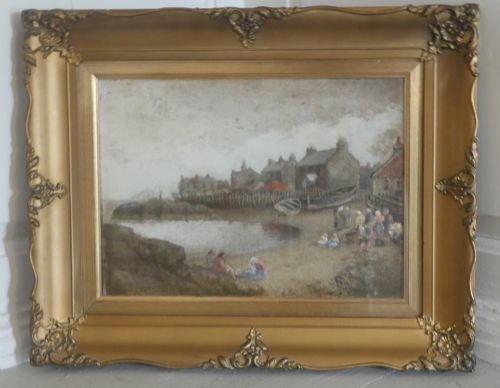
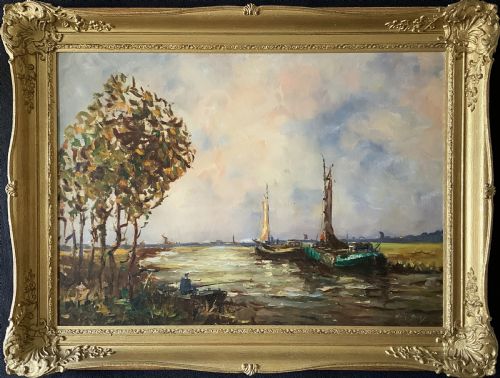
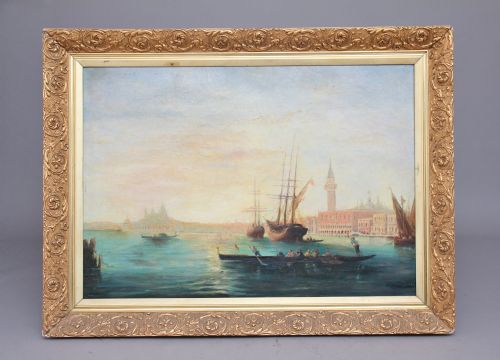
Many historical frames utilise wood and glass to protect the painted surface or paper underneath from environmental moisture and dust accumulation. Gilt frames often complement nineteenth-century and early twentieth-century oil paintings.
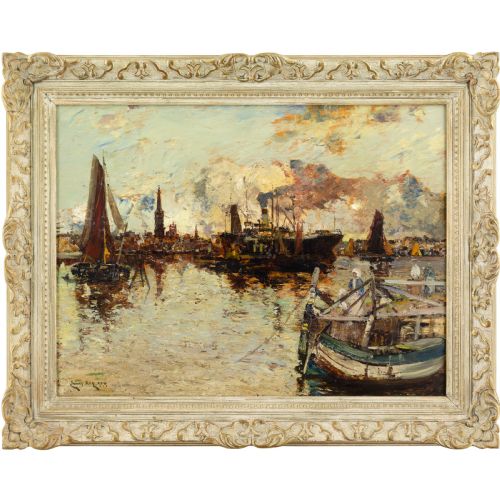
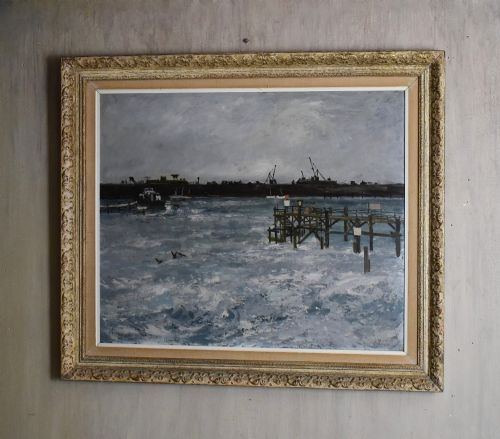
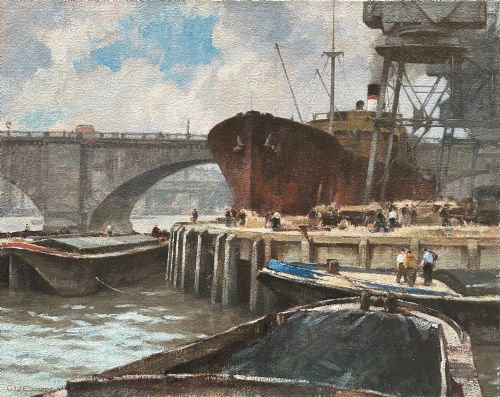
Artists captured coastal atmospheres using varied brushwork, from fine watercolour detailing in harbour views to impasto oil applications in mid-century coastal scenes.
Several artists braved wartime bomb sites and restless tides just to get the rigging of a fishing boat precisely right.
Factors determining quality
Quality in these artworks rests upon the artist's ability to handle light, water, and atmospheric perspective within a constrained coastal palette. Superior pieces demonstrate confident brushwork and accurate structural rendering of rigging, hulls, and stone quays.
The integrity of the medium matters, with well-preserved oil paints showing minimal craquelure and watercolours retaining their original pigment vibrancy without excessive fading. Original framing and documented artist attribution further elevate the standing of a piece.
James E. Aitken·Augusto Alberici·William Banks Fortescue·Paul Bret·Clive Browne·Kenneth Cozens·James Fry·James Kay·Fred Lawson·William Matthison·Jean-Baptiste Olive·George F Pennington·Fred Pailhes·Raymond Picque·F A Roylance·Gyrth Russell·Arthur Tucker·George Turland Goosey·Adrian Van Porten·Fred Waugh·William Edward Webb·Richard Henry Wright
The Vintage Harbour Landscape Art Glossary
- Impasto
- Paint applied thickly to a canvas or board so that it stands out from the surface. This technique leaves visible brush strokes that add texture to water and sky.
- Gilt frame
- A wooden picture frame covered with a thin layer of gold leaf or metallic gilding. These frames are common on nineteenth-century and early twentieth-century oil paintings.
- Watercolour
- A painting method in which the paints are made of pigments suspended in a water-based solution. Artists use this medium on paper to achieve delicate washes.
- Maritime landscape
- An artwork depicting the sea, ships, harbours, or coastal architecture. This genre documents historical ports, fishing fleets, and coastal trade.
- Board
- A rigid flat sheet of wood or compressed material used as a painting support instead of woven canvas. Oil painters frequently utilised boards for smaller outdoor studies.
Vintage Harbour Landscape Art: Frequently Asked Questions
What subjects appear in these paintings?
These artworks primarily depict coastal harbours, fishing boats, dockyards, and tidal estuaries. Scenes range from bustling commercial ports in Britain and Europe to quiet coastal inlets.
Artists frequently documented specific historical locations, including Yorkshire fishing villages, Cornish harbours, and Mediterranean waterfronts.
How do I care for a watercolour?
Watercolour paintings require protection from direct sunlight to prevent the pigments from fading over time. Keeping them behind glass in a stable environment avoids moisture damage to the paper support.
Displaying these works away from direct heat sources helps preserve the paper and mounting materials.
How are different periods identified?
Stylistic clues, framing choices, and artist signatures help determine the age of a piece. Edwardian and Victorian works often feature traditional detail, while mid-century pieces display broader brushwork.
Materials such as board type, canvas preparation, and paper watermarks offer further evidence of a painting's chronological origin.
Where were these coastal scenes painted?
Painters travelled to active maritime centres across Britain, capturing ports in Cornwall, Yorkshire, and Scotland. Others journeyed to continental Europe to record scenes in France, Italy, and the Netherlands.
Many artists worked outdoors directly on the quayside to capture accurate local light and weather conditions.