






Coastal Oil on Board
A coastal oil on board captures maritime views and harbour scenes directly on rigid supports, offering direct painterly immediacy for your walls.
Coastal Oil on Board
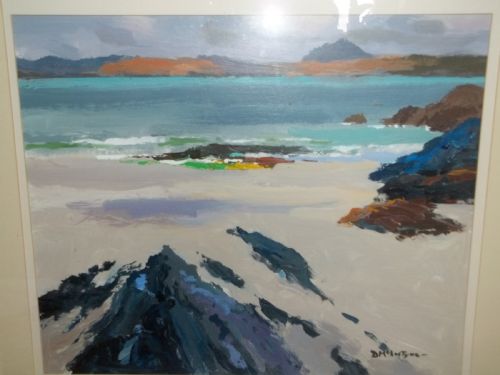
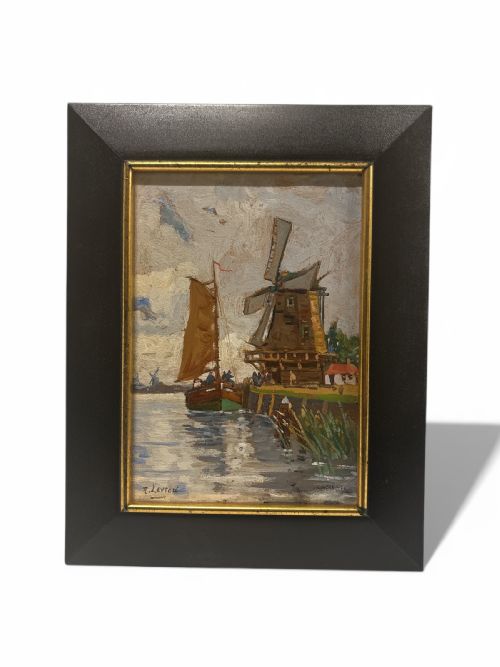
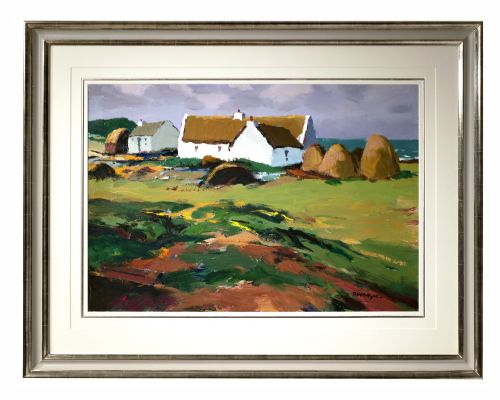
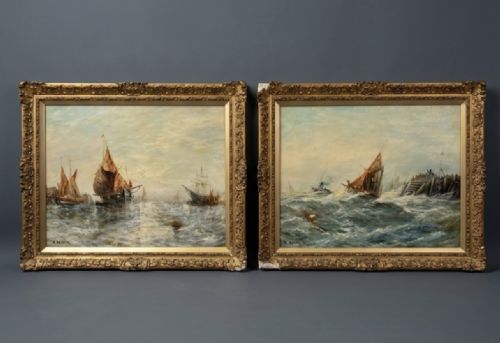
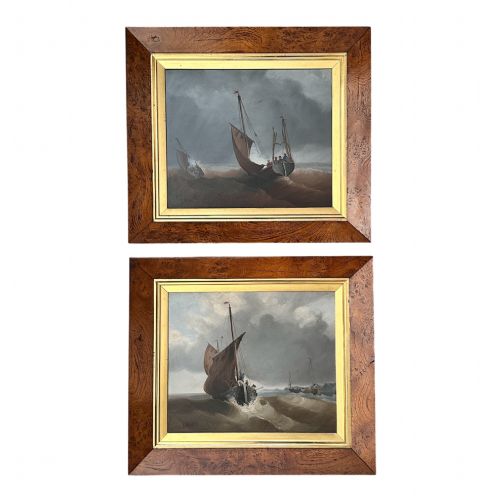
When you search for coastal oil on board, you find paintings depicting maritime subjects, harbours, and shores executed directly onto rigid panels rather than stretched fabric. These works span from the Victorian era through the mid twentieth century, encompassing British, French, and wider European coastal scenes.
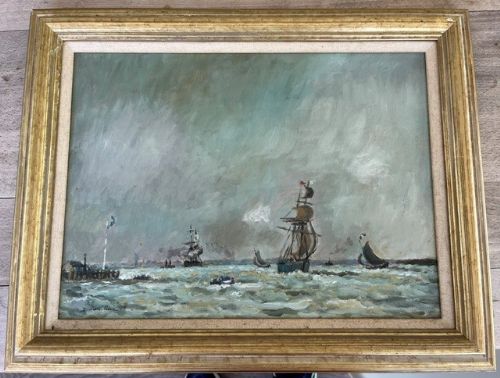
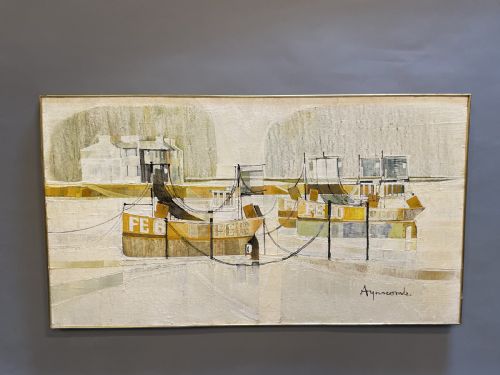
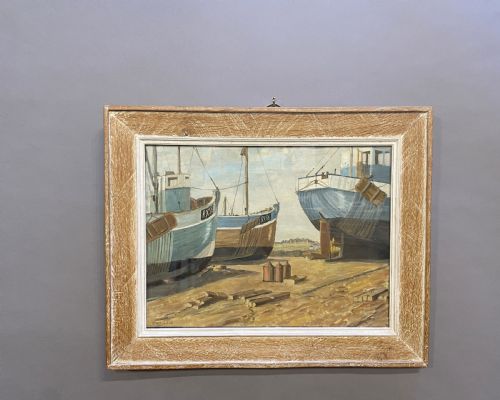
You are most likely to meet mid twentieth century examples on this page, often dated to the 1950s or 1960s, alongside nineteenth century maritime pieces. Common subjects range from fishing boats and choppy seas to quiet beach scenes and piers.
The physical support is typically wood or board, sometimes framed in gilt wood, holding oil paint applied by brush or palette knife. These paintings scale from intimate topographical views to larger framed compositions.
Materials and technique
Artists painted these coastal scenes using oil paint applied to wooden boards or panels, utilising the rigidity of the support for direct, textured application. Pigments were often laid on thickly, creating impasto surfaces that capture the rough movement of sea and weather.
Many works are housed in period wooden frames, occasionally finished with gilt, which protect the edges of the board and complement the maritime subject matter. The combination of oil medium and sturdy board allowed artists to paint outdoors on location along the coast.
Several artists braved choppy northern seas and windy British cliffs just to capture a single harbour wave before lunch.
Distinctions in quality
The strength of a coastal oil on board rests on the artist's handling of light, atmosphere, and the energetic movement of water. Skilled brushwork or expressive impasto brings a sense of immediacy to the scene, distinguishing accomplished maritime works from routine topographical records.
Provenance and clear attribution also elevate certain pieces, particularly when signed by known painters associated with recognised regional schools or exhibited through established galleries. The harmony between the painting and its original frame further contributes to the overall integrity of the piece.
Kenneth Cozens·Donald McIntyre·Erich Mercker·John Moore of Ipswich·James Fry·William J B Jenkins·James Kyd·John Bell·Walter Holmes·Donald Wood·Markey Robinson·William Burns·Thomas Hasted Heath·Robert Ernest Roe·Garstin Cox
The Coastal Oil on Board Glossary
- Board
- A rigid flat support made of wood or manufactured material used instead of stretched canvas. Painters favoured boards for their stability and ease of outdoor sketching.
- Impasto
- Paint applied thickly to a surface, standing out in relief from the board. This technique builds texture to suggest crashing waves or shifting clouds.
- Gilt wood
- Wood carved and covered with a thin layer of gold leaf or metallic paint. Frames of this finish frequently enclose nineteenth and twentieth century paintings.
- Seascape
- A work of art depicting the sea, coastlines, ships, or marine views. These compositions form the core of the maritime paintings recorded here.
Coastal Oil on Board: Frequently Asked Questions
What is a coastal oil on board?
These works are paintings executed in oil paint upon rigid wooden panels or boards, focusing on maritime views, harbours, and shores. They capture seascapes from various historical periods.
Artists used this medium because the firm backing allowed for outdoor painting and expressive brushwork directly onto the support.
How do I hang and display them?
Most pieces come in period wooden or gilt frames suited to their era, ready to be hung directly on your wall. Ensure they are placed away from direct sunlight and excessive moisture to protect the oil paint.
Consider eye level placement in rooms with neutral lighting to best appreciate the texture of the brushwork and the depth of the coastal scene.
How do I tell Victorian pieces apart from mid century ones?
Victorian maritime works typically feature traditional rigging, detailed shipping, and dark, restrained palettes suited to nineteenth century academic standards. They often convey a narrative or documentary feel.
Mid twentieth century pieces, by contrast, lean towards impressionistic brushwork, simplified forms, and brighter palettes influenced by post war modernism and plein air observation.
Were these painted outdoors?
Many coastal paintings of this type were executed outdoors on location, a practice made practical by using rigid boards instead of large canvases. Painters could easily carry small boards down to cliffs, harbours, and beaches.
This direct method allowed artists to capture changing weather, choppy seas, and fleeting coastal light before conditions shifted.