


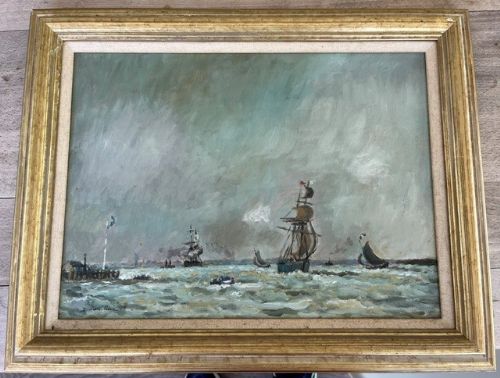
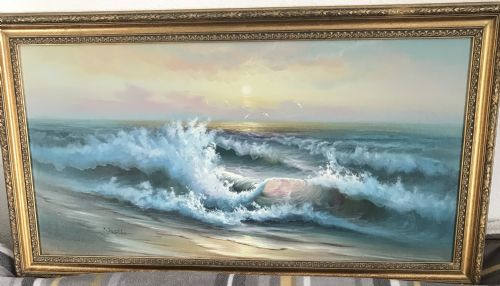
Original Marine Oil Painting
An original marine oil painting captures the changing mood of the sea and the enduring work of coastal life across centuries of maritime history.
Original Marine Oil Painting
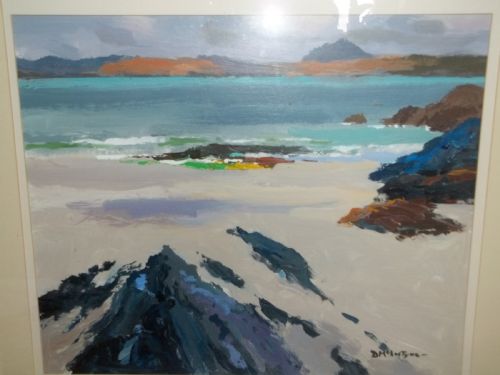
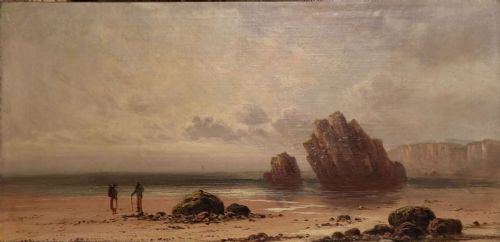
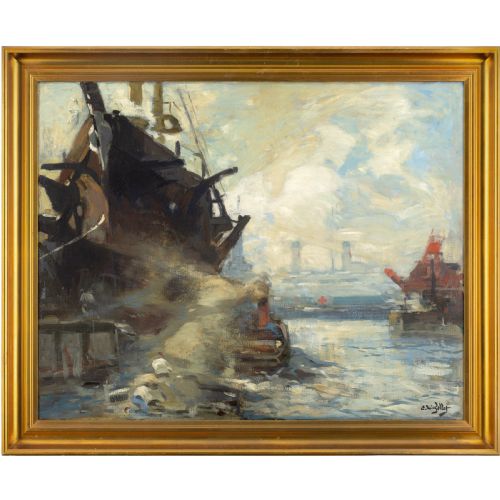
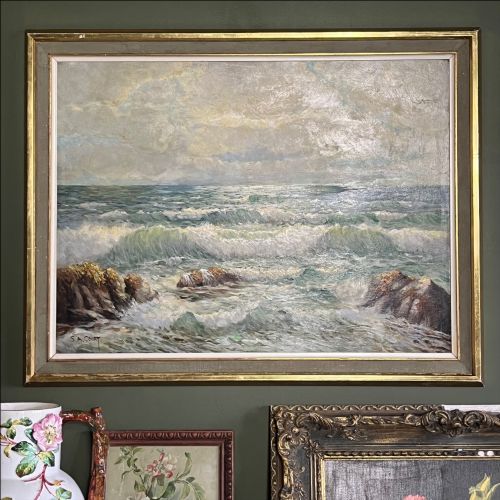
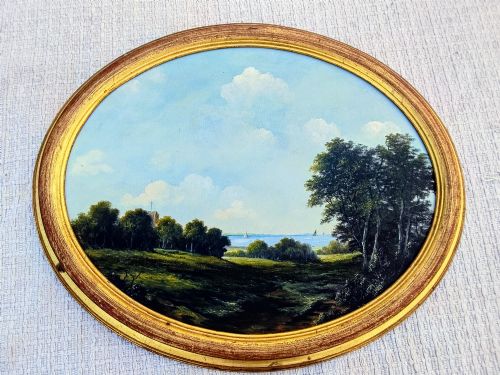
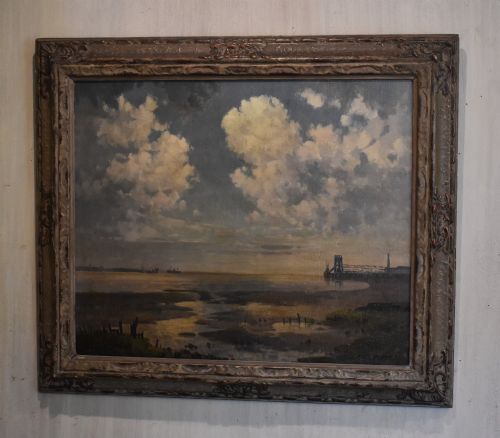
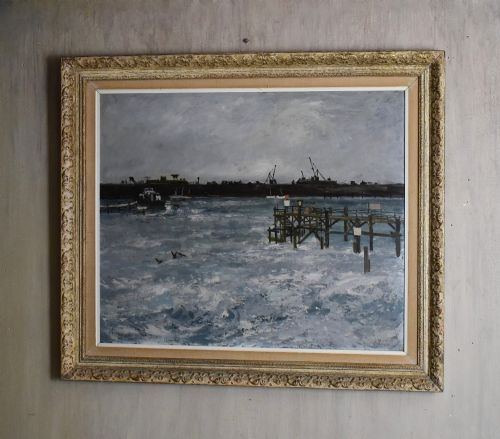
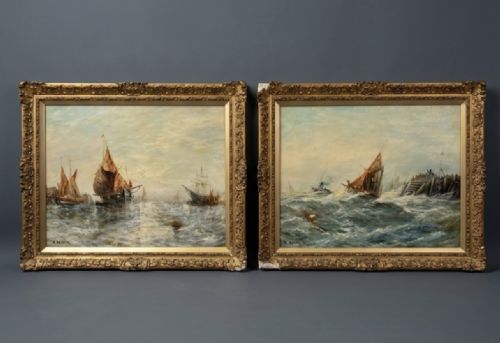
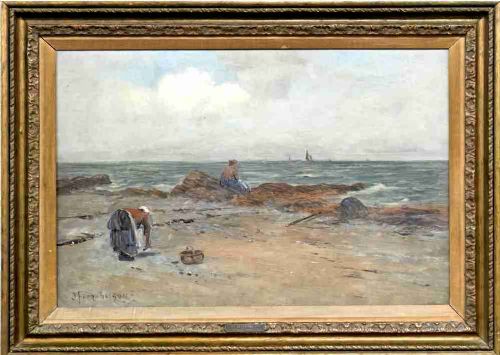
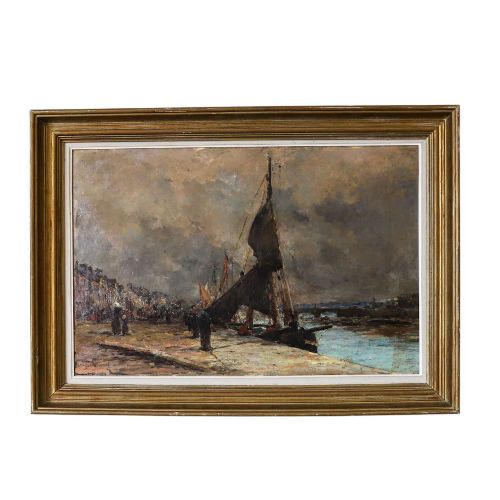
An original marine oil painting represents coastal views, harbour scenes, stormy seascapes, and working vessels rendered by artists working from the nineteenth century through the mid-twentieth century. These works document maritime history, featuring local fishing boats, commercial barges, and rugged shorelines painted in both British and continental European traditions.
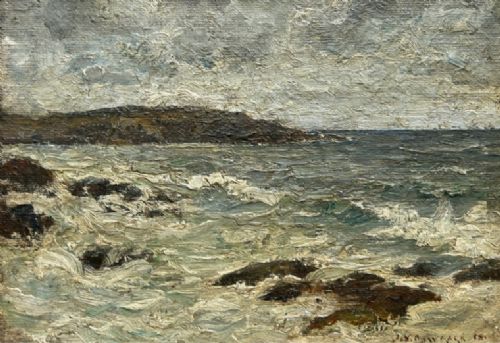
Buyers browsing this selection frequently encounter nineteenth-century canvases framed in gilt wood alongside mid-century board paintings executed in more modern impasto techniques. The subjects range from quiet tidal inlets and French coastal harbours to dramatic depictions of rough seas and rescue vessels.
The assortment spans traditional Victorian maritime views, post-impressionist interpretations of light on water, and mid-century modernist coastal scenes. Each piece records a specific interaction between human endeavour and the marine environment.
Materials and methods
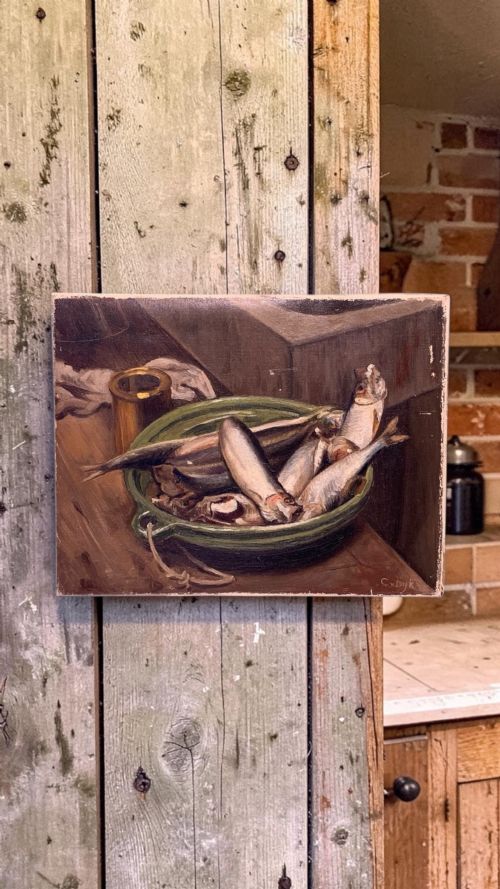
Artists painted primarily with oil paint upon stretched canvas, prepared wooden boards, artist panels, or card supports. These mediums allowed painters to build rich surface textures and capture subtle variations in light across water and sky.
Many works were executed en plein air directly on the coast to capture shifting atmospheric conditions before being housed in decorative gilt wood frames. The combination of oil pigments and sturdy physical supports has ensured the survival of these coastal scenes across generations.
Listings feature works spanning the nineteenth, twentieth, and mid-century periods, utilising oil on canvas, wood panel, and board.
Distinguishing quality in maritime art
Quality rests upon the artist's handling of light, atmosphere, and the movement of water rather than the mere subject matter depicted. Superior compositions demonstrate a confident command of tone and perspective, effectively conveying the weight of waves and the vastness of skies.
The integrity of the original surface, the sensitivity of the brushwork, and the appropriateness of the surrounding frame contribute significantly to the standing of any given painting. Works bearing clear signatures or provenance tied to recognised maritime painters carry distinct historical weight.
Kenneth Cozens·Clifford Hanney·Eugène-Louis Gillot·Sidney A. Court·Clive Browne·Peter Brannan·Joseph Farquharson·Bernard Benedict Hemy·Walter Goodin·Abraham Hulk I·Charles Napier Hemy·Louis Suire·Gustave Vidal·James Fry·Norman Lloyd·Gustave De Bréanski·James Kyd·Adrian Van Porten·Edward Henry Eugene Fletcher·William Greaves·Charles Malfroy·Edward Seago
The Original Marine Oil Painting Glossary
- Impasto
- Paint applied thickly to a canvas or board so that it stands out from the surface, leaving visible brush or palette knife strokes. This technique adds tactile depth and energy to representations of crashing waves and rough weather.
- En plein air
- The practice of painting outdoors to capture direct observations of natural light and weather. Painters working by the shore used this method to record transient coastal conditions.
- Seascape
- A work of art depicting the sea, coastal views, or maritime activities. These compositions focus primarily on marine environments rather than land-based scenery.
- Gilt wood
- Wood coated with gold leaf or a gold-coloured metallic finish to create an ornamental frame. Such frames often complement the tonal qualities of nineteenth-century and early twentieth-century canvases.
Original Marine Oil Painting: Frequently Asked Questions
How should I hang an oil painting?
Hang your painting away from direct sunlight and damp environments to protect the canvas and the underlying oil pigments.
Ensure the wall fixings are secure and appropriate for the weight of the framed artwork.
What is the difference between canvas and board?
Canvas is fabric stretched over a wooden frame, offering slight flexibility and a traditional woven texture.
Board provides a rigid flat surface that painters often used for smaller en plein air studies.
How do I date a marine painting?
Examine the style of the brushwork, the framing materials, and the clothing or vessel types depicted within the scene.
Signatures, exhibition labels, and inscriptions on the reverse often provide definitive dates or active periods for the artist.
How do I clean an antique oil painting?
Dust the surface gently with a soft, dry brush and avoid using water, household cleaners, or solvents on the paint layer.
Consult a professional conservator for any deeper cleaning or varnish removal.