


Green Coastal Oil Painting
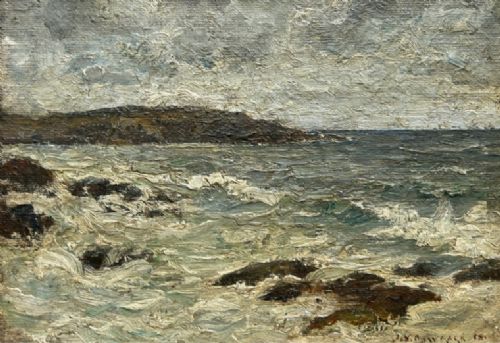
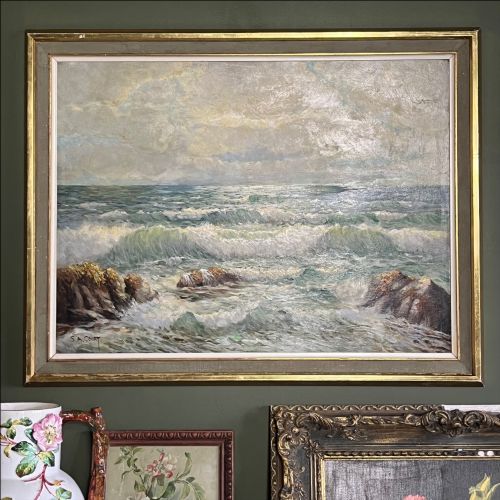
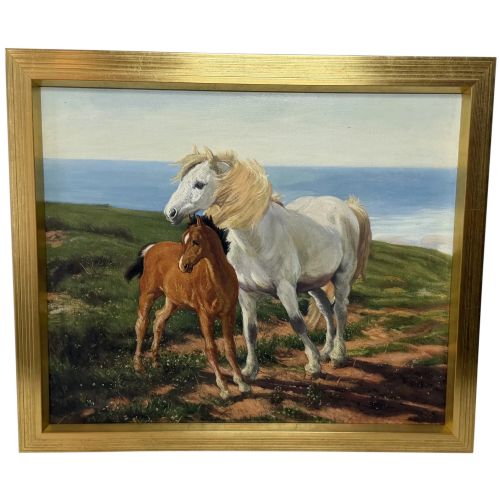
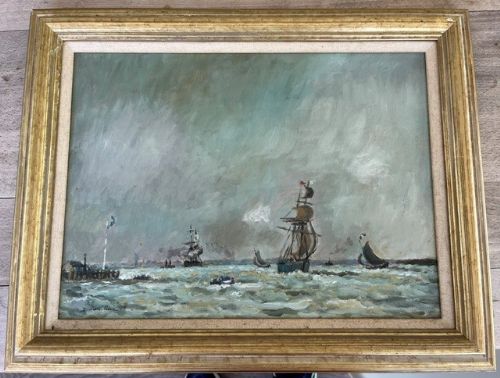
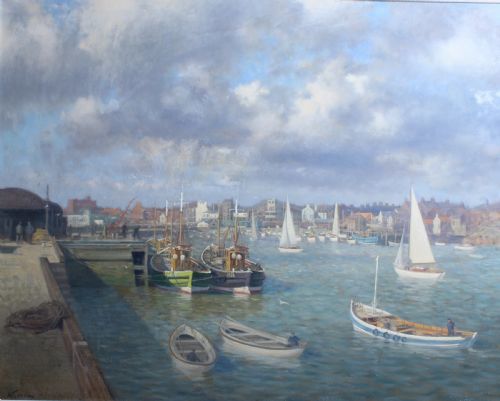
A green coastal oil painting captures the rugged shores and shifting tides of maritime Britain through layered pigments.
Green Coastal Oil Painting
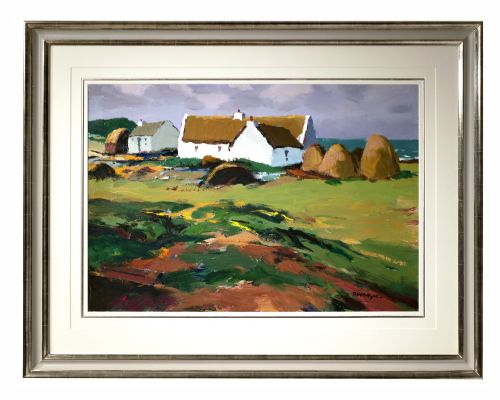
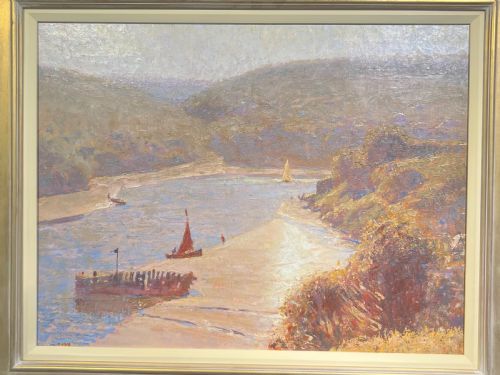
A green coastal oil painting encompasses marine views, harbour scenes, and cliff landscapes produced across the nineteenth and twentieth centuries. These works record specific stretches of coastline, from Cornish fishing villages to Yorkshire bays, rendered by artists working in British Impressionist and Modern British traditions.
Most examples encountered here date from the Victorian era through the mid-twentieth century, reflecting regional plein-air traditions. Painters utilised oil on canvas or board to capture the particular light and atmosphere of maritime environments, often employing textured impasto to build up the movement of water and turf.
How they were made
Artists built these coastal scenes using oil paint applied to prepared canvas, wood panel, or board. The medium allowed for slow blending and deep saturation, suited to depicting the grey-green tones of northern seas and coastal vegetation.
Many works incorporate impasto technique, where thick layers of pigment stand proud of the surface to describe sea foam, churning waves, and rocky clifftops. Supporting structures typically include wooden stretchers and original gilt frames that complement the tonal range of the canvas.
A shipwrecked St Bernard dog makes a dramatic appearance off New York, proving that coastal drama extends far beyond calm harbour walls.
What varies in quality
The strength of a coastal oil painting relies upon the artist's handling of light, atmosphere, and spatial depth. Superior works convey the palpable moisture of sea air and the weight of water through confident brushwork rather than rigid adherence to detail.
Compositional balance and the preservation of the original paint surface determine the distinction between standard topographical records and compelling artistic interpretations. The relationship between the painted scene and its period frame also influences the integrity of the piece.
Donald McIntyre·Walter Goodin·Joseph Edward Hennah·Helen Layfield Bradley·James Fry·William Lambert Bell·Walter Meegan·Charles Jones
The Green Coastal Oil Painting Glossary
- Impasto
- Paint applied thickly to a canvas or board, standing out in relief from the surface so that the marks of the brush or palette knife remain visible. This technique adds tactile dimension to depictions of crashing waves and rough terrain.
- Plein air
- Painting executed outdoors directly in front of the subject rather than in a studio. This method allowed artists to capture transient effects of light and weather along the coast.
- Canvas
- A closely woven fabric stretched across a wooden frame to serve as a foundation for oil painting. It provides a flexible yet resilient surface that responds well to layered pigments.
- Board
- A rigid flat panel made of wood or compressed material used as a substitute for stretched canvas. It offers a firm surface favoured by artists working rapidly outdoors.
Green Coastal Oil Painting: Frequently Asked Questions
How do I identify the date of a coastal oil painting?
Dating relies upon stylistic markers, framing conventions, and artist biographies recorded in exhibition archives. The choice of clothing in figures or the specific pigment mixtures can also indicate whether a work belongs to the Victorian period or mid-twentieth century.
Porter stamps on the reverse of canvases or maker marks on boards frequently provide additional clues. Comparing the handling of the subject to known dated works by the same hand narrows the timeline further.
Where were these marine landscapes typically displayed?
These paintings were traditionally hung in domestic reception rooms, smoking rooms, or marine offices to bring distant views of the sea indoors. Their subject matter appealed to collectors with personal connections to specific ports and coastal holiday destinations.
During the nineteenth and twentieth centuries, regional exhibitions also provided a primary venue for showing these works before they entered private collections.
How should I care for an oil painting on board or canvas?
Preservation requires stable indoor humidity and protection from direct sunlight to prevent the oil paint from cracking or fading. Dust should be removed gently from the surface with a soft, dry brush without applying pressure.
Original frames benefit from similar care, avoiding harsh cleaning agents that might damage historical gilt surfaces. Professional conservation should be sought for any structural repairs to the canvas or panel.
What distinguishes a regional British coastal school?
Regional schools are defined by the specific coastal communities where artists gathered, such as Newlyn in Cornwall or various ports along the Yorkshire coast. These groups developed shared palettes and techniques inspired by local weather patterns and maritime industries.
Works from these areas often document specific topographical landmarks alongside local fishing vessels and inhabitants engaged in daily labour.