


British Maritime Oil Artwork
British maritime oil artwork captures coastal scenes, bustling rivers and open seas through pigment laid down by brush over centuries.
British Maritime Oil Artwork
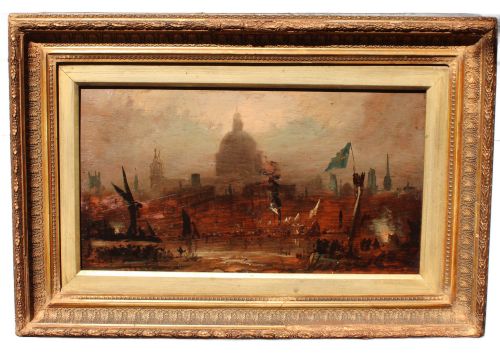
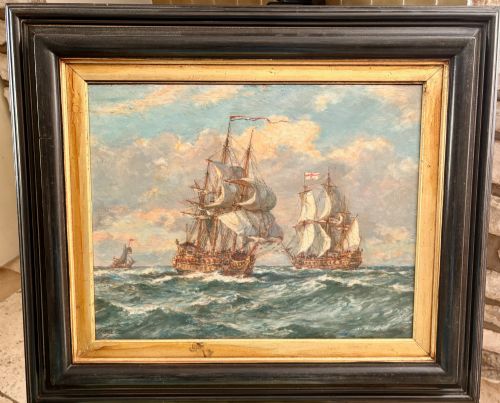
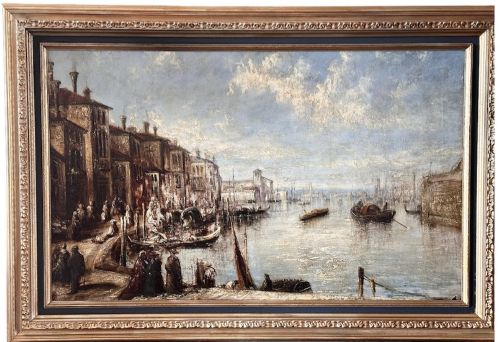
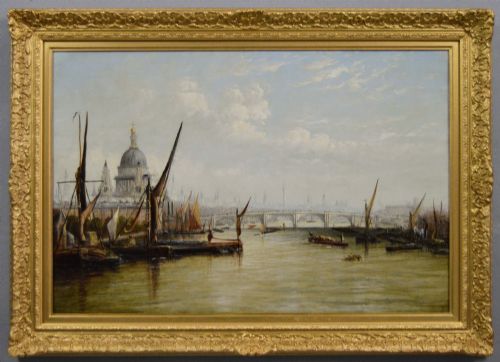
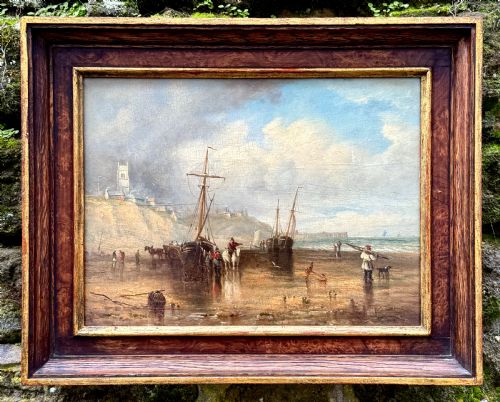
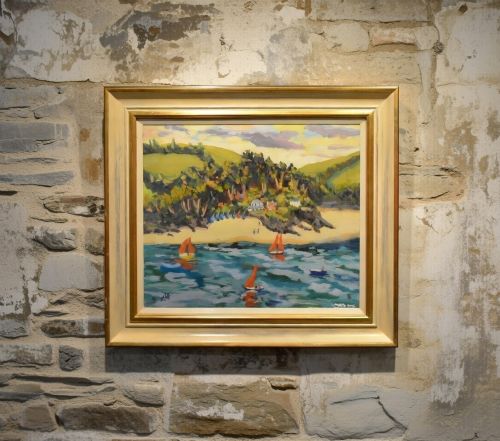
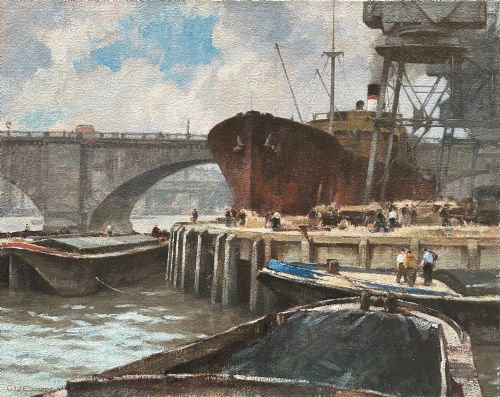
A british maritime oil artwork brings the historic waters, merchant vessels and coastal harbours of the British Isles into an interior space. These pieces capture everything from calm river scenes on the Thames to turbulent open seas with sailing ships.
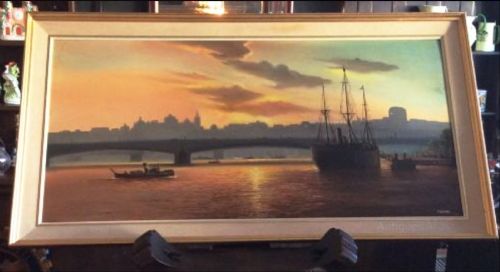
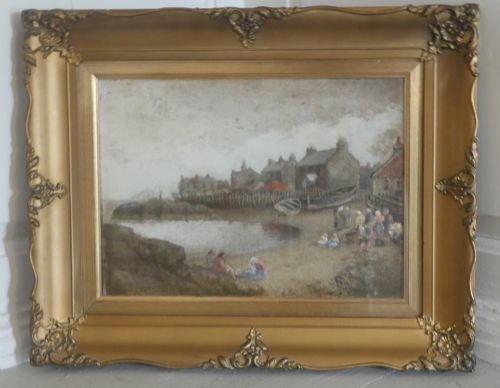
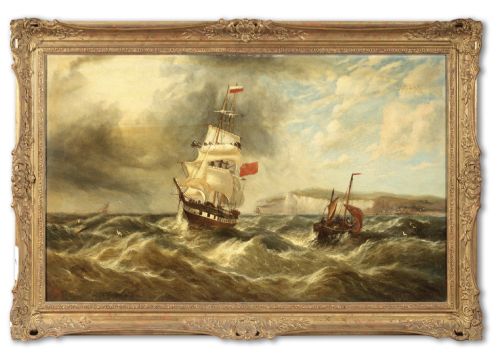
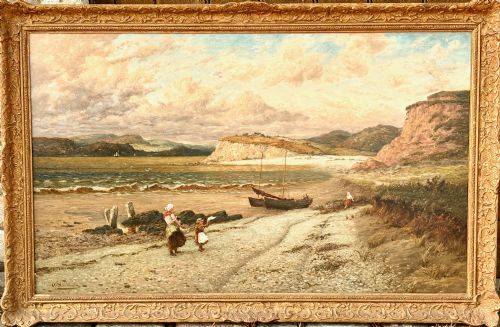
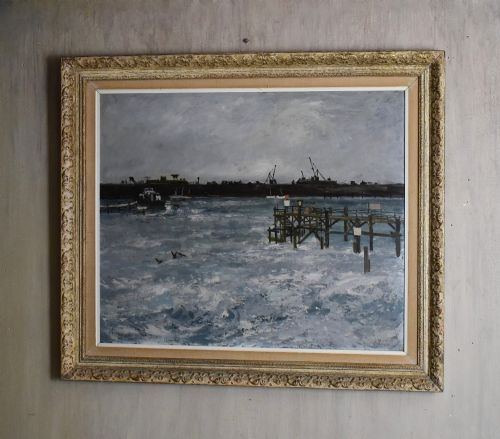
Most examples found here date from the nineteenth century or the Victorian period, though Edwardian and mid-twentieth-century works also appear regularly. Common subjects include fishing boats, coastal towns, river bridges and dramatic naval encounters.
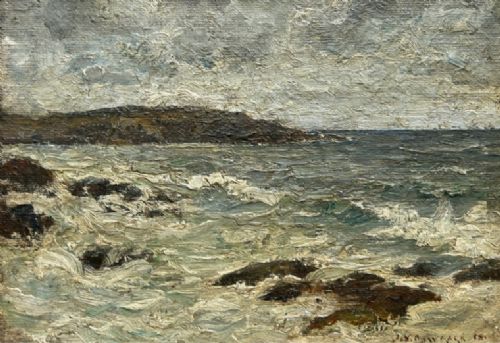
The format ranges from intimate oil studies on board to large framed canvases depicting expansive coastal panoramas. Collectors select these paintings for their historical documentation of maritime life and traditional coastal topography.
Quality variations
Quality rests upon the artist's command of light, atmosphere and marine anatomy, particularly the accurate rigging of ships and the movement of water. Superior works display a confident handling of pigment that creates a palpable sense of weather and depth.
Condition also plays a part, distinguishing pieces with original unlined canvases and intact historical frames from those with extensive overpainting or structural damage to the support.
Listings span periods from the eighteenth century to the mid-twentieth century, featuring canvas, wood, and oil paint.
Francis Moltino·John Wilson Carmichael·Charles Napier Hemy·Edward Seago·Donald McIntyre
The British Maritime Oil Artwork Glossary
- Impasto
- Paint applied thickly to a canvas, standing out in relief from the surface. This technique adds tactile texture to crashing waves and clouds.
- Panel
- A rigid wooden board used as a painting support instead of fabric. Artists often utilised panels for smaller outdoor studies.
- Seascape
- A work of art depicting the sea, coastal views or marine vessels. These compositions form the core of maritime painting traditions.
- Canvas
- Heavy woven fabric stretched across a wooden frame to form the primary painting surface. Oil paint adheres well to its textured weave.
British Maritime Oil Artwork: Frequently Asked Questions
How do I date an old painting?
Dating relies on examining the stretcher frames, canvas type, pigment composition and stylistic clues within the subject matter. Clothing styles, architectural details and ship designs often provide a narrow timeframe for the creation.
Signatures, dealer stamps and inscriptions on the reverse of the canvas or wooden panel also help establish the chronological context of the artwork.
Where should I hang a marine painting?
These works suit rooms with good natural light that does not create direct glare on the varnished oil surface. Placing them away from direct heat sources protects both the canvas and the historical gilt frame.
Many collectors pair marine artwork with traditional wood panelling, neutral wall colours or nautical libraries to enhance the historic atmosphere of the space.
What is the difference between canvas and panel?
Canvas provides a flexible woven fabric support that is stretched over a wooden frame, allowing for larger formats and subtle give under the brush. Panels offer a rigid wooden surface that resists punctures and movement.
Artists frequently chose panels for smaller, portable studies painted outdoors, while larger formal exhibition pieces were almost universally executed on canvas.