


William Greaves Artwork
William Greaves artwork captures northern landscapes through oil paint and pastel, offering a tangible connection to late Victorian and Edwardian Yorkshire.
William Greaves Artwork
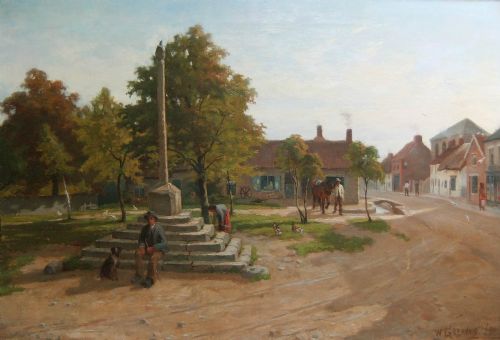
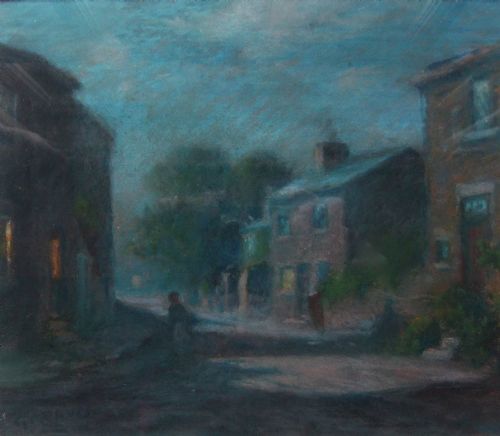
William Greaves artwork comprises landscape paintings and drawings documenting rural and coastal scenes primarily across Yorkshire, dating from the late nineteenth century into the twentieth century. These pieces record specific locations such as East Keswick, Filey, and Leeds, anchoring the output firmly in regional topography.
The dominant form met on this page is the oil painting on canvas or wood panel, accompanied by occasional pastel works on paper. Such pieces reflect regional realism and British Impressionism, capturing local churches, riversides, and rural routines without idealisation.
Materials and Methods
These works employ oil paint applied to canvas and wood, alongside pastel on paper, capturing light and atmosphere across northern landscapes. Pigments are handled to depict specific times of day, such as evening light or the close of day.
Support materials include canvas, wood, and paper, each providing a distinct surface texture that interacts with the paint or pastel medium. The physical construction relies on traditional stretched canvas and framed paper supports characteristic of the period.
William Greaves Artwork Retail Price Guide 2026
Typical asking prices for william greaves artwork among the pieces listed under this phrase on Sellingantiques today, from the lower quarter to the upper quarter. They describe what is for sale here now, not the wider market.
Materials span oil paint, canvas, wood, and pastel on paper, originating across periods from eighteen-eighty to nineteen-thirty.
Judging Quality in Regional Realism
Quality rests upon the handling of light and atmosphere within the landscape, distinguishing brisk atmospheric sketches from more resolved topographical compositions. Works capturing specific diurnal shifts, such as evening scenes, demonstrate a stronger command of tone.
The preservation of the paint surface and the clarity of regional details, from Yorkshire village streets to coastal brigs, determine the visual impact of each piece. Condition of the canvas and wood supports similarly influences the longevity of the composition.
William Greaves
The William Greaves Artwork Glossary
- British Impressionism
- A painting style focusing on light and transient effects, visible in northern landscape works from the late nineteenth and early twentieth centuries. It departs from strict academic finish to capture outdoor illumination.
- Victorian Realism
- An artistic approach depicting subjects as they appear in everyday life, evident in regional scenes of Yorkshire villages and rural labour. This style prioritises truthful observation over theatrical invention.
- Pastel
- A dry medium of powdered pigment bound into sticks, applied to paper to create textured coloured drawings. It offers immediate tonal gradation.
- Canvas
- A heavy woven fabric used as a surface for oil painting, stretched over a wooden frame. It provides a flexible yet durable support for pigmented oils.
William Greaves Artwork: Frequently Asked Questions
What periods do these paintings cover?
The works span from the eighteen-eighties through the nineteen-thirties, capturing late Victorian and Edwardian periods.
This timeframe encompasses shifts from regional realism towards British Impressionist treatments of northern landscapes.
Where are the locations depicted?
The scenes focus primarily on Yorkshire locations, including East Keswick, Filey, Leeds, Otley, and surrounding rural areas.
Specific local landmarks such as churches, mills, locks, and coastal brigs form the core subject matter.
What materials were used by the artist?
Pieces are executed using oil paint on canvas and wood supports, alongside pastel drawings on paper.
These standard late nineteenth-century artistic materials define the physical presence of the works.
How do these artworks reflect the local area?
They record rural communities, agricultural routines like haytime, and everyday Yorkshire topography before modern development.
Each titled piece serves as a specific geographical and historical document of northern life.