
Vintage Hand Knotted Carpet
A vintage hand knotted carpet brings enduring texture, pattern, and regional character to a room through centuries-old weaving traditions.
Vintage Hand Knotted Carpet
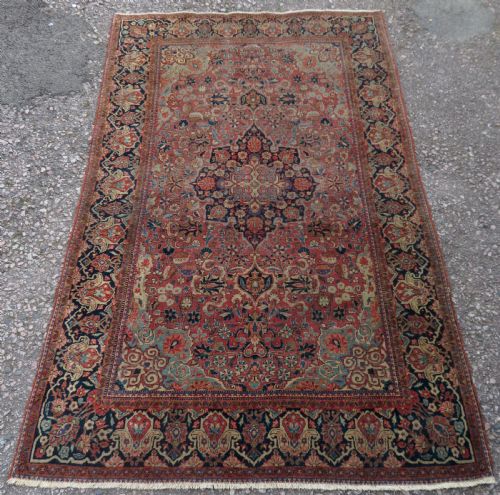
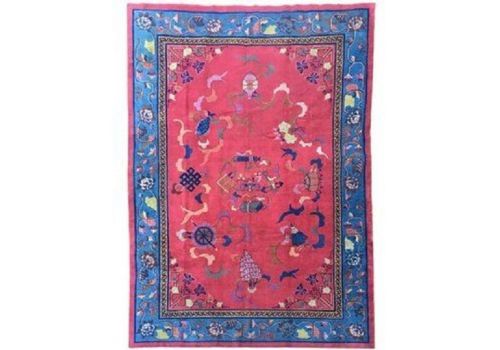
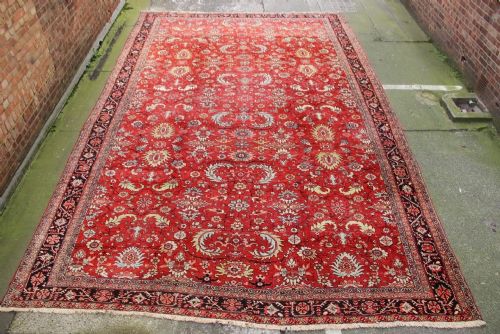
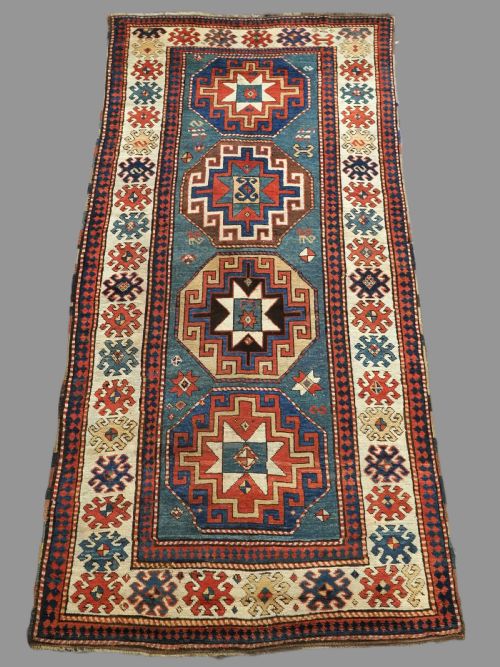
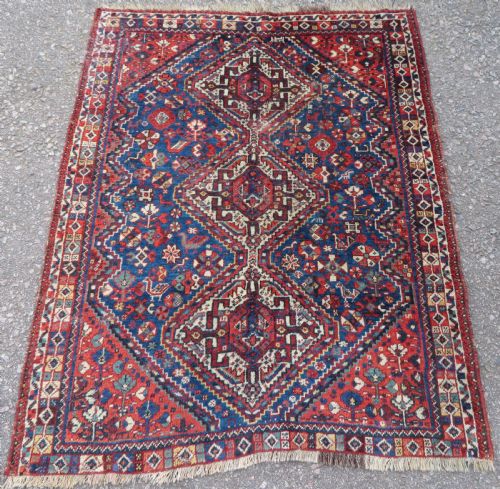
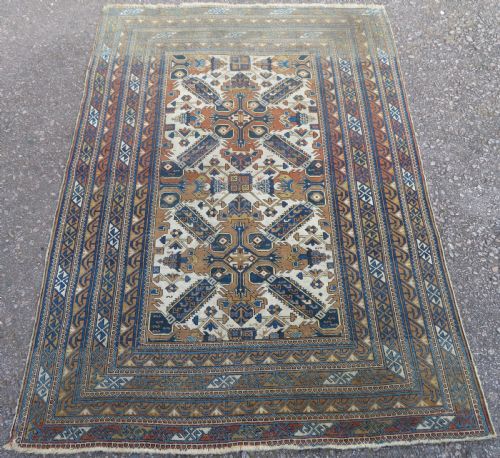
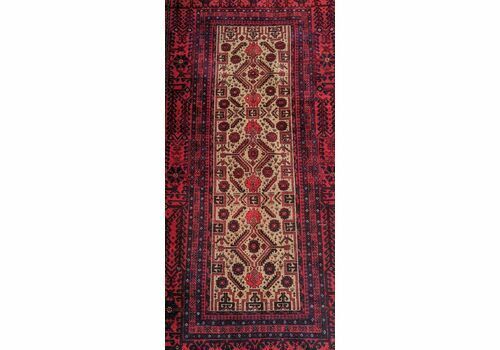
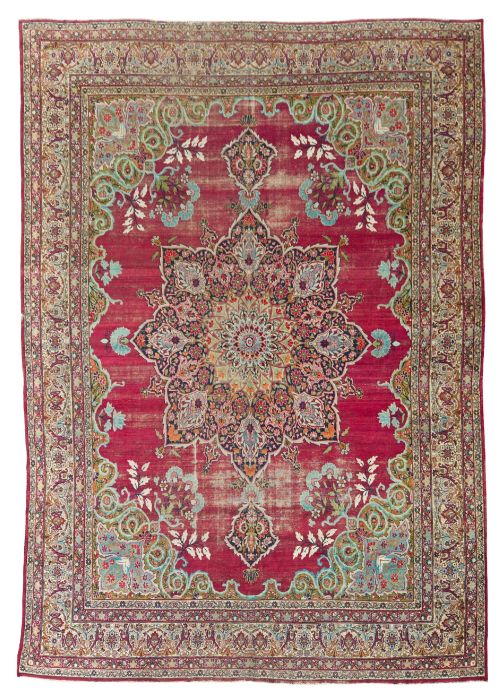
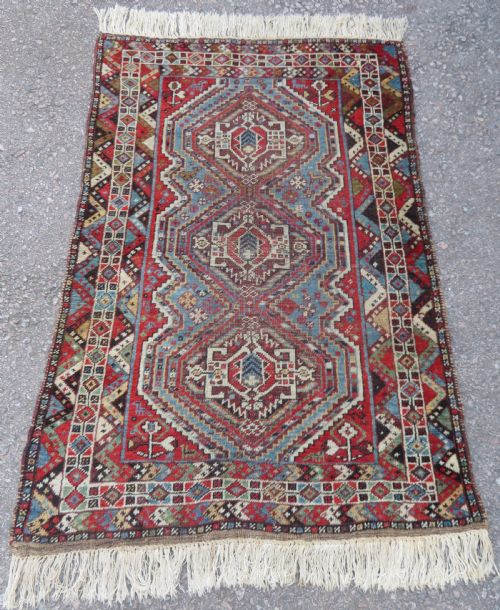
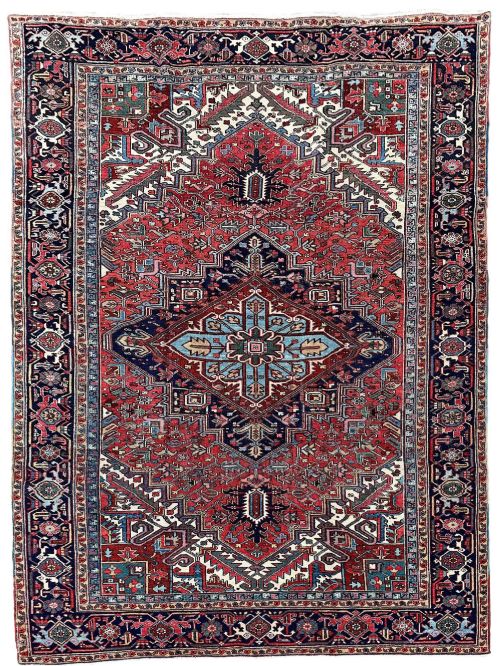
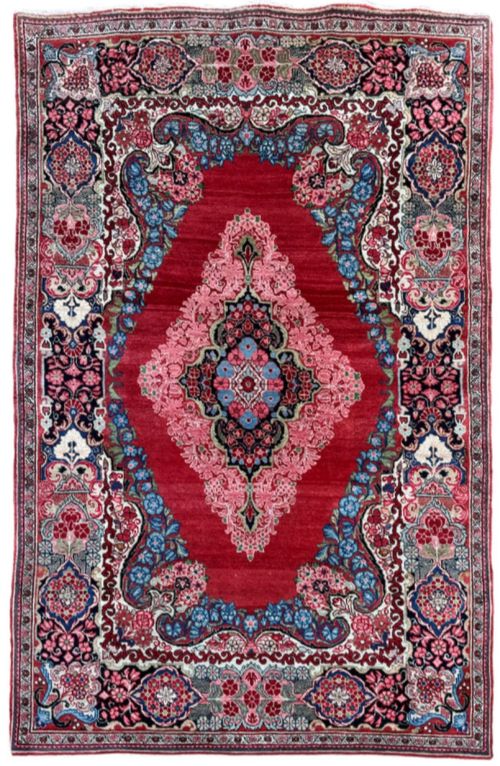
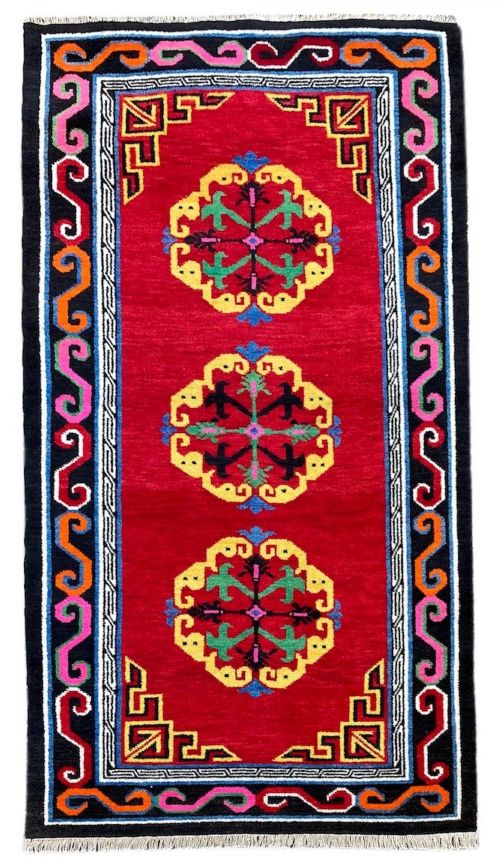
When searching for a vintage hand knotted carpet, buyers encounter a diverse selection of floor coverings originating from nineteenth and early twentieth-century weaving traditions. The inventory spans significant production centres across Persia, Turkey, Central Asia, and the Caucasus, alongside pieces from Tibet. Forms range from large area carpets and country house rugs down to narrow hallway runners, hearth-sized mats, prayer rugs, and saddle covers.
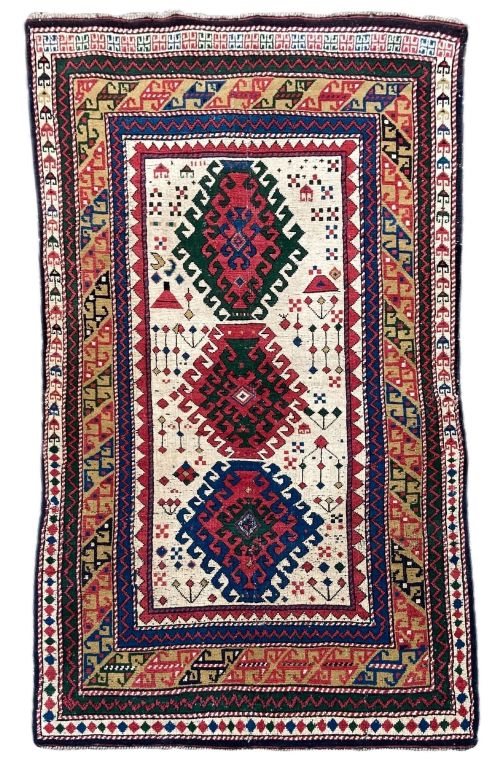
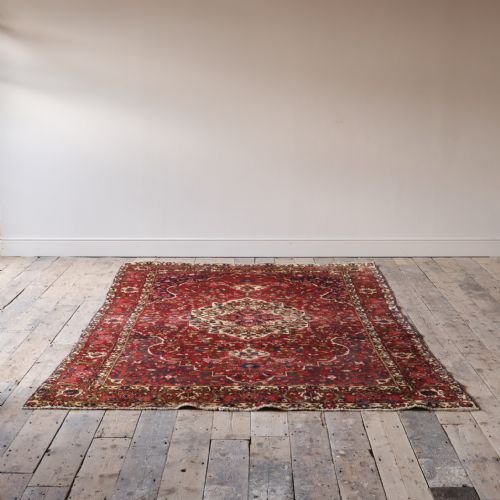
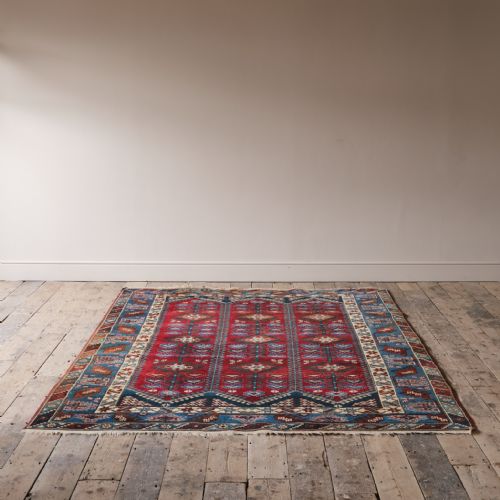
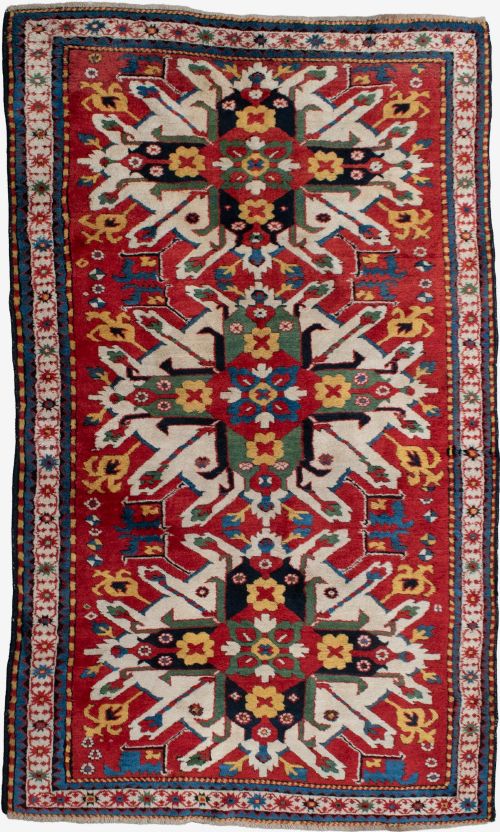
The most common examples on this page are Persian and Turkish village and tribal rugs dating from the late nineteenth century through to the 1930s. Pieces such as Heriz, Oushak, Saroukh, and Hamadan carpets sit alongside nomadic Turkmen, Baluch, and Caucasian Kazak productions. These floor coverings reflect the distinct tribal motifs, regional palettes, and local weaving practices of their specific geographical origins.
How they were made
The foundation of a vintage hand knotted carpet relies on natural materials, principally wool, cotton, and occasionally silk highlights. Weavers use hand-spun wool for its resilience and capacity to hold rich colour, often paired with cotton warps and wefts to provide structural stability to the textile.
Nomadic and village weavers construct these rugs entirely by hand, knotting individual tufts of yarn around the warp threads before securing them with packed weft rows. Many of these pieces utilise natural dyes derived from plants and minerals, creating harmonious tones that develop a rich patina over decades of use.
Saddle covers originally kept nomadic riders comfortable on long journeys before finding a second life as decorative wall hangings and small floor accents.
What varies in quality
The distinction between a standard floor covering and an exceptional textile rests upon the density of the knotting and the precision of the design execution. Tighter knots allow for sharper geometric or curvilinear detail, while skilful handling of natural dyes produces depth and nuance within the palette.
Artistic expression also separates regional pieces, as individual village and tribal weavers brought distinct interpretations to traditional motifs. A well-balanced composition, harmonious colour saturation, and intact original borders elevate a carpet beyond utilitarian production into an enduring work of textile art.
The Vintage Hand Knotted Carpet Glossary
- Warp
- The vertical threads stretched lengthwise on a loom that form the structural foundation of the carpet. Fringe ends typically emerge from these parallel strands.
- Weft
- The horizontal threads passed through the warp threads after each row of knots to pack the pile tightly into place. They stabilise the entire textile structure.
- Pile
- The upright yarn surface of the carpet formed by the cut ends of individual knots. This soft upper layer defines the texture and absorbs daily wear.
- Natural Dyes
- Colourants extracted from organic sources such as plants, insects, and minerals rather than synthetic compounds. They yield subtle, complex tones that age gracefully.
- Runner
- A long, narrow carpet format specifically proportioned for corridors, hallways, and stairs. These pieces guide movement through narrow architectural spaces.
- Prayer Rug
- A specialised rug featuring a mihrab or niche design pointing toward Mecca, historically used for daily Islamic prayer. Their smaller proportions often served domestic devotional needs.
Vintage Hand Knotted Carpet: Frequently Asked Questions
Where were these carpets made?
These textiles originate from historical weaving regions across Persia, Turkey, the Caucasus, Central Asia, and Tibet. Each area developed distinct geometric or floral repertoires tied to specific villages, nomadic tribes, and urban workshops.
Production methods varied according to local customs, ranging from sedentary town workshops weaving large symmetrical carpets to nomadic groups producing portable, expressive tribal rugs on horizontal looms.
How do I choose the right size?
Selecting the correct format depends on the proportions of the room and the intended function of the space. Large area carpets anchor central living spaces and dining furniture, while runners suit narrow hallways and transition zones.
Smaller formats such as hearth rugs or prayer rugs work well in compact rooms, bedside positions, or as concentrated accents within larger floor plans.
How do I care for a vintage carpet?
Regular gentle vacuuming without a rotating brush roll prevents dust and grit from settling deep into the wool pile. Professional specialist cleaning is recommended every few years to preserve the integrity of natural fibres and dyes.
Keeping the carpet out of direct, harsh sunlight prevents the fading of natural plant and mineral colours, ensuring the wool retains its rich tone over time.
What is the difference between village and tribal rugs?
Tribal rugs are woven by nomadic or semi-nomadic groups using memory-based geometric patterns, asymmetrical designs, and portable looms. Their motifs reflect ancestral symbols and clan heritage.
Village rugs are produced by settled communities in fixed locations, often incorporating more structured medallions, floral elements, and consistent borders influenced by regional market traditions.