
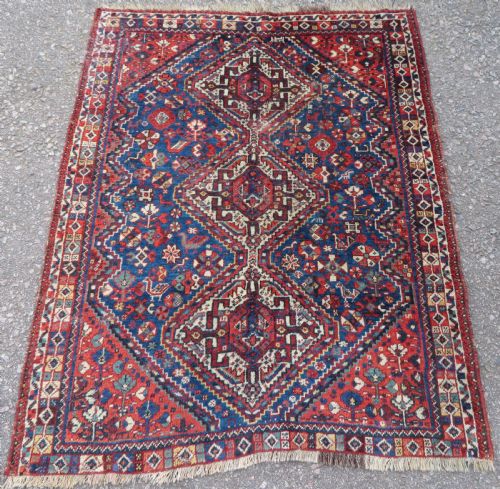
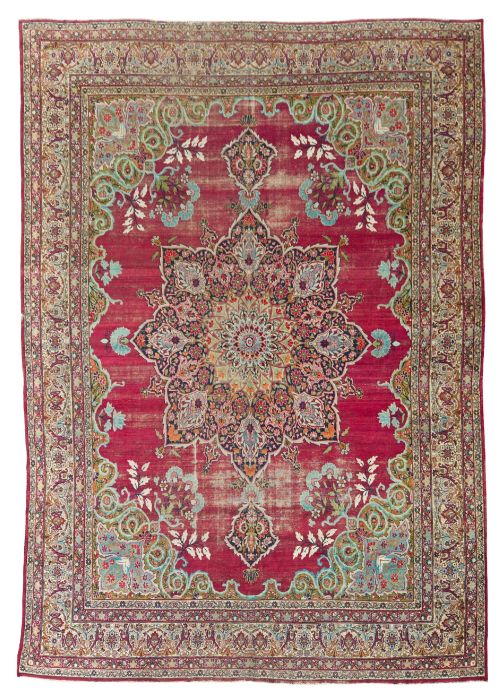
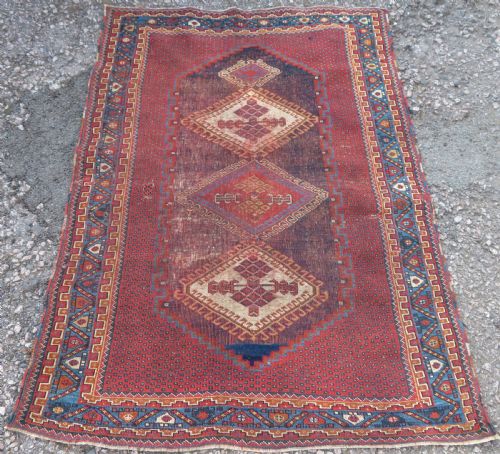
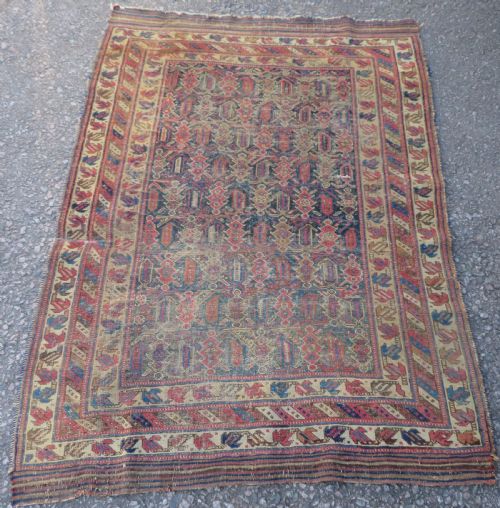
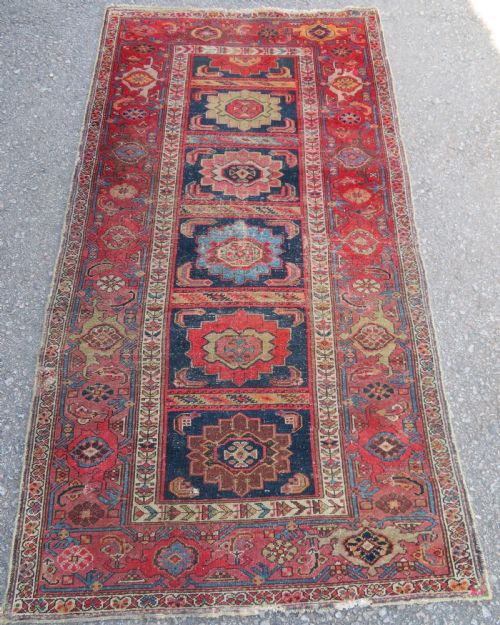
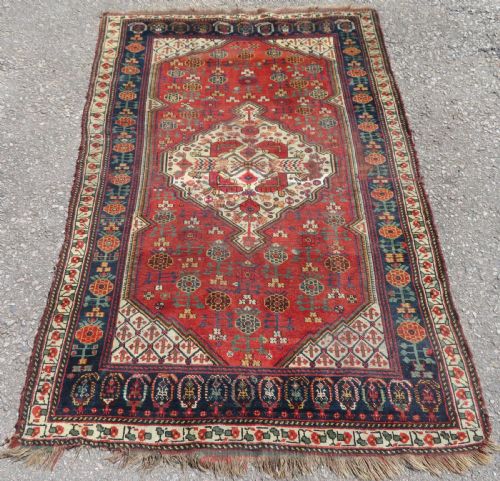
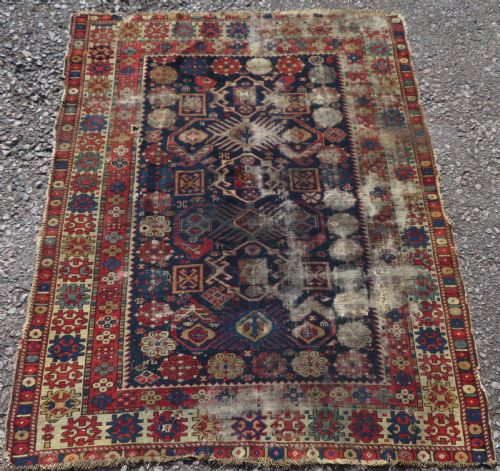
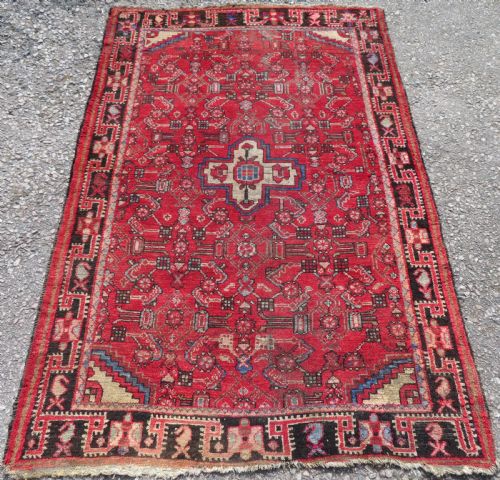
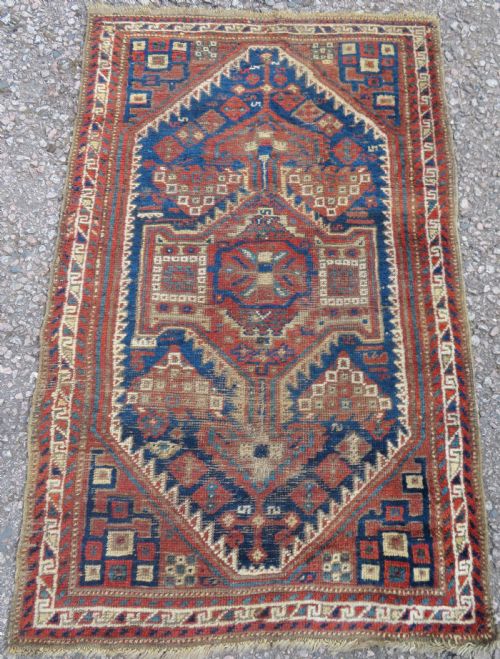
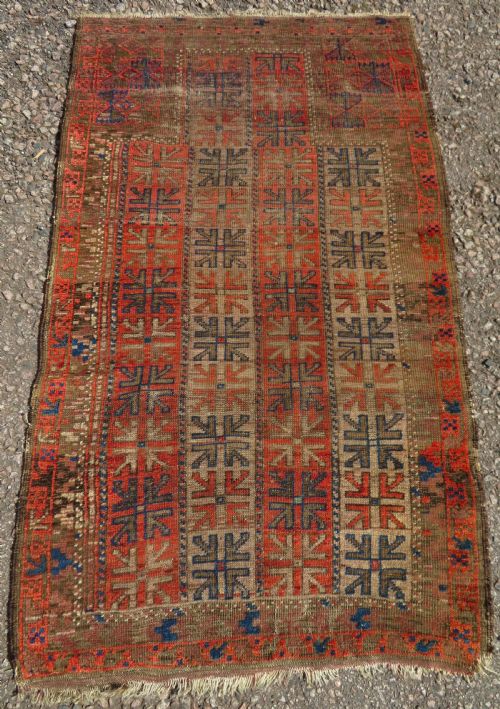
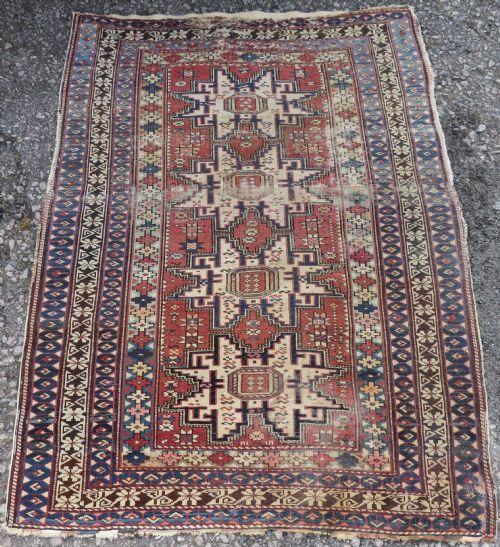


Distressed Red Area Rug
A distressed red area rug brings warmth and history to a room through faded tones and time-worn tribal patterns.
Distressed Red Area Rug
A distressed red area rug is a woven floor covering bearing the marks of age, heavy use, and softened madder dyes. These pieces date across the late nineteenth and early twentieth centuries, spanning periods from eighteen eighty to nineteen thirty.
Most examples originate from Persian and Caucasian weaving traditions, taking forms such as tribal rugs, long runners, prayer mats, and large room-sized carpets. Buyers encounter regional types including Afshar, Khamseh, Daghestan, and Heriz.
The aesthetic centres on worn pile and faded crimson or rust backgrounds shaped by decades of foot traffic and sunlight. Each rug reflects the distinct cultural motifs of the nomadic and village weavers who produced them.
How they were made
Weavers constructed these rugs using hand-spun wool and cotton foundations, knotting the pile tightly by hand on upright looms. Natural materials provided the base for durable structures intended for daily household use.
Dyers utilised natural sources like madder root to achieve deep reds that mellow over generations into softer terracotta and rose shades. Hand-washing and environmental exposure subsequently created the characteristic distressed patina visible today.
Every distressed red rug carries decades of secret footstep history woven straight into the wool.
What varies in quality
Quality rests upon the fineness of the knotting, the balance of the tribal design, and the integrity of the remaining wool foundation. Tightly knotted pieces retain their structural coherence despite extensive surface wear.
The depth and complexity of the natural dye palette separate standard village weaving from finer workshop output, such as Isfahan or Sarouk carpets. A harmonious colour transition across a faded red field elevates the visual standing of the textile.
The Distressed Red Area Rug Glossary
- Pile
- The vertical tufts of wool that form the usable surface of the rug. Worn pile exposes the cotton foundation threads beneath.
- Madder
- A natural plant dye utilised for centuries to produce rich red and rust hues in traditional carpets. It fades gradually into softer earthy tones under sunlight.
- Prayer rug
- A small format rug featuring a mihrab or niche design, traditionally used for individual prayer. These pieces often display specific directional motifs.
- Patina
- The surface sheen and colour softening acquired by age and use over decades. This quality indicates genuine antique status rather than artificial distressing.
- Foundation
- The underlying structure of warp and weft threads that supports the knotted wool pile. Cotton and wool serve as the primary structural materials.
Distressed Red Area Rug: Frequently Asked Questions
How do I care for a worn antique rug?
Vacuum gently without a rotating brush bar to protect the aged wool pile from further stress. Professional cleaning specialised in antique textiles preserves the delicate structure.
Keep the rug out of direct strong sunlight to prevent the remaining red dyes from fading unevenly. Rotate the piece periodically to ensure even wear across the surface.
Are these rugs suitable for high traffic areas?
Wool and cotton construction provides natural durability that withstands moderate walking despite the existing wear. Placing a quality underlay beneath the rug prevents slipping and reduces friction against the floor.
Extremely fragile pieces with low pile benefit from placement in quieter rooms like bedrooms or studies. Assessing the condition of the foundation guides where the textile functions best.
How can I tell different tribal designs apart?
Caucasian pieces like Daghestan and Kazak rugs display geometric medallions, sharp angles, and bright contrasting palettes. Persian tribal works such as Afshar and Khamseh often feature rectilinear floral elements and rich red fields.
Border patterns and regional motifs offer further clues to the origin of the weaving. Comparing field arrangements helps identify whether a piece stems from a village or nomadic tradition.
What causes the distressed look on these rugs?
Decades of walking, natural fibre compression, and gentle washing wear down the wool pile over time. Sunlight also contributes to the softening of bright red madder dyes into muted terracotta.
This gradual ageing process creates the characteristic antique appearance valued by collectors. Every faded area records the history of use in a traditional home.