




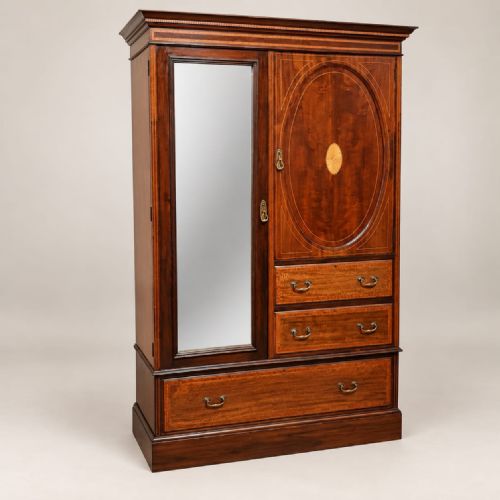
Vintage Hall Mirror
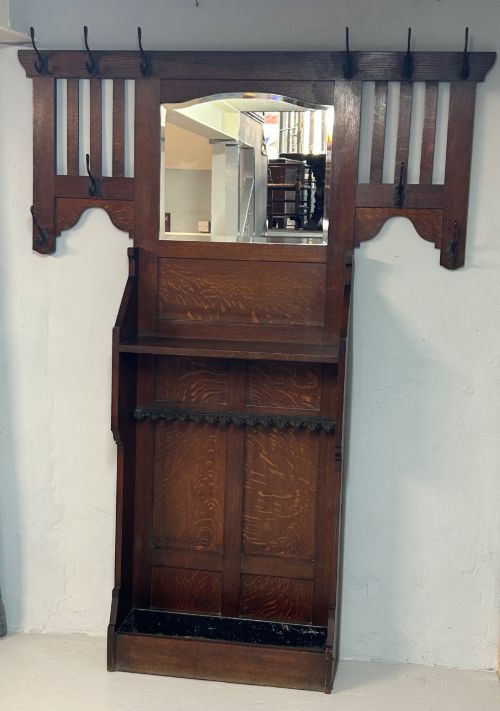
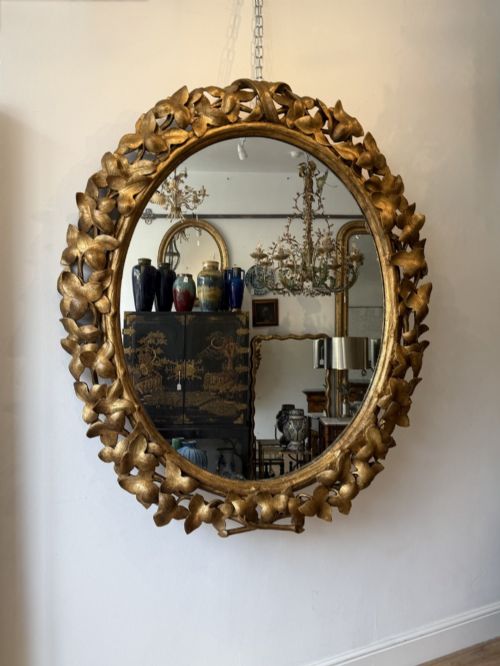
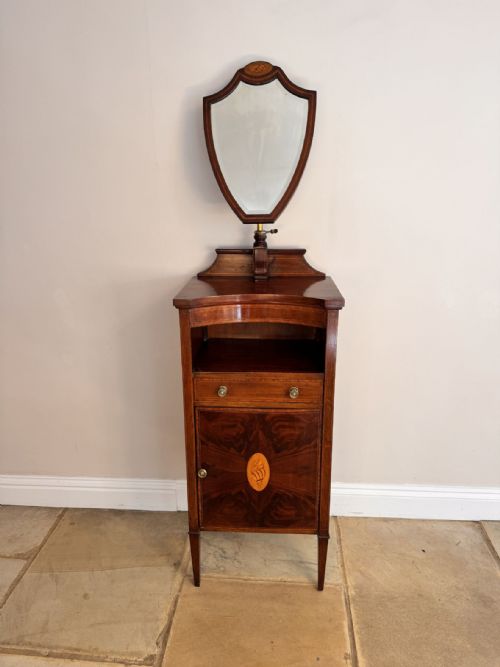
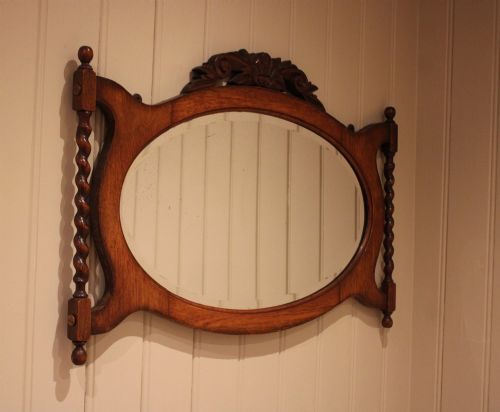
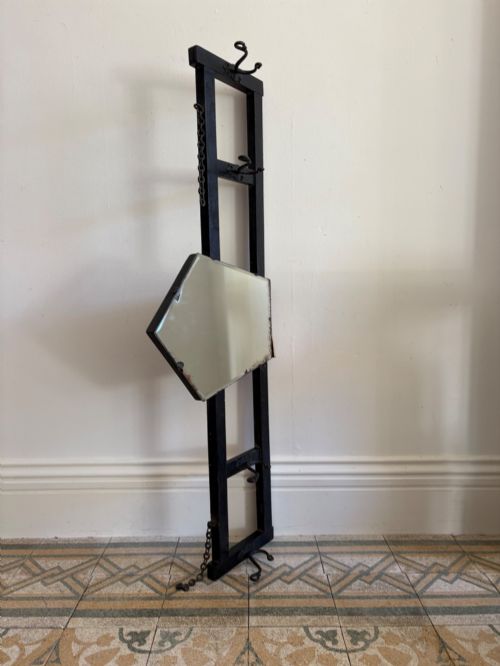
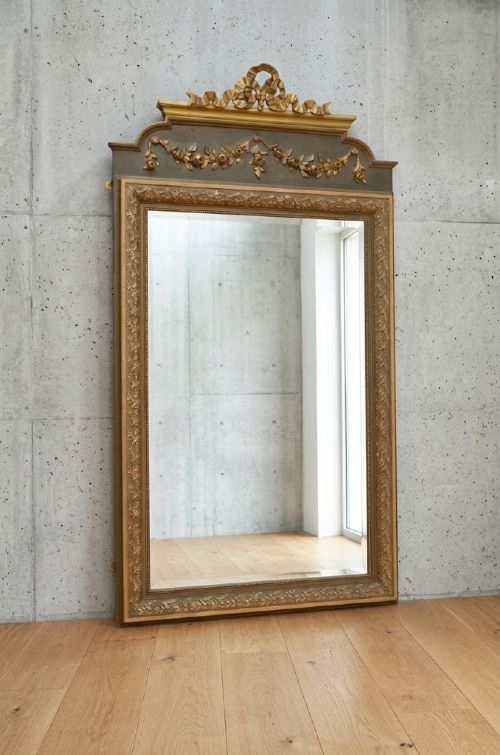
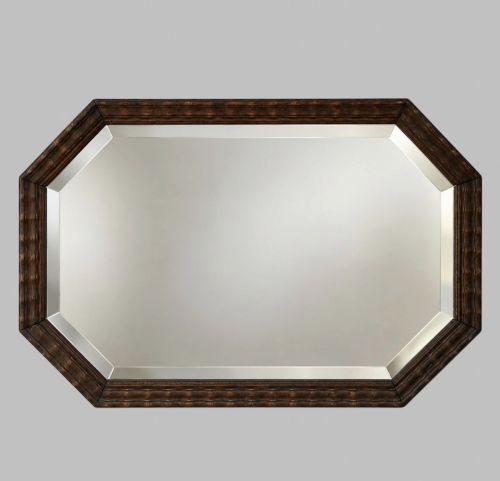
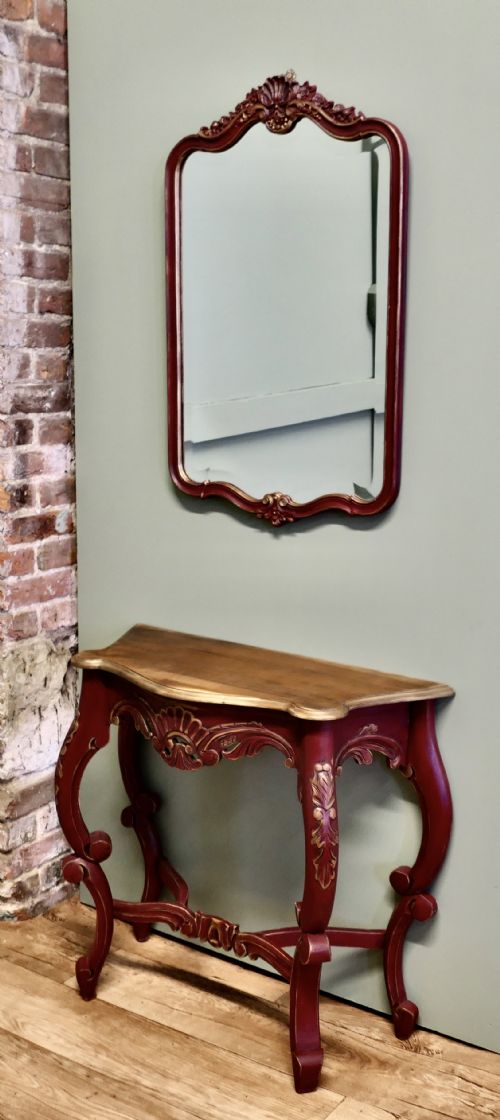
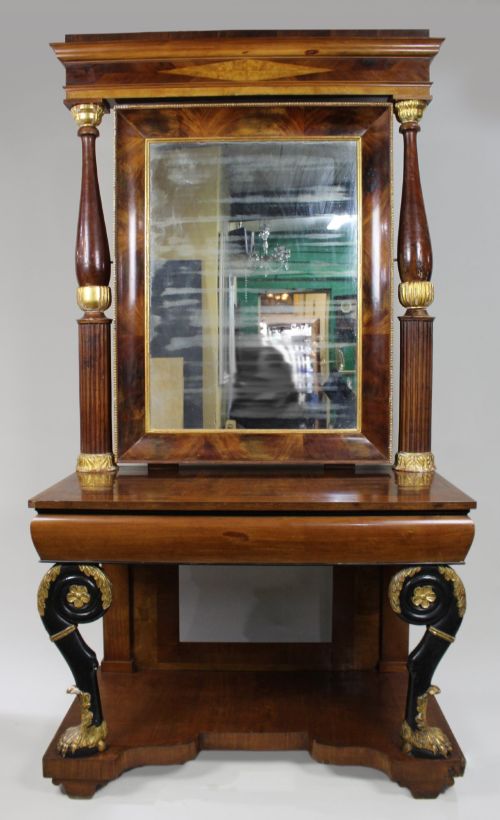
A vintage hall mirror greets visitors with practicality and reflection, anchoring an entranceway through period timber and shaped glass.
Vintage Hall Mirror
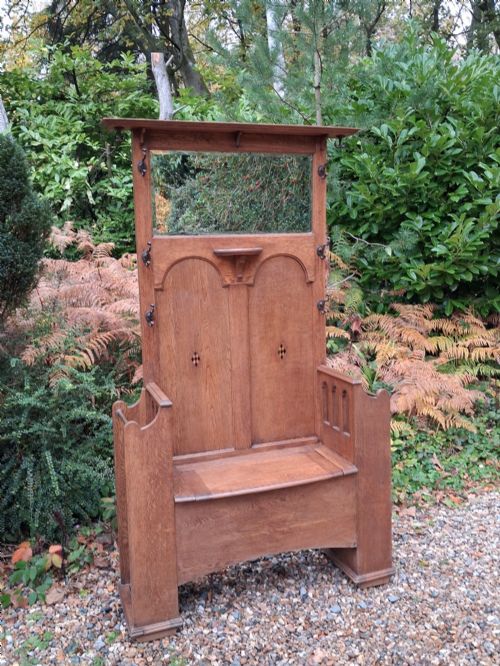
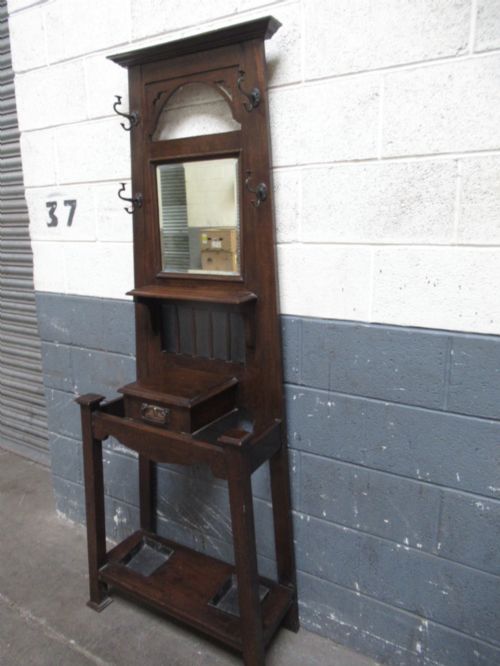
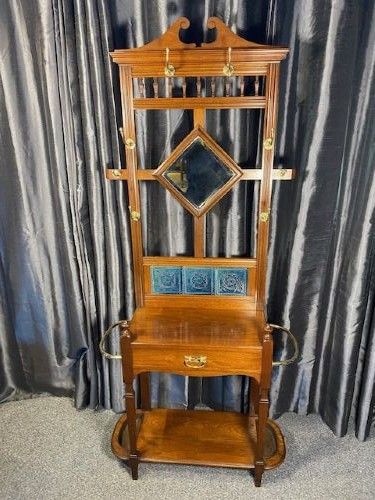
When searching for a vintage hall mirror, buyers encounter a utilitarian furnishing designed to serve entrances, hallways and vestibules. These pieces combine reflective glass with functional elements such as coat hooks, umbrella wells, shelving or combination hall stands.
The selection ranges from compact wall-mounted timber frames to large multi-functional hall seat stands and wardrobes. Oak, mahogany and walnut predominate alongside brass fittings and cast iron structures.
Originating predominantly from the nineteenth and early twentieth centuries, these items reflect domestic requirements of the Victorian and Edwardian eras. Pieces span styles from Arts and Crafts simplicity to ornate Rococo Revival and Art Nouveau curves.
How they were made
Craftsmen utilised solid timbers including oak, mahogany and walnut, frequently shaping them through carving, fretwork cutting and steam-bending. Frames and stands often incorporated bevelled glass mirrors secured by wooden backboards.
Metal components such as brass coat hooks, cast iron frames and gilt gesso ornamentation added durability and decorative contrast to the woodwork. Surface treatments ranged from polished French finishes to parcel gilding and simulated wood paint effects.
Vintage Hall Mirror Retail Price Guide 2026
Typical asking prices for vintage hall mirror among the pieces listed under this phrase on Sellingantiques today, from the lower quarter to the upper quarter. They describe what is for sale here now, not the wider market.
Some hall stands double as umbrella repositories and umbrella drip pans, keeping hallway floors dry during sudden downpours.
What varies in quality
Construction methods dictate longevity, distinguishing sturdy mortise and tenon joints from simpler assembly. The crispness of hand-carving and the depth of timber grain determine visual distinction across frames and stands.
Original mirror glass showing authentic foxing contrasts with replaced plates, while intact brass hardware and integrated umbrella drip pans preserve the historical integrity of the piece.
Waring and Gillow·Thonet
The Vintage Hall Mirror Glossary
- Bevelled glass
- Glass with an angled edge cut around the perimeter. This catches light and adds depth to the reflection.
- Hall stand
- A multi-functional hallway furnishing combining a mirror, coat hooks, glove box and umbrella stands. They organise entranceways efficiently.
- Fretwork
- Ornamental openwork carved into thin timber panels. It creates intricate geometric or floral patterns.
- Giltwood
- Timber coated with gold leaf or gold paint. It provides a bright decorative surface on revival frames.
- Bentwood
- Wood shaped by steaming and bending into curves. This technique creates flowing structural forms.
Vintage Hall Mirror: Frequently Asked Questions
What is a hall stand?
A hall stand is a combined entranceway furnishing that integrates a mirror with coat hooks, umbrella holders and sometimes a small seat or storage compartment.
These pieces were designed to manage outdoor garments and accessories efficiently in domestic hallways.
How do I hang a heavy mirror?
Heavy wall mirrors require secure attachment directly into wall studs or appropriate masonry fixings to support the combined weight of the timber frame and glass.
Using sturdy brackets or picture wire rated for the specific load ensures safe wall mounting.
What woods were used?
Cabinetmakers primarily utilised oak, mahogany and walnut for structural stability and rich grain patterns in hallway furnishings.
Alternative materials such as cast iron and bamboo also appeared, particularly in umbrella stands and Victorian hall furniture.
How do I date a mirror?
Dating relies upon stylistic markers, construction techniques and timber types associated with specific periods like the Victorian or Edwardian eras.
Examining the bevel edge of the glass and the backboards provides further clues regarding manufacture age.