


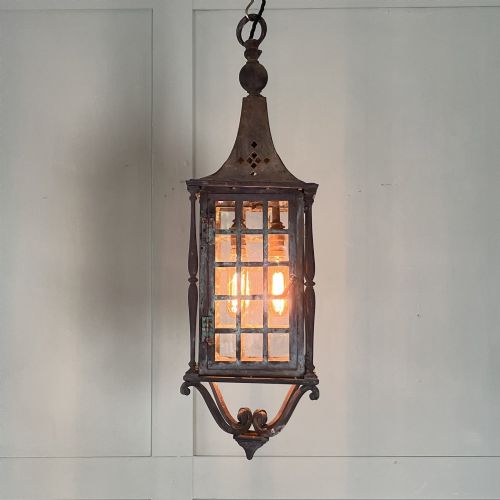
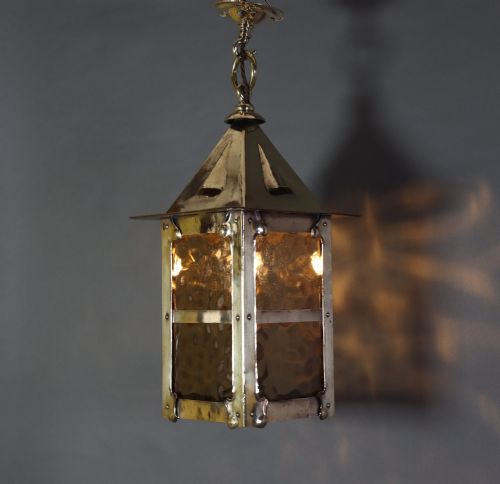
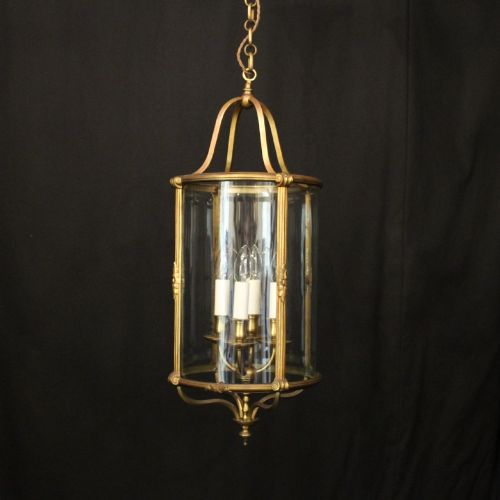
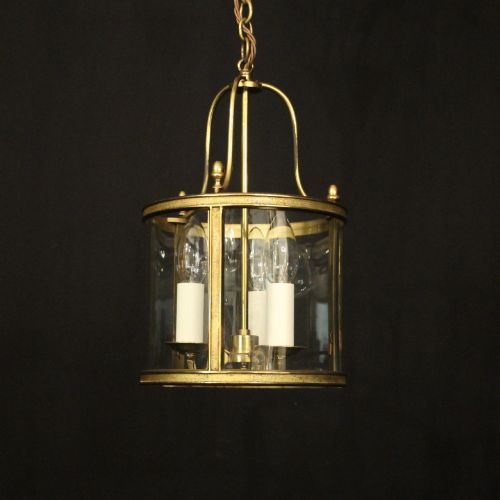
Vintage Hall Light
These vintage hall light designs offer functional illumination and period character, bringing traditional metalwork and glass into an entrance space.
Vintage Hall Light
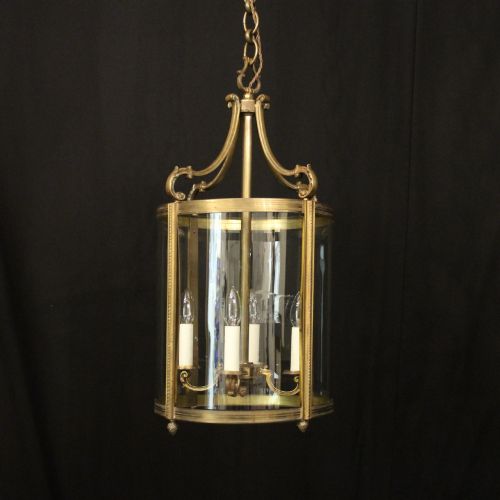
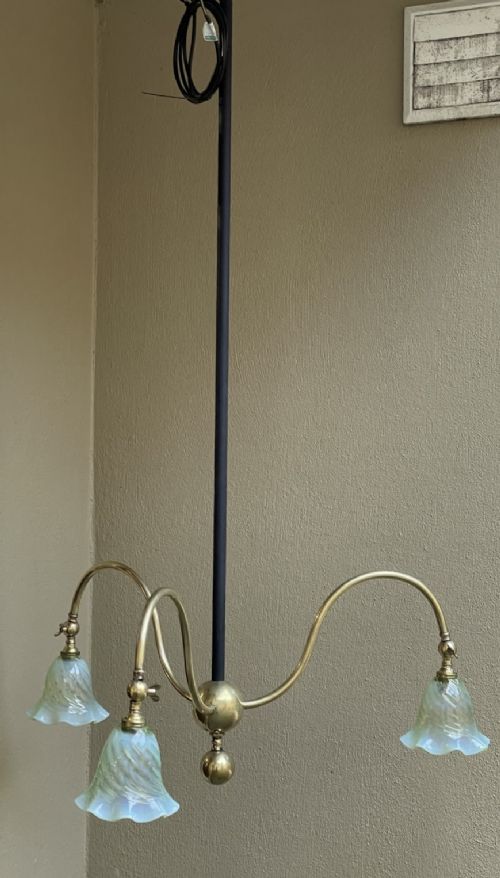
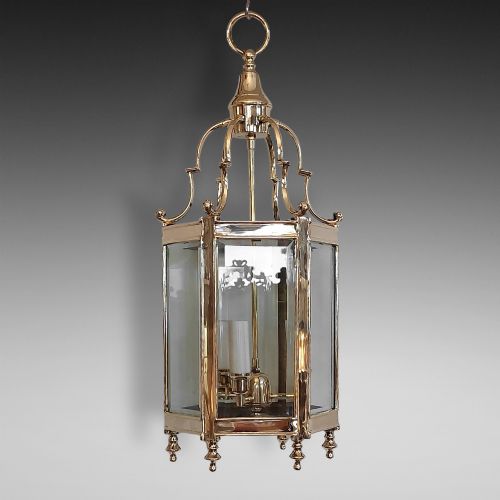
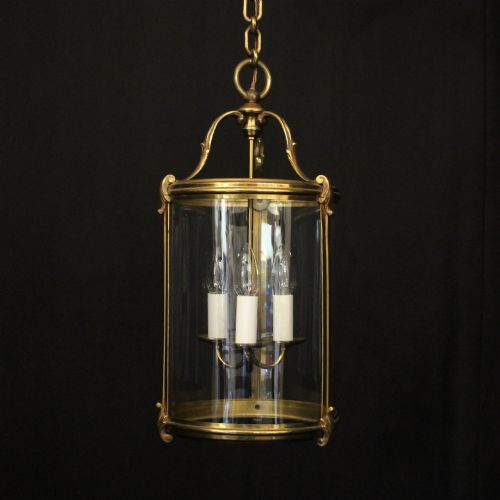
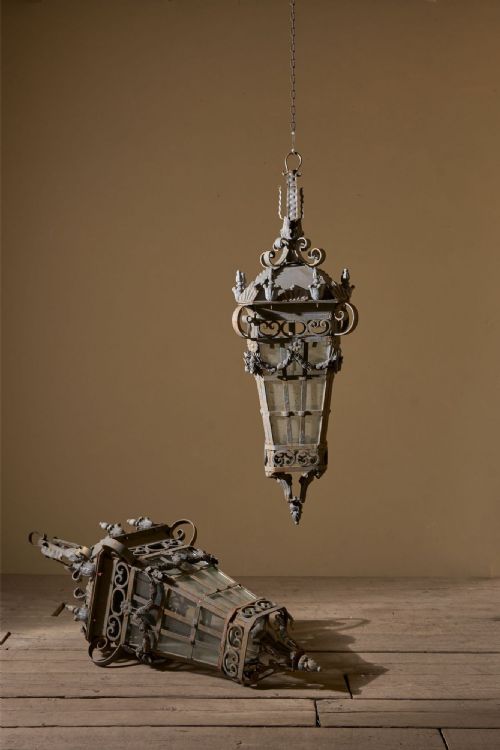
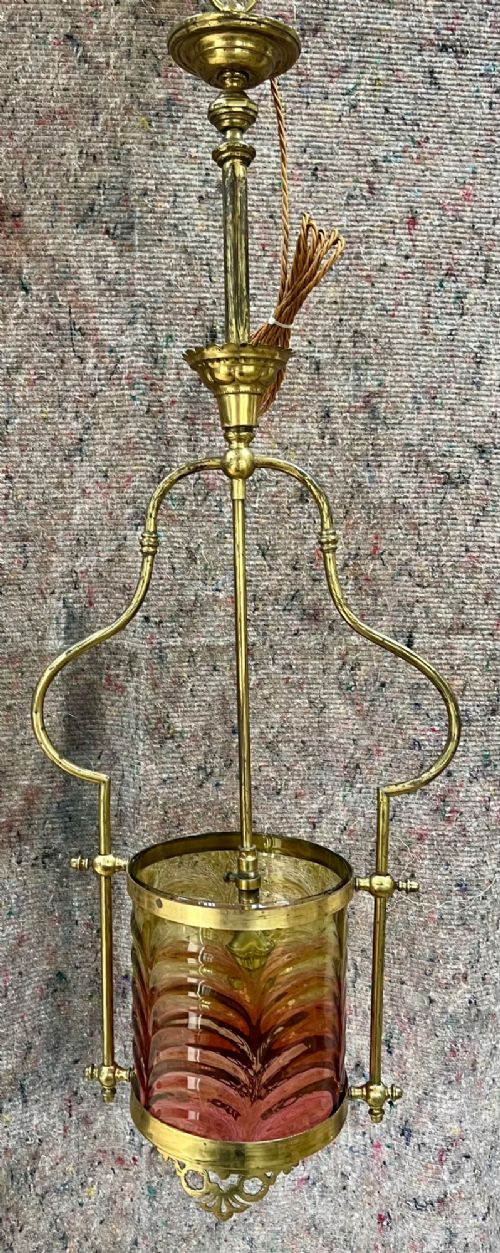
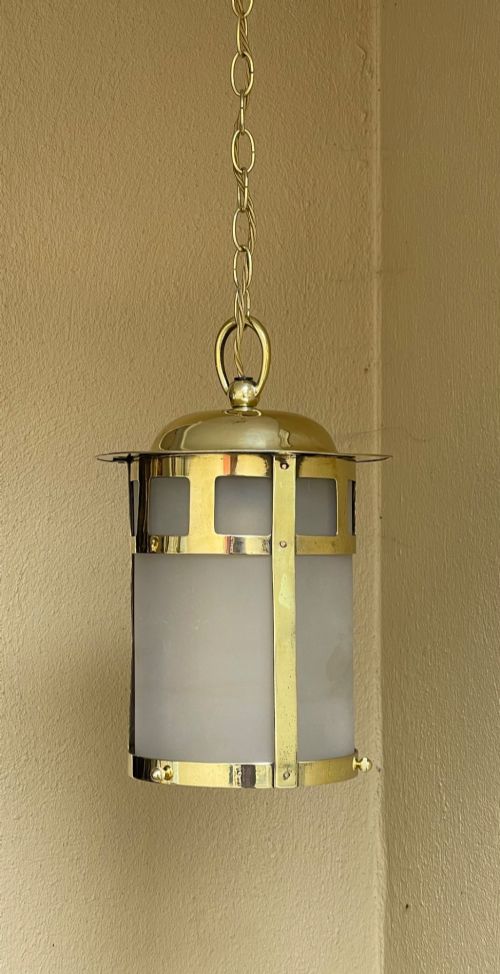
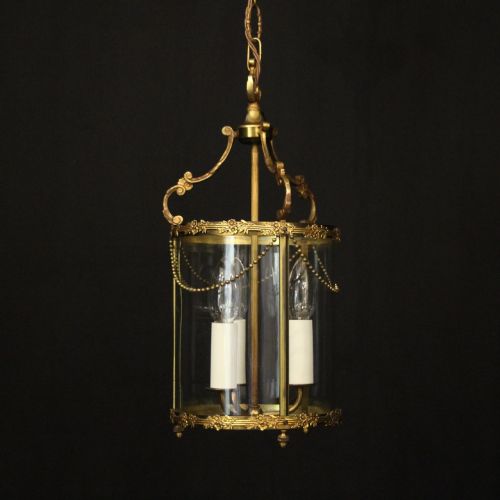
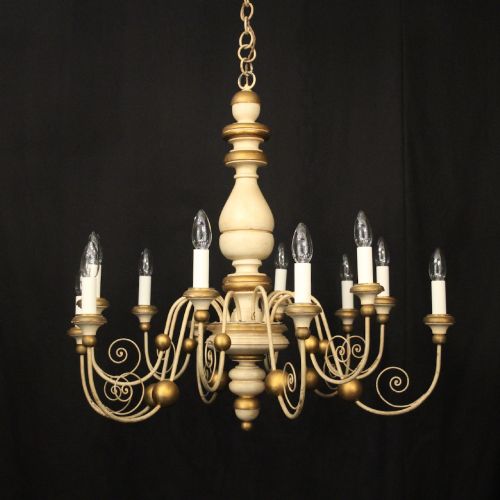
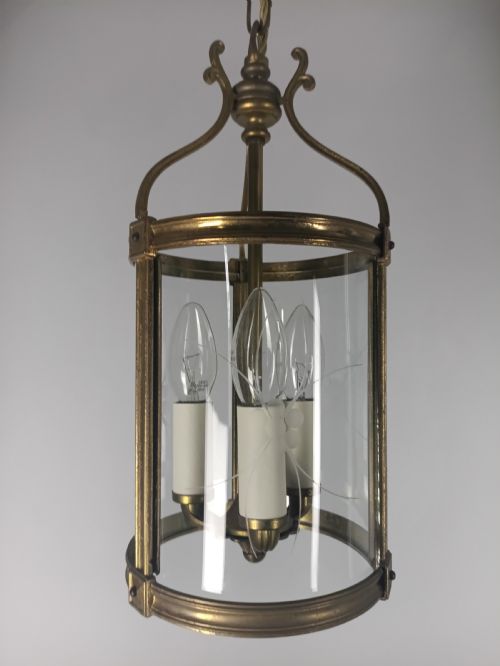
A vintage hall light is typically encountered as a hanging lantern, ceiling light, or pendant light designed for an entranceway or corridor. You will frequently find brass frames fitted with glass panels, alongside examples utilising wrought iron, bronze, and oak.
The selection ranges from Victorian and Edwardian pieces to items from the 1920s and 1930s. Styles such as Arts and Crafts, Art Deco, Gothic Revival, and French neoclassical appear regularly across the listings.
While primarily hanging fixtures, the broader selection occasionally includes related items like side tables and console tables associated with hallway furnishings. Hexagonal and multi-light configurations dominate the suspended ceiling lighting options.
Materials and construction methods
Construction relies heavily on metals such as brass, gilt bronze, gilt brass, and wrought iron, which form the structural frames and lanterns. These metal elements are frequently paired with glass, including hand-blown bulls eye glass, etched glass, moonstone glass, and leaded stained glass.
Joinery and metalworking techniques span soldered brass frameworks, leaded glass assembly, and forged iron elements. Oak also appears in structural applications for related furniture pieces and specific revival items.
Vintage Hall Light Retail Price Guide 2026
Typical asking prices for vintage hall light among the pieces listed under this phrase on Sellingantiques today, from the lower quarter to the upper quarter. They describe what is for sale here now, not the wider market.
Listings feature items from the Victorian, Edwardian, 1920, and 1930 periods, constructed from brass, wrought iron, and oak.
Factors that define quality
Quality is evident in the weight and finish of the metalwork, whether gilt bronze, solid brass, or wrought iron. Finer examples display crisp casting details, hand-blown or etched glass panels, and robust structural joinery rather than thin pressed sheet metal.
The integrity of the glazing and the complexity of the frame design separate standard production pieces from exceptional items. Original patination on bronze and brass surfaces also contributes significantly to the character of higher tier pieces.
Fortnum and Mason
The Vintage Hall Light Glossary
- Lantern
- A glazed lighting fixture designed to enclose a light source and hang from a ceiling. These units protect bulbs from drafts and distribute light through glass panels.
- Gilt bronze
- Bronze metal treated with a thin layer of gold or gold-coloured finish. This technique provides a durable, decorative surface with a warm metallic lustre.
- Leaded glass
- Glass panes held together by lead cames in decorative patterns. This method is common in windows and hanging lanterns from the Victorian and Edwardian periods.
- Bulls eye glass
- Thick glass blown with a circular centre swirl or lens effect. It creates distorted, textured light patterns when used in lantern panels.
- Arts and Crafts
- A design movement prioritising traditional craftsmanship and simple forms. Objects from this tradition often feature honest metalwork and visible construction details.
Vintage Hall Light: Frequently Asked Questions
What is a vintage hall light?
A vintage hall light is a hanging fixture, lantern, or pendant designed to illuminate entranceways and corridors. These pieces originate from periods spanning the nineteenth century through the 1930s.
They combine structural metal frames in brass, iron, or bronze with glass panels to create both decorative focus and practical illumination for hallways.
How do I date a brass hall lantern?
Dating a lantern involves examining the manufacturing techniques, the style of the metalwork, and the type of glass used. Edwardian and Victorian pieces often show heavier cast components and hand-formed leaded joints.
Later pieces from the 1920s and 1930s may reflect Art Deco or streamlined neoclassical influences, alongside different electrical wiring configurations where applicable.
Where were these lights used?
These lighting fixtures were primarily installed in domestic entrance halls, stairwells, and porches. Their enclosed design protected candles or early electric bulbs from breezes in high-traffic transition spaces.
Certain examples originated from larger civic or institutional buildings before entering the domestic market.
How do I live with a vintage hall light?
Living with these fixtures involves mounting them at an appropriate height for ceiling clearance in your hallway. They serve as a focal point that establishes a period aesthetic the moment visitors step inside.
Maintenance requires gentle cleaning of the glass panels and careful dusting of the metal frames to preserve the original surface patination.