









Vintage Haberdashery Counter
A vintage haberdashery counter brings authentic commercial character and practical storage into a domestic interior.
Vintage Haberdashery Counter
A vintage haberdashery counter serves as a substantial commercial furnishing designed for displaying and storing dry goods, textiles, and small wares. Buyers seeking a vintage haberdashery counter will find robust pieces originating from the nineteenth and twentieth centuries, spanning periods from the Victorian era through the Art Deco epoch.
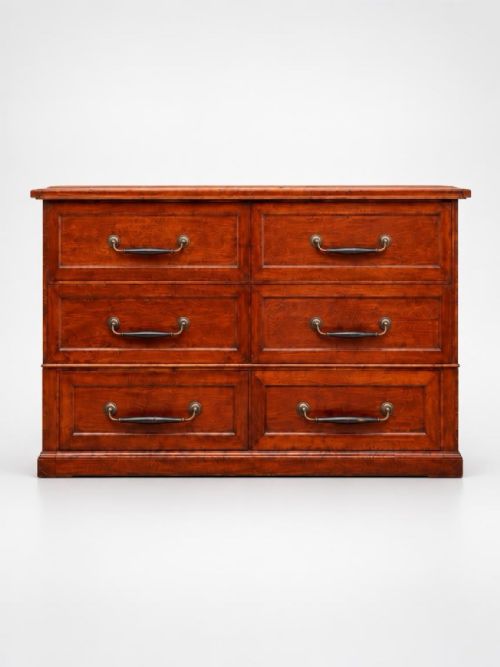
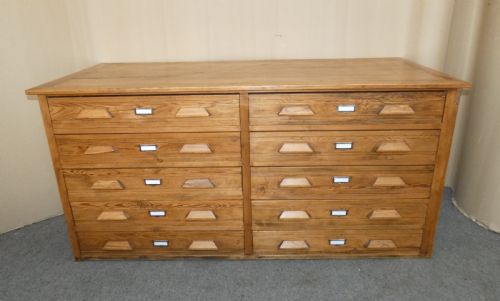
The most common configurations include long display counters with glass tops or fronts, banks of shallow drawers intended for ribbons and threads, and combined cabinet units. These shop fittings reflect commercial origins in drapery shops and general stores, constructed to withstand heavy daily use.
Origins vary across English and French workshops, encompassing utilitarian oak and mahogany designs alongside painted Hungarian pine shop fittings. Such pieces function today as kitchen islands, sideboards, or central display surfaces in residential and retail spaces.
Materials and construction methods
Makers utilised dense hardwoods such as mahogany and oak for structural durability and refined appearance, often pairing them with pine carcasses for internal framing and drawer construction. Glass panels feature heavily in display sections, allowing goods to remain visible while protected from dust and handling.
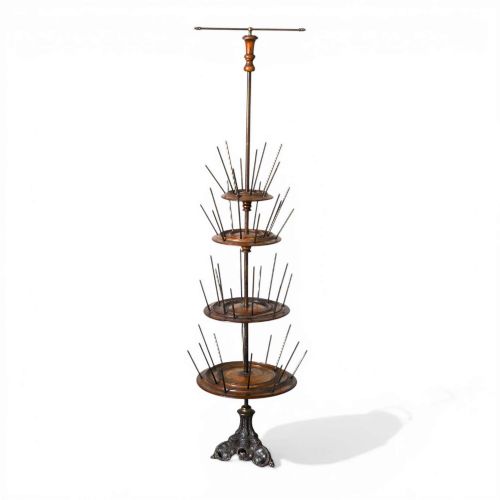
Metal elements including brass, aluminium, and cast iron appear in framing, handles, and display stands, adding structural reinforcement and industrial detail. Painted finishes, ranging from distressed coats on Hungarian pine to original cream or white pigments, show the working history of individual shop fittings.
Vintage Haberdashery Counter Retail Price Guide 2026
Typical asking prices for vintage haberdashery counter among the pieces listed under this phrase on Sellingantiques today, from the lower quarter to the upper quarter. They describe what is for sale here now, not the wider market.
Listings feature oak, mahogany, pine, and brass materials across Victorian, Edwardian, and Art Deco periods.
Evaluating construction standards
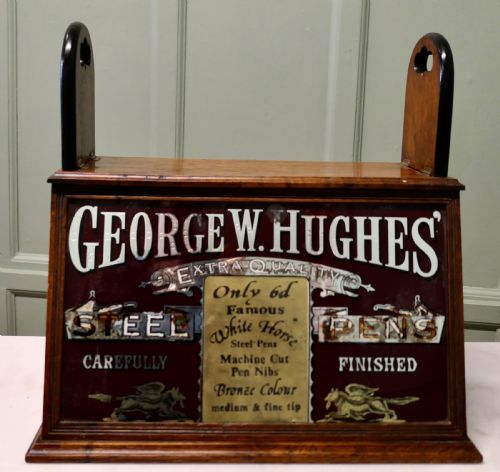
Quality rests upon the integrity of the original timber framework and the smoothness of operation in multi-drawer banks. Superior examples retain original glass panels, uncompromised brass hardware, and authentic manufacturer branding or plaques.
The distinction between workshop standards shows in the precision of dovetail joinery, the thickness of timber used in drawer bottoms, and the preservation of original painted or polished surfaces rather than later domestic alterations.
F. Sage & Co·Dudley & Co·Ermen & Roby
The Vintage Haberdashery Counter Glossary
- Vitrine
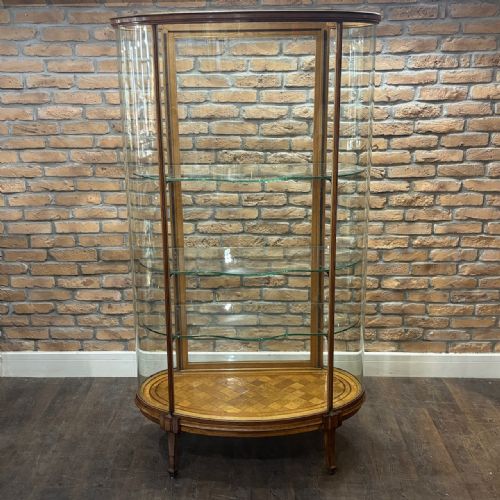
- A glass-fronted or glass-topped cabinet designed for the display of delicate items and wares. These enclosures protect contents while offering all-round visibility.
- Shop Fitting
- Fixtures and furniture built specifically for commercial retail environments rather than domestic use. They are characterised by robust construction and functional design.
- Drapers Table
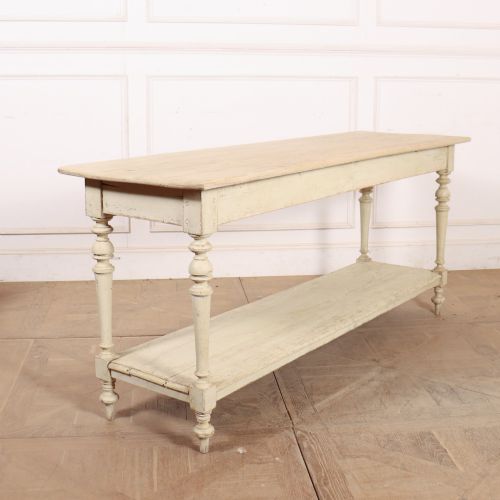
- A wide, low table utilised in textile and fabric shops for measuring and cutting cloth. Examples often incorporate lower shelving or deep drawers.
- Bank of Drawers
- A multi-drawer unit featuring numerous shallow compartments designed for sorting small goods like threads, ribbons, and buttons. They provide exceptional compartmentalised storage.
Vintage Haberdashery Counter: Frequently Asked Questions
What were haberdashery counters originally used for?
Haberdashery counters were utilised in nineteenth and twentieth-century drapery and dry goods shops to store, organise, and display small sewing items, ribbons, and fabrics.
The glass display sections and shallow drawer banks allowed merchants to present merchandise attractively to customers while keeping delicate stock clean and sorted behind the counter.
How do I incorporate a counter into a home?
These large shop fittings adapt well as kitchen islands, providing deep work surfaces and extensive drawer storage for utensils and dry goods.
In living areas or hallways, glass-topped display counters function effectively as console tables or sideboards for exhibiting collections and personal items.
How do I date a shop counter?
Dating relies on identifying timber choices, hardware materials, and prevailing stylistic periods such as Victorian, Edwardian, or Art Deco.
Makers' plaques, cast iron brackets, and construction techniques like dovetailing provide precise chronological markers for pieces originating between the nineteenth and mid-twentieth centuries.
Are painted finishes on these counters original?
Many Hungarian pine shop fittings and French drapers' tables retain their original layered paintwork, which often exhibits natural weathering from decades of commercial use.
Close inspection reveals whether paint layers date to the active working life of the furniture or represent later decorative interventions.