



1930s Glass Display Case
These pieces give a 1930s glass display case a distinct architectural presence, holding treasured objects behind timber frames and leaded glazing.
1930s Glass Display Case
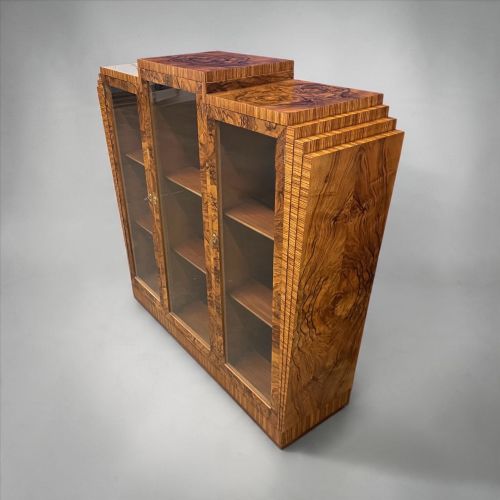
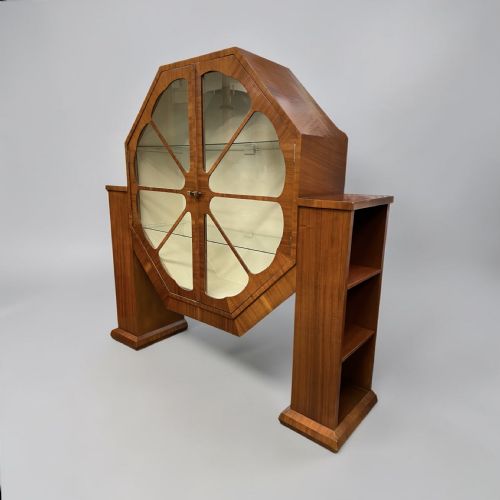
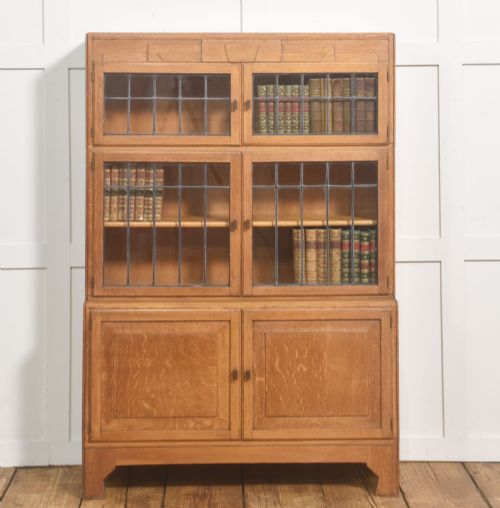
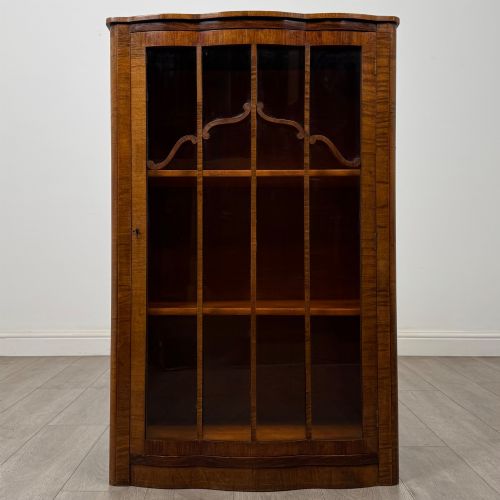
A 1930s glass display case encompasses upright display cabinets, bookcases, circular vitrines, and commercial counters found across this page. The majority date from the 1930s interwar period and the early 20th century, drawing on Art Deco and Arts & Crafts design traditions.
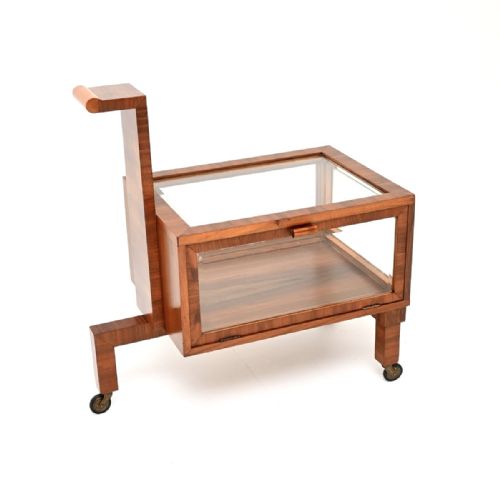
Makers shaped these forms in walnut, figured walnut, burr walnut, oak, and mahogany, often pairing timber frames with extensive glass panels. Pieces range from domestic cabinets and corner units to shop display counters and serving carts.
Distinctions in craftsmanship
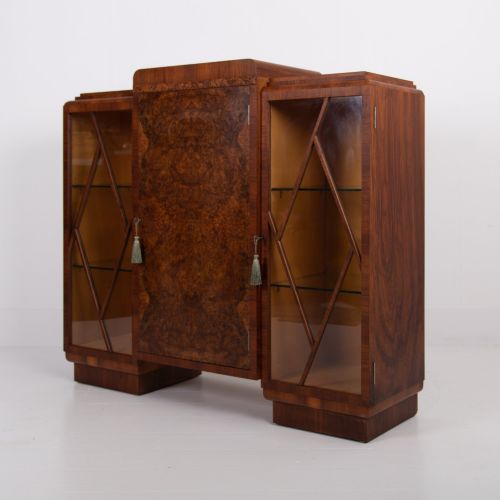
Quality rests upon the selection of timber veneers and the intricacy of the cabinet geometry, such as circular, oval, octagonal, or clove-shaped forms. Superior examples demonstrate expert joinery in curved glass settings and refined framing.
Commercial counters and specialised display units reveal quality through robust metal framing and architectural proportions designed for robust shop or domestic display.
1930s Glass Display Case Retail Price Guide 2026
Typical asking prices for 1930s glass display case among the pieces listed under this phrase on Sellingantiques today, from the lower quarter to the upper quarter. They describe what is for sale here now, not the wider market.
Listings feature walnut, oak, mahogany, brass, and aluminium across domestic display cabinets, shop counters, and taxidermy cases.
Charles Graffart for VSL·Epstein·Saml. Elliott & Sons·E. Pollard & Co. Ltd.
The 1930s Glass Display Case Glossary
- Art Deco
- A design style dominant in the interwar period characterised by geometric shapes, streamlined forms, and stylized ornamentation. It heavily influences the cabinet architecture seen on this page.
- Burr walnut
- A highly figured wood grain obtained from walnut tree growths, prized for its swirling patterns. Cabinetmakers utilised these veneers on prominent display doors and panels.
- Leaded glass
- Glass panes held together by narrow strips of lead, forming geometric or decorative patterns within cabinet doors. This technique appears across multiple bookcase and cabinet listings.
- Vitrine
- A glass display cabinet designed specifically for showcasing objects of interest. These cases feature prominent glazing on multiple sides.
- Cotswold School
- An Arts & Crafts design movement rooted in traditional craftsmanship and solid oak construction. Pieces from this tradition emphasise honest construction methods.
1930s Glass Display Case: Frequently Asked Questions
What woods are typical for these cases?
Walnut, figured walnut, burr walnut, oak, and mahogany form the primary structural timbers and decorative veneers across these pieces. Workshops combined these woods with glass, brass, and aluminium.
Makers utilised these materials to build domestic cabinets, shop counters, and specialised display units.
Are these cases strictly Art Deco?
While the majority reflect Art Deco and interwar commercial styles from the 1930s, the selection also includes early 20th century, Edwardian, and Arts & Crafts pieces.
Design influences range from Cotswold School oak cabinets to streamlined circular walnut vitrines.
How were commercial and domestic cases different?
Commercial examples include brass-framed display counters, mahogany triple shop display cabinets, and aluminium frame counters built for retail environments. Domestic pieces focus on upright display cabinets, bookcases, and serving carts.
Both categories rely on extensive glass panels to exhibit contents.
What unconventional items share this category?
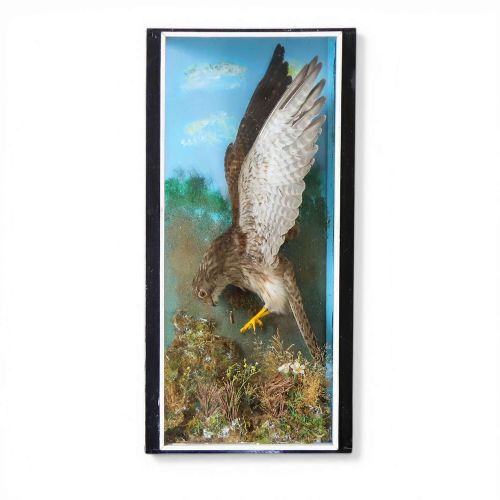
The selection extends beyond standard furniture to include specialised display items such as a taxidermy kestrel diorama in a painted case and crystal glass vases.
These pieces utilise the same principle of housing and protecting objects behind glass.