

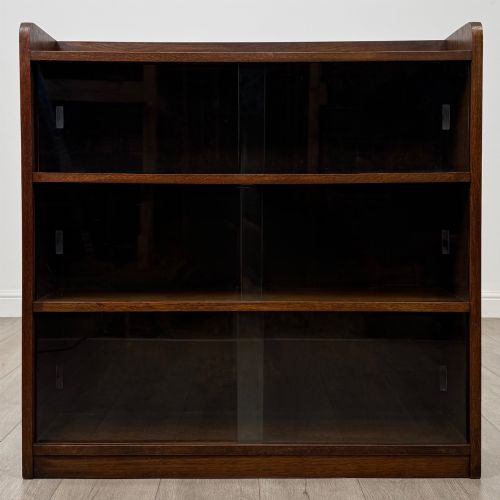

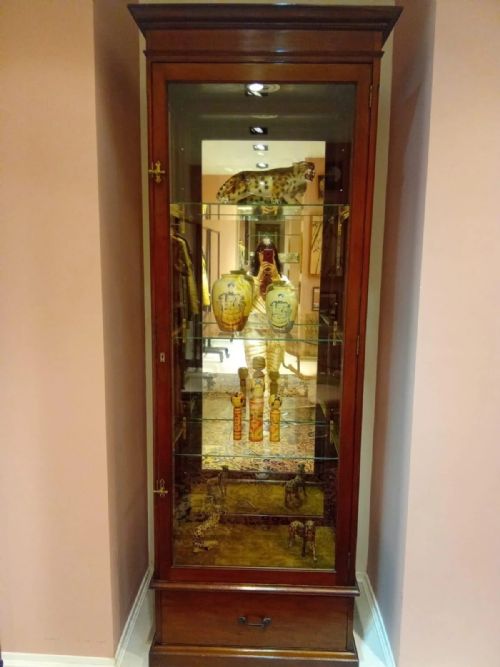


Vintage Trophy Cabinet
These vintage trophy cabinet pieces give you glass-fronted shelter for prized possessions and natural history specimens, bringing period character directly into your rooms.
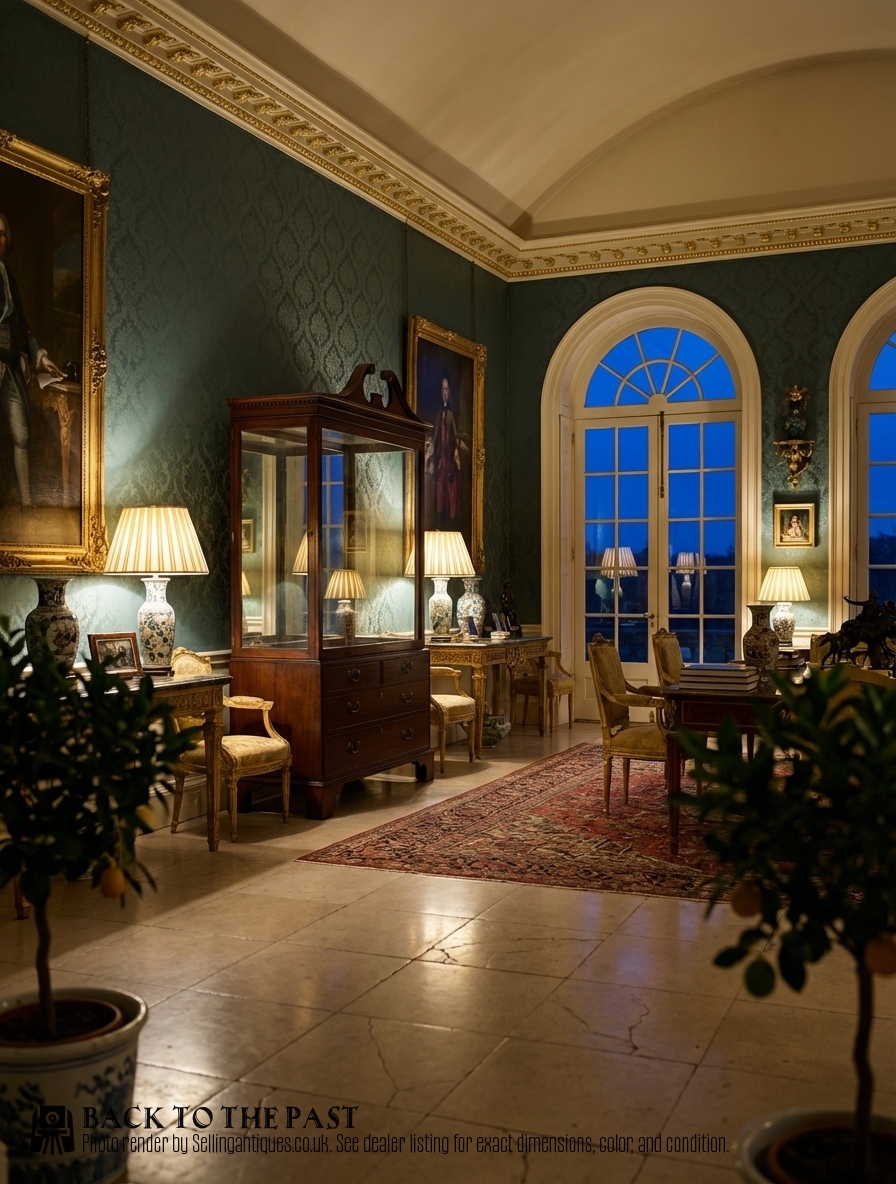
Vintage Trophy Cabinet
A vintage trophy cabinet search brings up tall freestanding shop display cases, timber bookcases, and natural history specimens mounted on horns. You meet Edwardian mahogany and oak versions most often here, alongside Art Deco oak and aluminium-framed display counters.
The forms range from enclosed domestic gun cabinets to high-sided shop counters and taxidermy mounts featuring crocodiles, springbok gazelles, ram horns, and buffalo horns. These pieces cross the boundary between retail display, domestic storage, and natural history collection.
Originating across Victorian, Edwardian, and twentieth-century periods, these cabinets and mounts reflect both commercial shopfitting and domestic display traditions. The selection includes pieces spanning from the 1880s through the 1930s in varied timber and metal constructions.
How they were made
Taxidermy pieces incorporate animal specimens mounted on timber or natural horn structures, requiring careful preservation techniques alongside woodwork. Cabinet interiors frequently utilise adjustable glass shelves supported within timber carcasses.
Vintage Trophy Cabinet Retail Price Guide 2026
Typical asking prices for vintage trophy cabinet among the pieces listed under this phrase on Sellingantiques today, from the lower quarter to the upper quarter. They describe what is for sale here now, not the wider market.
Materials documented across the pieces include glass, mahogany, brass, oak, horn, satinwood, metal, and mirror.
What varies in quality
Quality separates along the ambition of the timber work and the sophistication of the framing, from simple trade counters to finely moulded domestic display furniture. Finer examples employ select mahogany or figured oak with integrated architectural details and sturdy adjustable glass shelving.
The integrity of the glazing and the condition of the internal framing dictate the overall standard of each piece. Superior execution shows in the seamless integration of glass panels with timber or aluminium structures designed for sustained daily use.
The Vintage Trophy Cabinet Glossary
- Taxidermy
- The art of preserving, stuffing, and mounting animal skins for display. Historical specimens range from entire reptiles to horns mounted for wall display.
- Display Counter
- A shopfitting form designed with glass panels to showcase goods to customers across a sales surface. These utilise sturdy frames in timber or aluminium.
- Satinwood
- A durable timber prized for its pale golden colour and fine grain. It appears on select pieces for decorative contrast and detail.
- Art Deco
- A twentieth-century design style marked by geometric shapes and streamlined modernity. This aesthetic influences the frame geometry of later display pieces.
Vintage Trophy Cabinet: Frequently Asked Questions
What fits inside these display cabinets?
Adjustable glass shelves and timber carcasses accommodate collections, books, and decorative objects of varying heights.
The taller freestanding formats provide ample vertical clearance for large display items.
How do I maintain aluminium frames?
Twentieth-century aluminium counters require simple dusting and occasional gentle cleaning to preserve the metal surface.
Avoid abrasive cleaners that might scratch the modern framing materials.
Where were shop display cabinets used?
Merchants utilised these glazed units in late nineteenth and early twentieth-century retail environments to showcase wares.
Their robust construction allowed staff to present goods securely to the public.
How are taxidermy mounts cleaned?
Horns and animal specimens require careful, dry dusting with a soft brush to protect the historical material.
Keep these pieces away from direct sunlight and excessive moisture.