


Vintage Gold Vanity Mirror
These vintage gold vanity mirror pieces bring bright metallic warmth and reflective depth to a dressing table.
Vintage Gold Vanity Mirror
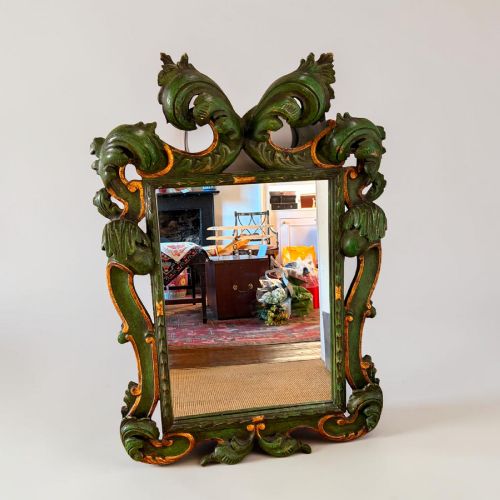
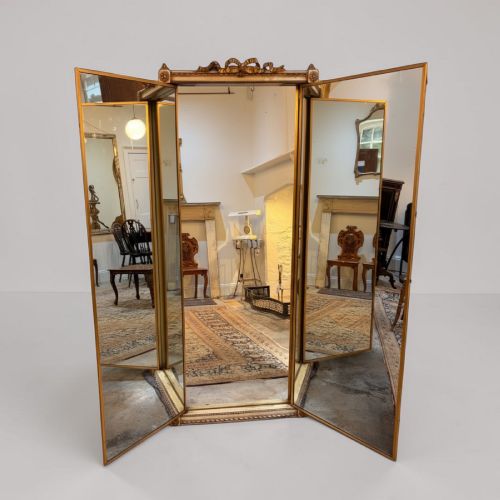
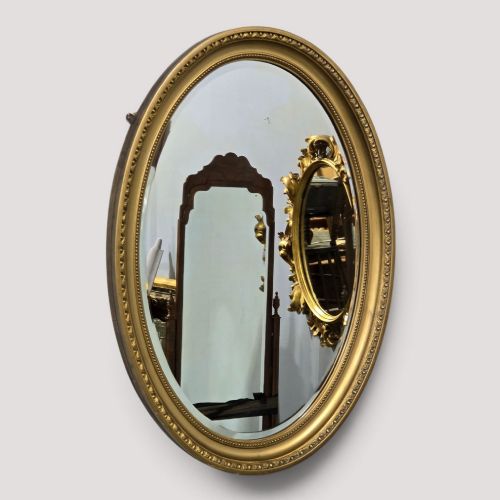
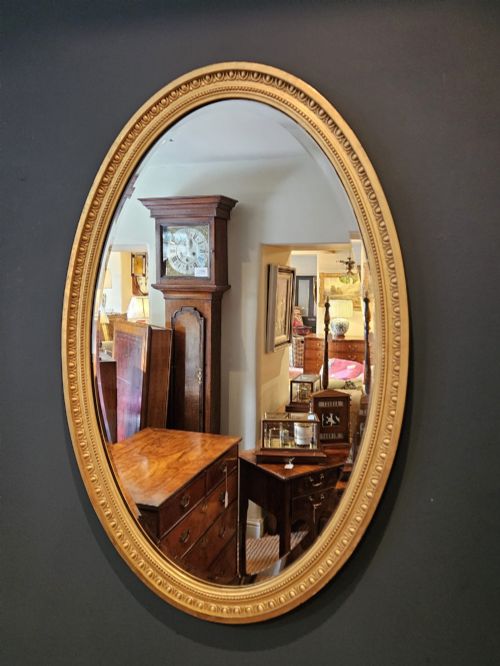
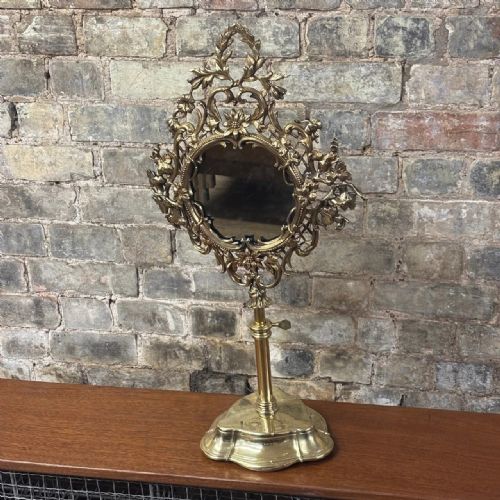
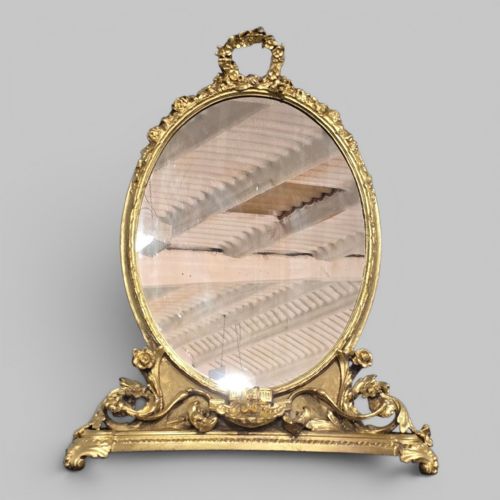
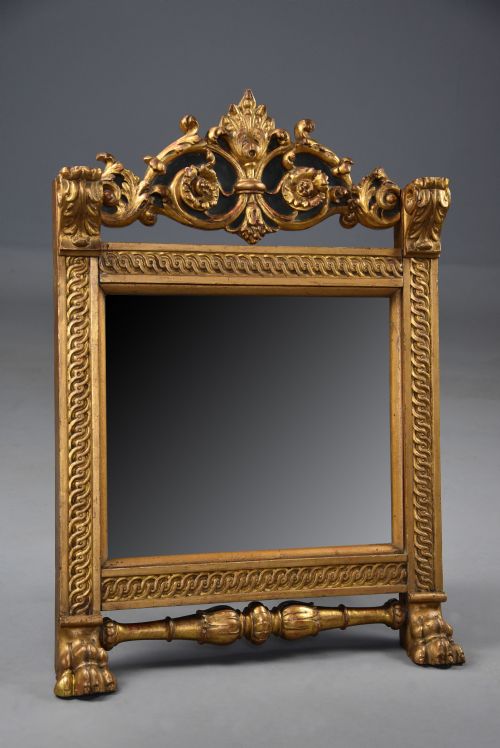
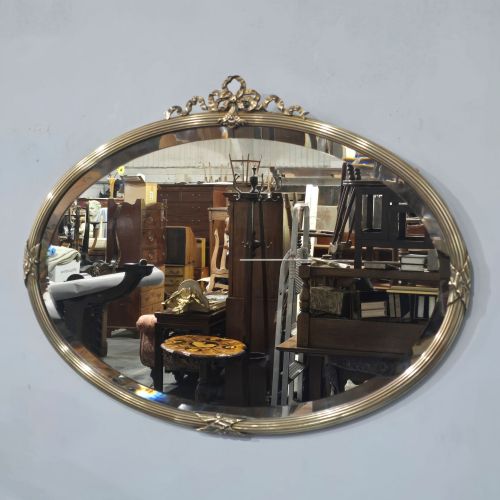
A vintage gold vanity mirror sits on a dressing table or hangs on a wall, providing a clear reflective plate within an ornate metallic or gilded frame. When searching for a vintage gold vanity mirror, buyers encounter table mirrors, dressing table mirrors, and wall-mounted pieces dating from the Victorian and Edwardian eras through to the Art Deco period.
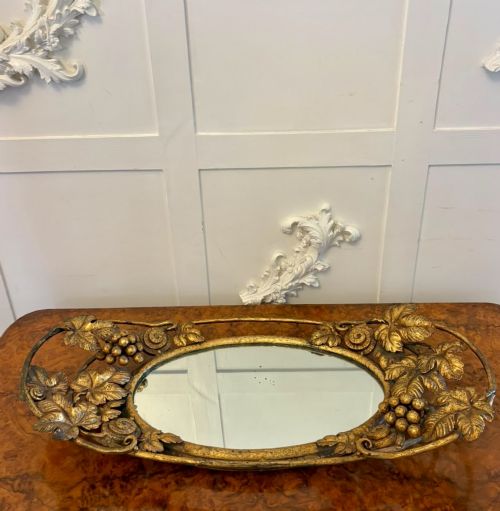
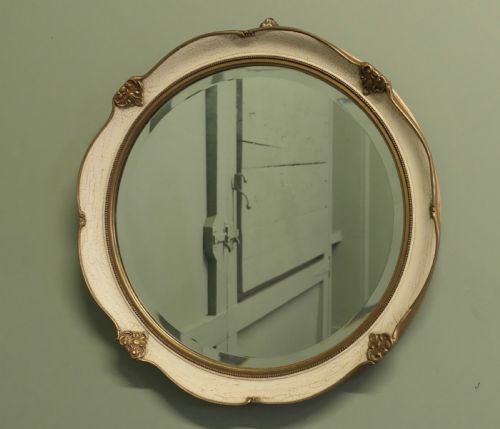
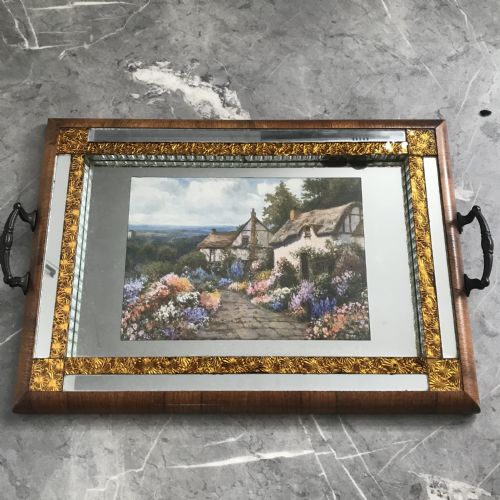
The selection includes oval and round shapes shaped by Rococo Revival and French styles, alongside compact cases and serving trays with mirrored glass. These objects originate from English, French, and Italian workshops spanning the nineteenth and twentieth centuries.
Materials and construction
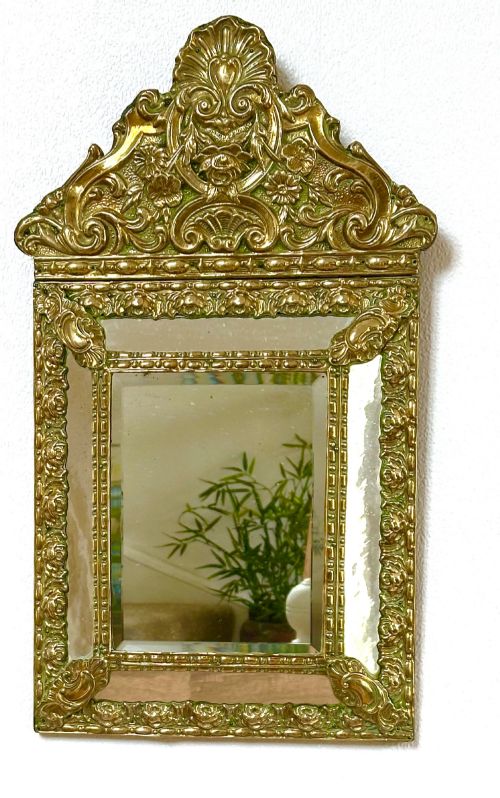
Frames take form in carved giltwood and gesso, alongside cast and pressed brass, gilt metal, and solid bronze. Artisans applied gold leaf to wooden bases or used parcel gilt techniques to highlight intricate scrolling details.
Mirrored glass plates sit within these frames, sometimes secured with easel stands for table use or original hanging chains for walls.
Periods represented span from the nineteenth century through to Art Deco designs of the 1930s.
Judging quality
Quality rests in the crispness of the casting or the depth of the hand carving on the frame. Crisp detail in brass motifs and well-preserved gold leaf distinguish finer examples from simpler production pieces.
The integrity of the mirror glass matters, with original silvering showing authentic age through soft foxing while maintaining a clear reflection.
Cartier·Giuliano Spinelli Florence
The Vintage Gold Vanity Mirror Glossary
- Giltwood
- Wood that has been coated with gold leaf or a gold-coloured finish. This technique creates a luminous metallic surface on decorative frames.
- Gesso
- A plaster-like mixture applied to wood frames before gilding. It provides a smooth base that carvers shape into ornate relief designs.
- Easel mirror
- A table mirror supported by a hinged leg at the back. This allows the glass to stand upright on a dressing chest.
- Repoussé
- Metalwork shaped by hammering from the reverse side to form a raised design. It appears frequently on brass and silver mirror frames.
- Foxing
- Age-related spots and oxidation within the mirror plate. This natural degradation causes small dark dots across the reflective surface.
Vintage Gold Vanity Mirror: Frequently Asked Questions
How do I clean a gilt frame?
Dust the frame gently with a soft, dry brush to remove surface particles.
Avoid liquid cleaners and harsh chemicals, as they strip the gold leaf and damage the underlying gesso.
Are table mirrors stable?
Most table mirrors rely on a sturdy easel back or a weighted metal base for balance.
Check the hinge and support leg to ensure the glass stays secure at the chosen angle.
Can I hang a table mirror?
Table mirrors are built with easel stands or flat bases designed for horizontal surfaces.
Converting them for wall hanging requires specialist brackets that do not strain the original frame.
How do I date these mirrors?
Dating relies on stylistic clues like Rococo curves, Art Deco geometry, and the type of metal or wood used in the construction.
Examining the backboards, fixings, and the character of the mirror glass provides further clues to the period of origin.