


French Chateau Table Mirror
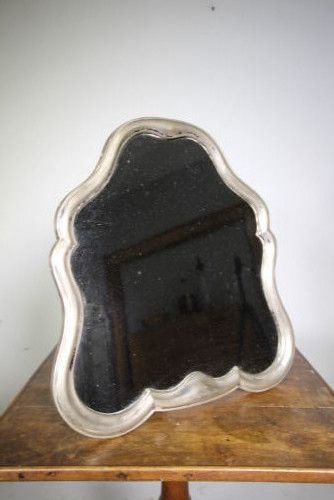
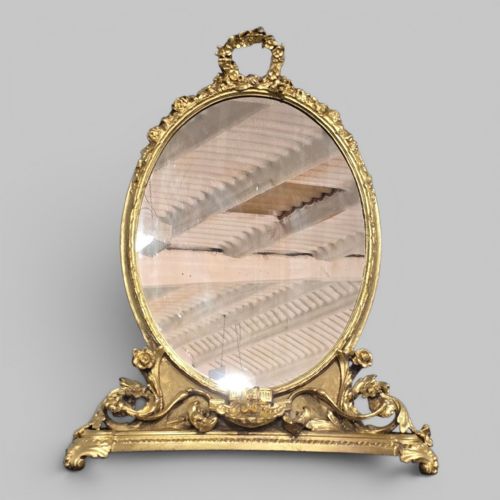
These french chateau table mirror examples bring decorative presence to a dressing space, combining glass, giltwood and brass into functional tabletop statements.
French Chateau Table Mirror
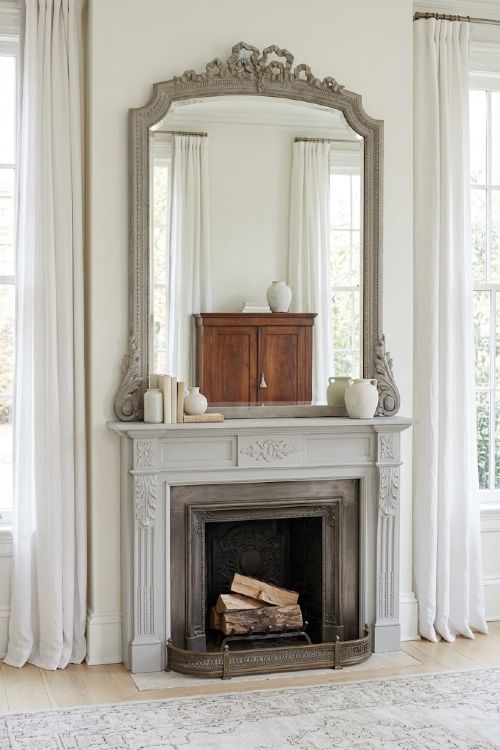
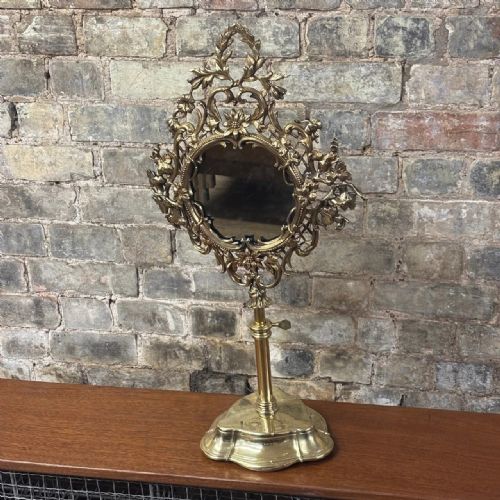
A french chateau table mirror sits upon a dressing table, console or chest, offering a movable reflective surface framed in carved wood or metal. Most items seen here belong to the nineteenth and early twentieth centuries, spanning periods from the Victorian era to Edwardian times.
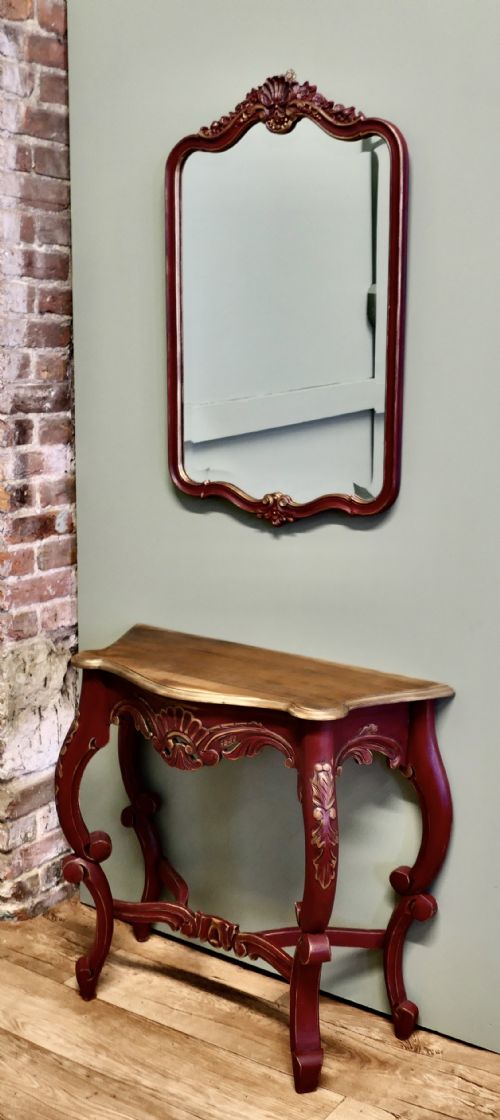
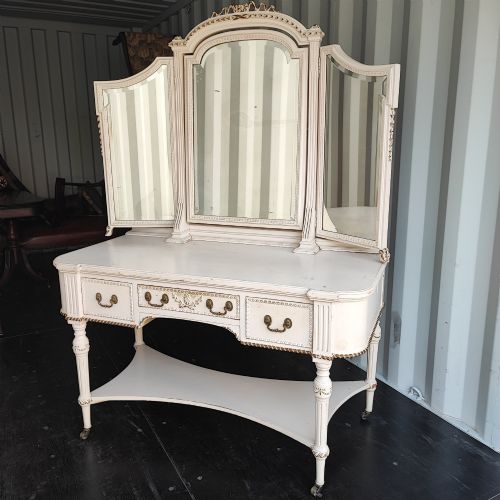
The forms range from single oval or rectangular plates to triple-folding configurations with integrated trinket drawers. Buyers will also encounter matching console table and mirror sets that demonstrate grander proportions for domestic interiors.
Stylistic influences lean heavily towards Rococo Revival and Louis designs, bringing ornate curves and gilded surfaces into smaller scale furnishings. These pieces function both as practical dressing accessories and as decorative focal points within a room.
How they were made
Craftsmen shaped these frames from materials such as giltwood, solid brass, walnut and painted wood, often applying gesso to create high relief ornamentation. Bevelled glass plates provide the reflective surface, secured within carved or cast surrounds.
Makers utilised techniques like parcel gilding and silver gilt finishes to catch the light, whilst structural elements relied on traditional joinery for wooden carcasses and casting methods for brass components.
Materials documented across the pieces include glass, giltwood, brass, marble, gesso, walnut and painted wood.
What varies in quality
The distinction between standard examples and finer pieces lies in the crispness of the carving within the giltwood and gesso, alongside the weight and detail of the cast brass mounts. Superior items display deep, deliberate hand-carved relief rather than softer, mass-produced moulding.
The French Chateau Table Mirror Glossary
- Giltwood
- Wood that has been coated with gold leaf or a gold-coloured metallic finish. This technique adds brightness and decorative richness to the frame.
- Gesso
- A plaster-like mixture applied to wood surfaces as a base for carving and gilding. It allows craftsmen to create sharp relief ornamentation.
- Rococo Revival
- A nineteenth-century design style that draws inspiration from the asymmetry and C-scrolls of the eighteenth-century movement. It dominates the decorative detailing on these mirrors.
- Bevelled glass
- A glass mirror plate with edges that have been cut and polished to an angled slope. This treatment creates a prismatic light effect around the perimeter.
- Parcel gilt
- A finishing method where only specific parts of an object are highlighted with gold leaf. It creates contrast against a painted or natural wood background.
French Chateau Table Mirror: Frequently Asked Questions
How do I place a table mirror?
Position the mirror on a sturdy surface such as a dressing table, chest of drawers or console table where it receives adequate natural light. Ensure the base sits level and stable to support the weight of the swinging frame.
Consider the height in relation to where you sit or stand, adjusting any pivoting mechanisms gently so the glass angle suits your daily routine.
Were these mirrors used daily?
These pieces served practical purposes in bedrooms and dressing rooms throughout the nineteenth and early twentieth centuries. They provided necessary reflection for grooming and styling hair.
Many designs incorporated small trinket drawers at the base to hold pins, jewellery and cosmetics, making them central to morning routines.
How do I clean the glass?
Apply a mild glass cleaner to a soft cloth rather than spraying directly onto the mirror surface. This prevents moisture from seeping behind the glass plate or damaging the surrounding wooden frame.
Keep cleaning solutions away from giltwood, brass and painted areas to preserve the integrity of the original finishes.
Can I date these mirrors?
Examine the materials, construction methods and stylistic cues to determine the period of origin. Pieces from the nineteenth century often feature heavier brass casting or deeper hand-carved gesso work.
Look at the backing boards, screw types and the bevelling of the glass plate for additional clues regarding age and manufacturing technique.
Are triple mirrors adjustable?
Triple-folding mirrors feature hinged side panels that pivot around a central plate. These moveable wings allow the user to check angles from the side during dressing.
Check that the hinges operate smoothly without straining the wood or metal framework when adjusting the position of the side panels.