


Gilded Tabletop Vanity Mirror
A gilded tabletop vanity mirror brings refined reflection to any dressing space, offering period charm and practical elegance.
Gilded Tabletop Vanity Mirror
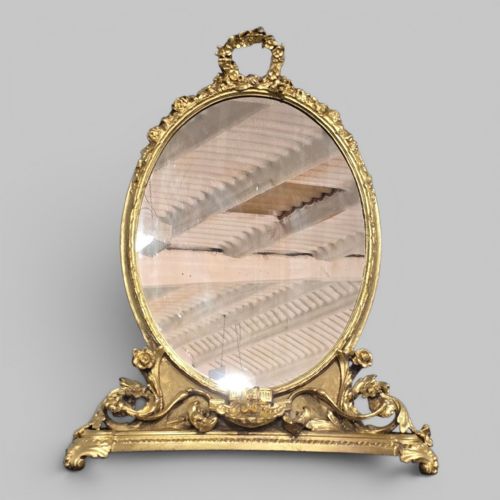
You are most likely to meet Victorian and late nineteenth-century examples on this page. These pieces frequently draw upon French Rococo revival, Renaissance revival, and Chinoiserie aesthetics.
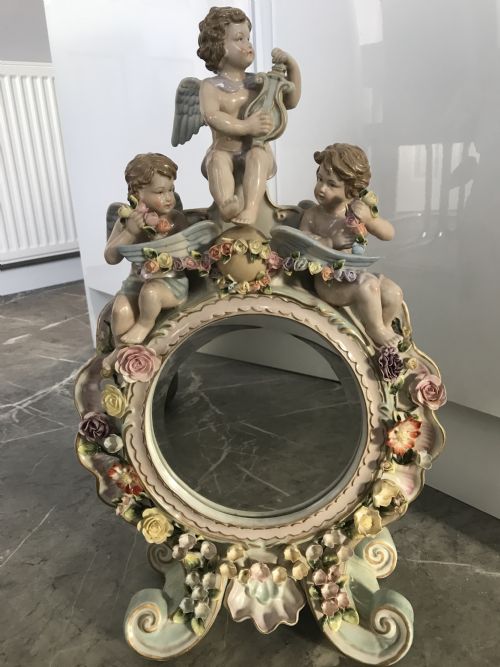
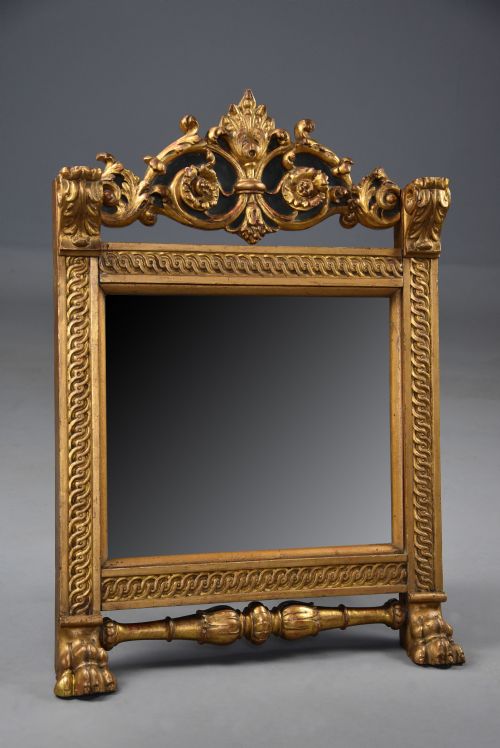
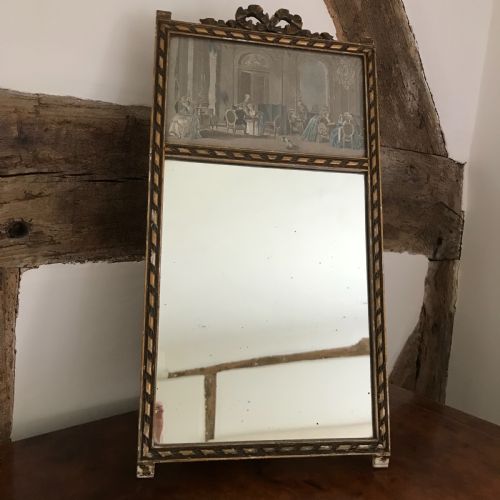
Forms range from simple architectural frames to elaborate designs featuring carved wooden structures, porcelain floral embellishments, and metal mounts. They sit upon dressing surfaces, combining functional reflection with ornamental presence.
How they were made
Maker's hands shaped these objects using carved wood, gesso, and giltwood, alongside cast gilt metal and ormolu. Artisans applied thin layers of gold leaf or surface gilding to create rich metallic finishes.
Specialised techniques include ebonised wood finishing, intricate gesso moulding, and the integration of painted porcelain plaques such as Limoges enamel. Frames were constructed to house bevelled or flat mirror glass securely, often supported by easel backs or sturdy table stands.
Materials recorded across the inventory include mirror glass, gilt metal, ebonised wood, and gilt lacquer, reflecting diverse European manufacturing traditions.
What varies in quality
Depth and precision of ornamentation separate standard items from superior pieces. Hand-carved giltwood and detailed gesso work show a sharpness in design that mass-produced or simpler metal castings lack.
The integration of specialised materials dictates the calibre of the mirror. Finer examples incorporate elements like painted porcelain figures, Limoges enamel panels, or nuanced ebonised wood details rather than relying on plain finishes.
The Gilded Tabletop Vanity Mirror Glossary
- Giltwood
- Wood that has been coated with gold leaf or a gold-coloured substance. This finish provides the characteristic metallic gleam seen on many period frames.
- Gesso
- A plaster-like mixture applied to wood surfaces as a base for gilding or painting. It allows craftsmen to carve intricate relief details before applying gold leaf.
- Ormolu
- Finely chased and gilded bronze or brass used for decorative mounts and frames. It became particularly popular in French-influenced luxury goods.
- Easel mirror
- A freestanding mirror supported by a hinged leg or prop at the back. This mechanism allows the glass to tilt at various angles on a tabletop.
- Chinoiserie
- European interpretation of Chinese and East Asian artistic traditions. It often appears on lacquered or ebonised surfaces with decorative motifs.
Gilded Tabletop Vanity Mirror: Frequently Asked Questions
How do I date a period vanity mirror?
Dating relies on examining the construction methods, materials, and stylistic motifs present in the frame and glass. Eighteenth-century pieces typically show hand-carved gesso and giltwood, while Victorian examples often embrace heavier revival styles.
Clues also lie in the hardware, assembly techniques, and the backboards used to secure the mirror glass.
Where were these mirrors placed?
Historically, they sat atop dressing tables, washstands, or commodes in bedrooms and dressing rooms. Their portable nature allowed owners to move them around to catch optimal natural light.
Today, they function similarly on modern dressing surfaces or mantelpieces as decorative accent pieces.
What styles are common in antique table mirrors?
Rococo revival is particularly prevalent, characterised by asymmetrical scrolls, C-scrolls, and naturalistic floral motifs. Other common styles include Renaissance revival, Chinoiserie with ebonised finishes, and French country designs.
Some examples incorporate figural porcelain elements, such as cherubs or floral encrustations from European factories.