



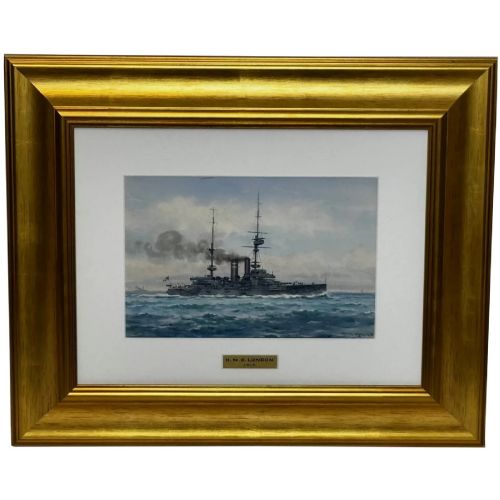
Vintage Gold Picture Frame
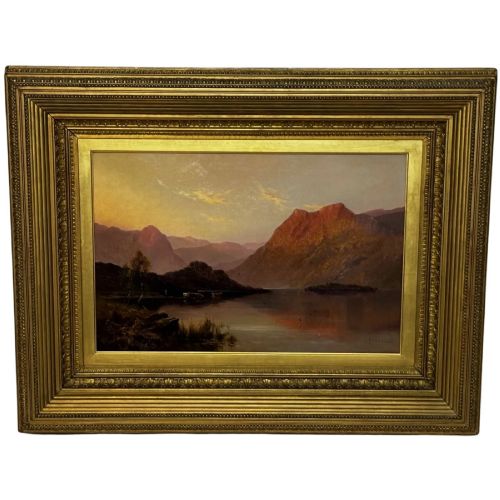
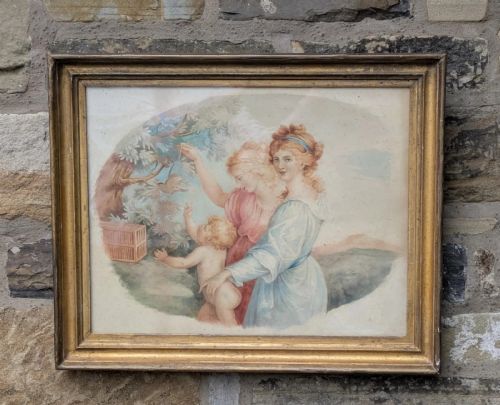
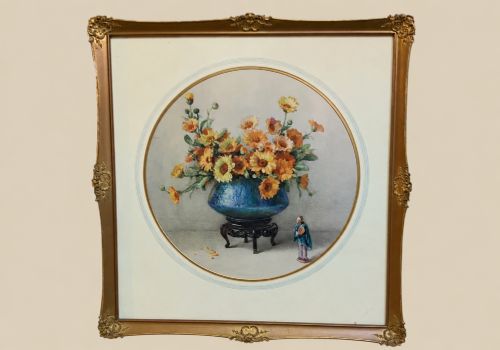
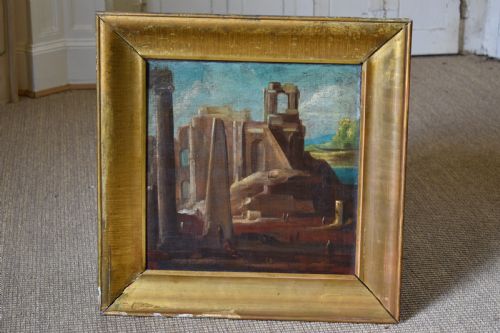
A vintage gold picture frame holds oil paintings, watercolours, and prints across Victorian, Edwardian, and mid-century periods, bringing warmth and metallic lustre to wall art.
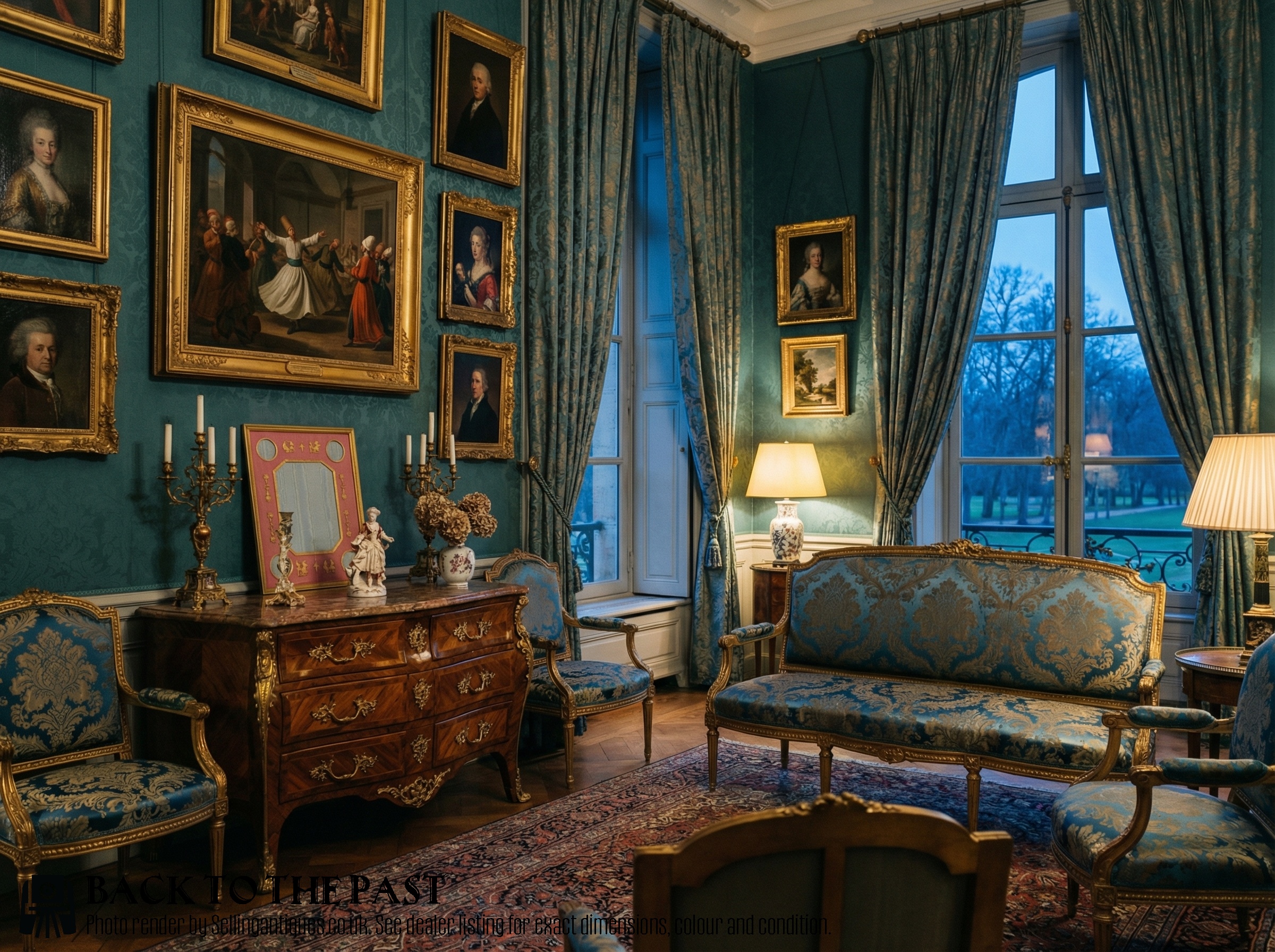
Vintage Gold Picture Frame
When you search for a vintage gold picture frame, you encounter objects spanning the nineteenth century through the mid-twentieth century, including Victorian, Edwardian, and later twentieth-century examples. The selection contains picture frames house oils, watercolours, engravings, and prints within gilded surrounds.
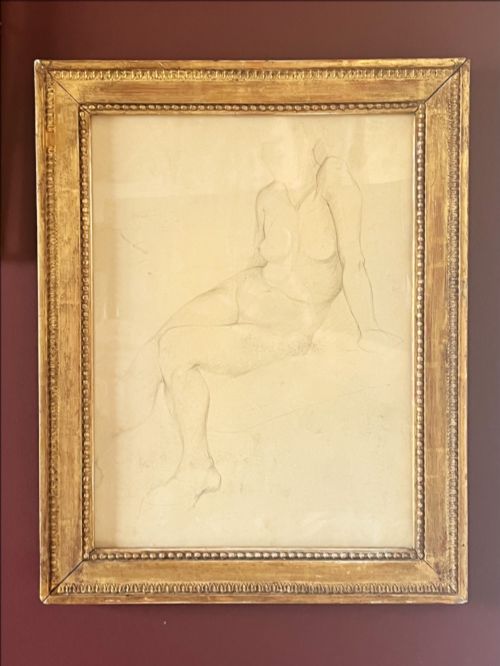
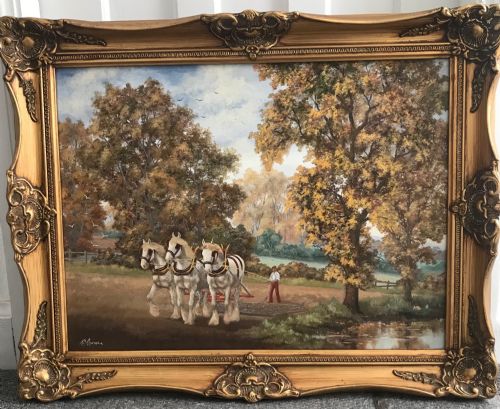
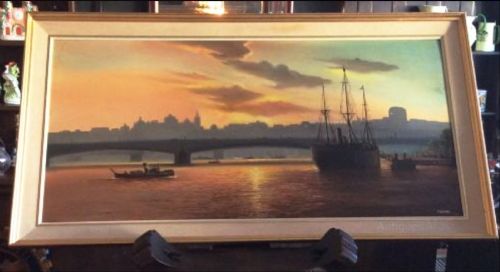
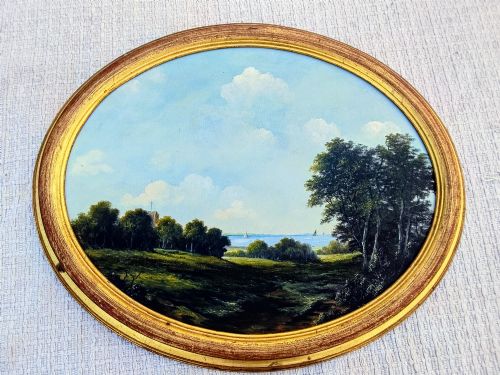
Many listings present these frames complete with their original artwork, ranging from marine seascapes and landscape oil paintings to pencil drawings and lithographs. Others appear as empty frames or house period engravings and pastels dating from the eighteenth century onwards.
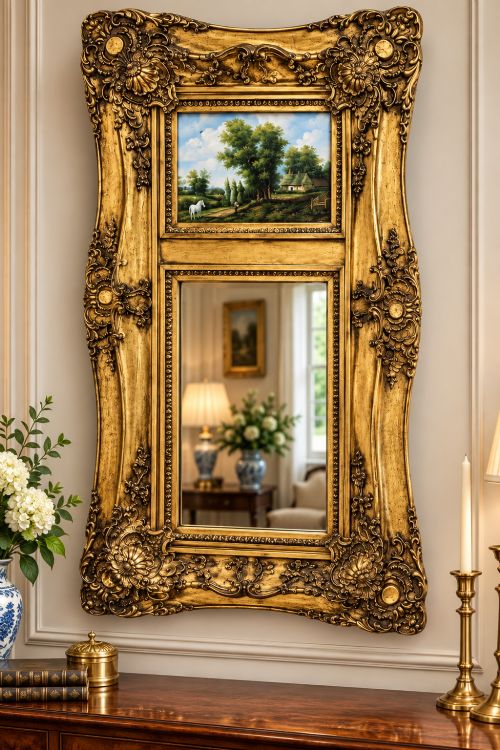
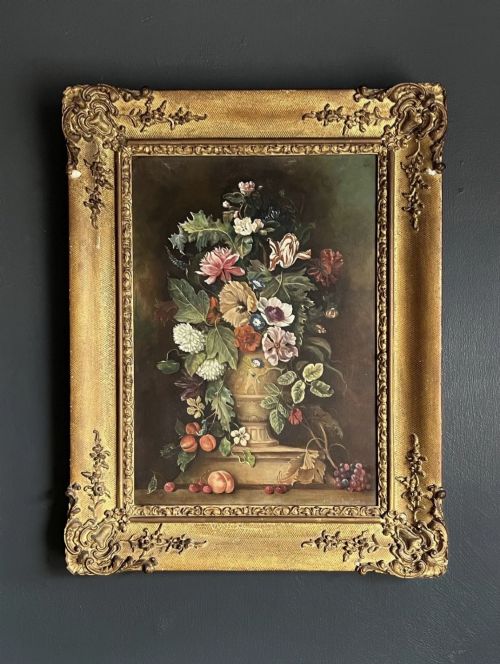
The styles of these frames draw upon neoclassical, rococo revival, and mid-century modern design traditions. You meet swept gilt frames, gesso mouldings, ormolu details, and rosewood constructions that frame everything from French portraits to Dutch flower still lifes.
How they were made
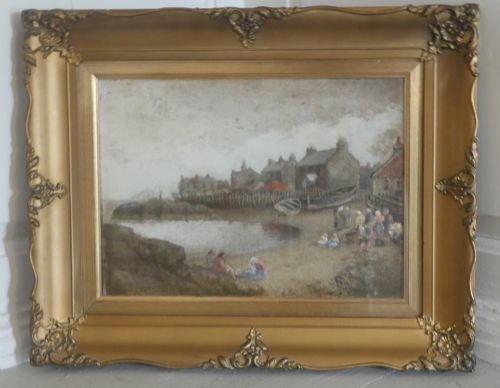
Makers constructed these frames primarily from wood, applying layers of gesso to build up decorative mouldings and relief ornament before applying a gold finish. Giltwood and gilded surfaces reflect traditional craftsmanship where metal leaf or gold paint coats the wooden substrate.
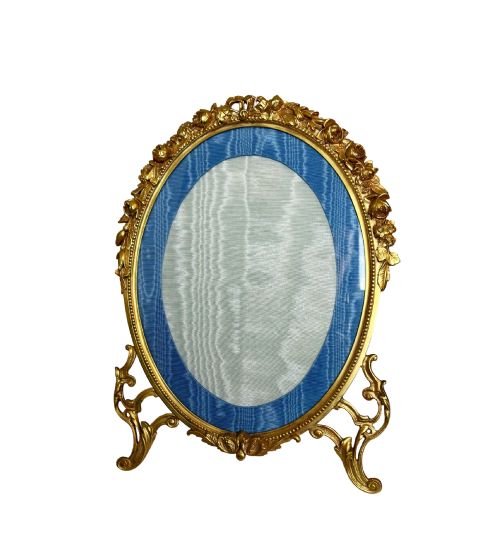
Several examples incorporate cast bronze or ormolu mounts, particularly in Edwardian photograph frames and nineteenth-century oval designs. Artisans combined wood joinery with detailed plasterwork to achieve the rich surface texture seen in rococo revival and swept frames.
The documented styles span Victorian, Edwardian, Neoclassical, Rococo Revival, and Mid-Century Modern designs.
What varies in quality
The standard of a frame rests upon the depth of the gesso work and the crispness of the moulded ornamentation. Finer examples display hand-modelled relief details rather than cast plaster shortcuts, maintaining sharp definition along the corners and sight edges.
The method of gilding alters the character of the surface, with genuine gold leaf ageing into a softer warmth compared to applied metallic paint. Preservation of the original gilding without extensive overpainting dictates the integrity of the piece.
The Vintage Gold Picture Frame Glossary
- Gesso
- A plaster mixture applied to wood frames as a base for gilding. It allows artisans to carve or mould intricate decorative patterns.
- Giltwood
- Timber coated with gold leaf or gold powder. This material provides the foundational metallic finish for traditional picture frames.
- Ormolu
- Gilded bronze or brass applied to decorative objects and frames. Popular during the Edwardian period for small photo frames.
- Swept frame
- A frame featuring scrolling, undulating moulded corners and edges. Common in mid-century Italian and Victorian portrait presentations.
- Lithograph
- A print made from a flat stone or metal plate. Many vintage framed works utilise this technique to reproduce popular artwork.
Vintage Gold Picture Frame: Frequently Asked Questions
How do I date a gold frame?
Dating relies upon examining the underlying wood construction, corner joinery, and the composition of the gesso layers. Earlier nineteenth-century examples often use hand-cut timber and dense plaster ornament, whereas mid-century versions show distinct profile shapes and modern backing boards.
Matching the frame style to the period of the enclosed artwork offers further guidance, though framing styles frequently crossed decades as owners updated their interiors.
Can I swap the artwork inside?
Most frames permit the removal of backing boards to change paintings or prints, provided the internal dimensions match your new artwork. Care is required with older backing papers and sealing tapes to preserve the structural integrity of the frame.
Original artwork often stays with its period frame because the two were selected together to complement scale and colour palette.
How do I clean a gilded surface?
Dusting requires a soft, dry brush or feather duster to remove surface particles without disturbing delicate gesso or leaf. Moisture and chemical solvents must be avoided entirely to prevent lifting the gold layer from the wooden base.
Professional restoration is recommended for significant accumulation of grime or areas where the metallic finish shows flaking.
What styles match these frames?
These pieces complement both traditional period interiors and contemporary spaces seeking a contrasting focal point. Neoclassical and rococo revival designs suit formal rooms, while mid-century modern frames blend easily with minimalist decor.
Hanging them alongside modern art creates a striking juxtaposition between historic frames and contemporary imagery.