
Vintage Gold Glass
Vintage gold glass brings together glittering gilt frames, amber paste, and overshot glass with gilded rims from the eighteenth, nineteenth, and early twentieth centuries.
Vintage Gold Glass
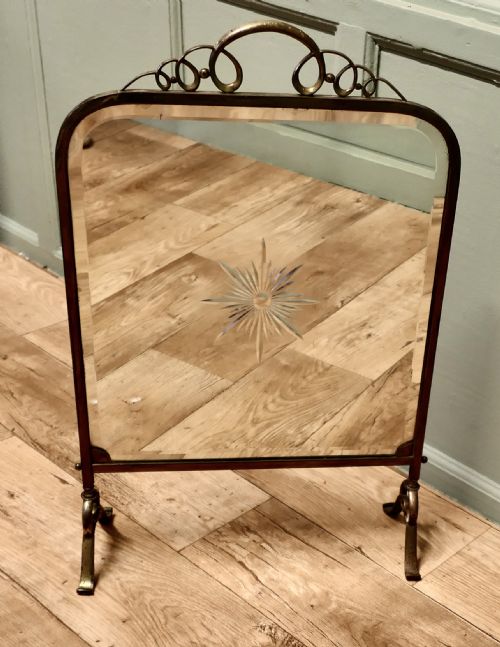
When you search for vintage gold glass, you encounter a mix of gilded mirrors, crystal chandeliers, jewellery set with gold and paste, and decorative glass vessels. The selection draws heavily from nineteenth-century Victorian and Edwardian periods, alongside earlier eighteenth-century mirrors and 1920s Art Deco items.
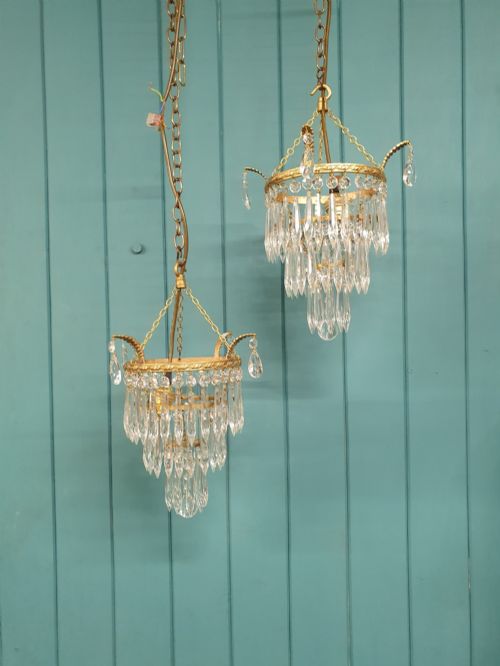
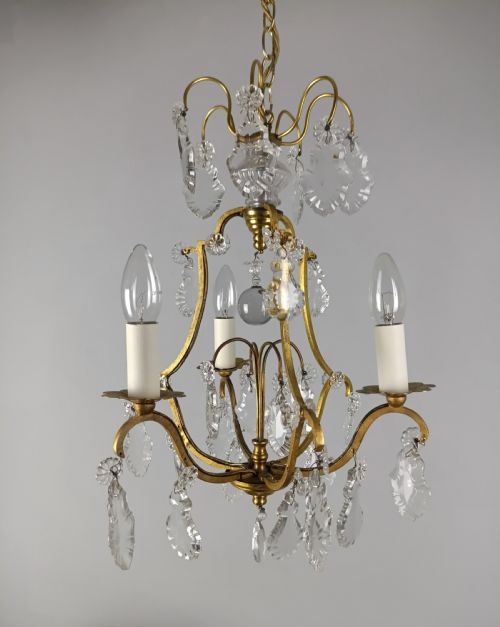
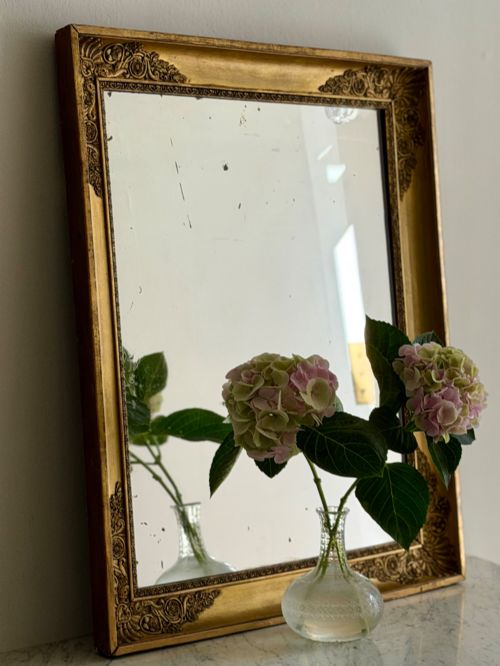
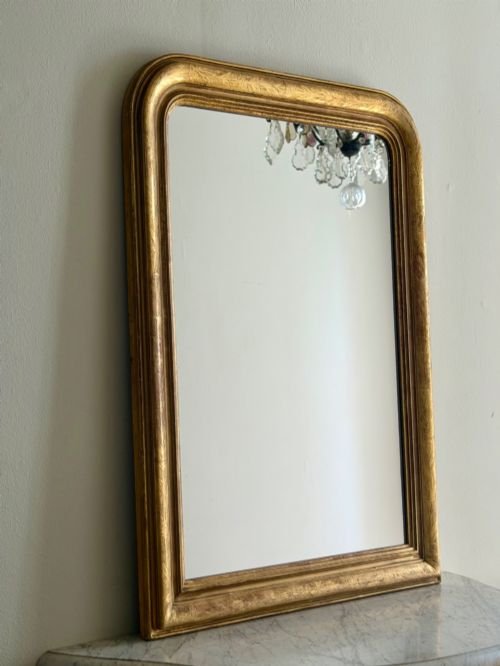
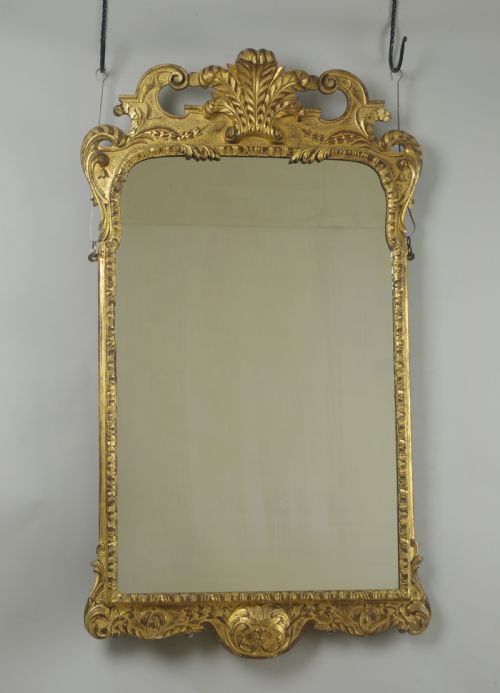
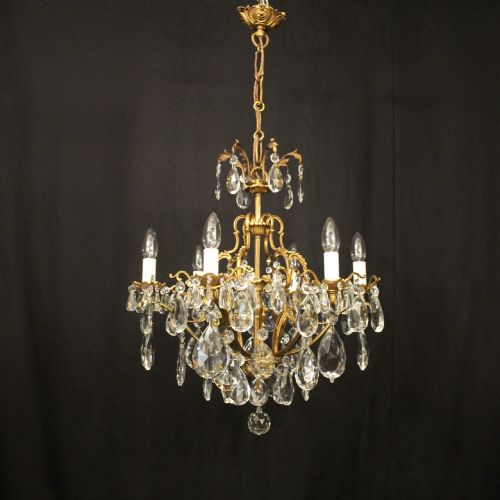
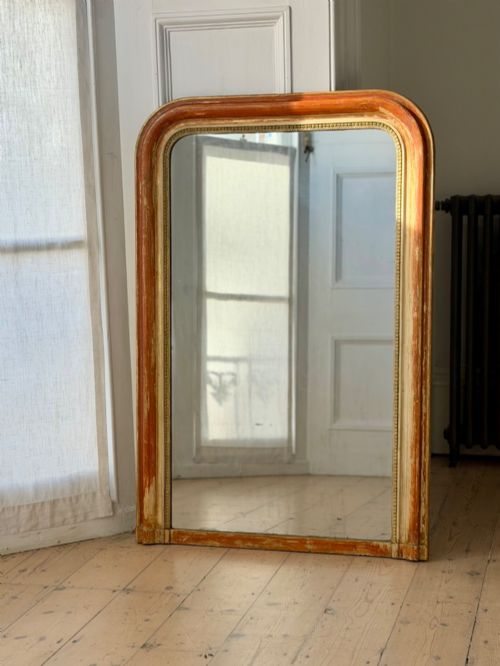
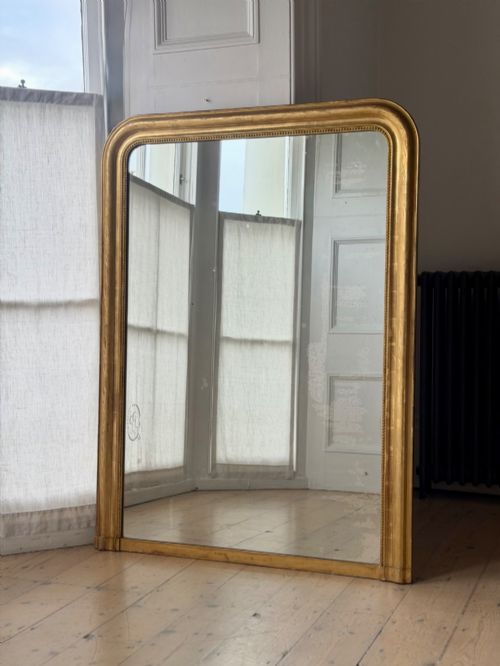
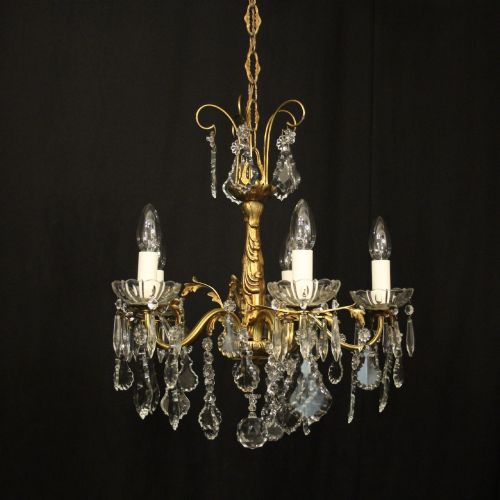
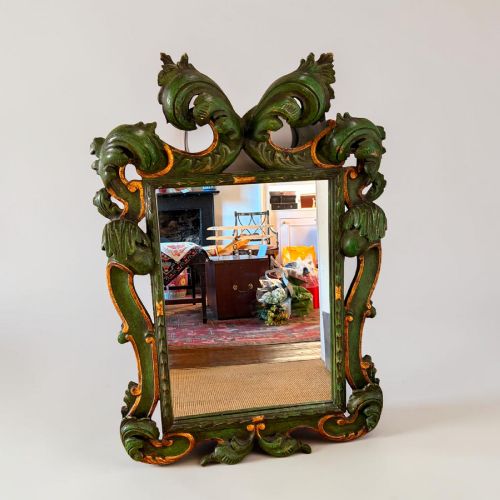
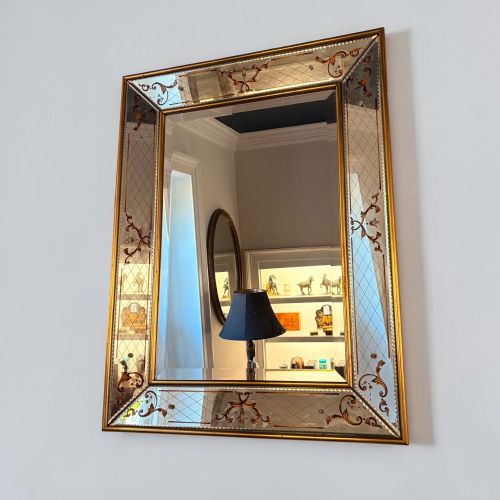
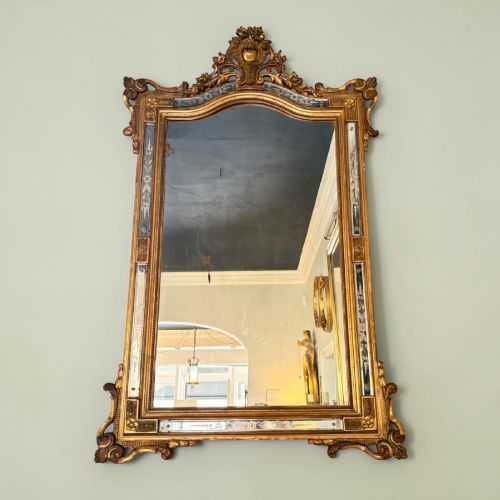
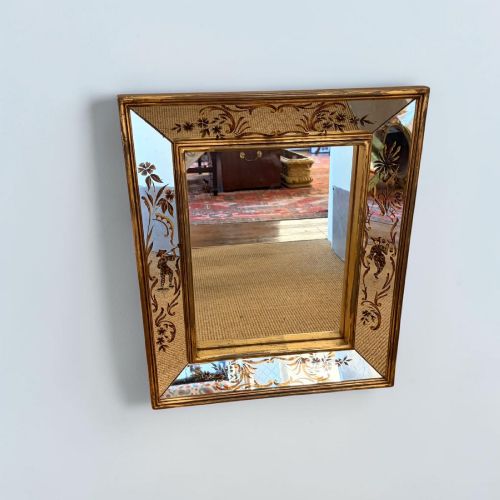
Mirrors form a large part of the selection, particularly French giltwood, gesso, and parcel gilt wall mirrors featuring bevelled or foxed mercury glass plates. Alongside these, buyers find brass and crystal chandeliers, carriage clocks, and rings or earrings combining gold with amethyst and green paste stones.
How they were made
Makers utilised traditional methods, applying gold leaf and gesso to carved wood frames for mirrors, and casting bronze and brass for chandeliers and clock cases. Glass was blown, cut, and sometimes decorated with gilded rims, while jewellery combined gold with silver settings and paste stones.
The combination of gilt bronze, crystal lustres, and hand-carved giltwood defines the physical construction across these periods. Mercury glass plates with foxing appear frequently in the older mirror listings.
Listings feature items from the 18th century, Victorian period, Edwardian era, and 1920s Art Deco movement.
What varies in quality
Quality shows in the depth and crispness of the hand-carving on giltwood and gesso frames, where superior examples retain sharp relief and intricate detail. In glass and crystal items, the clarity of the material and the precision of the cut facets distinguish finer pieces.
The integration of materials also matters, such as the weight of the cast bronze on chandeliers and the secure setting of paste stones within gold and silver jewellery mountings.
Goldsmiths Alliance Ltd·Maison Baguès
The Vintage Gold Glass Glossary
- Gesso
- A plaster-like mixture applied to wood frames as a base for gilding. It allows for intricate moulded and carved decorative details.
- Foxed mercury glass
- Mirror plates showing spots and discoloration caused by the degradation of the reflective backing over time. This ageing process creates a characteristic speckled appearance.
- Paste
- Cut glass or lead crystal used as an imitation gemstone in jewellery. Historic paste stones were hand-faceted and set into precious metals like gold and silver.
- Parcel gilt
- An object or frame partially gilded with gold leaf, leaving areas of the underlying wood or material exposed. This technique highlights specific carved details.
- Overshot glass
- Glass decorated with a rough, icy texture created by rolling hot glass over fine glass fragments. These pieces often feature hand-applied gilded rims.
Vintage Gold Glass: Frequently Asked Questions
What is vintage gold glass?
Vintage gold glass encompasses decorative items featuring glass, crystal, and gold tones from past centuries. This category spans gilded mirrors, chandeliers, and jewellery.
The listings include eighteenth-century pieces up to 1920s Art Deco designs, uniting items through their use of glass, crystal, and gold leaf or metal.
How do I clean a gilt mirror?
Cleaning gilt mirrors requires dry dusting with a soft brush to protect the delicate gold leaf and gesso surfaces. Moisture can damage old gilding.
Avoid commercial cleaning sprays near the frame. The glass plate itself can be wiped gently with a cloth dampened slightly with water.
What is foxed glass?
Foxed glass refers to mirror plates that have developed dark spots and an uneven reflective quality as the backing ages. This occurs naturally over decades.
Many collectors prize foxed mercury glass for the authentic antique character it brings to nineteenth-century and earlier wall mirrors.
Are these pieces original antiques?
The items originate from documented historic periods, ranging from the eighteenth century through the Victorian era and into the early twentieth century.
Materials and construction methods match the period styles recorded in the descriptions, including hand-carved gesso frames and cast brass hardware.