
Vintage Gold Clock
A vintage gold clock brings warmth and character to a room, turning practical timekeeping into a decorative statement.
Vintage Gold Clock
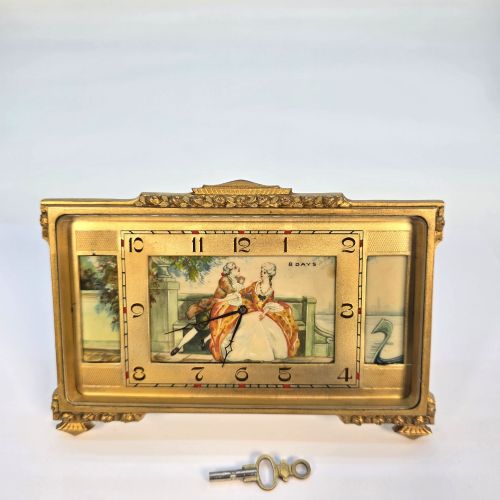
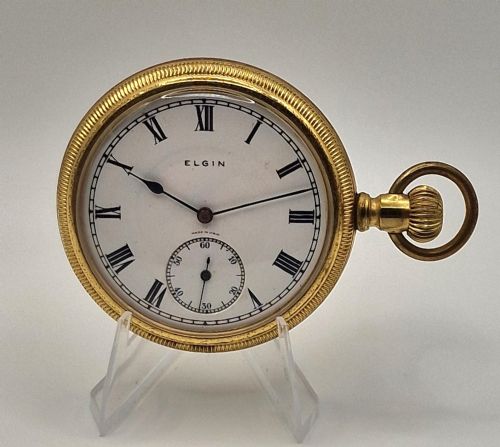
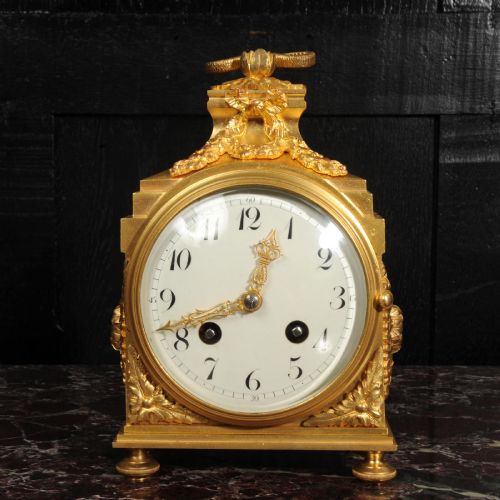
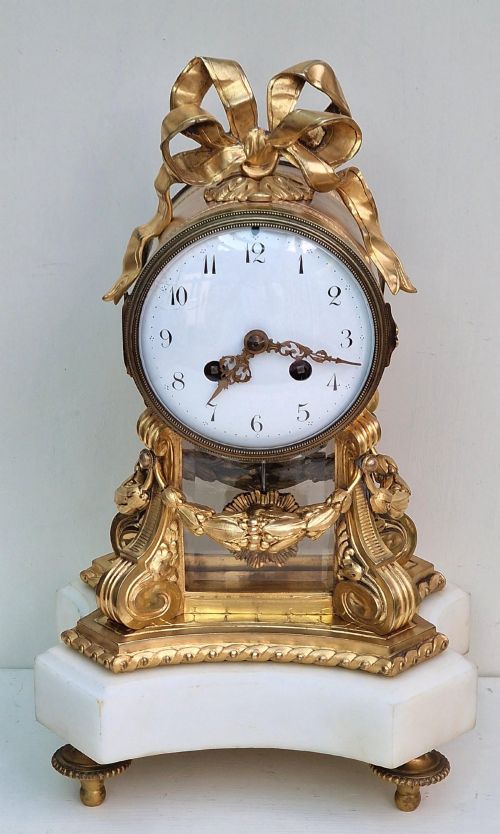
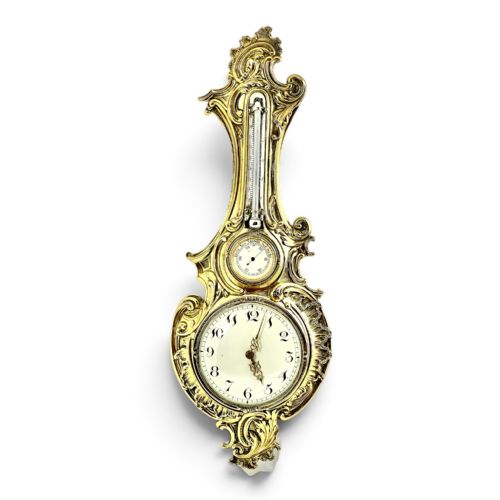
A vintage gold clock encompasses a wide array of timepieces finished in brass, gilt bronze, and ormolu, originating from the nineteenth and early twentieth centuries. Buyers seeking these items will encounter numerous carriage clocks alongside mantel clocks, wall clocks, desk clocks, and occasional longcase varieties.
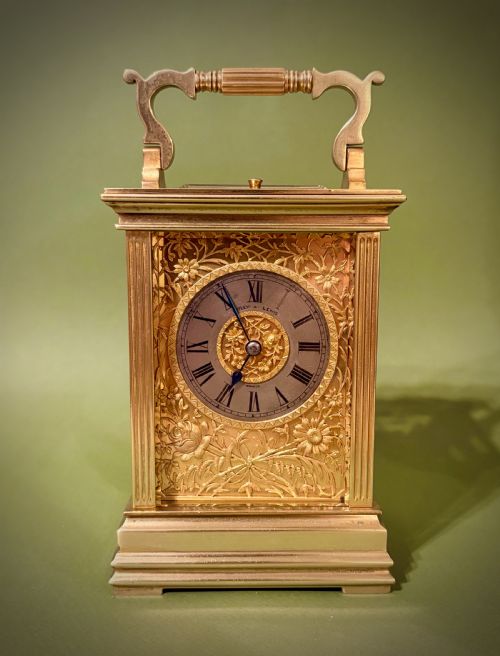
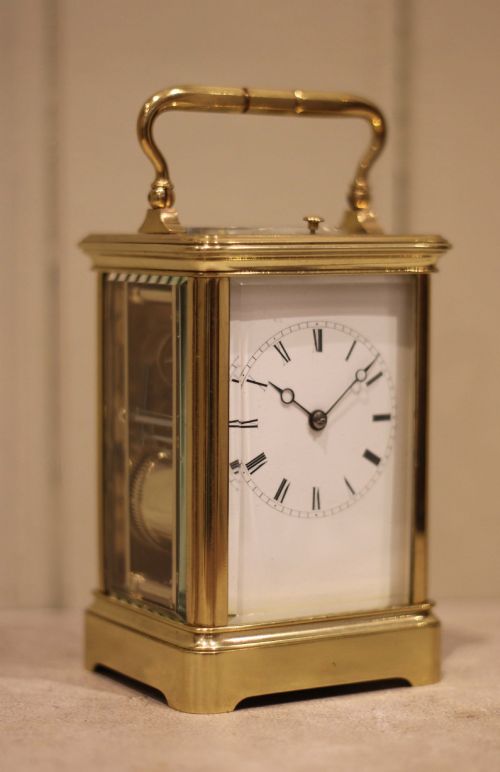
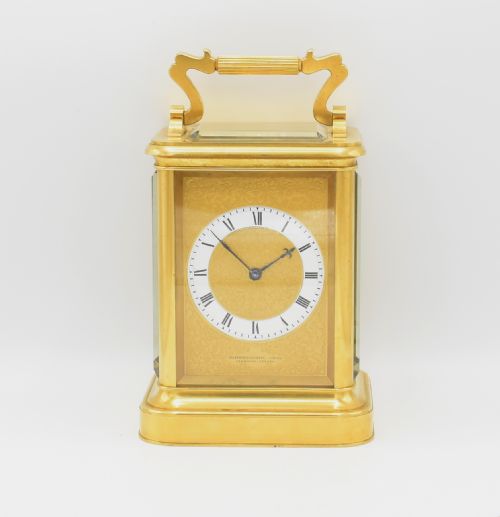
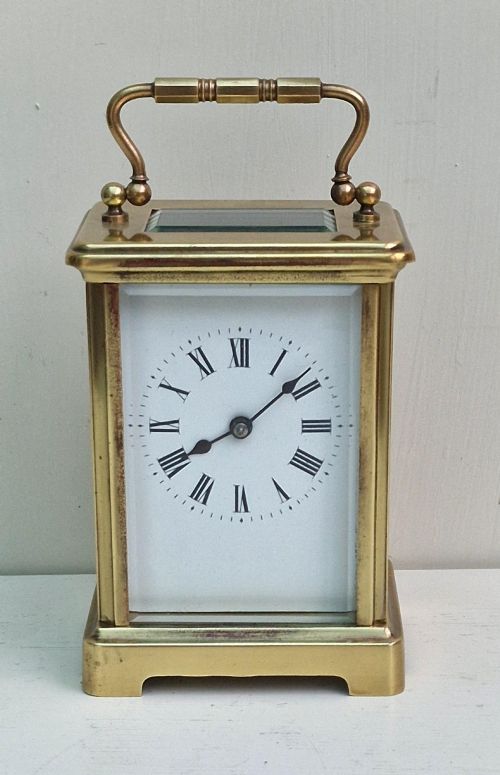
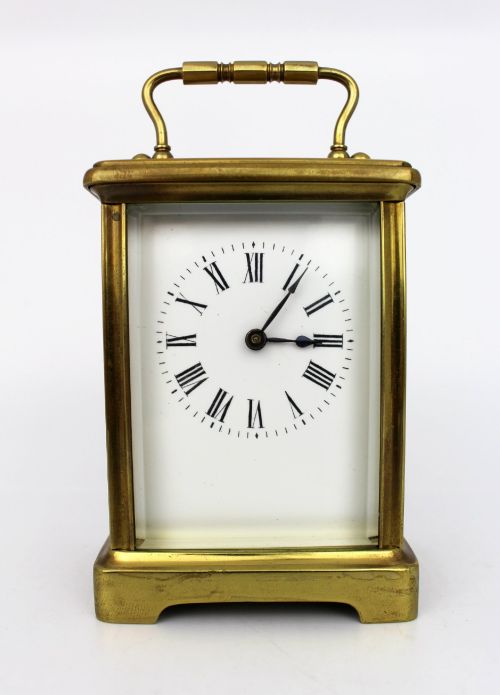
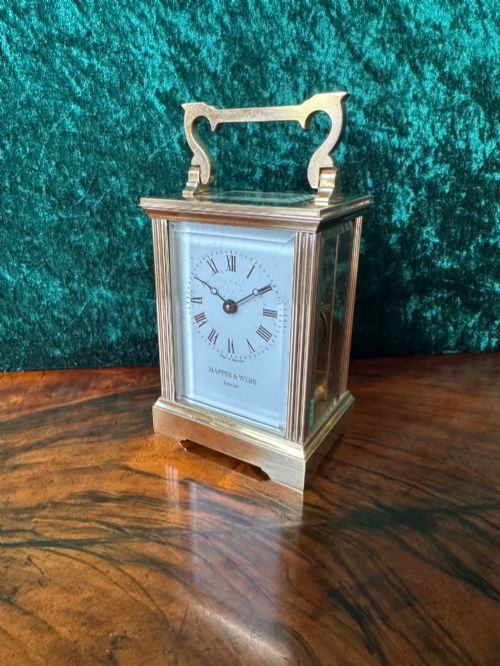
The most common examples on this page are carriage clocks housed in brass cases, often featuring detailed engraving or glass panels. These pieces span periods from the Victorian era through to the early decades of the twentieth century, reflecting French and British workmanship.
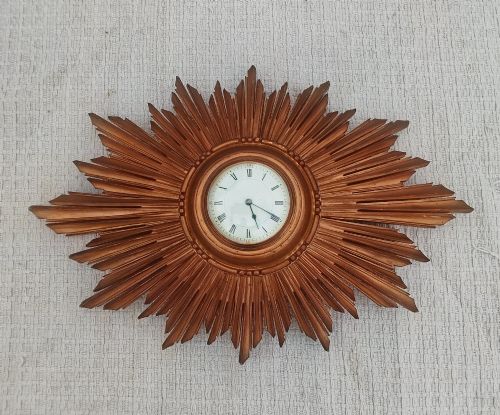
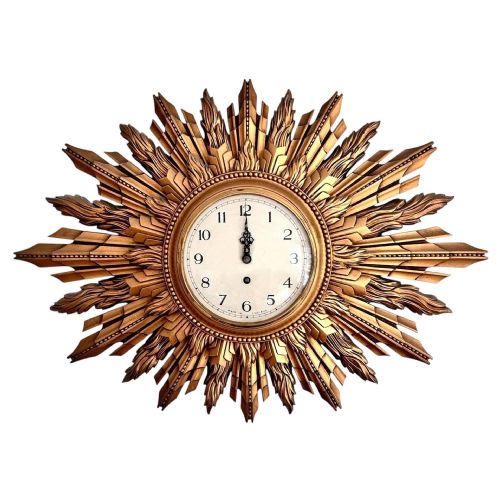
Alongside portable timepieces, the selection includes decorative mantel clocks in marble and wood, as well as wall-mounted star burst designs. Regional influences range from French workshops to British makers, offering diverse aesthetic options for interiors.
Materials and construction
Metal forms the backbone of these pieces, with brass, gilt brass, and ormolu providing the primary structure and golden sheen for cases and dials. Artisans combined these metals with glass panels to reveal intricate internal movements, sometimes adding enamel details or porcelain mounts for contrast.
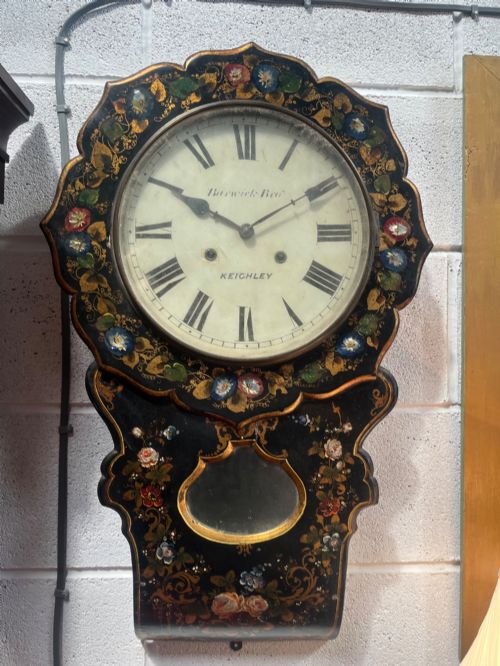
Wood and marble also feature prominently in heavier mantel and longcase models, often paired with lacquered finishes or painted decoration. Star burst wall clocks utilise carved giltwood to create dramatic rays extending from the central dial.
Object types featured across the inventory include portable carriage clocks, architectural mantel clocks, striking wall clocks, and musical longcase clocks.
Assessing craftsmanship
Quality reveals itself in the crispness of the case engraving and the depth of the gilding on brass and ormolu surfaces. Finer examples display meticulous hand-chased details and heavy cast components rather than light, stamped metal.
The complexity and refinement of the movement distinguish higher-tier pieces, particularly those with repeating strikes, alarms, or multi-train mechanisms by known makers. Original fitted travel cases and intact glass panels further elevate a timepiece's standing.
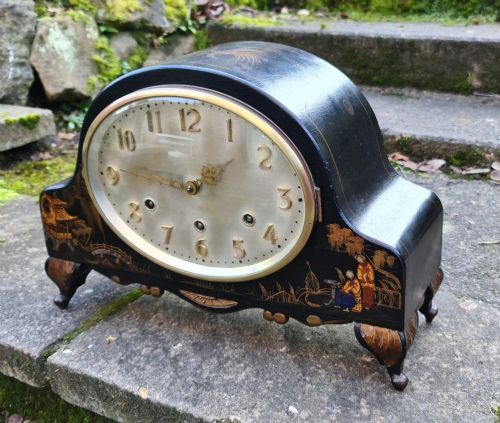
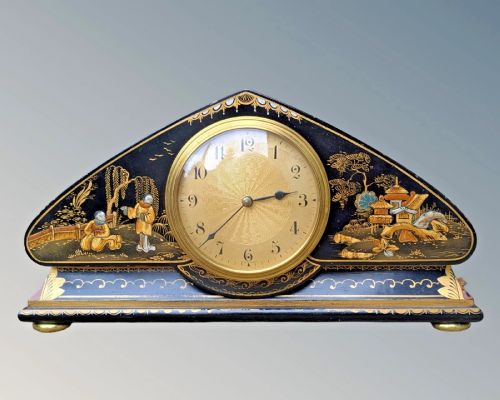
Proportion and decorative harmony separate standard production items from exceptional works, especially in painted Chinoiserie models and architectural marble or wooden mantel clocks.
Goldsmiths Alliance Ltd·Smiths England·Mappin and Web·Henri Jacot·Antoine Redier of Paris·T. Martin and Co
The Vintage Gold Clock Glossary
- Ormolu
- Gilded bronze used widely in decorative arts and clock cases during the eighteenth and nineteenth centuries. This technique imparts a rich, golden finish to cast metal mounts.
- Carriage clock
- A small, portable spring-driven timepiece designed for travel during the nineteenth century. These clocks typically feature a rectangular brass case with glass sides and a handle on top.
- Repeating clock
- A timepiece equipped with a mechanism that chimes the hours and quarters upon pressing a button or lever. This function allowed owners to check the time in the dark.
- Chinoiserie
- European artistic style incorporating East Asian motifs, often seen in lacquered clock cases and decorative painted scenes. This aesthetic gained popularity across various Victorian and Edwardian periods.
- Star burst wall clock
- A decorative wall timepiece featuring symmetrical rays radiating from a central dial, commonly associated with mid-century or earlier twentieth-century design.
Vintage Gold Clock: Frequently Asked Questions
What is a carriage clock?
A carriage clock is a portable mechanical timepiece originally built for travel by coach during the nineteenth century. They are housed in protective metal and glass cases, often fitted with a swinging handle on top.
Most examples operate on a spring-driven movement rather than weights, allowing them to maintain accurate time while moving. Their compact design made them popular gifts and essential accessories for affluent travellers.
Where should I place a mantel clock?
Mantel clocks suit stable, flat surfaces such as fireplace mantels, sideboards, or large bookshelves. Choose a location away from direct sunlight, excessive moisture, and temperature fluctuations that might affect the wood or metal case.
Ensure the piece rests securely to keep the pendulum or balance wheel beating evenly. Proper placement helps the mechanical movement maintain reliable timekeeping.
How do I identify French carriage clocks?
French carriage clocks typically feature heavy brass frames with bevelled glass panels and platform escapements visible through the top glass. Many originate from nineteenth-century Parisian workshops and carry serial numbers or maker marks on the backplate.
Common variations include plain polished brass cases, engraved gilt brass designs, and porcelain dial panels. French makers often integrated bell strike or repeating mechanisms into these portable housings.