


Vintage Glazed Corner Cupboard
A vintage glazed corner cupboard turns awkward dead space into a display showcase, bringing glass and timber together to frame your cherished objects.
Vintage Glazed Corner Cupboard
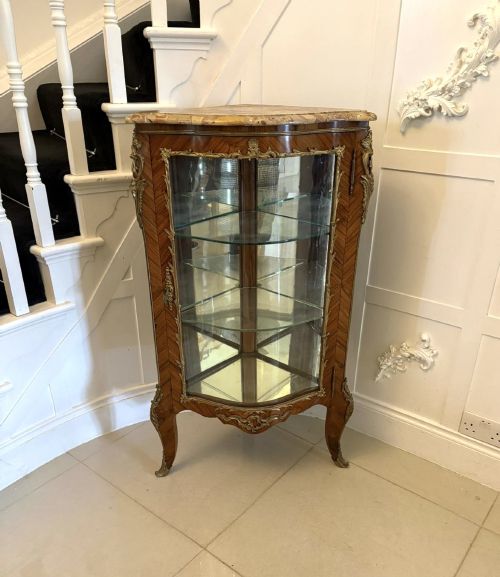
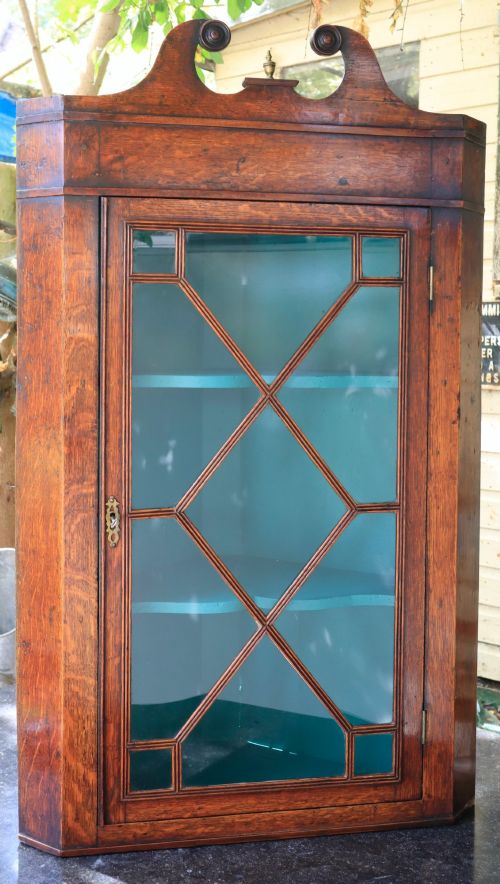
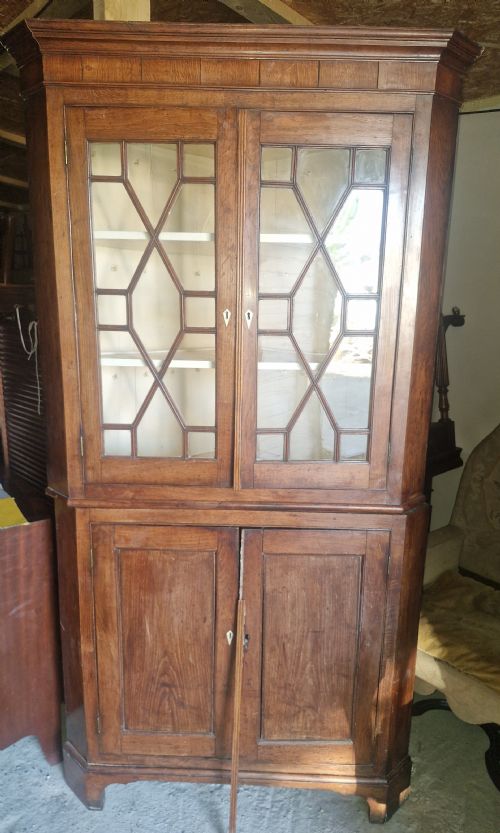
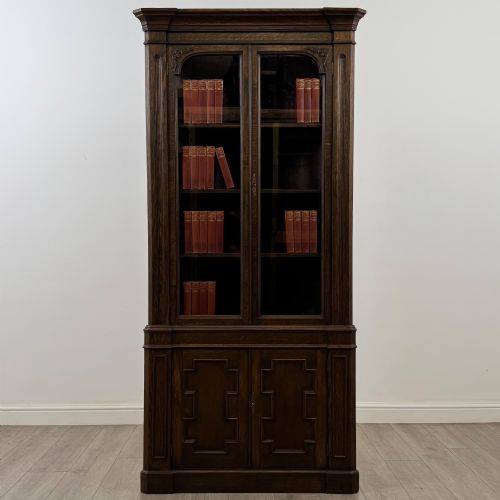
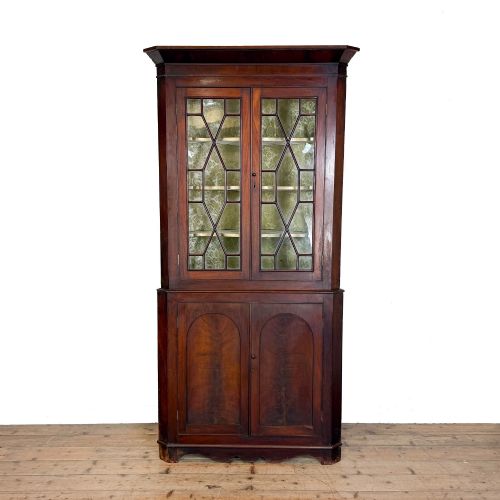
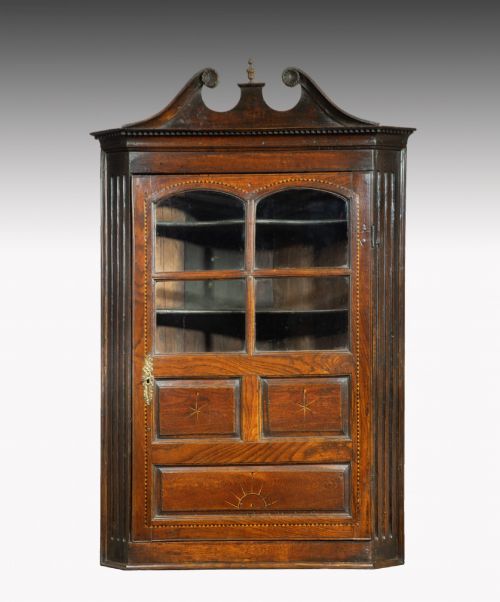
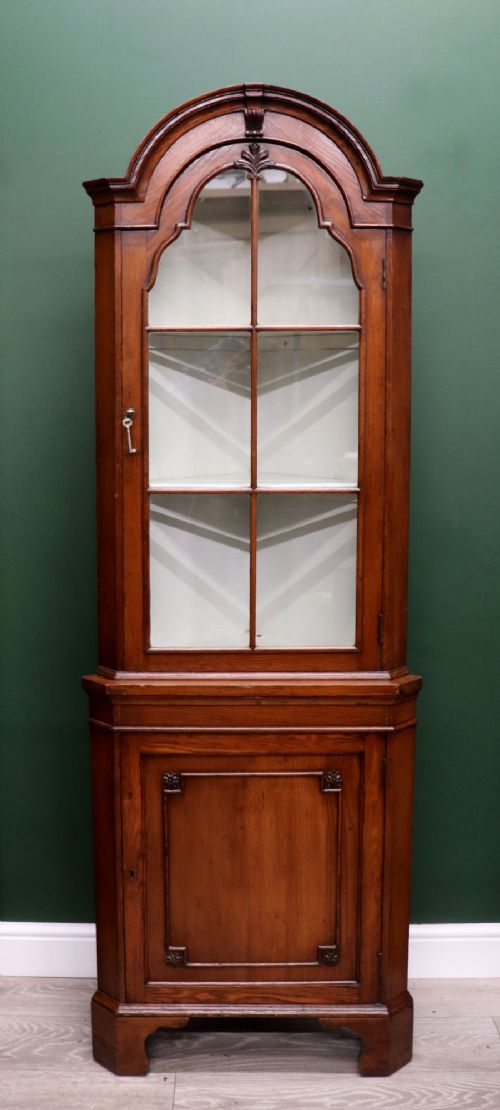
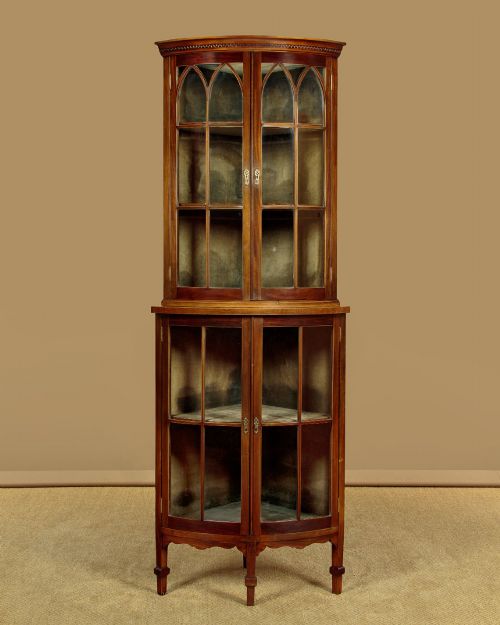
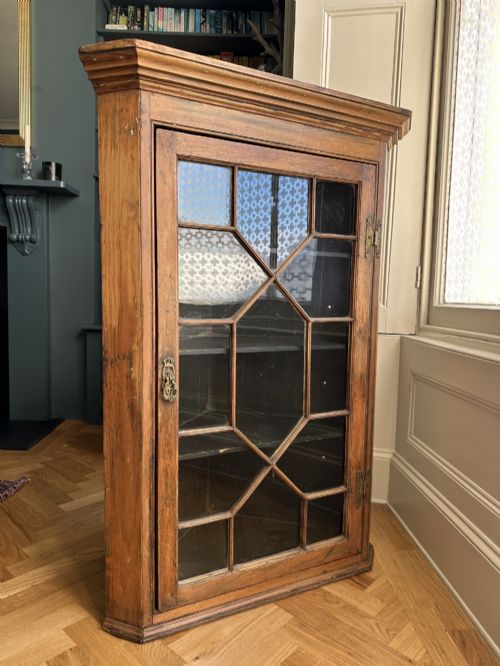
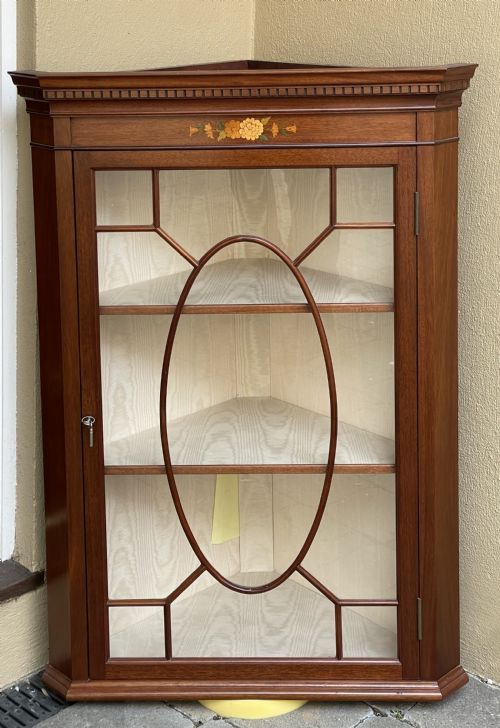
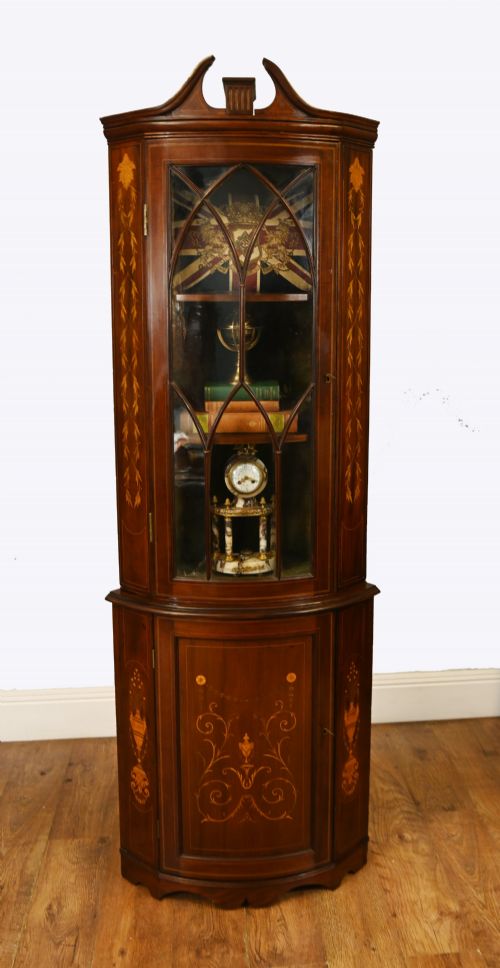
A vintage glazed corner cupboard is a specialised storage piece designed to fit neatly into the ninety-degree angle of a room, saving floor space while offering visibility through glass doors. When you examine this selection, you encounter pieces that span multiple eras from the eighteenth century through to the art deco period of the 1930s.
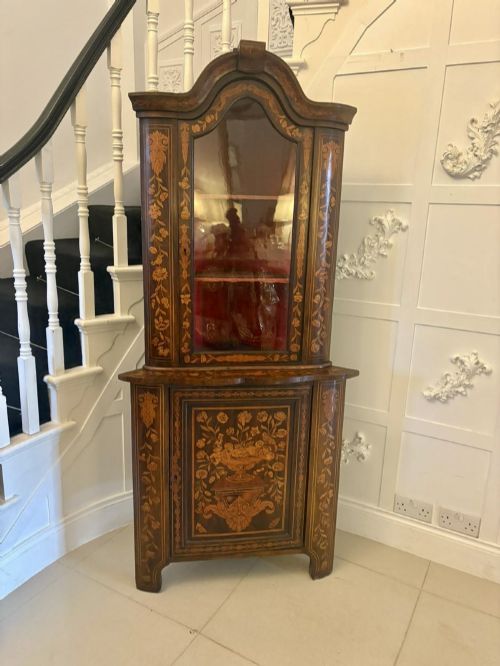
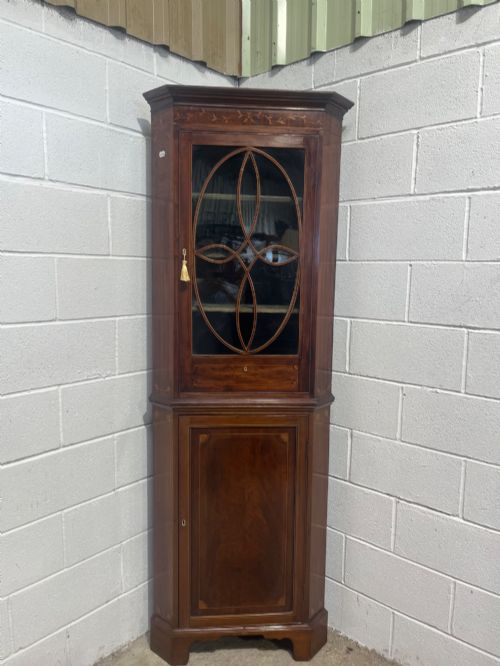
The configurations vary widely between wall-hanging versions and substantial floor-standing double-height cabinets. Mahogany and oak dominate the offerings, frequently enhanced with inlaid satinwood, marquetry, or brass mounts.
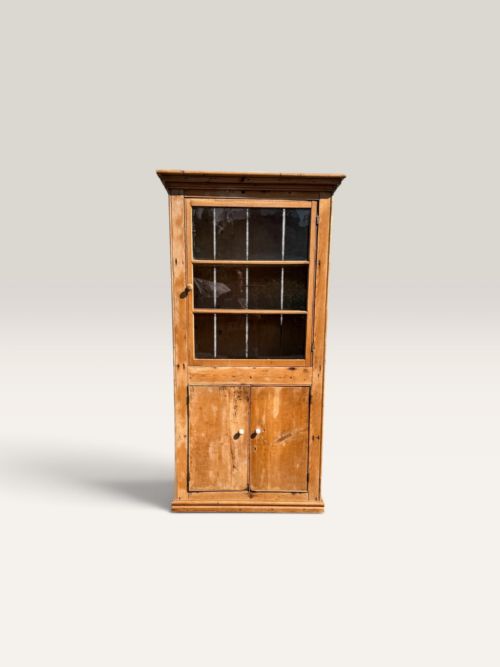
You will discover styles ranging from plain Georgian country pine to elaborate Edwardian Sheraton Revival designs and French kingwood serpentine models topped with marble.
How they were made
Cabinet makers constructed these architectural pieces primarily from solid hardwoods like oak and mahogany, often applying delicate veneers of satinwood or kingwood to the visible exterior surfaces. The timber was selected for grain pattern and stability, particularly when forming the curved bow fronts or intricate serpentine shapes seen in the finer workshops.
Glazing bars divided the glass panels into geometric or gothic arch panes, secured with traditional joinery rather than modern adhesives. Brass hardware, including hinges, key escutcheons and mounts, completed the construction, whilst internal shelves were shaped to match the angled footprint of the carcass.
Several pieces feature painted interiors designed to make your displayed porcelain pop against a contrasting colourful backdrop.
What varies in quality
The standard of execution lies heavily in the crispness of the timber inlay, the complexity of the cabinet shape, and the integrity of the original glass. Superior examples exhibit fine marquetry, hand-selected veneers, and substantial brass mounts that sit flush with the surrounding wood.
Simpler provincial pieces rely on honest structural joinery and heavier native timbers such as Welsh oak or stripped pine, where charm stems from honest utility rather than ornate decoration.
Edwards And Roberts
The Vintage Glazed Corner Cupboard Glossary
- Glazing
- The glass panes fitted into the doors of a cabinet. These allow interior display while protecting contents from dust.
- Marquetry
- Elaborate decorative veneer patterns formed by fitting together small pieces of different coloured wood. This technique creates pictorial or geometric motifs on cabinet doors.
- Serpentine
- A curved furniture front characterised by a convex centre flanked by concave ends. It requires advanced woodworking skill to execute properly.
- Escutcheon
- A protective plate surrounding a keyhole. It is frequently cast from brass and styled to match the period of the furniture.
- Vitrine
- A glass-fronted display cabinet used specifically for showcasing porcelain, glassware, or curiosities.
Vintage Glazed Corner Cupboard: Frequently Asked Questions
How do I hang a wall cupboard?
Wall-hanging corner cupboards require secure fixing directly into structural wall studs or masonry using appropriate heavy-duty brackets. The weight of the timber and glass demands robust anchor points to ensure stability.
Because these cabinets project outward from the corner, checking the load-bearing capacity of your chosen wall prevents any sagging or structural failure over time.
Are these cabinets difficult to clean?
Routine maintenance involves dusting the timber surfaces with a soft, dry cloth and polishing occasionally with appropriate beeswax. Glass panels require standard window cleaner applied to a cloth rather than sprayed directly, protecting the surrounding wood.
Avoid placing these cupboards in direct sunlight to prevent the timber finishes and internal fabrics from fading over the years.
What fits inside a corner cabinet?
The triangular or wedge-shaped interior shelves are well suited for displaying glassware, ceramic plates, and small decorative items. Deeper floor-standing models easily accommodate larger tableware and books.
Arranging items requires attention to scale, as the depth of the cabinet narrows sharply toward the back corner.
How do I date a corner cabinet?
Dating relies on identifying characteristic construction methods, timber choices, and decorative styles associated with specific eras like the Georgian or Edwardian periods. Hand-cut dovetails, original glass types, and specific veneer work provide reliable chronological clues.
Comparing the hardware, such as brass hinges and locks, against known period manufacturing standards further refines the age of the piece.