


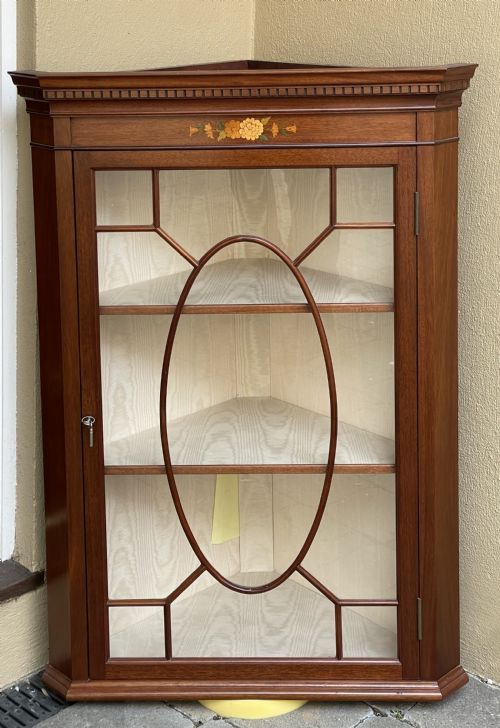
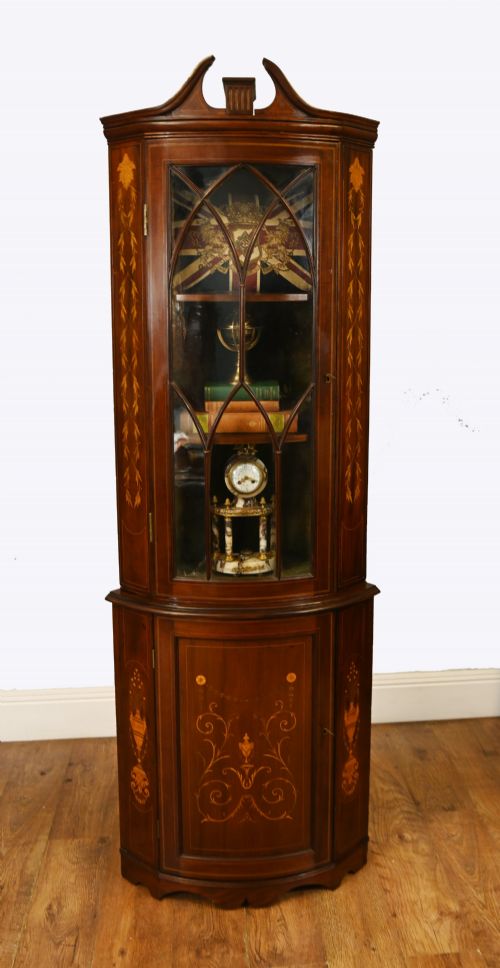
Vintage Glazed Corner Cabinet
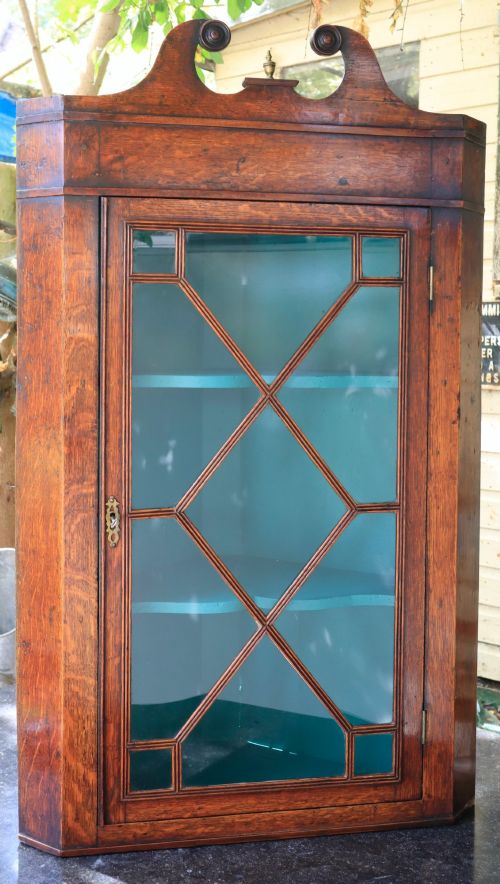
A vintage glazed corner cabinet uses awkward angles to display porcelain and silver while softening the hard lines of a room.
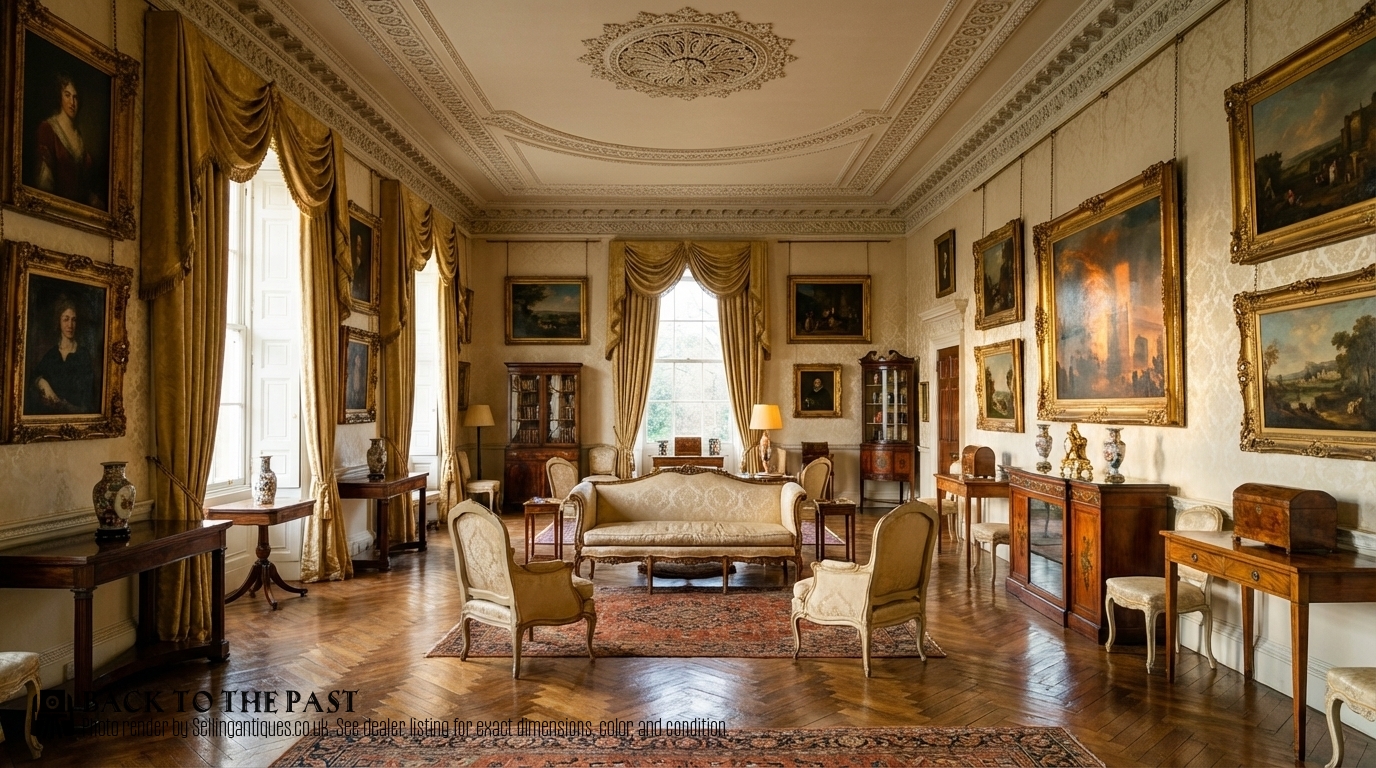
Vintage Glazed Corner Cabinet
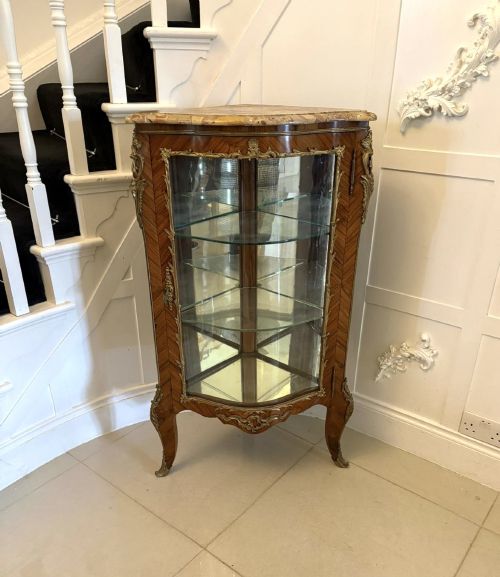
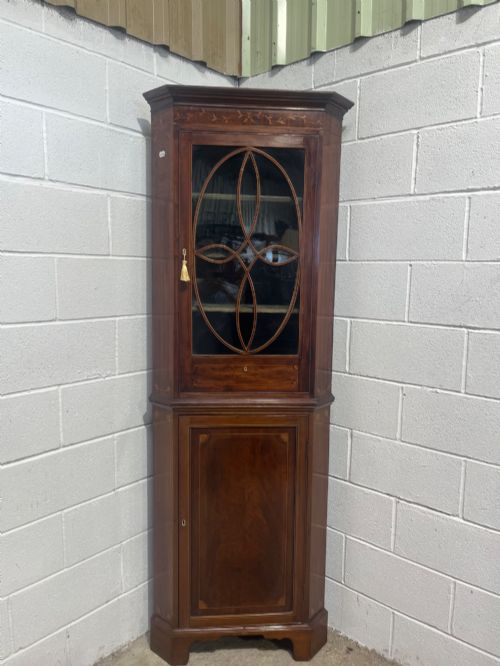
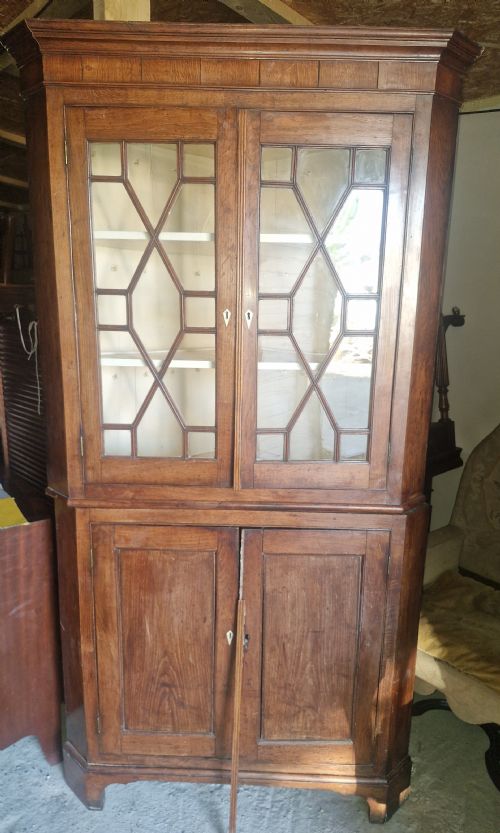
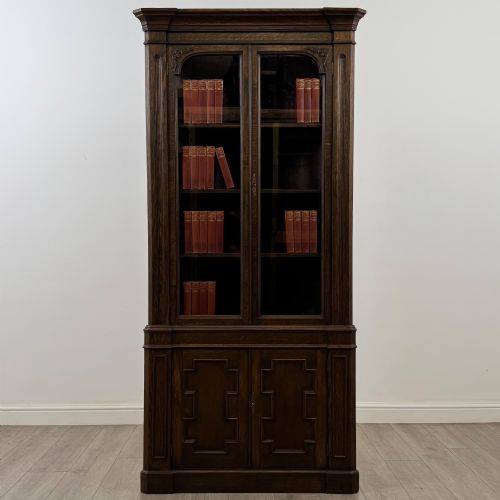
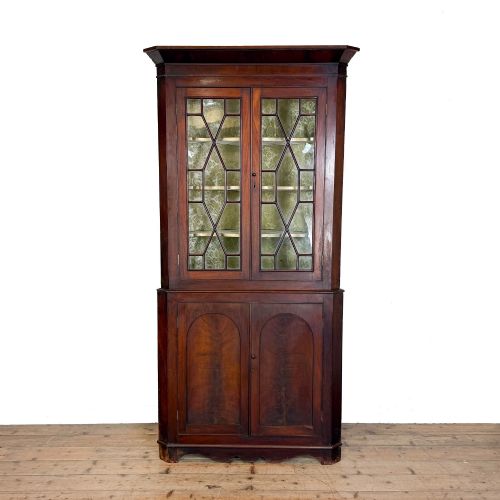
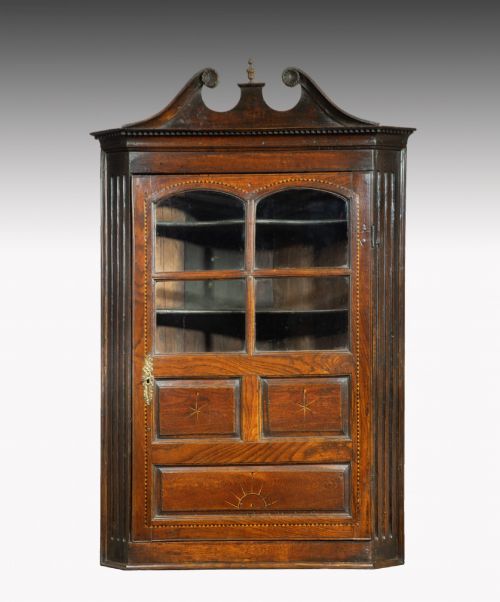
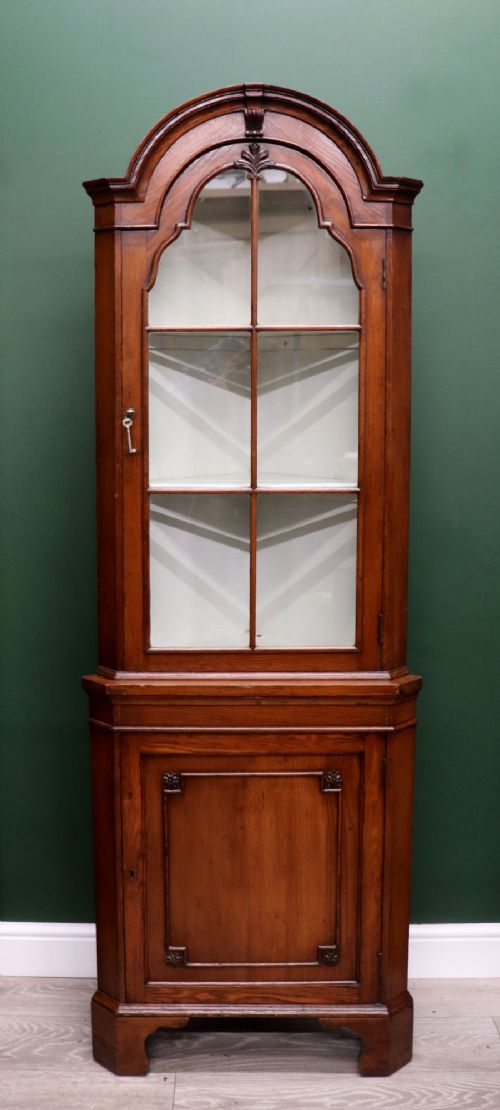
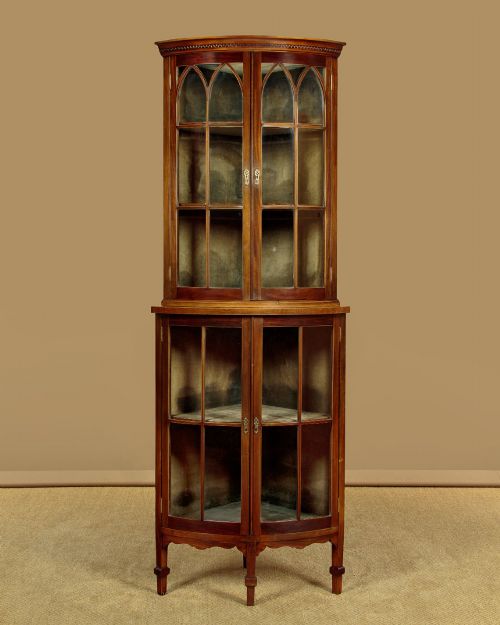
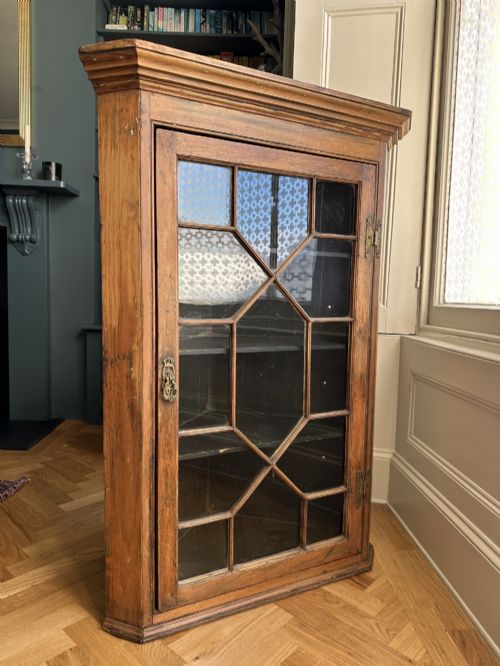
A vintage glazed corner cabinet turns dead corner space into an asset by housing precious objects behind glass doors. When you hunt for a vintage glazed corner cabinet, you will most frequently encounter Edwardian and mahogany iterations alongside earlier Georgian and Victorian examples.
These pieces arrive in several distinct formats, including wall-hanging units, floor-standing models, and substantial two-part double-height cupboards. Many feature bow-fronted or serpentine shapes that soften the rigid geometry of standard room corners.
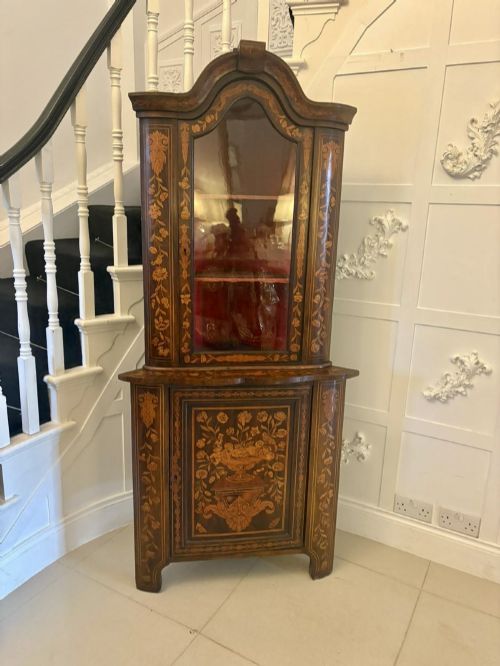
Makers and cabinetmakers built these storage pieces to fit snugly into room angles, utilising woods like oak, walnut, and mahogany, frequently embellished with satinwood inlay or marquetry.
Materials and construction methods
Makers constructed these cabinets using solid timbers and select veneers, relying heavily on mahogany, oak, and walnut. Artisans incorporated glass panes into framed doors to protect contents while maintaining visibility.
Decorative surface treatments set many examples apart, utilising intricate satinwood inlay, marquetry, and brass mounts. Certain pieces feature painted interiors or ebonised surfaces that contrast sharply with the natural timber grain.
Joinery techniques varied from simple country construction to fine cabinetmaking standards seen in Edwardian and Georgian workshops, where timber frames support heavy glazed doors and internal shelving.
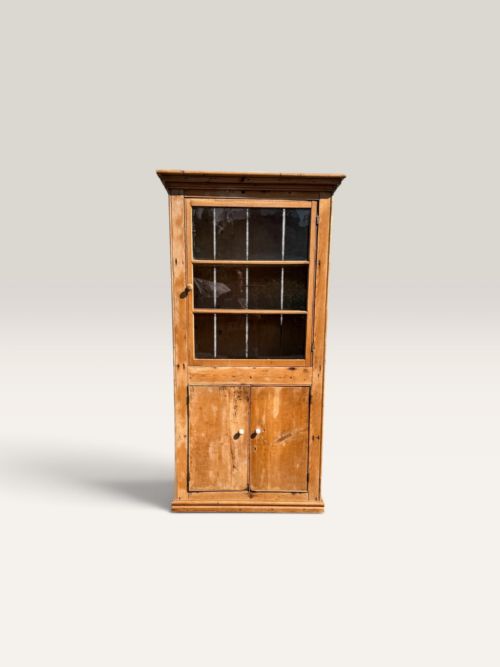
Some nineteenth-century pine cupboards preserve cheerful hand-painted interiors, offering a hidden splash of colour behind closed doors.
Distinguishing quality across periods
The sophistication of the timber selection and inlay work dictates the standing of each piece. Finely figured mahogany and intricate marquetry distinguish superior cabinets from straightforward utilitarian storage.
Proportion and cabinetmaking execution separate standard workshop output from exceptional examples. Refined glazing bars, balanced proportions, and careful timber matching reveal the hand of skilled makers.
Maurice Adams·Edwards And Roberts
The Vintage Glazed Corner Cabinet Glossary
- Marquetry
- Decorative veneer work forming pictures or patterns using different woods. It adds pictorial detail to cabinet doors.
- Glazing bar
- Wooden or metal strips holding individual panes of glass within a sash. These structural divisions shape the visual rhythm of the door.
- Bow front
- A convex curved cabinet facade. This shape softens corner angles and increases interior volume.
- Serpentine
- A gently undulating front with a convex centre flanked by concave curves. This contour requires advanced woodworking skill.
- Vitrine
- A glass-fronted cabinet designed specifically for display. These pieces showcase porcelain and collectables.
- Two-part
- A cabinet constructed in separate upper and lower sections. This format aids transport and placement in domestic spaces.
Vintage Glazed Corner Cabinet: Frequently Asked Questions
How do I hang a wall cabinet?
Wall-hanging models require secure fixing into solid masonry or reliable timber studs behind plaster. Because these timber units carry heavy glass doors, proper wall anchors prevent structural strain.
Position the cabinet at an eye level that permits easy viewing of internal shelves without creating an obstruction in the room.
Are these cabinets difficult to clean?
Maintenance involves dusting timber surfaces with a dry cloth and polishing glass panels with standard window cleaner. Avoid using harsh chemical sprays that might damage antique French polish or wax finishes.
Check internal shelves periodically to prevent dust accumulation around displayed ceramics and glassware.
How do I date a cabinet?
Examine the timber species, construction joints, handle hardware, and glass characteristics to determine age. Edwardian pieces often display bright mahogany with delicate inlay, while 18th-century examples show heavier oak or dense mahogany.
Secondary woods used for drawer linings and back panels also offer vital clues regarding the period of manufacture.
Will a floor-standing model fit my corner?
Measure both wall lengths extending from the corner and check the floor clearance alongside skirting boards. Floor-standing units require precise corner alignment to sit flush against both walls.
Account for cornice overhangs and curved bow fronts which extend further into the room than standard flat-sided cabinets.