

Vintage Glass Wall Mirror
A vintage glass wall mirror brings immediate depth and light to a room, carrying the weight of centuries of craftsmanship in its frame.
Vintage Glass Wall Mirror
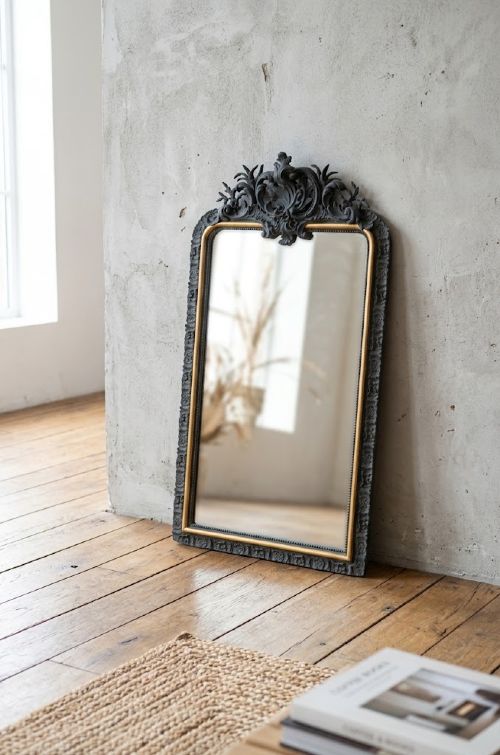
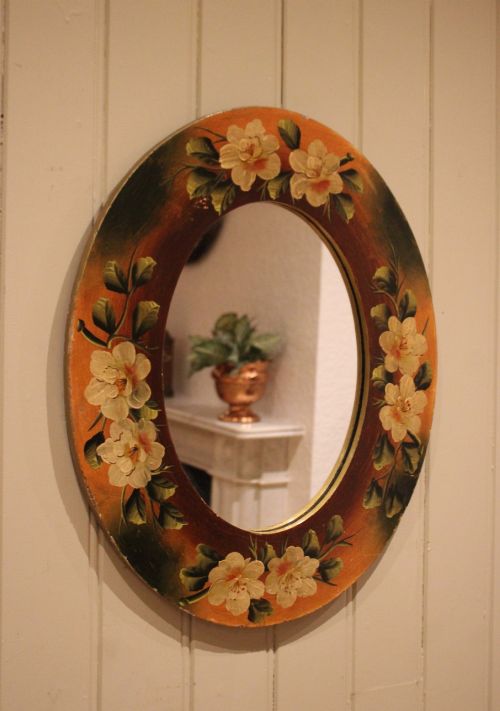
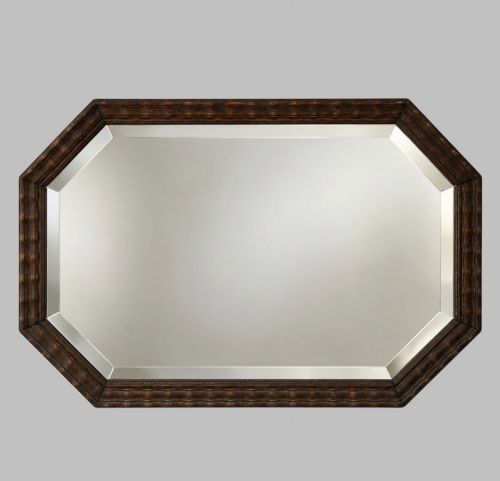
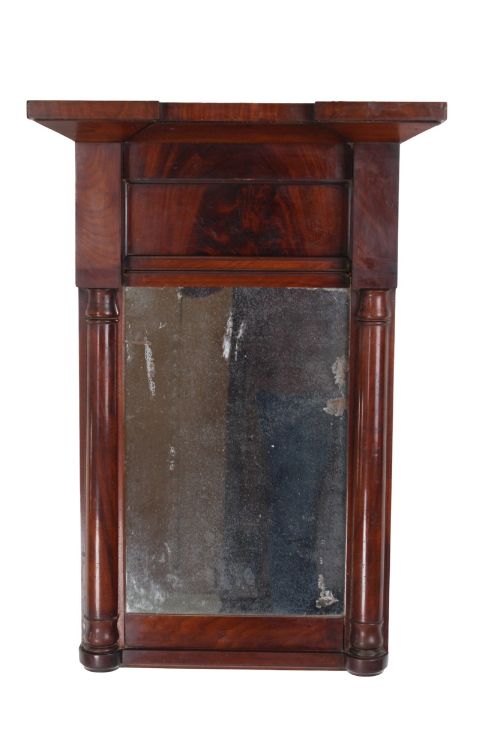
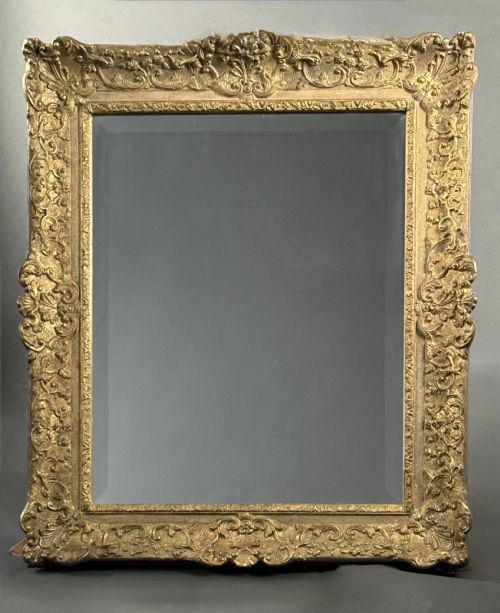
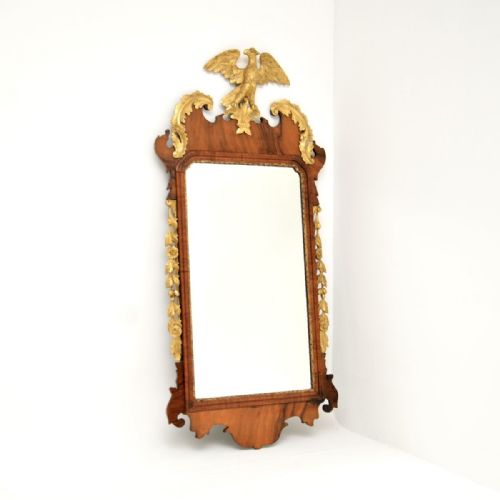
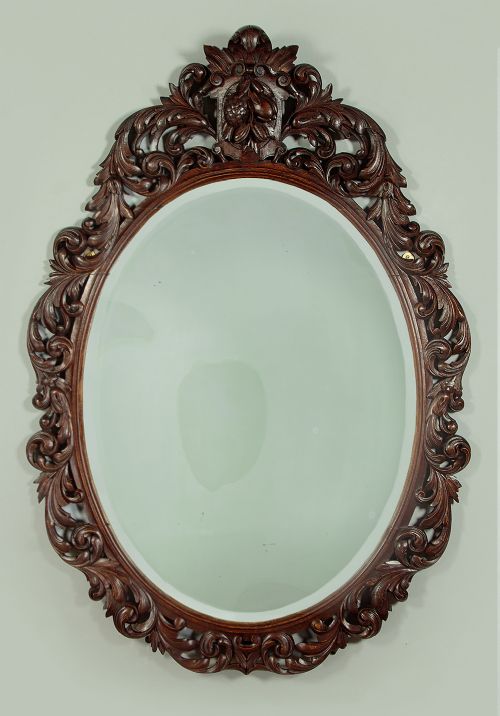
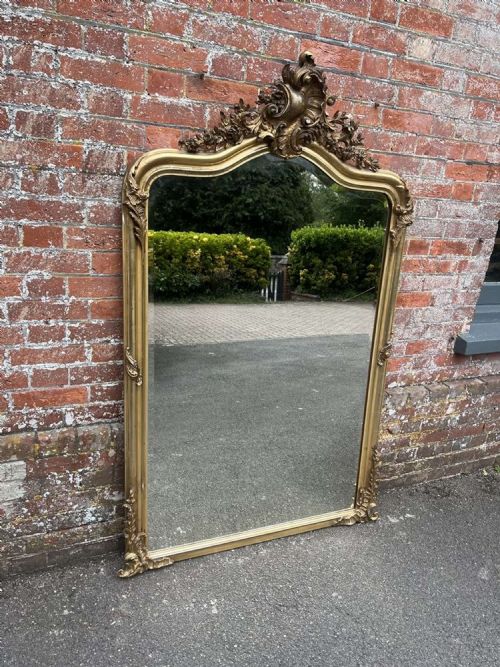
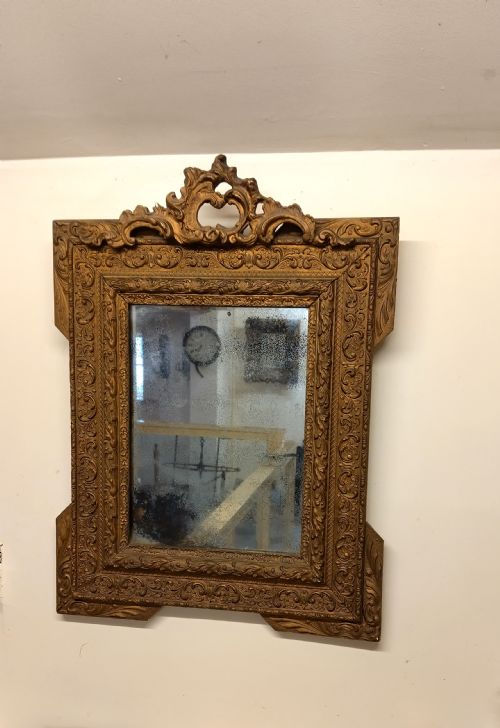
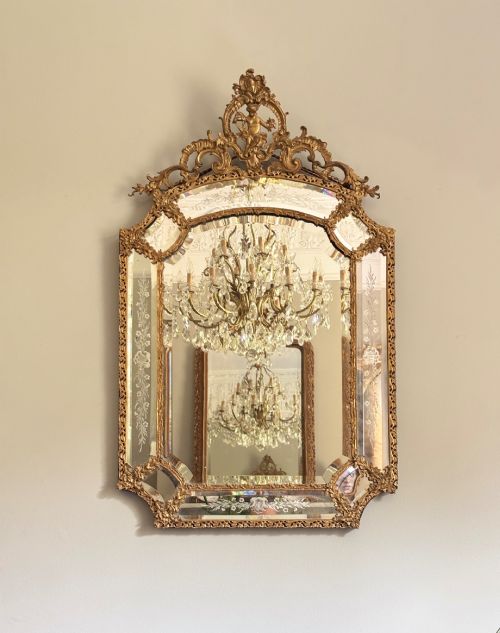
When you search for a vintage glass wall mirror, you encounter wall mirrors, overmantel mirrors, and pier mirrors spanning from the eighteenth century through the art deco period. The selection covers English and continental origins, moving from Georgian mahogany frames to ornate nineteenth-century giltwood and gesso creations.
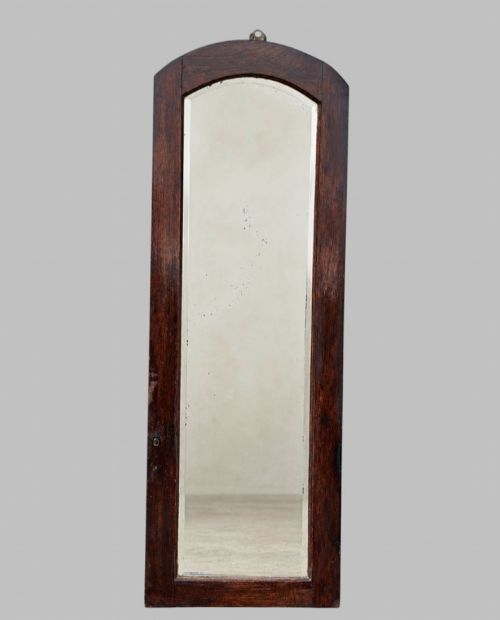
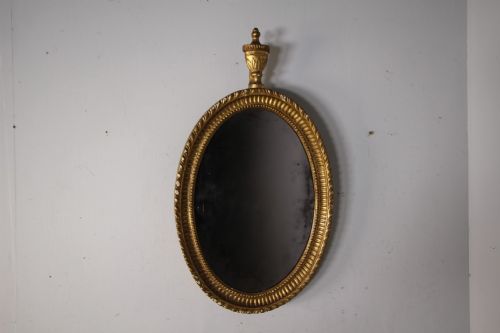
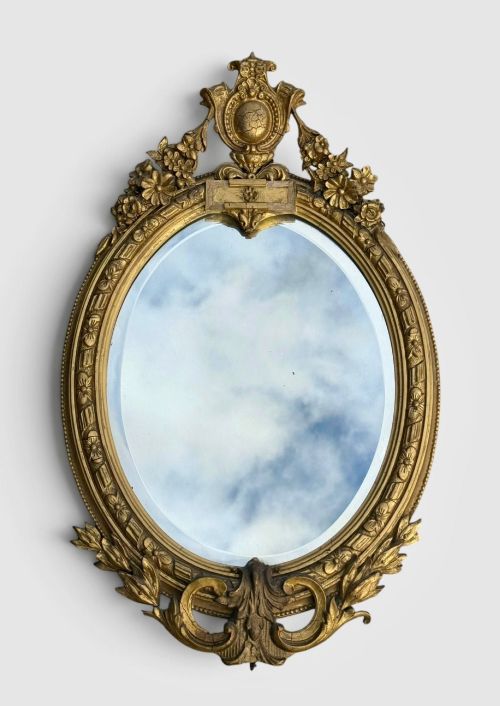
The most common examples you meet on this page are nineteenth-century giltwood and gesso pieces alongside early twentieth-century oak and walnut designs. These range from small oval wall mirrors to monumental overmantel pieces designed to anchor a principal reception room.
Materials and construction
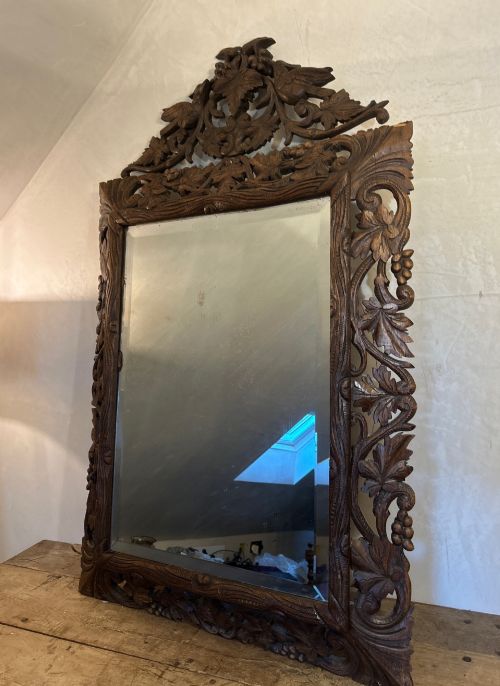
Frames rely heavily on carved wood such as oak, mahogany, and walnut, often finished with layers of gesso and gold leaf or paint. Continental examples frequently utilise carved giltwood in the rococo revival or french neoclassical styles.
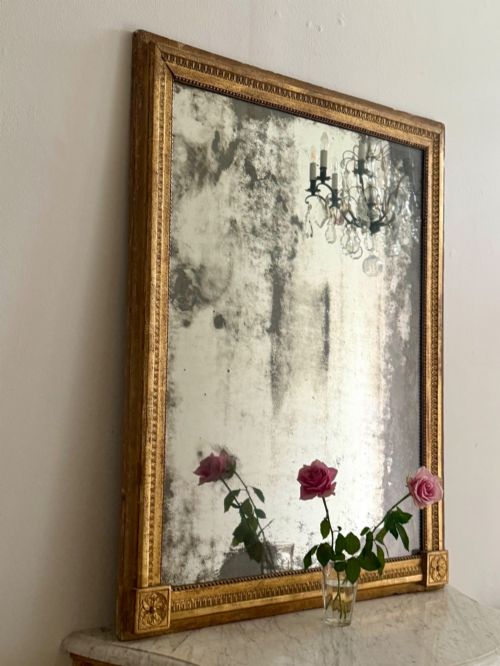
Mirror plates include early mercury glass with characteristic foxing alongside later bevelled glass plates. Carpenters and gilders joined frames using traditional techniques, incorporating intricate hand-carved floral and architectural details.
Distinctions in quality
The standard of carving and gilding separates the finest pieces from ordinary examples, with deep, crisp relief work indicating superior workshop output. Original mercury plates and untouched gold leaf carry greater authenticity than later replacements.
Structural integrity of the timber frame and the retention of original backboards influence the standing of a piece. Finer mirrors display precise mitring and harmonious proportions that reflect the aesthetic ambitions of their period.
Waring & Gillow
The Vintage Glass Wall Mirror Glossary
- Gesso
- A plaster mixture applied to wood frames as a smooth base for gilding or painting. It allows craftsmen to model intricate low-relief decorative motifs.
- Mercury glass
- An early type of silvered mirror glass produced by pouring a mercury-tin amalgam behind the glass plate. This material often develops characteristic dark spots known as foxing over time.
- Giltwood
- Timber, commonly pine or oak, covered with a thin layer of gold leaf over a prepared ground. It provides a luminous surface favoured in formal eighteenth and nineteenth-century interiors.
- Pier mirror
- A tall wall mirror specifically designed to hang on the narrow wall space between windows. These pieces often sat above a pier table.
Vintage Glass Wall Mirror: Frequently Asked Questions
How do I date a mirror?
Dating relies on examining the construction of the wooden frame, the assembly techniques of the backboards, and the characteristics of the glass plate. Georgian and Victorian pieces show distinct joinery methods and decorative styles.
Changes in mirror plate manufacture also help establish age, as older mercury plates differ visibly from twentieth-century float glass or later silvered replacements.
What is foxed glass?
Foxing refers to the small dark spots and speckles that develop behind the glass plate as the silvering or mercury backing degrades over decades. Many collectors prize this sign of age for the atmospheric quality it brings to the reflection.
True foxing occurs naturally from exposure to moisture and air behind the plate over long periods.
How do I hang a heavy mirror?
Large giltwood and overmantel pieces require robust wall fixings secured directly into masonry or substantial wall studs. Using appropriate brackets or a heavy-duty french cleat distributes the considerable weight safely.
Consulting a professional installer ensures the frame remains secure without straining the antique wooden joints.
Where should I place a wall mirror?
Hanging a mirror opposite a window maximises natural light and creates a sense of expanded space within a room. Placing one above a mantelpiece or a hallway console follows traditional interior placement.
Consider the reflections the glass will capture from seating areas to ensure the composition enhances the room.