

Vintage Glass Top Table
These pieces give display and surface space while keeping the room light, and a vintage glass top table suits both modern and period interiors.
Vintage Glass Top Table
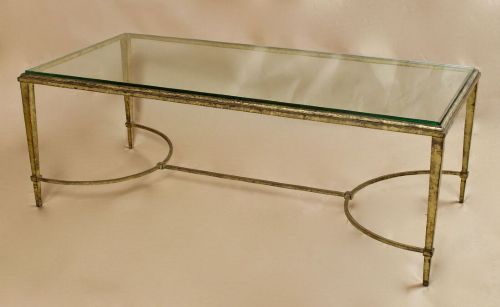
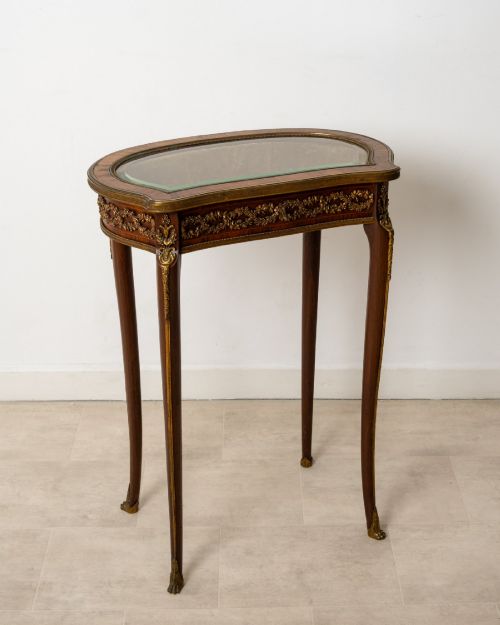
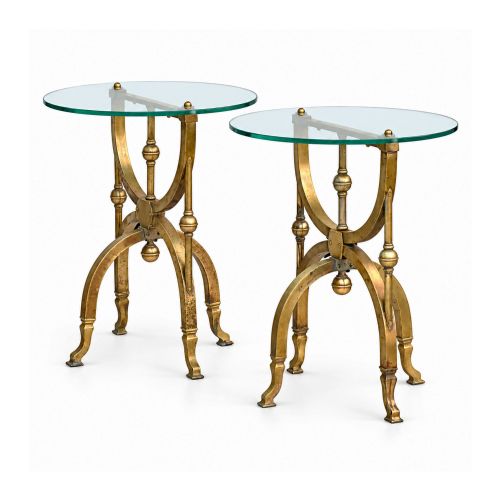
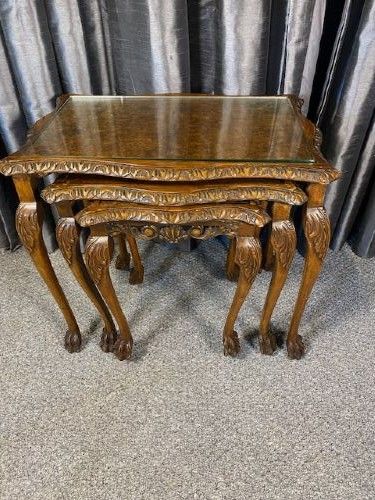
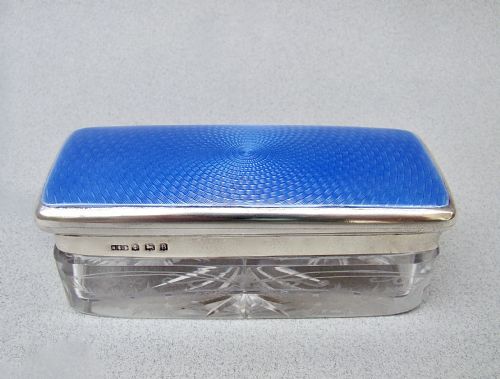
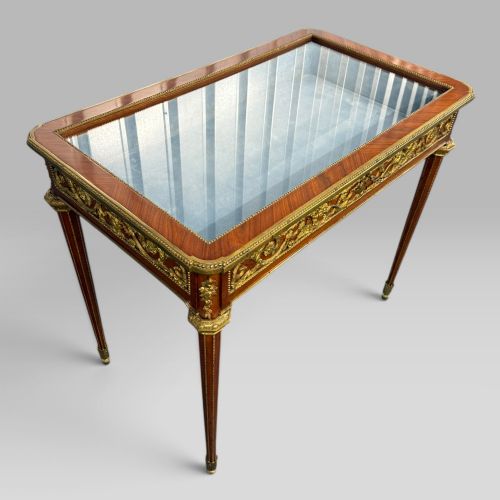
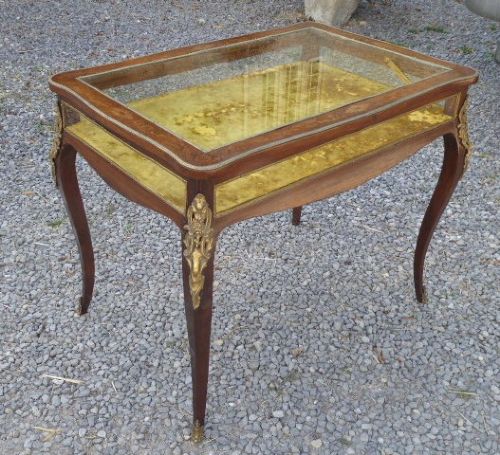
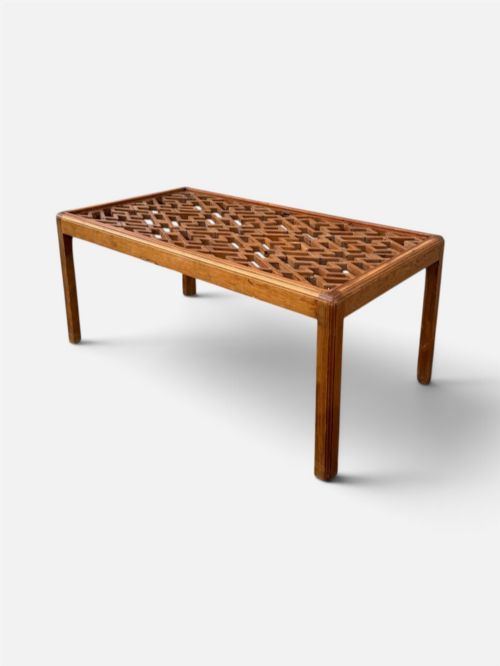
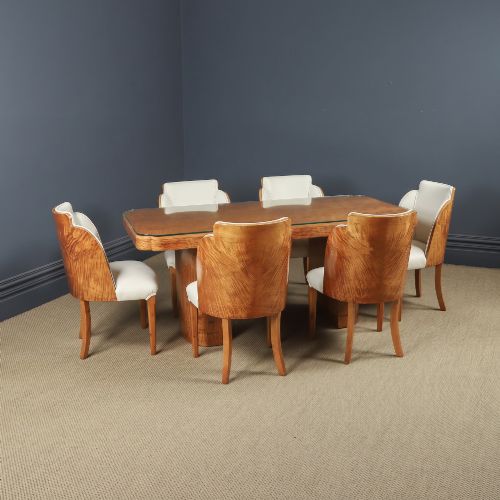
When you search for a vintage glass top table, you find a range of occasional furniture designed to hold objects or serve drinks while showing the floor beneath. The pieces appearing here span display cabinets, bijouterie tables, and coffee tables from the Edwardian period through Art Deco and mid-century decades.
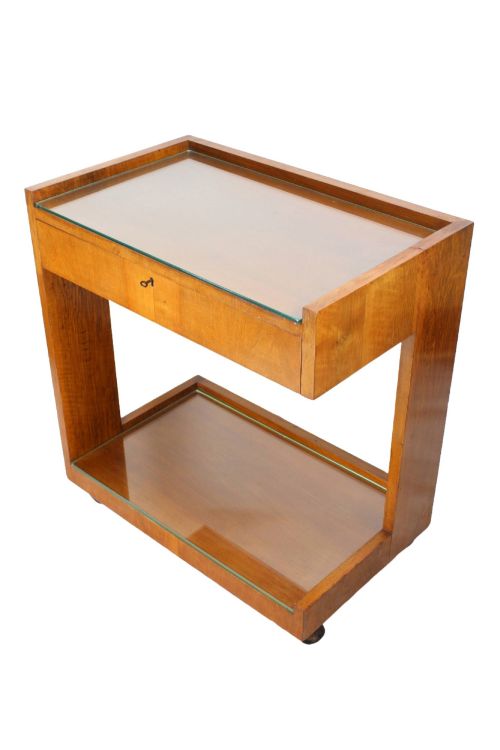
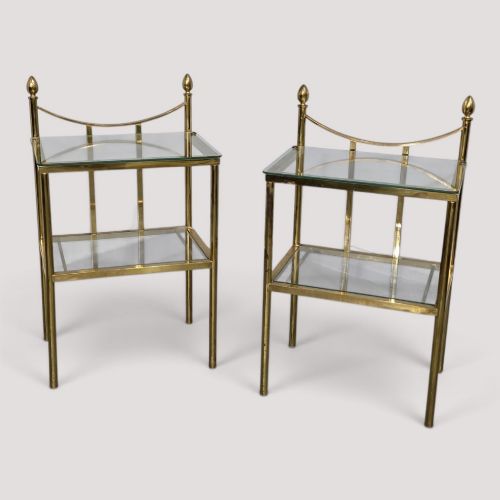
You are most likely to meet Edwardian mahogany display cases and Art Deco walnut or brass coffee tables on this page. These forms combine wooden or metal frames with transparent surfaces intended for visibility and practical use.
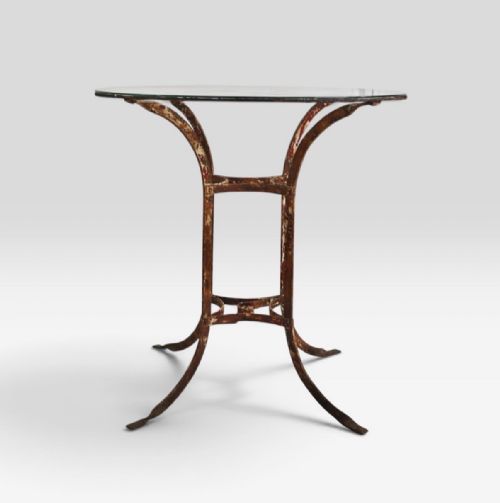
Makers utilised various timbers such as mahogany, walnut, and satinwood alongside brass, iron, and silver mounts. The selection ranges from small occasional stands to larger console and dining formats.
How they were made
Makers constructed the frames of these tables using traditional joinery in timbers like mahogany and walnut, or shaped metals including brass and cast iron. Glass tops and panels were then fitted into these structures, often supported by velvet linings in display sections.
Detailing on the timber frames frequently involved marquetry, inlay, or polished veneers, while metal components relied on casting and ormolu mounting. Art Deco examples often integrated geometric brass and wrought iron work with curved wooden tiers.
Cartographers and map enthusiasts can inspect serving trays inlaid with European maps, proving that furniture once helped travellers plan their next grand tour.
What varies in quality
The degree of hand-finishing in the woodwork and metal mounts determines the standing of an individual piece. Finer examples display precise marquetry, well-cast brass or ormolu details, and carefully selected wood veneers.
Construction methods also set pieces apart, with solid timber frames and original bevelled glass showing superior craft compared to later replacements or simpler mass-produced structures.
A. J. Pepper & Co·Henry Clifford Davis·Henry Perkins·Harry and Lou Epstein·François Linke·Dryad Leicester
The Vintage Glass Top Table Glossary
- Bijouterie table
- A glass-topped display table with a shallow compartment beneath for showing small valuable items, jewellery, or trinkets. These were popular in Edwardian and French revival drawing rooms.
- Art Deco
- A design style spanning the 1920s and 1930s characterised by sleek geometric shapes, stylised motifs, and modern materials like chrome, glass, and burr walnut.
- Edwardian
- Pertaining to the reign of King Edward VII, noted in furniture for lighter mahogany frames, satinwood inlay, and refined proportions.
- Ormolu
- Gilded bronze mounts applied to furniture, popular in French revival pieces to accent corners and legs.
- Marquetry
- Decorative woodwork where small pieces of veneer are fitted into a backing to form geometric or pictorial designs.
Vintage Glass Top Table: Frequently Asked Questions
What is a bijouterie table?
A bijouterie table is a low display case with a glass top and a hinged or lifted lid. They were designed for drawing rooms to exhibit small collections of medals, fans, or silver trinkets.
The interior is typically lined with velvet or silk to cushion the objects on show.
How do I clean a vintage glass top?
Use a soft cloth and a mild glass cleaner sprayed onto the cloth rather than directly onto the table. This prevents liquid from seeping into the wooden frame or metal mounts.
Avoid abrasive pads that can scratch old glass or damage polished wood surfaces.
Are these tables suitable for everyday use?
Most occasional and coffee tables in this selection were built for domestic living rooms and handle standard daily use well. Display models with delicate legs require more care regarding weight.
Placing items gently onto the surface preserves both the glass and the underlying timber frame.
How do I identify Art Deco tables?
Art Deco tables typically feature symmetrical geometric forms, stepped outlines, and warm woods like burr walnut. You will also see combinations of glass with brass or wrought iron.
Decoration is streamlined rather than ornate, reflecting 1930s modernism.