
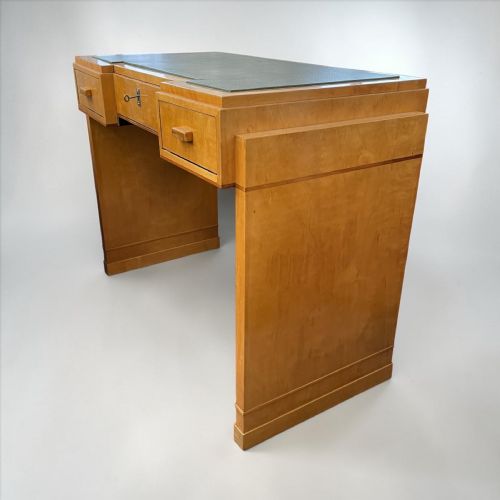
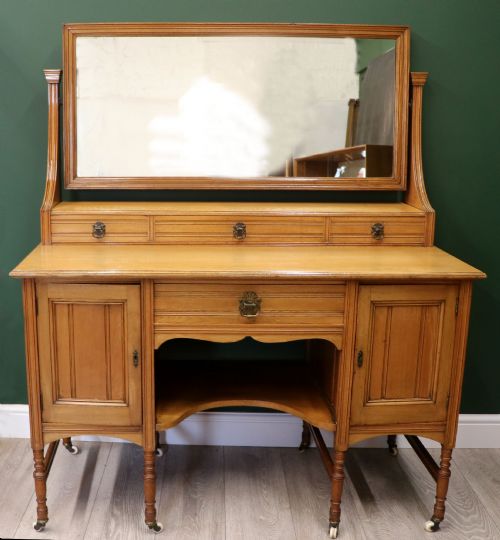
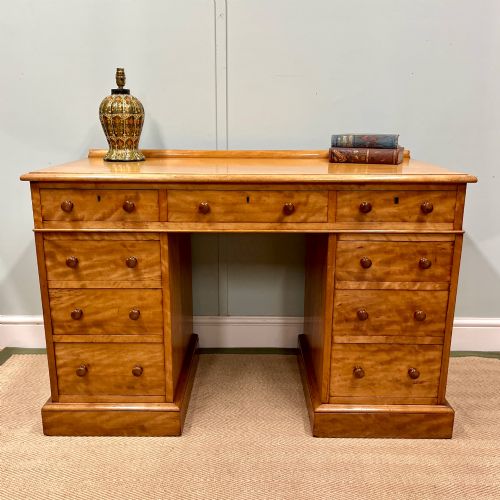


Light Wood Pedestal Table
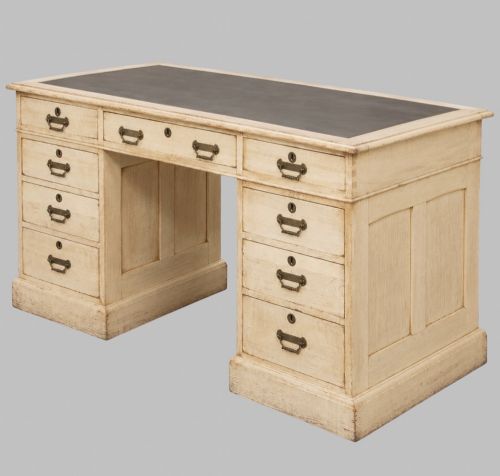
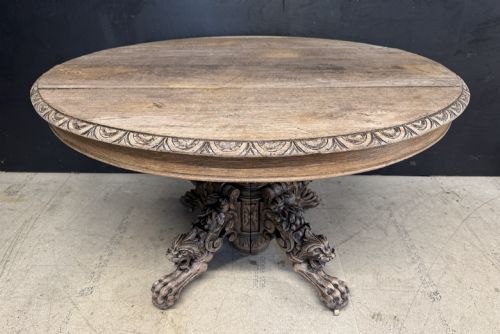
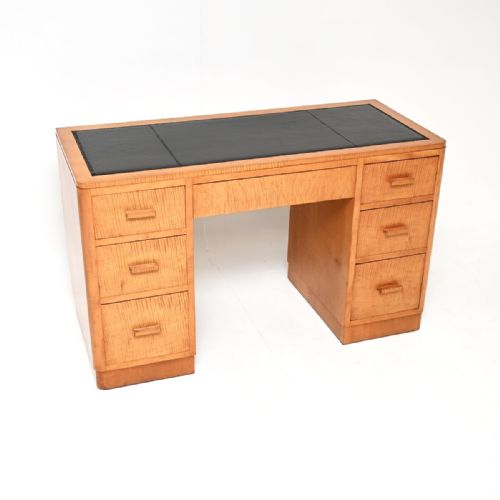
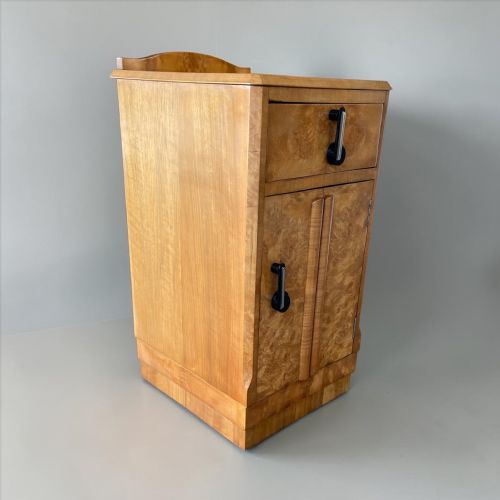
These light wood pedestal table pieces bring together pale timbers and central column supports across Victorian, Regency, and Art Deco designs.
Light Wood Pedestal Table
A light wood pedestal table brings together pale timbers and single central supports, taking the form of desks, dressing tables, centre tables, and occasional pieces. When searching for a light wood pedestal table, buyers encounter diverse forms ranging from Victorian writing desks to Art Deco dressing tables.
The materials span satin birch, birch, ash, maple, sycamore, and walnut, frequently bleached or chosen for natural pale grain. Origin styles include English country, Scandinavian, Italian country, and French work.
Art Deco examples from the 1930s sit alongside 19th century Victorian and Regency pieces, showing how makers utilised pale woods across different eras.
How they were made
Makers utilised solid timbers and veneers of satin birch, ash, birch, and maple, sometimes paired with leather inserts or brass fittings. Surfaces often received bleaching treatments to achieve lighter tones.
Construction techniques include inlaid work, hand carving, and architectural pedestals supporting desks and centre tables.
Listings feature items spanning the 19th century, Victorian era, Regency period, and Art Deco 1930s in ash, satin birch, and oak.
What varies in quality
The distinction between tiers rests on the choice of timber figure, such as birdseye maple or matched satin birch veneers, and the precision of the joinery in drawers and pedestals. Maker attribution, such as pieces by Harry and Lou Epstein, Maple & Co, or Betty Joel, elevates individual examples.
Design sophistication also separates standard items from exceptional ones, seen in integrated leather writing surfaces, subtle inlay work, and balanced proportions on pedestals.
Harry and Lou Epstein·Heal and son·Maple & Co·Betty Joel
The Light Wood Pedestal Table Glossary
- Satin Birch
- A pale, lustrous timber with a fine grain used extensively in 19th century and Art Deco furniture. It provides a bright surface finish.
- Pedestal
- A structural column or support beneath a table, desk, or cabinet. It elevates the main body while centralising the weight.
- Birdseye Maple
- Figured maple wood marked by small circular eyes in the grain pattern. It appears on finer mid 19th century pieces.
- Biedermeier
- A Central European style spanning the 19th century characterised by utilitarian comfort and clean lines in pale woods like birch. Swedish examples frequently use this aesthetic.
- Occasional Table
- A small, movable table designed for specific, intermittent use in a room. These include octagonal and side variants.
Light Wood Pedestal Table: Frequently Asked Questions
What periods do these tables cover?
The pieces span the 19th century, Victorian era, Regency period, and early 20th century up to the 1930s Art Deco movement.
Different decades brought distinct silhouettes, shifting from heavy Victorian ash and carved details to sleek Art Deco birch and modernist dressing tables.
Which light woods appear most often?
Satin birch and ash dominate the selection, accompanied by birch, maple, sycamore, and bleached oak.
Some timbers occur naturally pale, while others such as oak undergo bleaching to achieve a lighter appearance.
How do I style a pedestal table?
These tables function well as desks, bedside cabinets, centre tables, and dressing tables depending on the specific form.
Their pale timber tones allow them to integrate into both traditional rooms and modern interiors without dominating the space.
Are these pieces signed by makers?
Certain pieces carry attributions or maker marks linking them to firms like Maple & Co, Heal and son, or designers such as Harry and Lou Epstein and Betty Joel.
Unsigned examples remain common, identifiable instead through their period materials, construction methods, and stylistic details.