
Vintage Glass Paraffin Light
A vintage glass paraffin light offers a warm glow through hand-blown fonts and coloured shades, spanning the Victorian and Edwardian periods.
Vintage Glass Paraffin Light
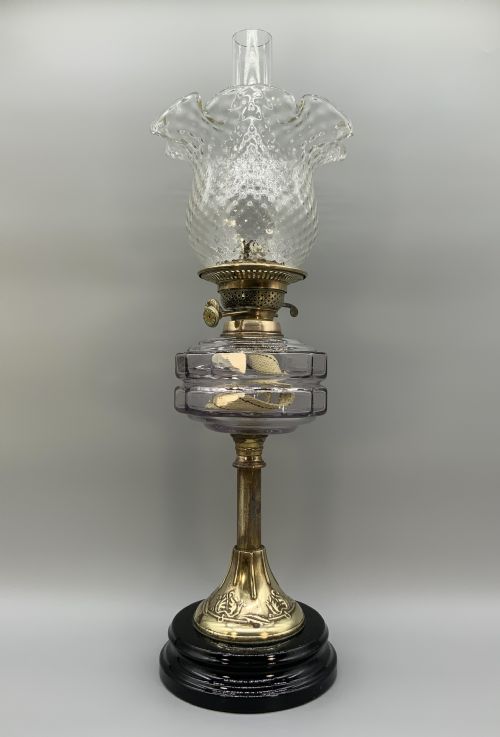
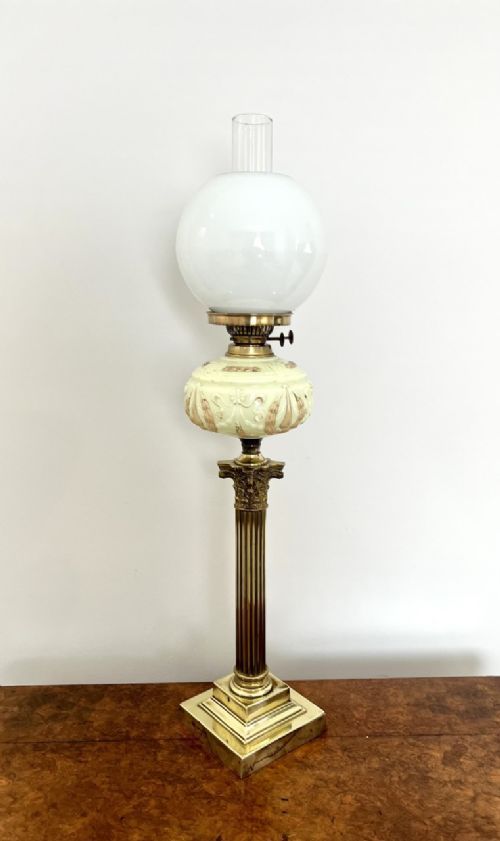
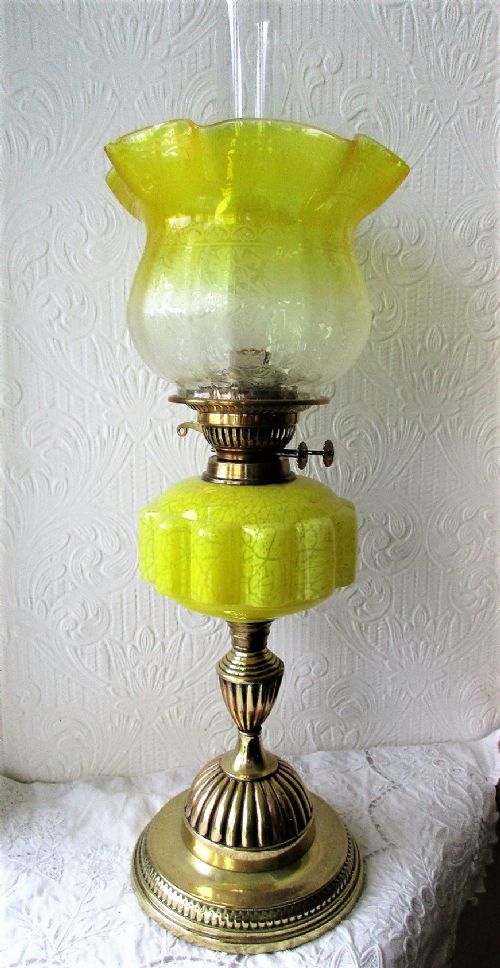
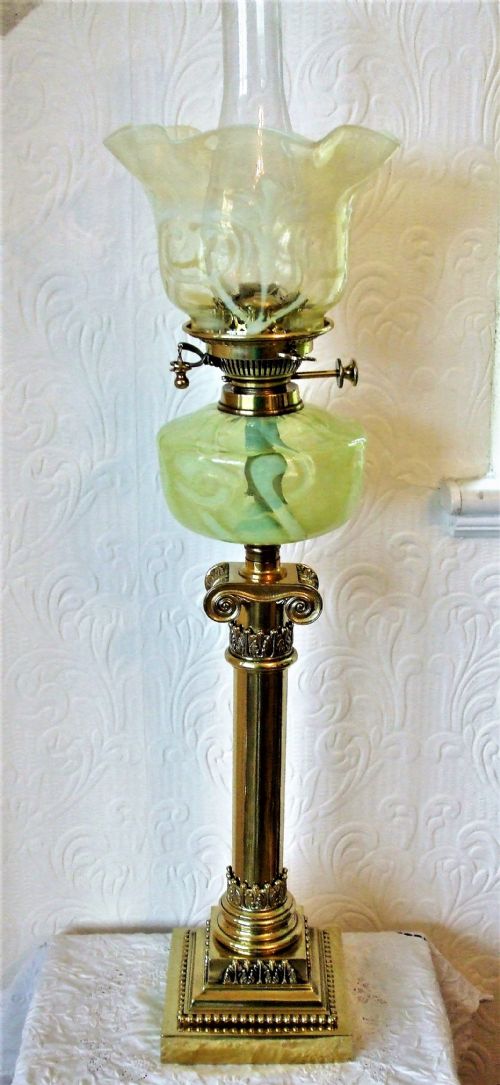
A vintage glass paraffin light combines functional domestic illumination with decorative craftsmanship from the nineteenth and early twentieth centuries. Buyers searching for this phrase encounter table lamps, hanging lights, and individual shades designed to burn paraffin oil.
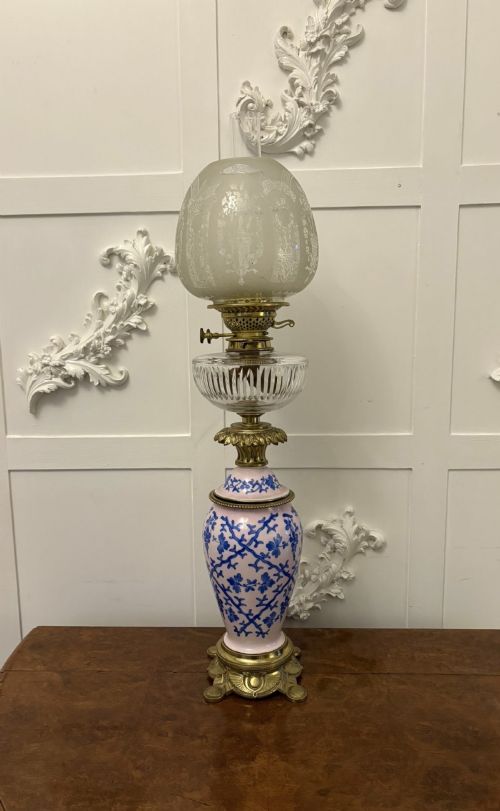
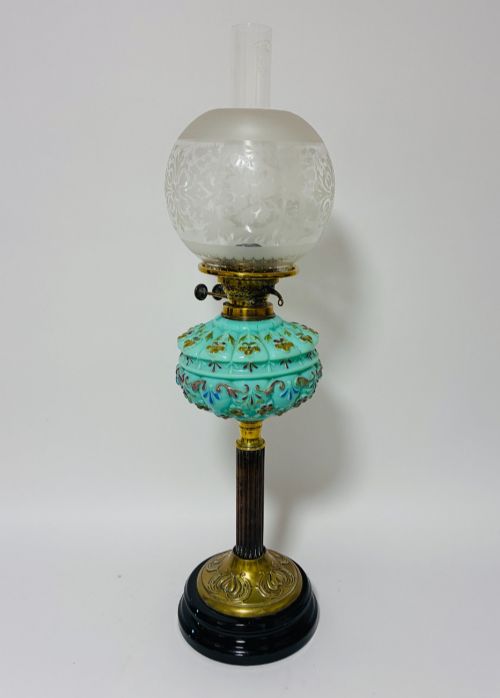
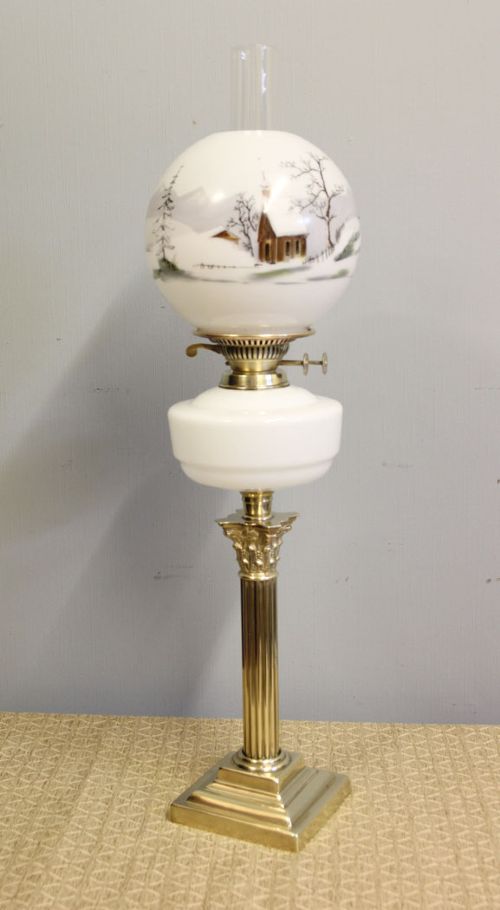
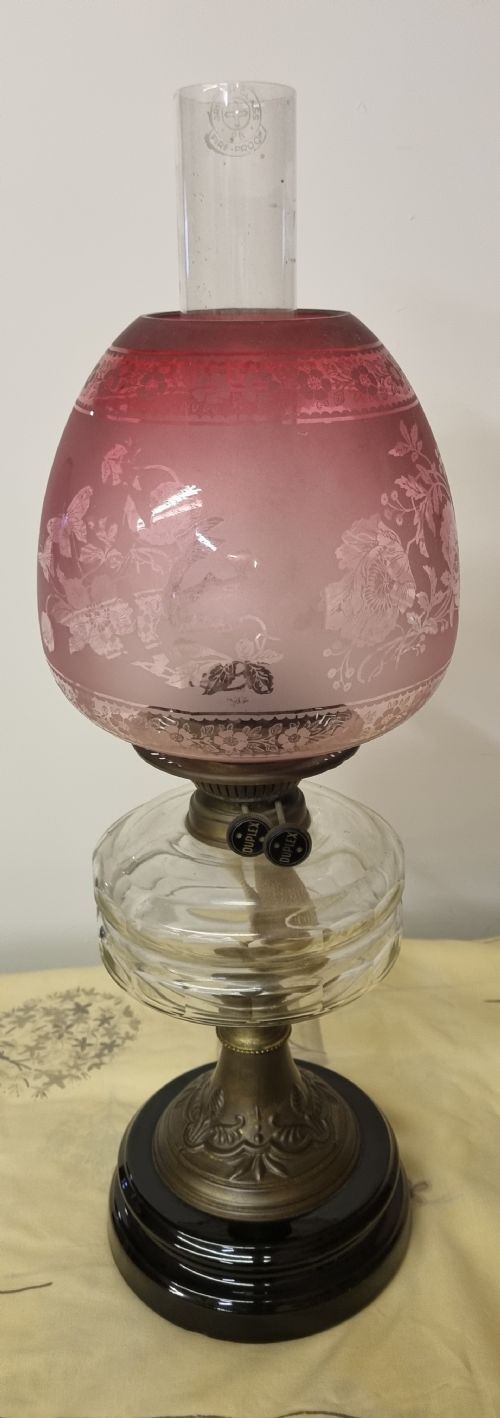
The most common examples on this page date from the Victorian and Edwardian eras, often pairing metal columns with coloured or clear glass reservoirs. These pieces range from simple table lamps to elaborate double-burner models with hand-painted fonts.
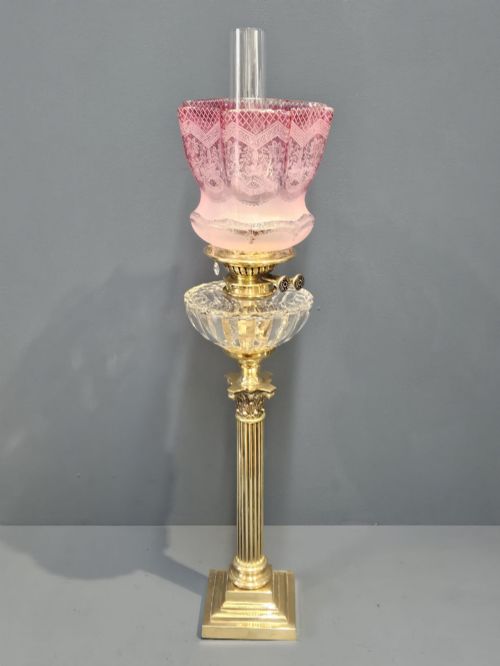
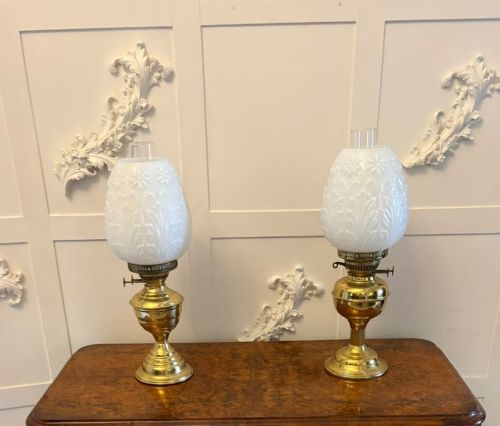
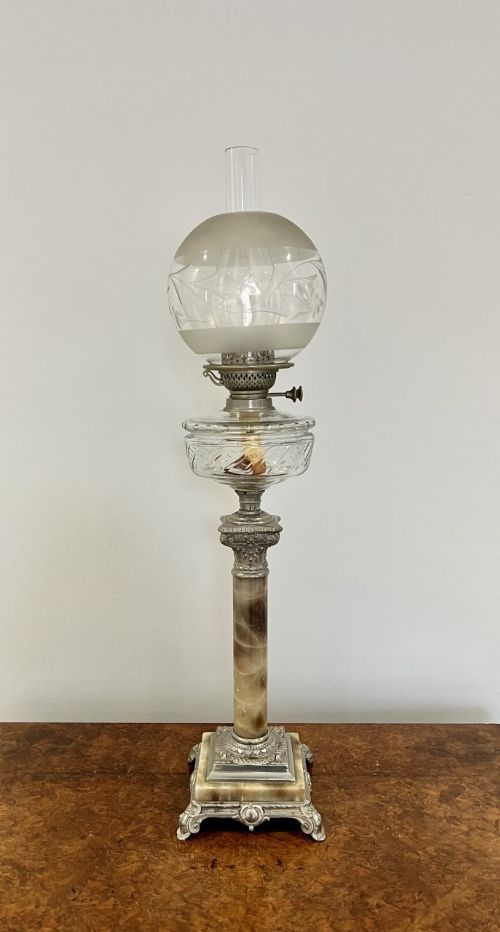
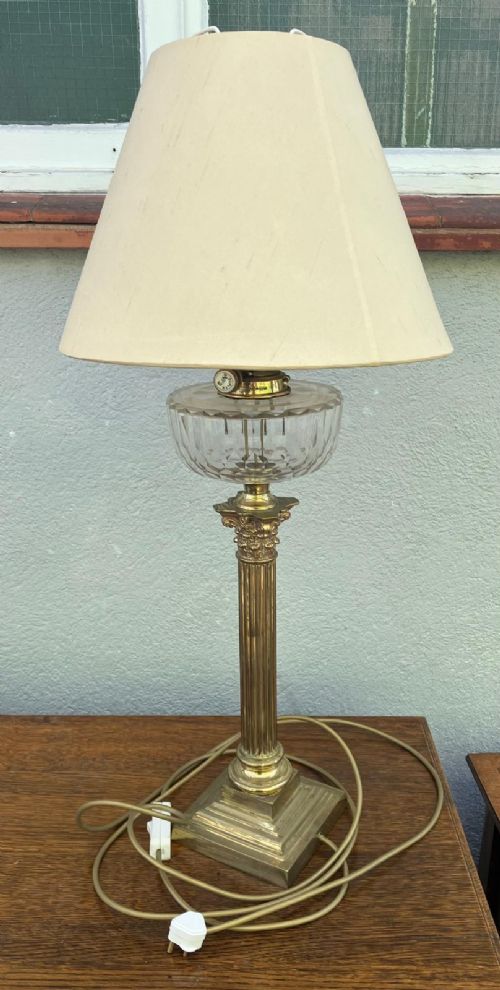
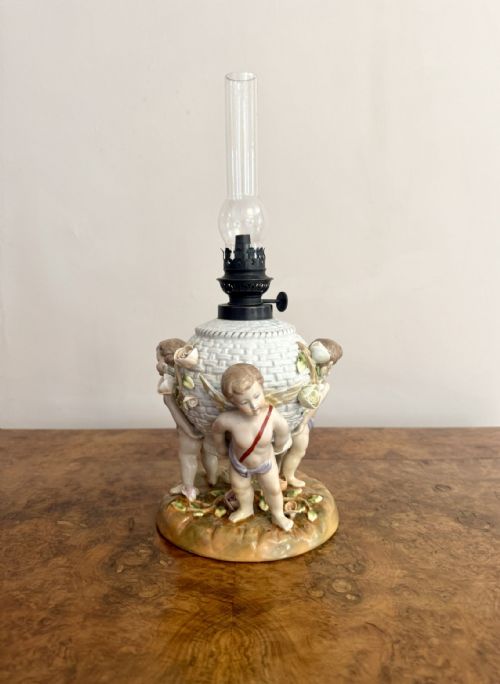
Forms vary from standard oil lamps and Corinthian columns to hanging ceiling lights and smaller pulpit lamps. Many incorporate contrasting materials such as brass fittings, ceramic bases, and opaline or cranberry glass components.
Materials and construction methods
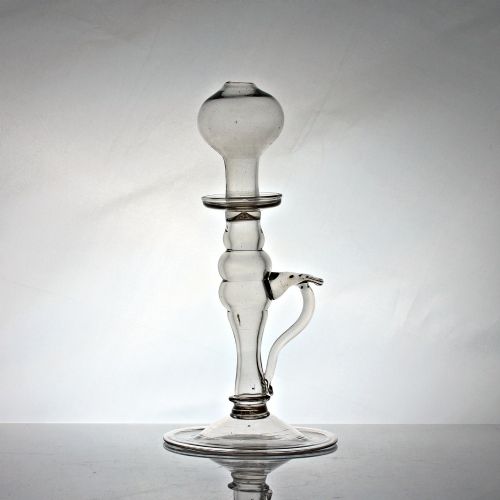
Techniques included hand-blowing glass fonts and shades, sometimes adding enamel painting or applied handles. Metal elements such as Corinthian or Ionic columns were cast and turned, then fitted with specialised mechanisms like duplex burners.
Listings feature brass, opaline glass, and cranberry glass across Victorian, Edwardian, and eighteenth-century periods.
Distinctions in quality
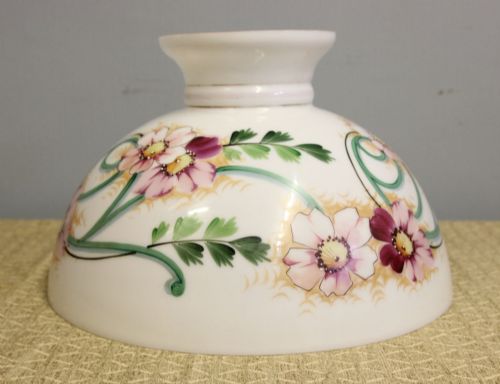
Quality rests on the depth of hand-finishing, the weight of the brass or ceramic base, and the crispness of moulded or etched glass details. Pieces featuring hand-painted botanical motifs or robust double burners sit at the upper end of the range.
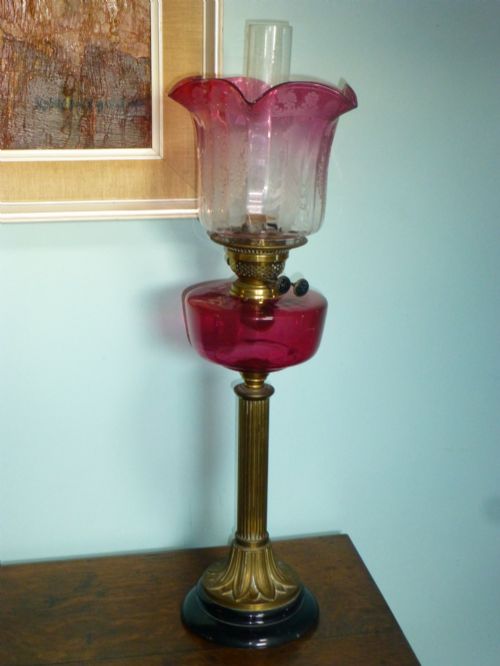
Proportion and material integration define superior examples, such as those combining onyx columns with matching cranberry shades. Simpler pressed glass fonts and standard brass mountings represent more utilitarian production.
Hinks of Birmingham·Gustave Serrurier Bovy·Sitzendorf
The Vintage Glass Paraffin Light Glossary
- Duplex burner
- A double-wick mechanism designed to produce a brighter flame. It allowed paraffin lamps to project significantly more light than single-wick variants.
- Font
- The oil reservoir of the lamp, typically fashioned from glass, porcelain, or brass. This container sits atop the column or base and feeds fuel to the burner.
- Opaline glass
- An opaque, milky-white glass often tinted in pastel shades. It was frequently utilised for lamp shades to diffuse the harsh glare of the flame.
- Cranberry glass
- A rich red-pink transparent glass created by adding gold chloride to the molten batch. It appears frequently in Victorian lamp fonts and matching shades.
- Corinthian column
- An architectural column style featuring ornate, acanthus-leaf capitals adapted for lamp bases. Makers employed this classical revival form to lend grandeur to table lamps.
Vintage Glass Paraffin Light: Frequently Asked Questions
How do I identify a Victorian oil lamp?
Victorian lamps often feature heavy brass columns, cranberry or opaline glass fonts, and established burner types such as the duplex system. Look for classical revival details like Corinthian capitals and registration marks stamped on the metalwork.
Proportions tend to be substantial, with hand-etched glass tulip shades frequently paired with matching coloured glass reservoirs. Later Edwardian examples sometimes introduce lighter ceramic bases and simpler profiles.
What is a duplex burner?
A duplex burner uses two flat wicks placed side by side to generate a wider, brighter flame than standard single-wick paraffin lamps. This mechanism became standard on better-quality late nineteenth-century lighting.
Turn-keys and gallery collars associated with these burners often bear manufacturer names or patent details, helping to date the piece accurately.
Can these lamps still burn paraffin?
While these pieces were originally engineered for domestic illumination using paraffin, many modern buyers convert them for electrical use or retain them purely as decorative objects.
Using them with oil requires checking the integrity of the glass font and ensuring the burner mechanism functions correctly without leaks.
How should I clean a glass and brass lamp?
Clean glass fonts and shades with warm soapy water, avoiding harsh abrasives that might damage hand-painted enamel or gilt decoration. Brass components benefit from gentle dusting and specialised metal cleaners only if unlacquered.
Take care around delicate applied handles and hand-blown edges when handling removable shades during maintenance.