

Vintage Glass Light Shade
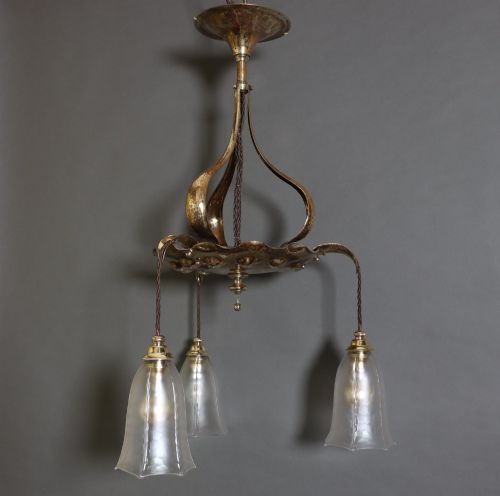
A vintage glass light shade brings instant character to a room, casting warm illumination through textured, opaline, or coloured surfaces.
Vintage Glass Light Shade
When searching for a vintage glass light shade, buyers find an array of functional yet decorative covers designed for pendant lights, ceiling fixtures, and oil lamps. These pieces originate from periods spanning the Victorian era through the 1940s, encompassing styles like Art Deco, Edwardian, Industrial, and Arts & Crafts.
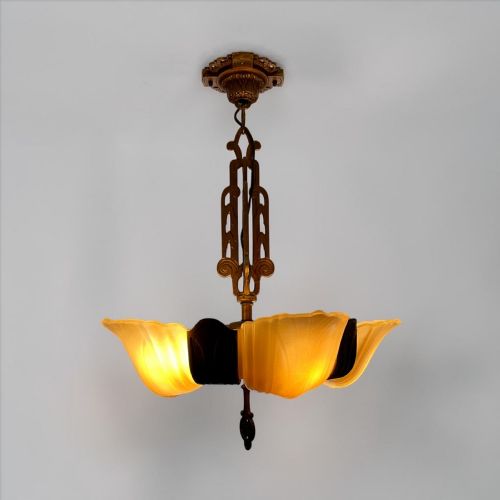
The most common examples encountered on this page date from the early 20th century, particularly the 1920s and 1930s, reflecting shifts towards geometric forms and streamlined domestic lighting. Makers utilised glass in various formulations to alter how light diffuses within a living space.
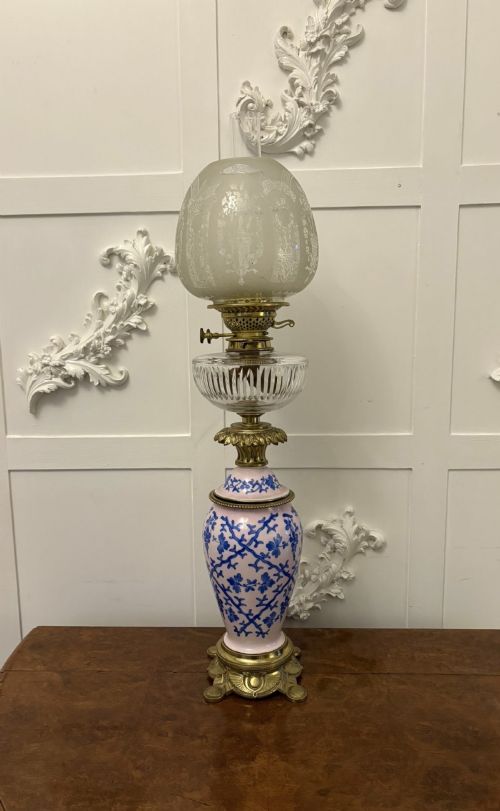
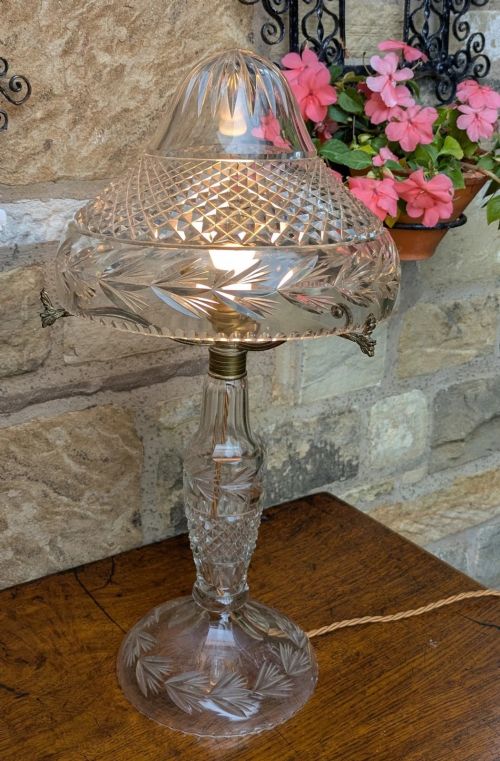
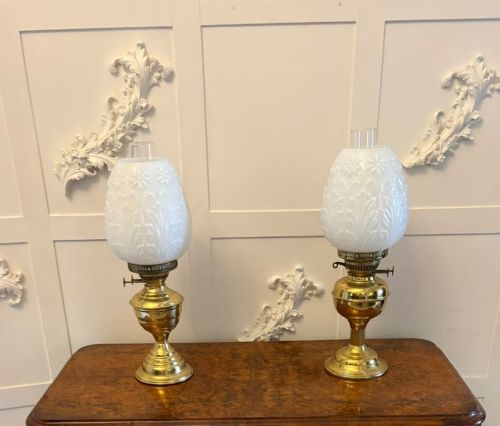
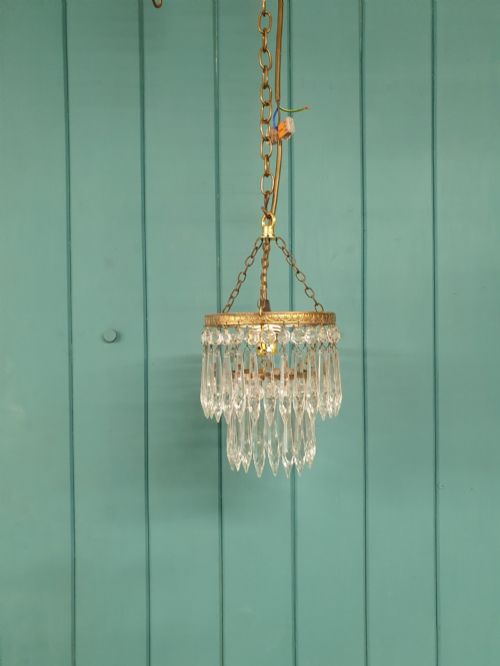
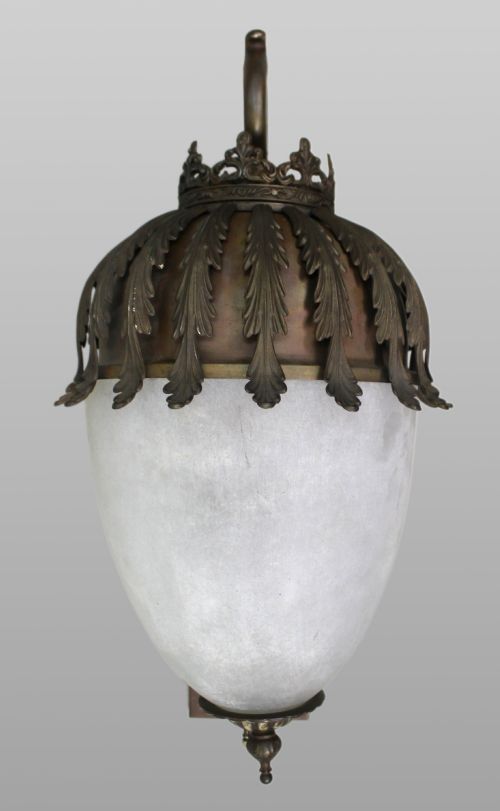
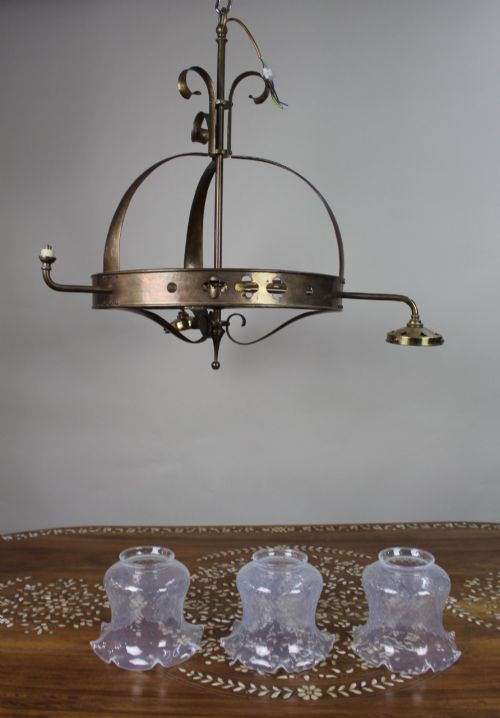
Formations range from smooth opaline and frosted glass to heavily faceted cut crystal and richly coloured cranberry glass. These shades frequently appear paired with brass, copper, or metal mountings that anchor the glass securely to hanging pendants or wall sconces.
Materials and construction methods
Glass production during these periods relied heavily on skilled moulding, blowing, and cutting techniques to achieve distinct optical properties. Workers shaped molten materials into domes, globes, and frilled profiles, sometimes incorporating lead or mineral content to increase weight and refractive brilliance.
Mounting hardware typically involved cast or spun brass, copper, and iron, providing robust structural support for heavy glass domes and pendants. Fitters secured the shades using galleries with thumb screws, ensuring the fragile glass remained stable under thermal expansion from gas or electric bulbs.
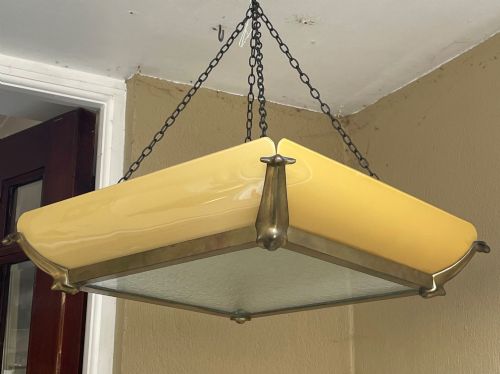
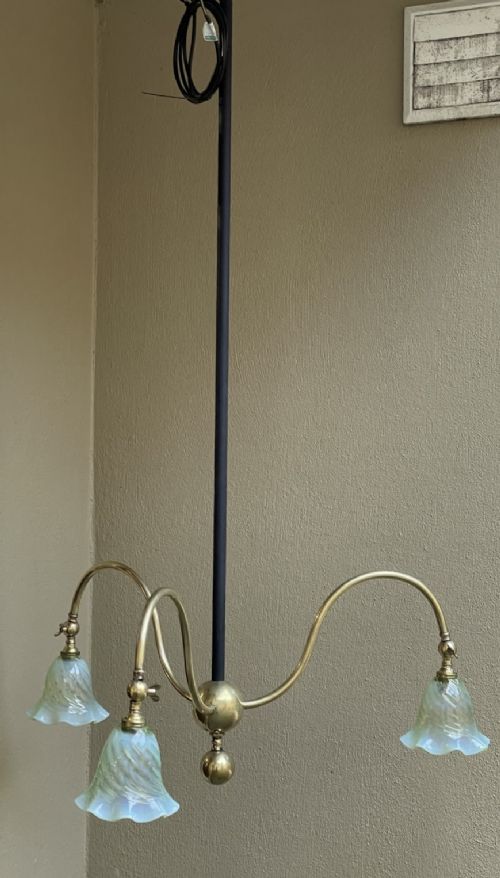
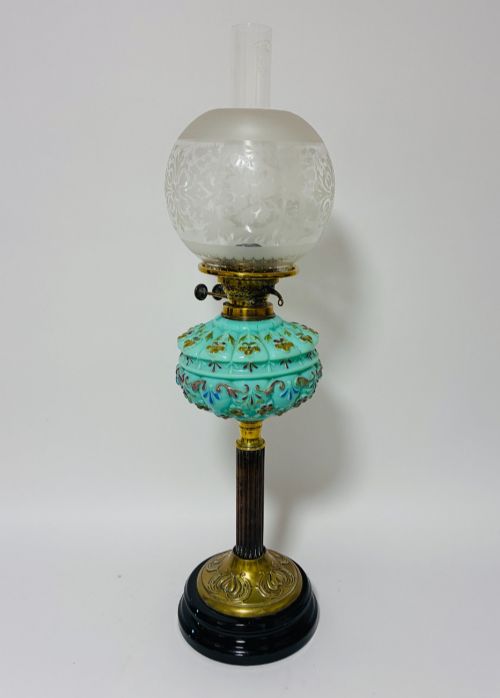
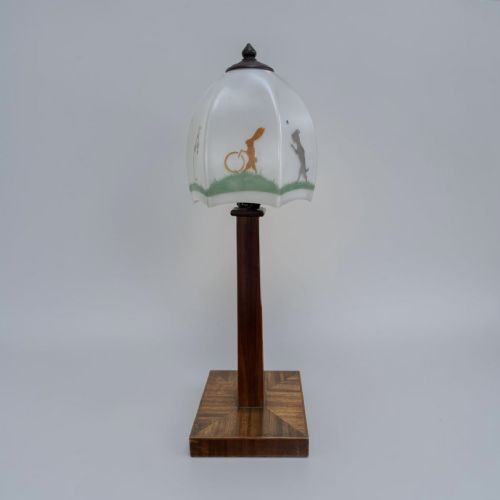
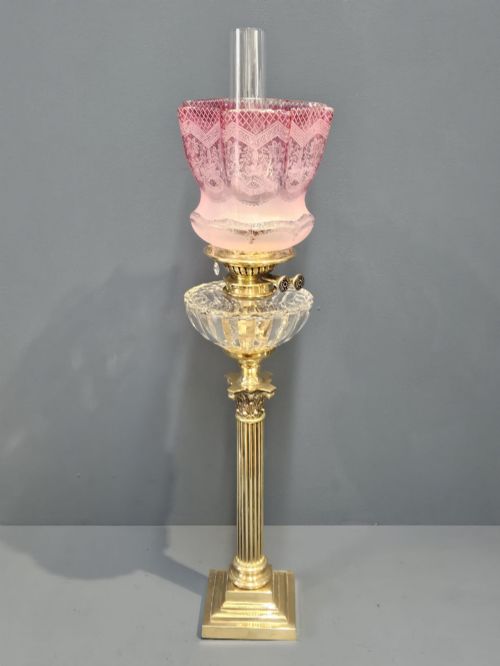
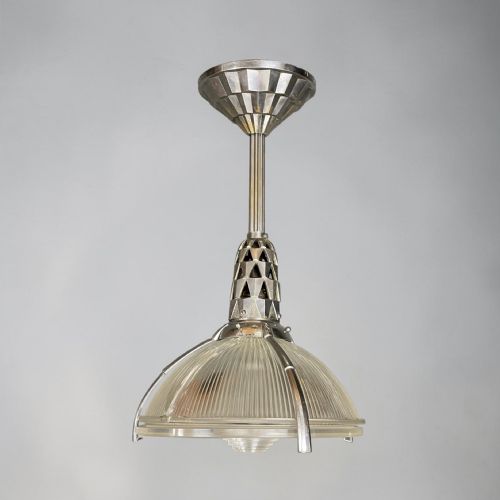
Listings feature glass shades spanning the Victorian, Edwardian, and Art Deco periods, utilising brass, copper, and opaline materials.
Distinctions in quality and execution
Quality rests significantly on the purity and weight of the glass, where heavier, evenly blown or deeply cut pieces demonstrate superior craftsmanship. Inferior examples often display bubbles, uneven thickness, or lack the crisp definition seen in finely moulded Art Deco slip shades and cut crystal domes.
The integration between the glass shade and its original metal fittings also dictates overall desirability and manufacturing standard. Superior pieces retain matching period brass or copper galleries that complement the glass proportions rather than appearing as later replacements.
Émile-Jacques Ruhlmann
The Vintage Glass Light Shade Glossary
- Opaline Glass
- An opaque or translucent white glass that diffuses light softly without harsh glare. It gained immense popularity during the Victorian and Edwardian periods for domestic lighting.
- Cranberry Glass
- A rich red-pink glass created by adding gold chloride to the molten batch. It is frequently associated with Victorian oil lamps and decorative shades.
- Plafonnier
- A shallow ceiling-mounted dome light that sits close to the surface. These fixtures became particularly fashionable during the early 20th century.
- Holophane
- A brand of scientific glassware featuring prismatic ribs designed to direct and distribute light efficiently. It is heavily represented in industrial and commercial lighting contexts.
Vintage Glass Light Shade: Frequently Asked Questions
How do I clean a vintage glass light shade?
Wash the glass gently in warm water using a mild, non-abrasive soap and a soft cloth. Avoid harsh chemical cleaners that might damage painted surfaces or aged patinas on associated metal fixtures.
Dry the glass thoroughly with a lint-free towel before reinstallation. Take extra care around delicate frilled edges or painted decorative motifs.
How can I tell a Victorian shade from an Art Deco one?
Victorian shades often feature ornate shapes, hand-painted floral motifs, or rich cranberry and opaline hues. They frequently accompanied oil lamps or heavy brass gasoliers.
Art Deco shades favour geometric symmetry, stylised motifs, and slip-moulded forms designed specifically for electric illumination. The lines are cleaner and reflect the machine-age aesthetics of the 1920s and 1930s.
What type of bulb works best in vintage glass?
Low-wattage warm LED bulbs replicate the soft, gentle glow of historical lighting without generating excessive heat. This protects antique glass from thermal stress.
Frosted or clear bulbs can be chosen depending on whether the shade is opaque or transparent. Transparent glass benefits from decorative filament bulbs that enhance the visual appeal of the pendant.