


Period Glass Lamp Shade
A period glass lamp shade brings soft, filtered light and authentic period character to a room, drawing on Victorian, Edwardian, and Art Deco designs.
Period Glass Lamp Shade
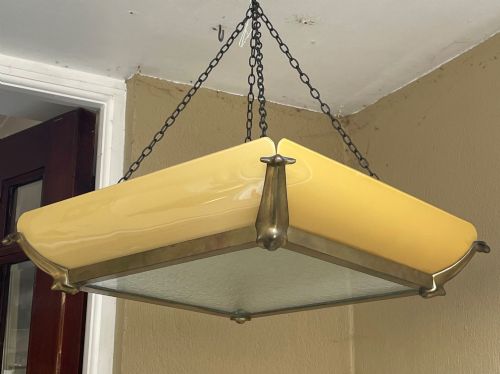
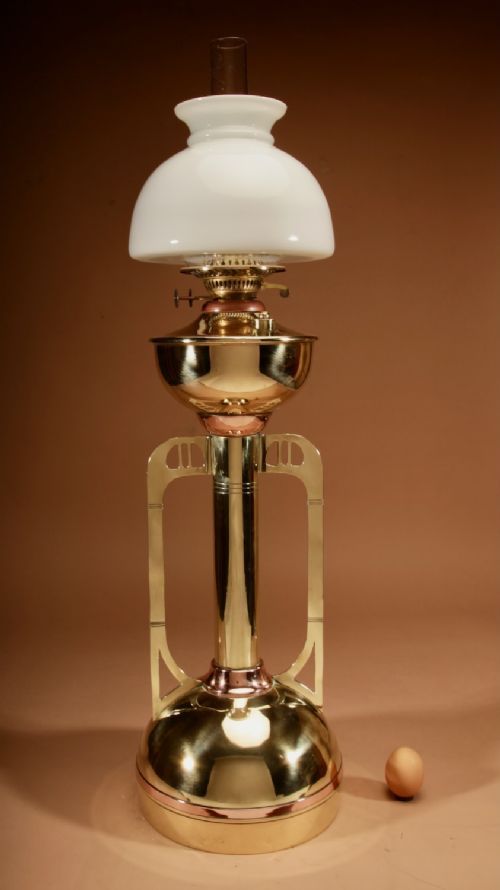
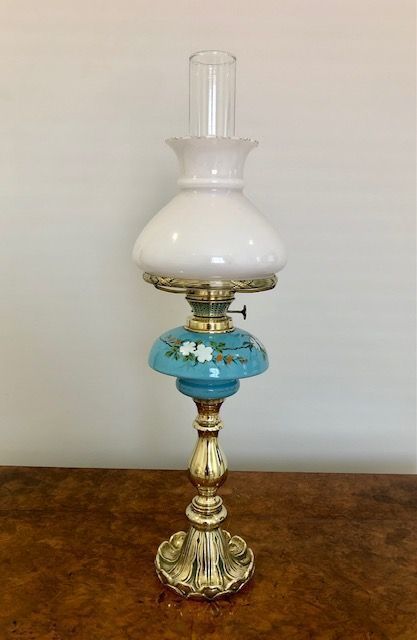
When you search for a period glass lamp shade, you encounter functional fittings and decorative shades spanning the Victorian, Edwardian, and Art Deco eras. The selection on this page includes pendant lights, ceiling lights, oil lamps, table lamps, wall sconces, chandeliers, and hanging lanterns designed to diffuse light effectively.
The versions you are most likely to meet combine glass components with metal mounts in brass, copper, silver plate, bronze, or cast metal. These items originate from periods such as the nineteenth century, 1900, 1920, and 1930, reflecting the shifting domestic lighting needs of those decades.
Stylistic influences range from Gothic Revival and Victorian ornamentation to flowing Art Nouveau, geometric Secessionist work, Edwardian industrial designs, and streamlined Art Deco. Each form serves a specific lighting purpose, from central ceiling illumination to targeted wall mounting and portable table lamps.
How they were made
Makers formed the lamp shades themselves from glass, utilising techniques that produced clear cut glass, opaque opaline glass, or textured frosted glass to soften the glare of oil or early electric light. These glass elements were then paired with metalwork structures.
The supporting frames and mounts relied on brass, copper, bronze, and silver plate, shaped through casting, turning, and metal fabrication. Makers incorporated these durable metals to secure the heavy glass shades safely to ceilings, walls, and lamp bases.
Some paraffin lamps required a steady hand and a trimmed wick just to keep the parlour from smelling like a sheep dip.
What varies in quality
Quality in these lighting pieces lies in the crispness of the glass cutting and the purity of the opaline or frosted surfaces, which dictate how evenly the shade diffuses light. Heavier, thicker glass and uncompromised structural integrity set finer examples apart.
The standard of the metalwork also defines the piece, with substantial brass, copper, or bronze castings and refined mounting details indicating superior workmanship. Attribution to known makers or distinctive stylistic movements like Secessionist or Art Nouveau further elevates the character of the fitting.
Gustave Serrurier Bovy·F And C Osler
The Period Glass Lamp Shade Glossary
- Opaline glass
- A pale, semi-translucent glass that diffuses light softly without glaring. It gained popularity in nineteenth-century and early twentieth-century lighting.
- Frosted glass
- Glass treated to create a textured, opaque surface that scatters light evenly. This finish is frequently found on Art Deco shades.
- Secessionist
- A style associated with the early twentieth-century breakaway from traditional academic art and design. It favours geometric clarity and restrained ornamentation.
- Pendant light
- A hanging light fixture suspended from the ceiling by a cord, chain, or metal rod. It usually positions a single shade directly over a surface.
- Wall sconce
- A light fixture fixed to a wall that directs illumination outward or upward. These often feature matching glass shades held by metal brackets.
Period Glass Lamp Shade: Frequently Asked Questions
How do I clean a period glass shade?
Wash the glass gently in lukewarm water with mild soap, avoiding harsh abrasives that might damage frosted or opaline surfaces. Dry thoroughly with a soft cloth before rehanging.
Keep metal mounts dry and dust them with a soft brush to preserve patination on brass, copper, or silver plate.
Can these old lamps use modern bulbs?
Many period pendants and wall lights accommodate modern screw or bayonet bulbs if the original internal fittings have been safely updated. Consult a qualified electrician to check the wiring compatibility.
Low-heat LED bulbs work well inside vintage glass shades to prevent excessive heat buildup while maintaining the desired ambience.
What rooms suit a hanging lantern?
Large hanging lanterns with frosted or clear glass suit high-ceilinged entryways, hallways, or stairwells where they provide ample downward illumination. Their substantial metal frames anchor the vertical space.
Ensure the drop of the pendant leaves sufficient headroom for walking underneath safely.
How do I identify an Art Deco shade?
Art Deco shades from the nineteen-thirties typically feature geometric lines, frosted or stepped glass forms, and streamlined metal mounts. They project a clean, industrial modernity compared to earlier Victorian styles.
Look for symmetrical patterns and restrained ornamentation that define the period.