
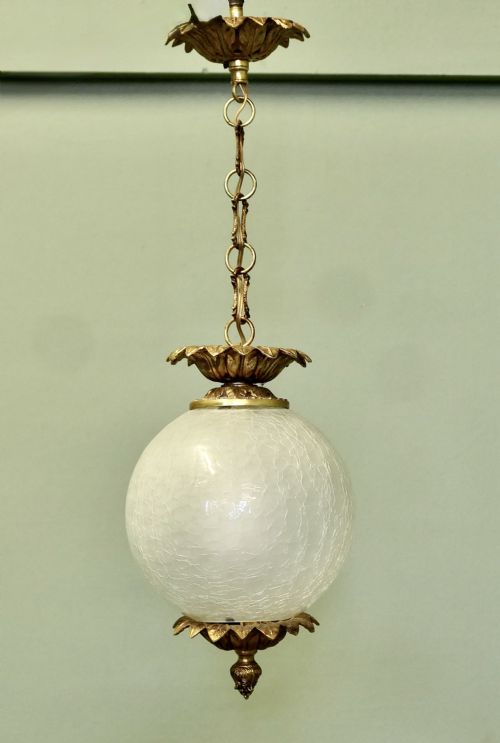
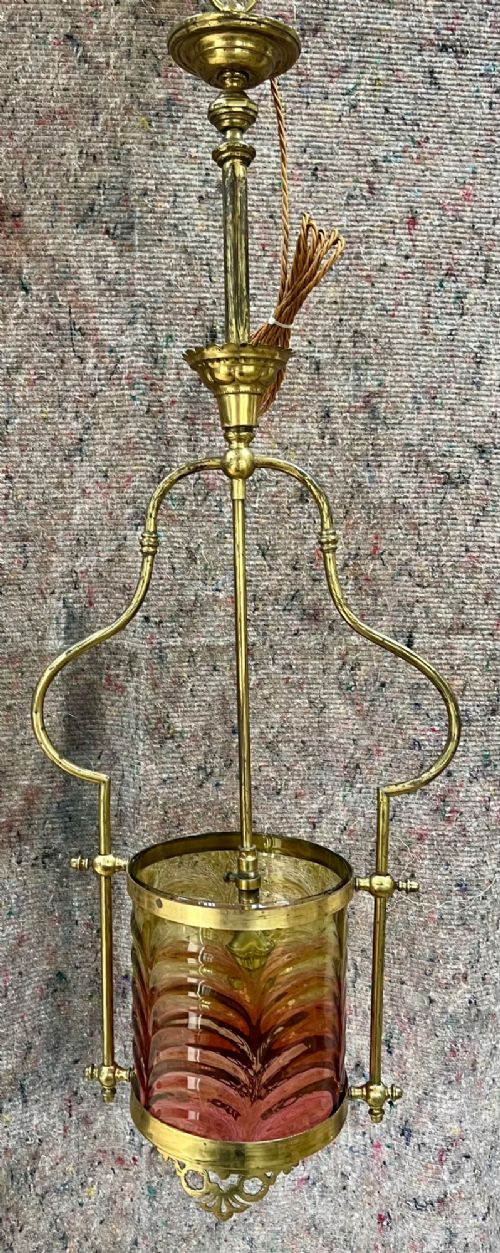
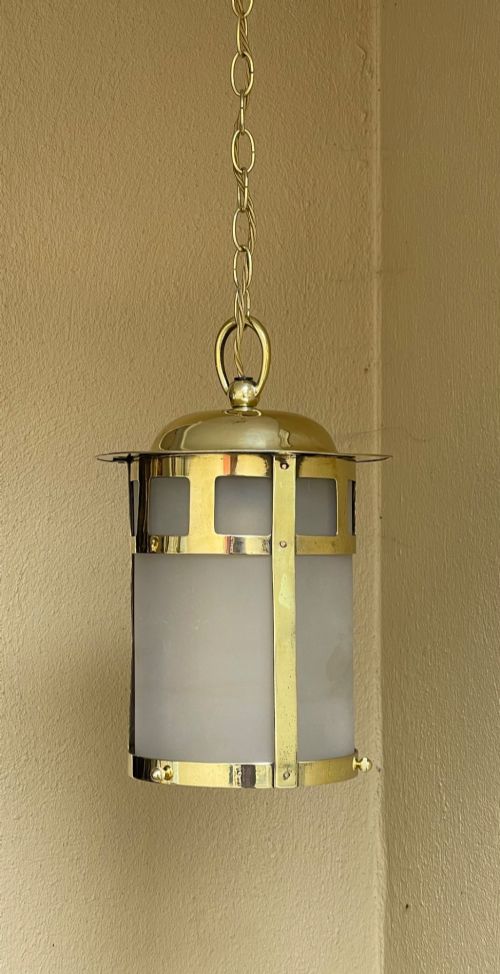
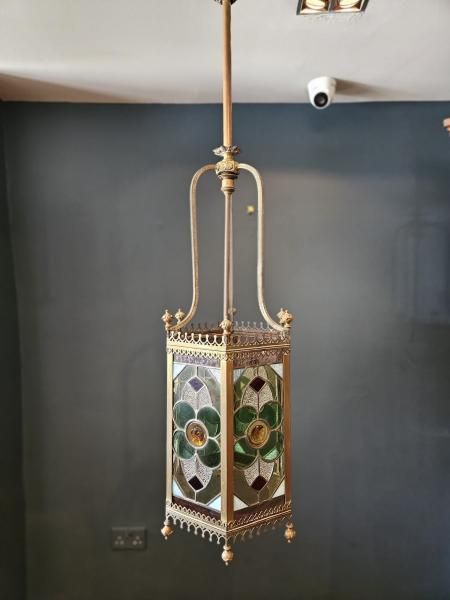
Antique Glass Lantern Fixture
An antique glass lantern fixture brings focused illumination and traditional character to a hallway, porch or ceiling.
Antique Glass Lantern Fixture
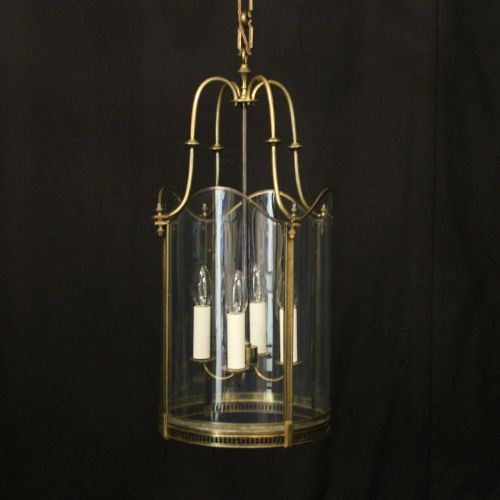
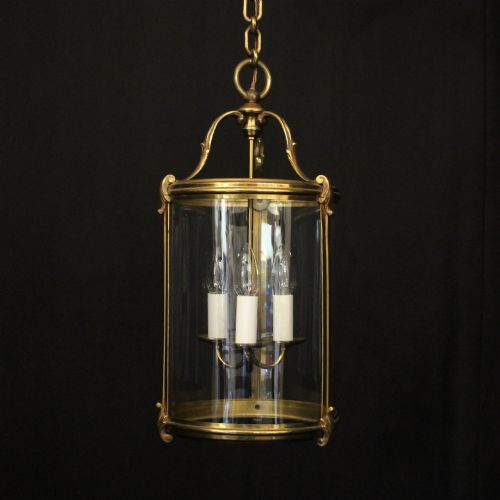
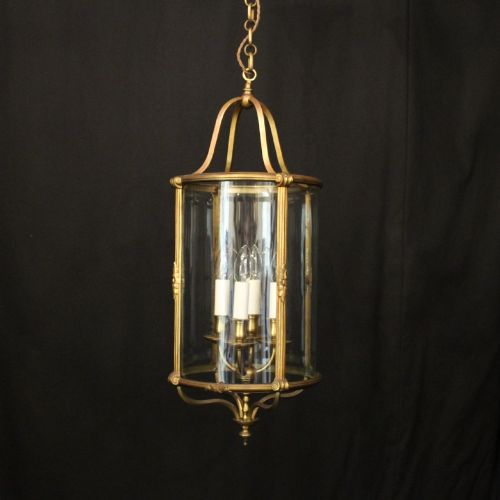
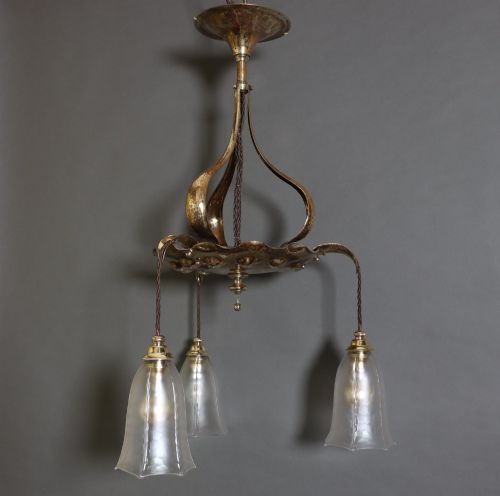
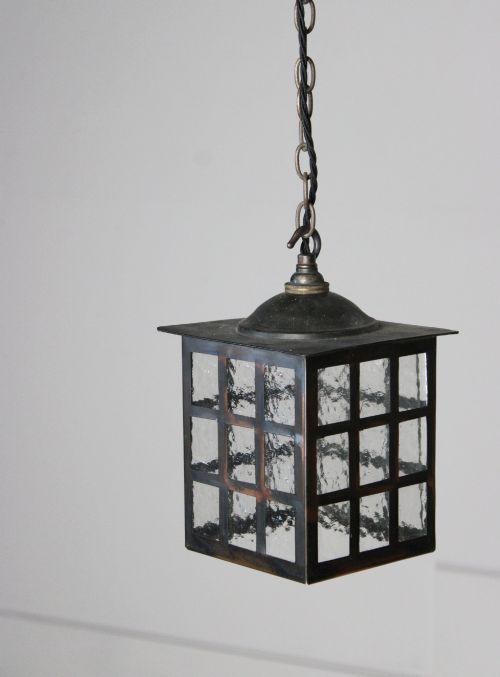
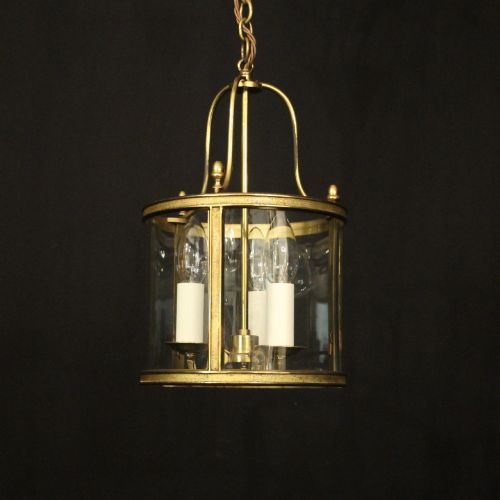
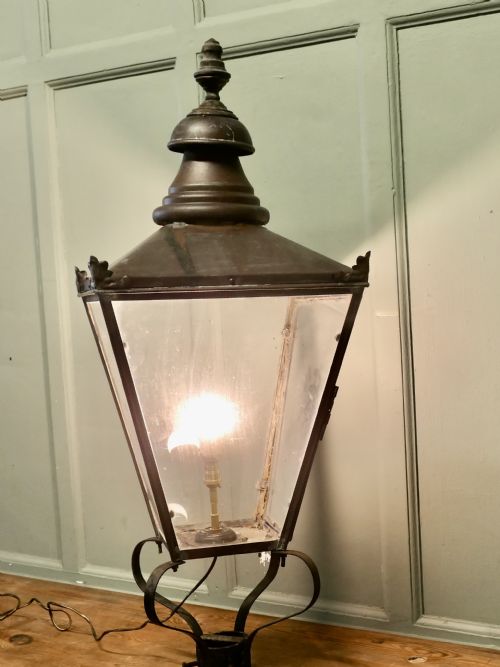
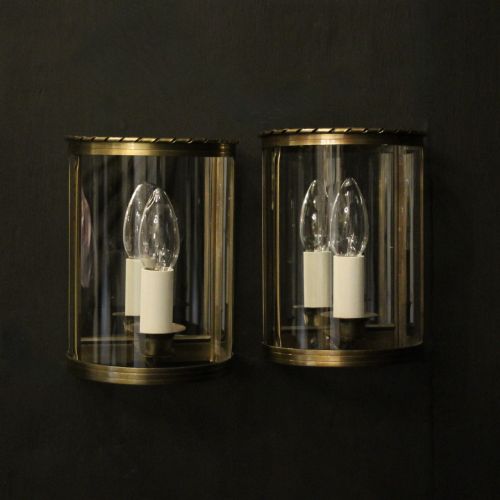
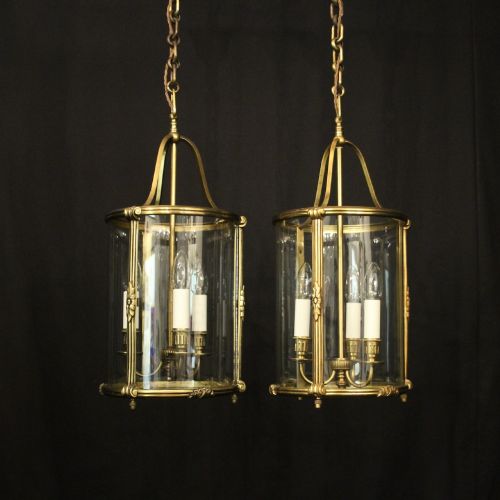
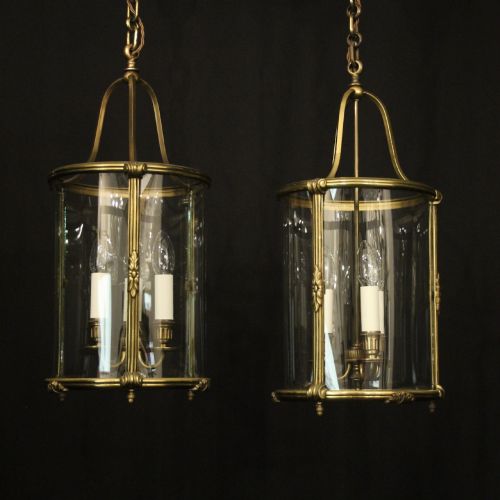
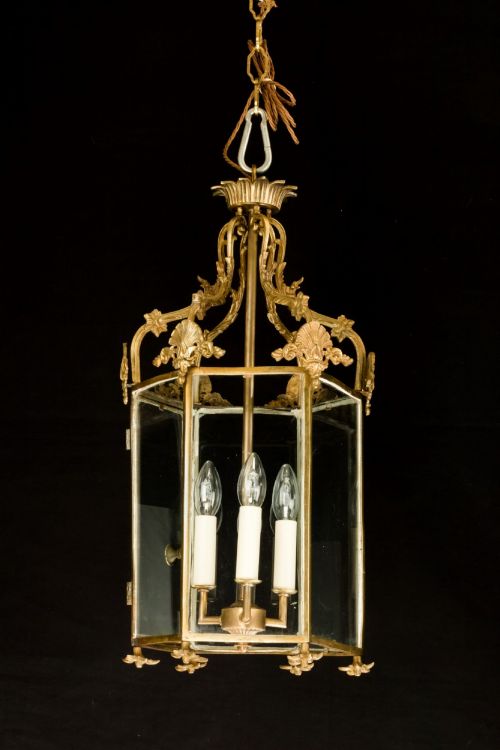
An antique glass lantern fixture provides overhead illumination through enclosed panes or globes suspended from ceilings and brackets. These fixtures appear in various forms, including hall lanterns, pendant lights, wall lights and ceiling lanterns.
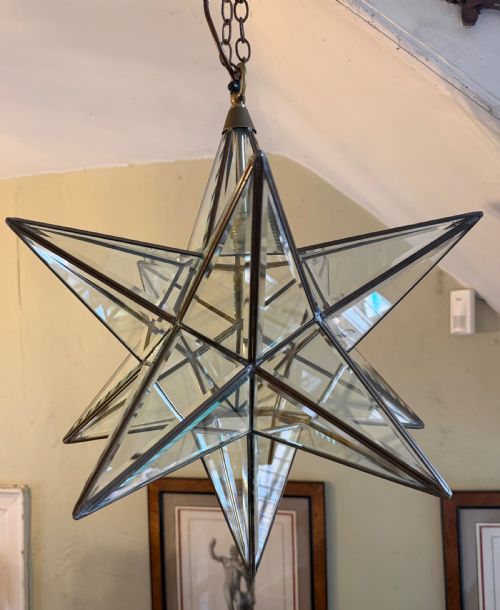
French gilded bronze and brass examples dominate the records, alongside English copper and leaded glass designs. Buyers frequently encounter convex glass panels and faceted star shapes among the hanging lanterns.
How they were made
Metal frames take shape through casting, beating or forging, utilising brass, copper, bronze, gilt bronze, wrought iron and iron. Smiths and foundry workers joined structural components with rivets, screws or solder to form rigid cages for the glass.
Glaziers cut and bevelled glass plates to fit snugly within metal channels, or utilised lead cames to hold stained and coloured panels together. Some workshops incorporated mouth-blown convex or globe glass to diffuse the interior light source.
A surprising number of nineteenth-century lanterns started life lit by candles rather than electricity.
What varies in quality
The calibre of metalwork dictates much of the distinction between pieces, with chased or fire-gilded bronze showing greater definition than simpler pressed brass. Heavier gauge metals and robust structural joints ensure the fixture hangs true and securely.
The clarity and thickness of the glass panels also influence the overall standard, particularly where bevels catch the light or leaded cames form intricate geometric patterns. Original surface patination and matching components elevate the integrity of the surviving fixture.
F and C Osler
The Antique Glass Lantern Fixture Glossary
- Convex glass
- Curved glass panels that bulge outward, often seen in French hall lanterns to diffuse light more widely across a space.
- Bevelled glass
- Glass panes with angled edges cut around the perimeter, catching ambient light and creating prismatic reflections.
- Lead came
- Flexible lead strips shaped into channels to hold individual pieces of stained or clear glass together in a leaded window or lantern.
- Toleware
- Painted or enamelled sheet metal items, occasionally utilised for decorative lantern bodies and shades.
- Gilt bronze
- Bronze metal treated with a thin layer of gold or gold-coloured alloy, frequently employed in French decorative lighting.
- Moonstone glass
- Opaque white glass with a soft lustre, often utilised in early twentieth-century globes and shades to soften glare.
Antique Glass Lantern Fixture: Frequently Asked Questions
Where should I hang a hall lantern?
These fixtures suit entryways, corridors and high-ceilinged landings where vertical space allows them to hang freely. Their enclosed design directs light downward while casting patterns through the surrounding glass panes.
Ensure you measure the drop from the ceiling to allow adequate clearance for walking underneath, particularly in narrow hallways.
How do I know the period of a lantern?
Dating relies on combining the stylistic details of the metal frame with the manufacturing methods of the glass. Victorian and Edwardian examples often display heavier brass or copper construction, while Art Deco and 1930s pieces favour streamlined geometric or globe forms.
Examine the fixings, screw threads and wiring channels where accessible, as these manufacturing markers often indicate the era of production.
Were these fixtures always electrified?
Many older examples started life configured for candles or oil before conversion to electricity during the twentieth century. Some Victorian pieces retain evidence of early candle sockets or oil fonts within their metal frames.
When acquiring an older fixture, check the internal wiring and consult a qualified electrician to ensure safety standards meet modern requirements.
How do I clean an antique glass lantern?
Dust metal frames gently with a soft brush and clean glass panels using a mild glass cleaner applied to a cloth rather than sprayed directly. Avoid harsh chemical polishes on aged bronze or brass surfaces to preserve their natural patination.
Take care around leaded joints and delicate applied decorations when wiping down the fixture.