
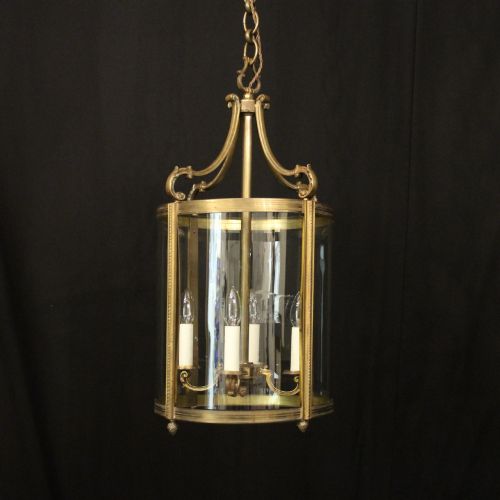

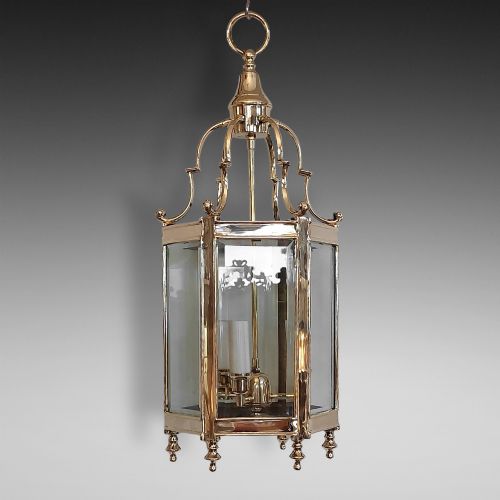
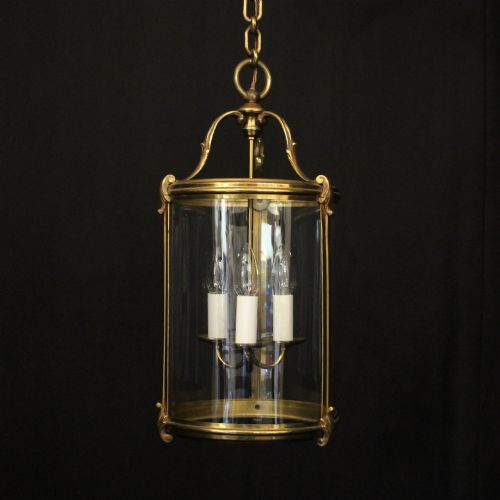
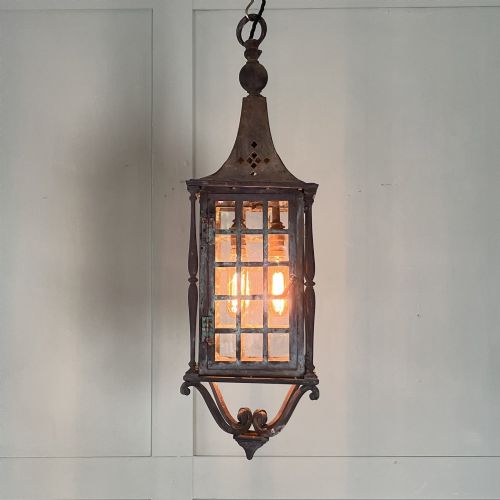
Vintage Glass Lantern Light
A vintage glass lantern light brings focused illumination and timeless character to a hallway, porch or ceiling.
Vintage Glass Lantern Light
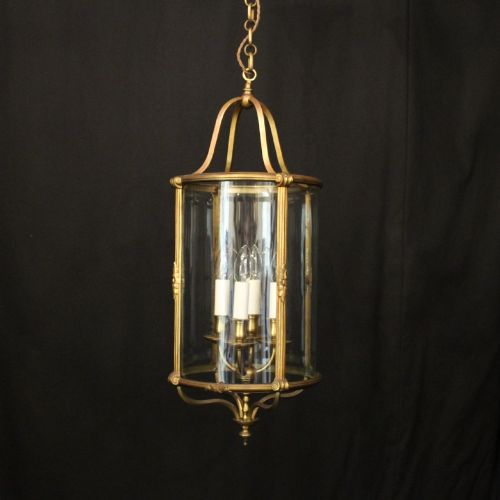
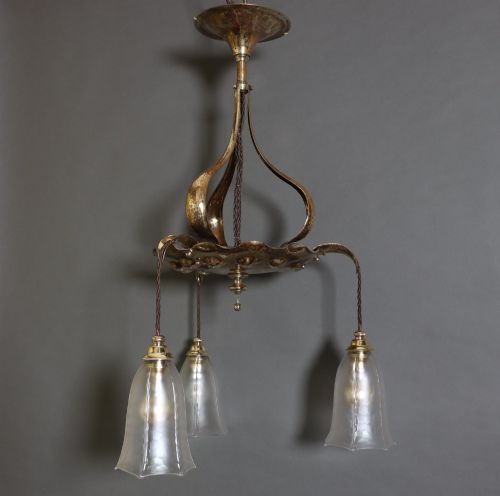
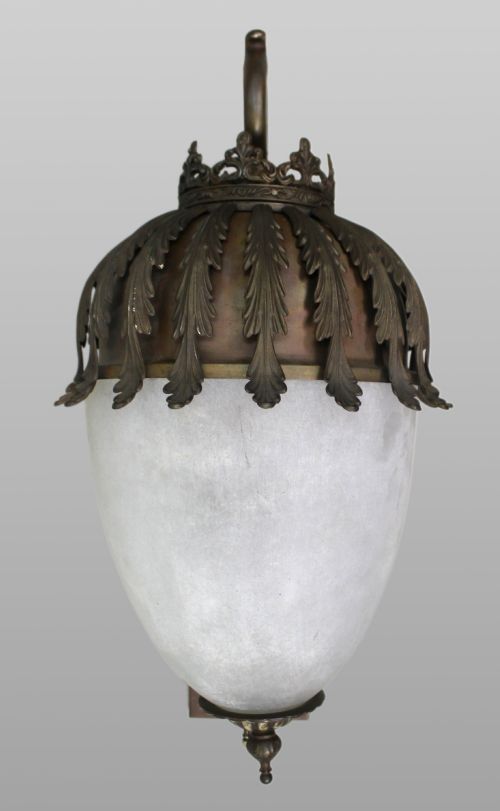
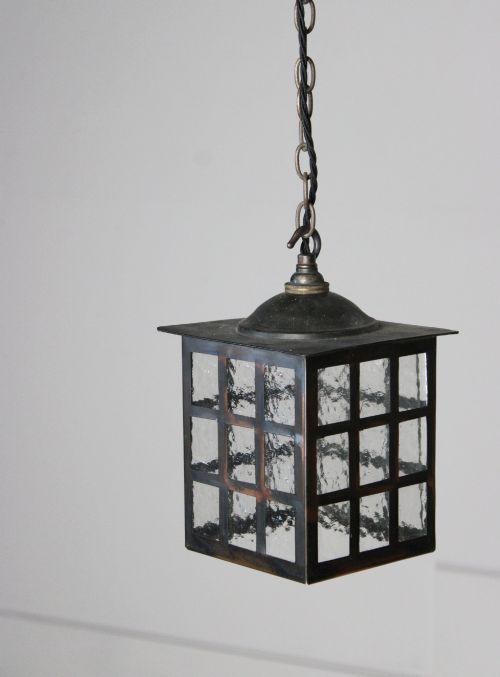
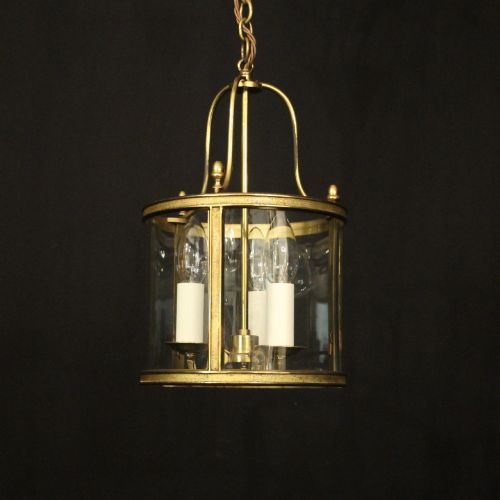
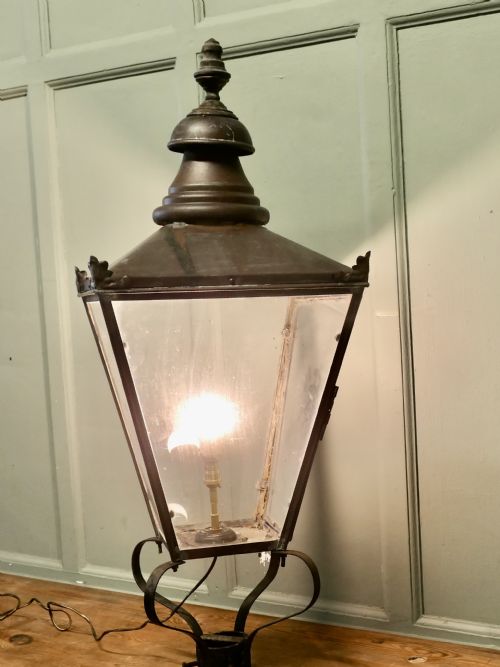
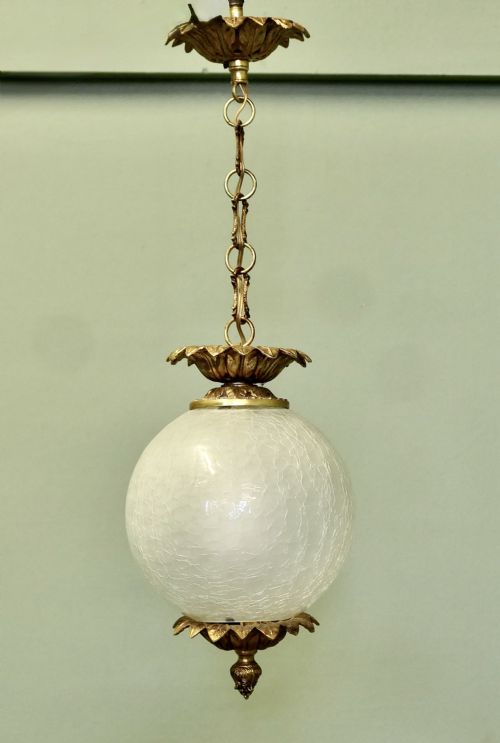
A vintage glass lantern light encompasses hanging hall lanterns, wall sconces and ceiling pendants designed to illuminate interior spaces and entranceways. When searching for a vintage glass lantern light, buyers encounter fixtures spanning from the Victorian and Edwardian eras through to the Art Deco period of the 1920s and 1930s.
How they were made
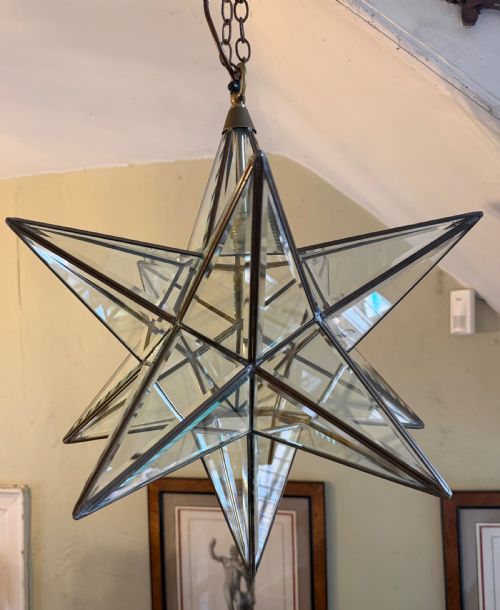
Makers constructed these fixtures using robust metal frames of brass, copper, iron or gilt bronze to house panels of glass. Many pieces utilise bevelled, etched or hand-blown bullseye glass held securely within leaded or framed structures.
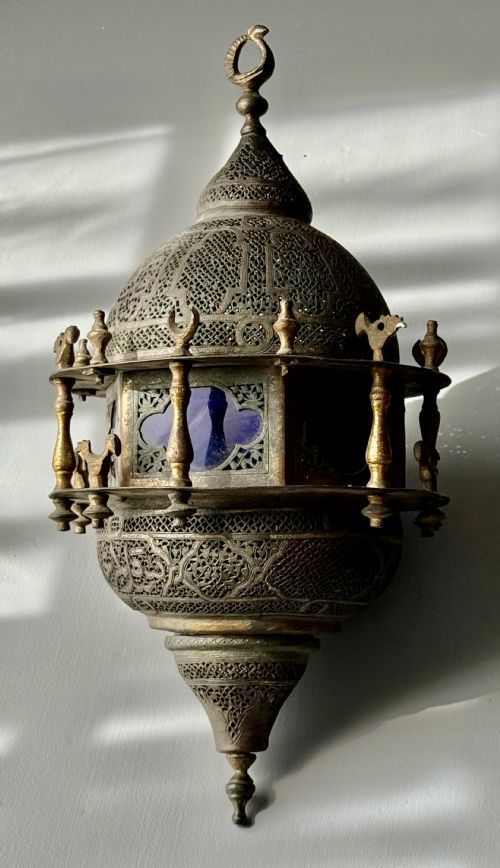
Metalwork techniques involve casting, piercing and gilding, particularly seen in French chateau and Moorish revival designs. Structural elements often incorporate hinged doors, decorative suspension chains and multiple internal light clusters.
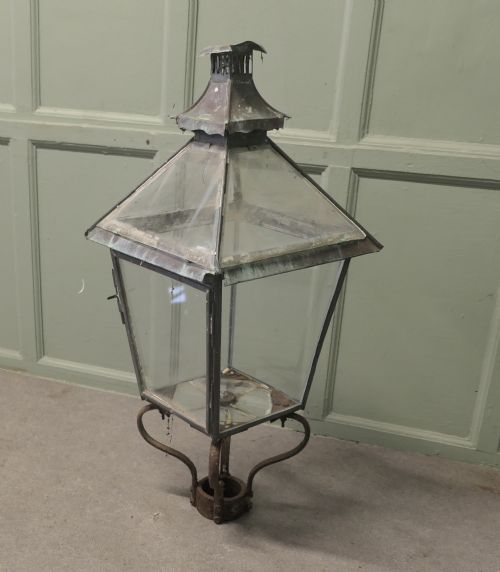
Look out for heavy railway and street lanterns that once illuminated foggy Victorian platforms before finding a second life indoors.
What varies in quality
Quality rests in the weight of the metal casting, the clarity and thickness of the glass panels, and the crispness of applied detail such as gilding or etching. Substantial bronze and brass frames with intricate pierced work or bevelled panes indicate superior manufacture.
Proportion and decorative coherence distinguish finer examples from standard utility lighting. Pieces retaining original gilding, hand-blown glass anomalies and robust structural joinery command greater appreciation.
The Vintage Glass Lantern Light Glossary
- Convex glass
- Curved glass panels that project outward to diffuse light across a wider angle. They frequently appear in French hall lanterns and half lanterns.
- Gilt bronze
- Bronze metal treated with a thin layer of gold or gold-coloured alloy to impart a rich metallic sheen. This material defines ornate French and neoclassical lighting fixtures.
- Leaded glass
- Individual pieces of glass joined together with strips of lead came to form geometric or decorative patterns. This technique is typical of Arts and Crafts and Edwardian porch lights.
- Bulls-eye glass
- Thick, circular blown glass panes featuring a central optical swirl or lens effect. They provide texture and obscure direct sight of the internal bulb.
- Hall lantern
- A ceiling-hung lighting fixture specifically scaled for narrow corridors, vestibules and entrance halls. They balance vertical drop with enclosed glass protection.
Vintage Glass Lantern Light: Frequently Asked Questions
How do I clean an antique glass lantern?
Remove dust with a soft, dry microfibre cloth before cleaning glass panels with a mild glass cleaner applied to the cloth rather than sprayed directly onto the frame.
Take care around aged metal finishes, gilding and leaded joints to preserve their historic patina.
Are these lanterns wired for modern electricity?
Many surviving fixtures have been adapted over time with modern internal wiring and standard lamp holders to meet contemporary electrical safety standards.
It remains advisable to have a qualified electrician inspect any vintage light fitting prior to installation.
How do I distinguish Edwardian lanterns from 1920s designs?
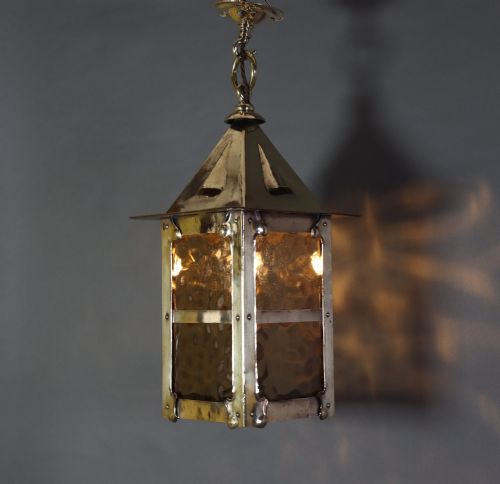
Edwardian examples frequently lean towards heavy brass frames, arts and crafts influences, and traditional leaded glass construction.
By contrast, pieces from the 1920s and 1930s often introduce cleaner geometric lines, gilt bronze mounts and French art deco styling.