

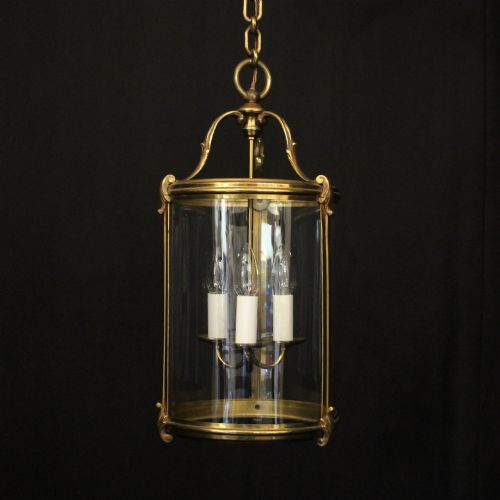
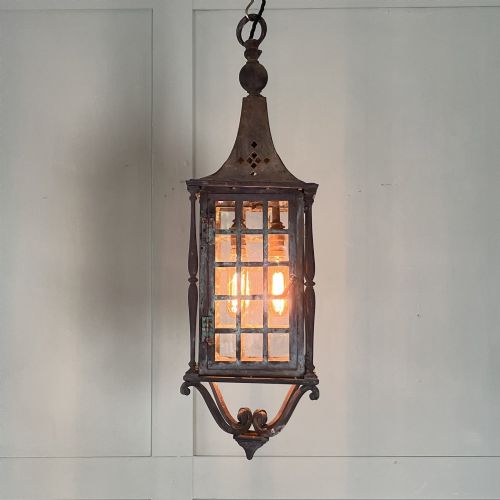
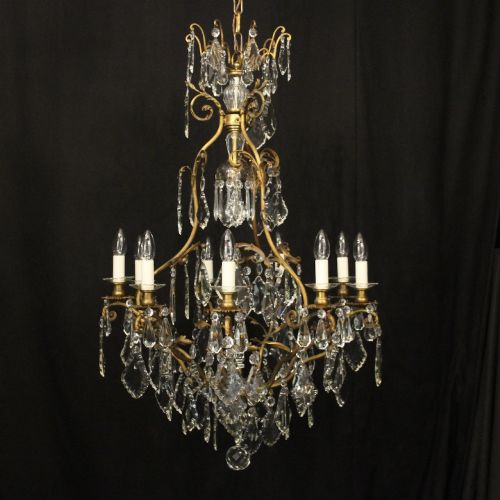
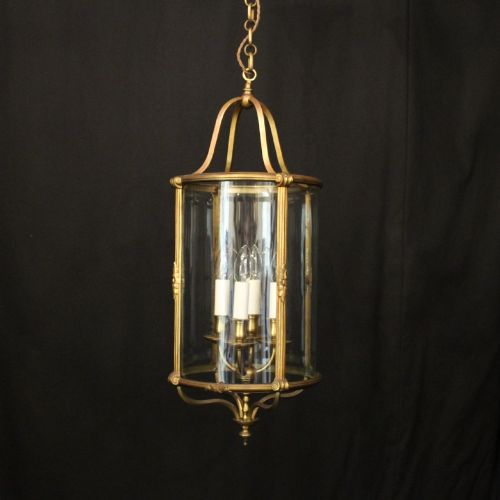
Traditional Glass Pendant Light
These hanging fixtures bring illumination and presence to hallways and rooms, uniting glass and metal in enduring forms.
Traditional Glass Pendant Light
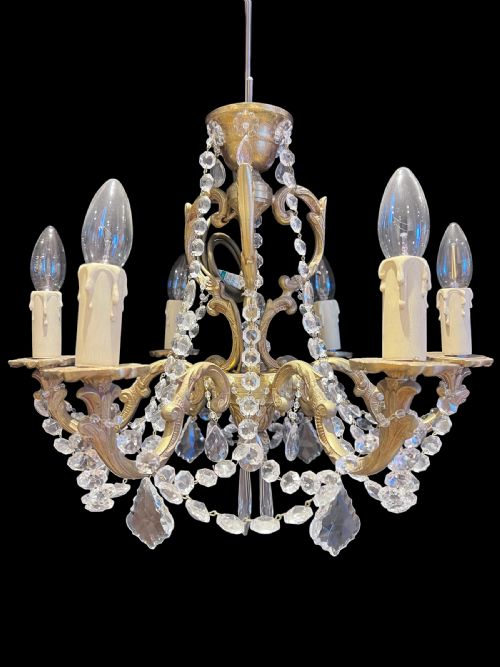
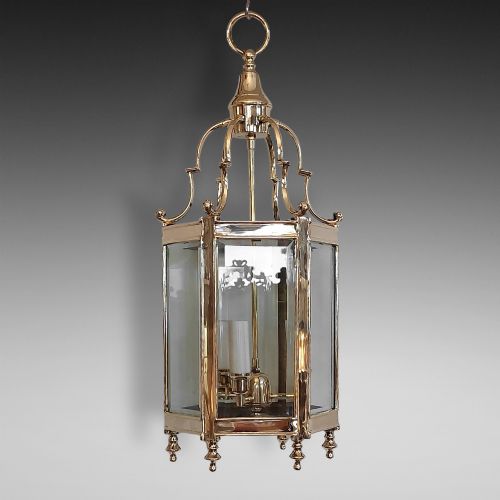
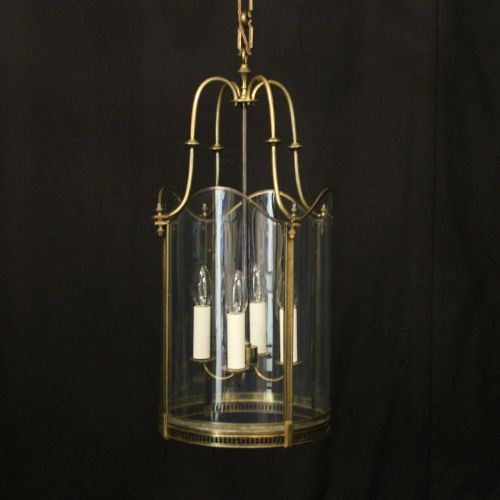
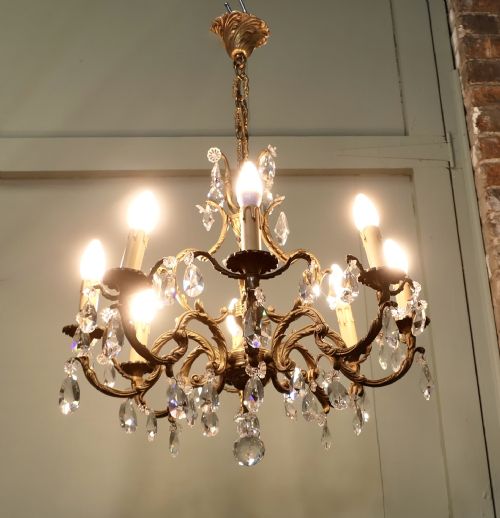
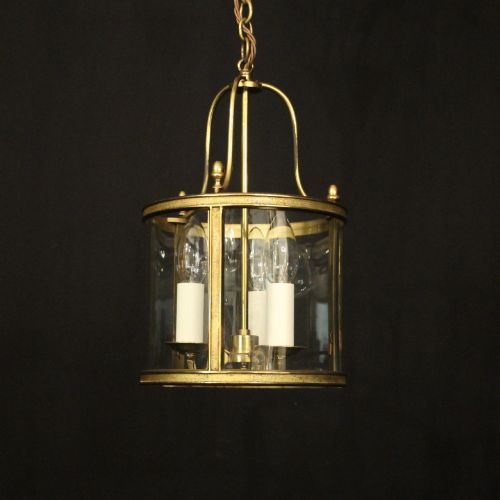
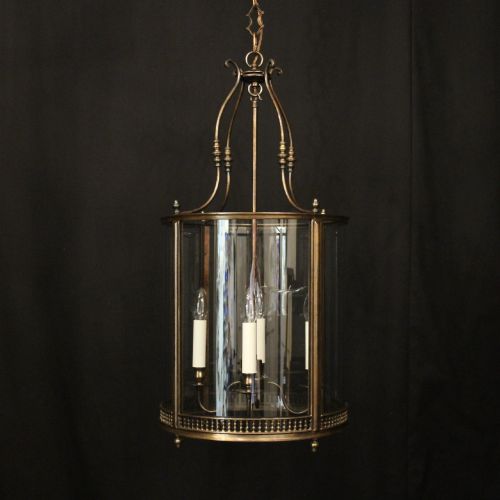
A traditional glass pendant light encompasses hanging illumination spanning from the nineteenth century into the 1930s, featuring lanterns, plafonniers, and chandeliers. Buyers seeking these fixtures will encounter prominent French and English examples fashioned from brass and glass.
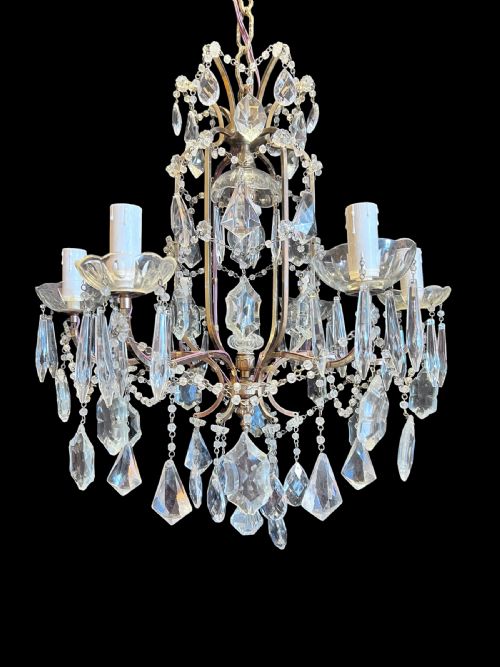
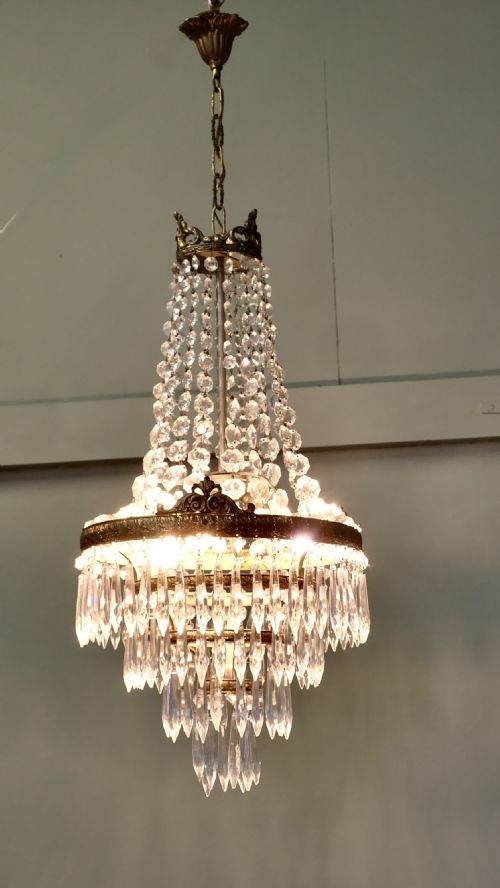
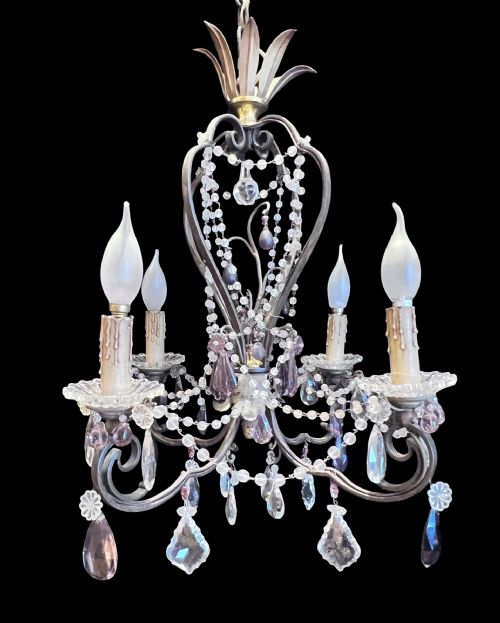
The selection ranges from compact hexagonal hall lanterns to large multi-light chandeliers hung with crystal lustres. French styles dominate the record, alongside Edwardian English pieces and Italian works.
Hanging lights from this era serve functional and decorative purposes, designed to centre a room or illuminate a corridor. The materials reflect the tastes of periods such as the Edwardian era and the 1920s.
Factors that distinguish quality
The quality of a traditional glass pendant light rests on the depth of the metal casting and the clarity of the glass. Finer examples feature heavy bronze or brass frames with crisply defined ornamentation rather than plain sheet metal.
The integration of cut crystal lustres and hand-blown glass panels elevates a piece, showing superior weight and light refraction. Metal gilding and silvering that remains rich and even across the frame indicates superior original manufacture.
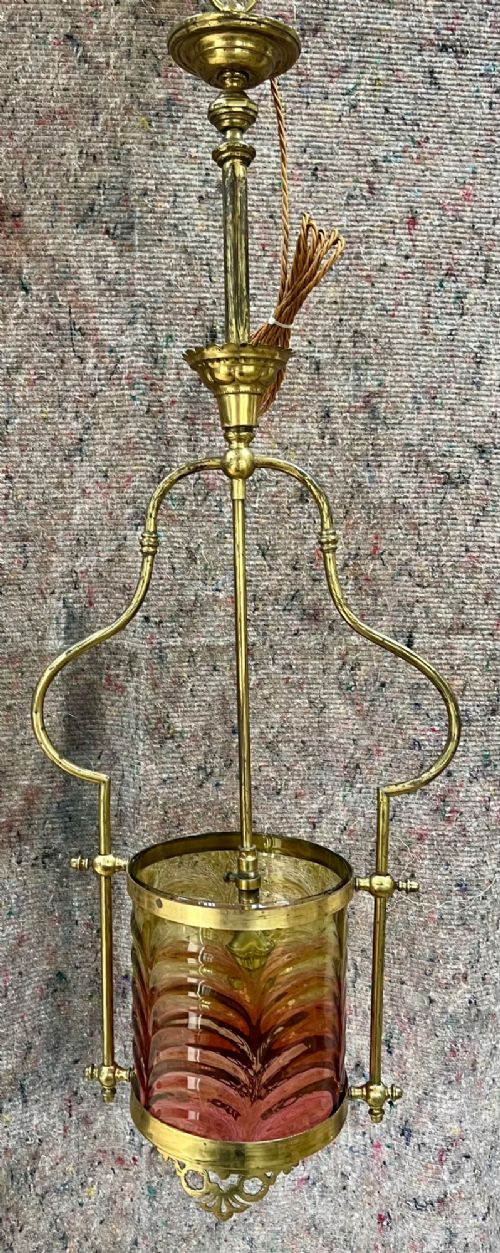
Several lanterns incorporate hand-blown bullseye glass, capturing original distortions that ripple the corridor light.
The Traditional Glass Pendant Light Glossary
- Plafonnier
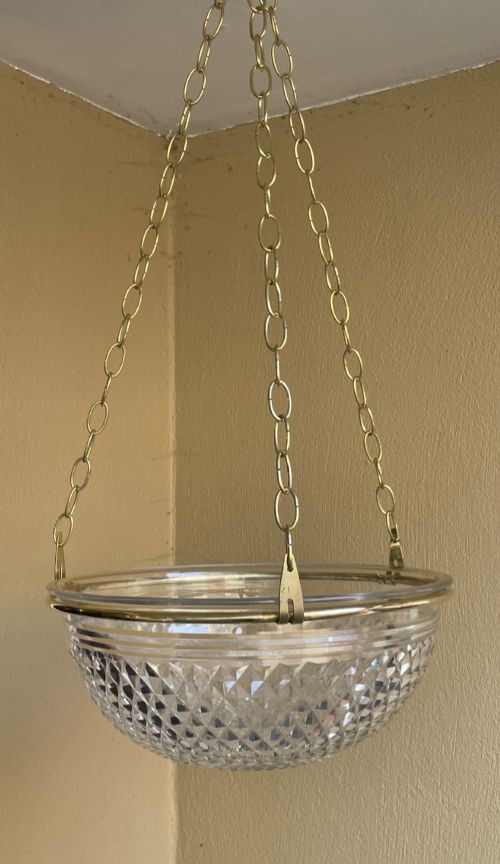
- A ceiling light that sits flush or close to the ceiling surface, often utilising moulded or cut glass. This form directs light downward into the room.
- Lustre
- A cut crystal pendant or drop suspended from a chandelier or light fixture. These elements enhance light dispersion through precise facets.
- Bullseye glass
- A round pane of glass featuring a central concentric swirl from the glassblowing process. It adds texture and opacity to lantern panels.
- Gilded brass
- Brass coated with a thin layer of gold leaf or powder. This treatment provides a bright, reflective finish to the metal frame.
- Tent and waterfall
- A chandelier configuration where upper crystal strings form a triangular tent above a cascading tier of drops. This style reflects French Empire designs.
Traditional Glass Pendant Light: Frequently Asked Questions
Where should I hang a hall lantern?
Hall lanterns suit entranceways, corridors, and high-ceilinged landings where hanging clearance allows safe passage underneath. Their enclosed glass design protects the internal light source from drafts in transitional spaces.
Position the fixture so the bottom sits well above head height while remaining central to the architectural proportions of the room.
How do I identify a 1920s chandelier?
Pieces from this decade often feature extensive use of gilt bronze or brass combined with clear and coloured crystal lustres. French workshops produced many multi-light variations during this period.
Stylistic cues draw heavily on earlier Louis revivals and Empire forms, adapted for electrical illumination.
What is moonstone glass?
Moonstone glass is an opalescent glass type that diffuses light with a soft, milky glow. It creates a gentle illumination without harsh glares from the internal bulbs.
This material appears in early twentieth-century English ceiling lights and pendants.
Are these lights ready for modern wiring?
Most antique hanging lights require professional rewiring to meet current electrical standards safely. Dealers often supply fixtures with existing conversions or original components that need updating.
Consult a qualified electrician to inspect the lamp holders and internal paths before installation.