
Victorian Glass Pendant Light
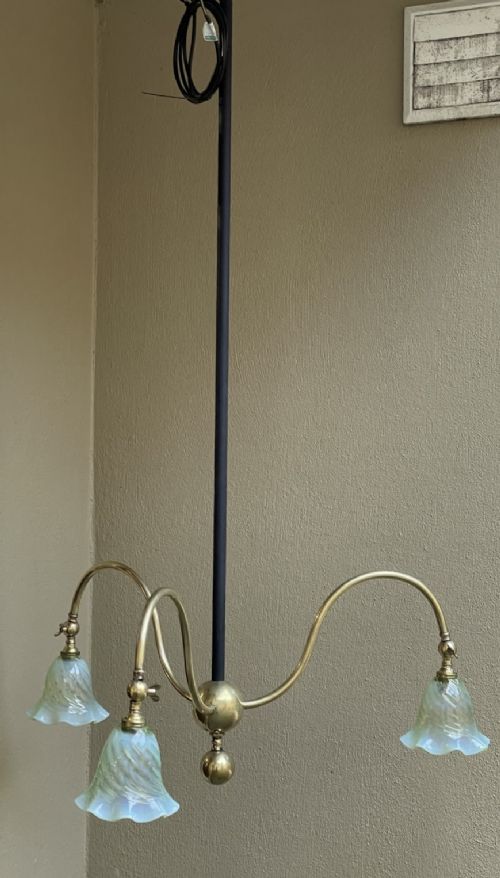
A victorian glass pendant light brings brilliant illumination and period charm to hallways, stairwells and rooms with high ceilings.
Victorian Glass Pendant Light
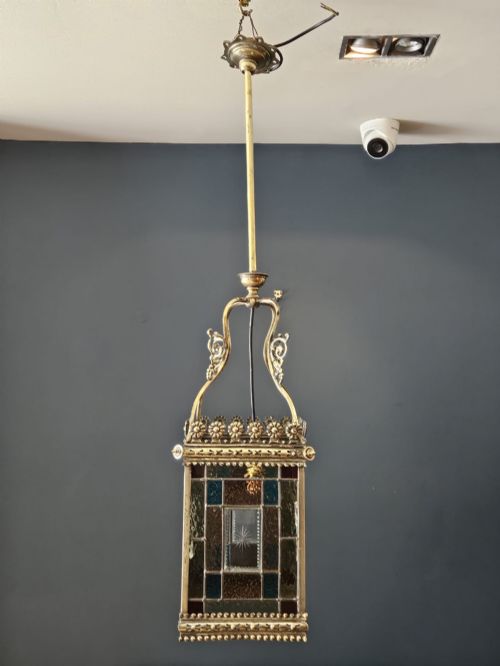
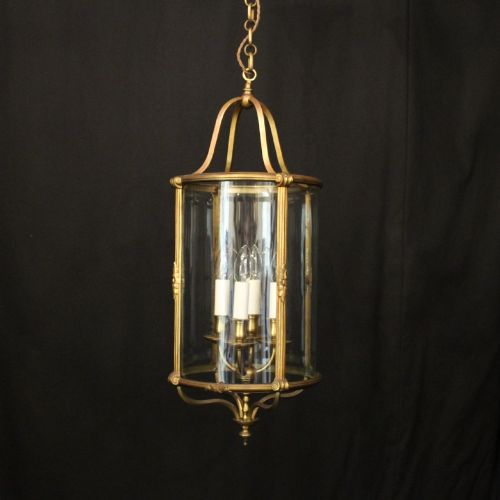
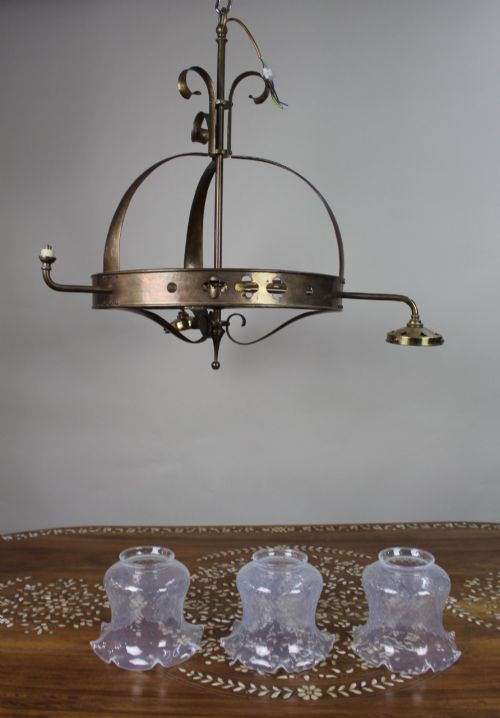
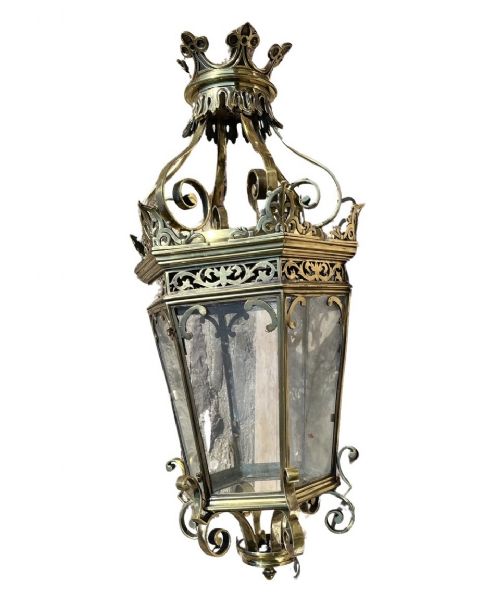
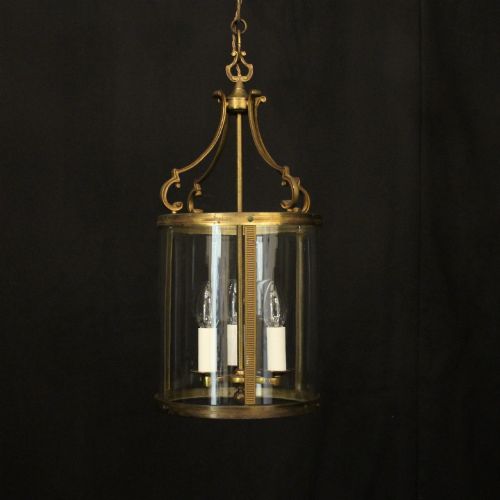
When you search for a victorian glass pendant light, you encounter hanging illumination fixtures designed for 19th-century and early 20th-century interiors. These pieces illuminate hallways, porches and main rooms through suspended glass shades or enclosed lanterns.
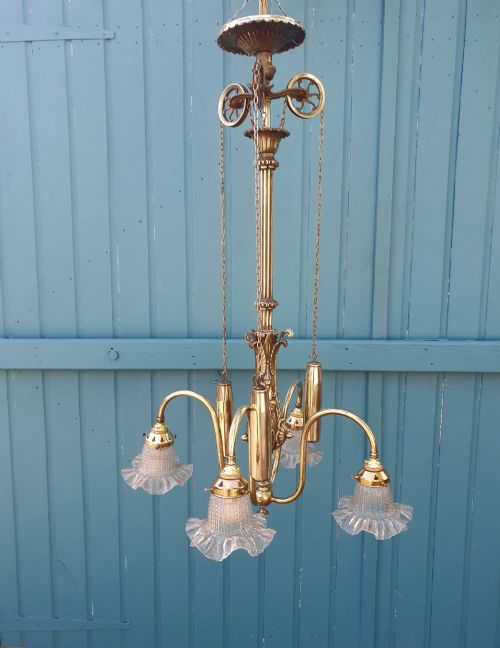
The selections here span periods from the 19th century through the Edwardian era up to the 1930s. Common forms include hall lanterns, ceiling lights, chandeliers and individual hanging shades.
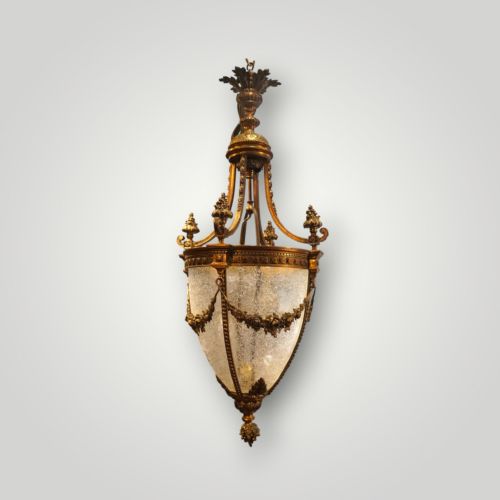
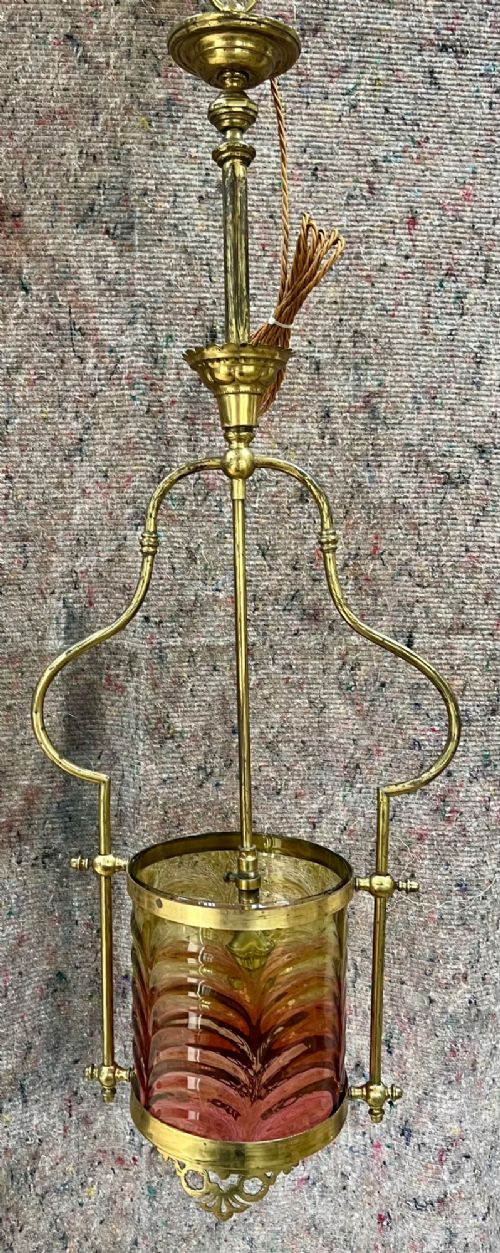
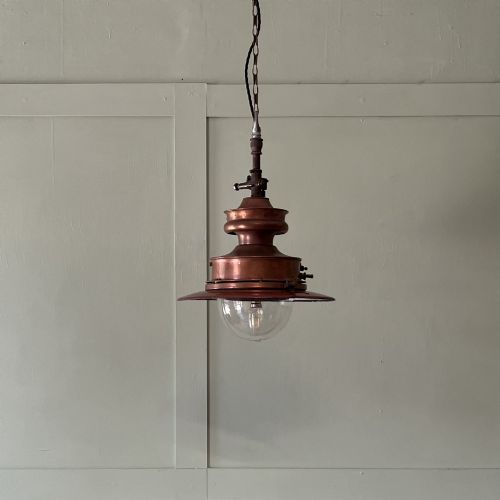
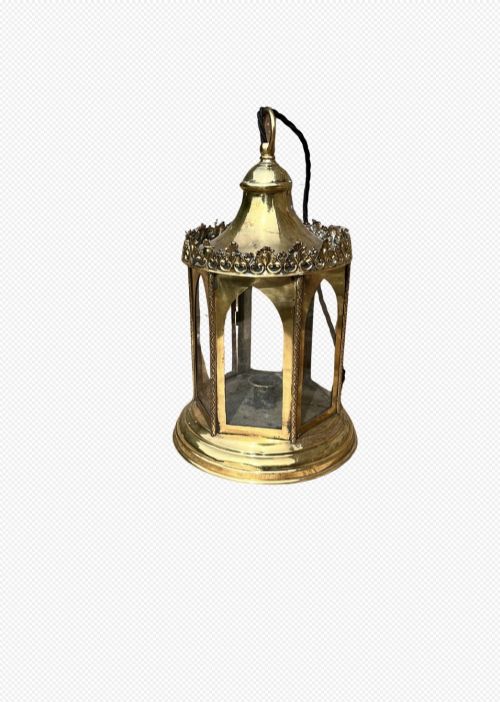
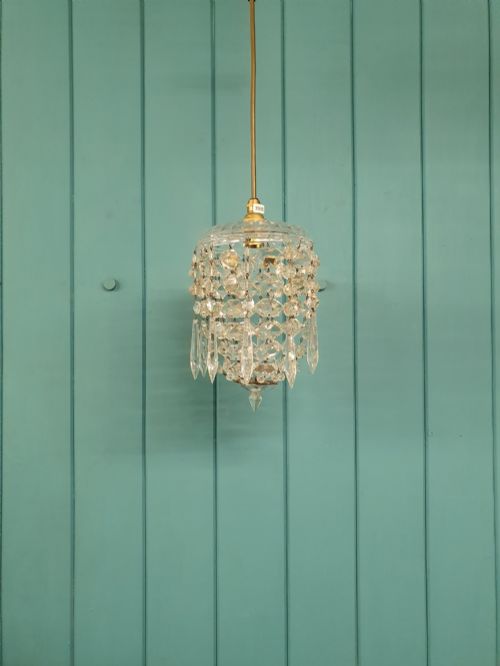
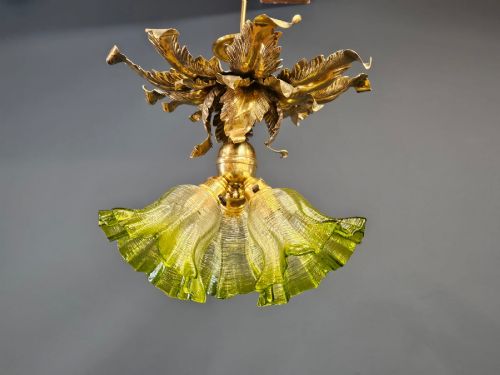
You will most frequently meet brass-framed fixtures holding cut, opaline, leaded or coloured glass. Examples range from simple railway hanging lanterns to elaborate gilded bronze and crystal creations.
Materials and construction
Makers built these frames primarily from brass, gilded bronze and copper, joining metal components with screws, solder and rivets. Heavy cast or spun brass provides the structural skeleton for holding glass panes and shades securely.
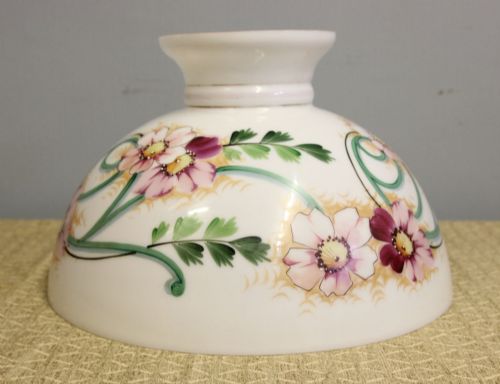
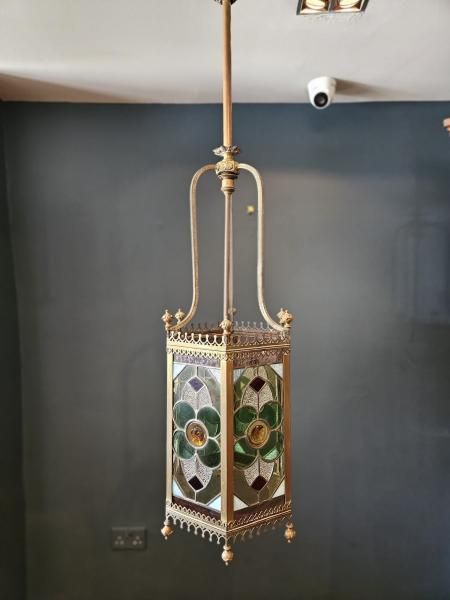
The glass elements involve diverse techniques such as hand-cutting crystal, blowing opaline and milk glass, or soldering leaded and stained glass panels together. Some shades feature etched patterns, pink crimping or textured holophane surfaces.
Lighting mechanisms evolved across the periods represented, moving from early candle and paraffin burners with Hinks components to gasoliers and later electrified fittings.
Listings feature brass, bronze and copper combined with cut, opaline, leaded, ruby and coloured glass across the Victorian, Edwardian and Arts & Crafts periods.
Distinctions in quality
The calibre of a fixture rests upon the weight and finish of its metalwork and the clarity of its glass. Heavier cast brass frames with crisp chasing or intricate leaf designs indicate superior output compared to lighter, plain metal assemblies.
Makers who incorporated hand-cut crystal, signed components or elaborate cast details like lion masks achieved a higher tier of production. The presence of original matching shades and specialised mechanics, such as functional rise and fall counterweights, elevates the standing of a piece.
Osler·Perry & Co·Pugin
The Victorian Glass Pendant Light Glossary
- Gasolier
- A branched ceiling light fixture designed for gas lighting before the widespread adoption of electricity. Many survive converted to electric bulbs.
- Opaline glass
- An opaque or translucent pale glass that diffuses light softly. It frequently appears in Victorian and Edwardian shades.
- Plafonnier
- A ceiling light fixture mounted flush or very close to the ceiling surface. These often feature a decorative glass bowl held in a metal frame.
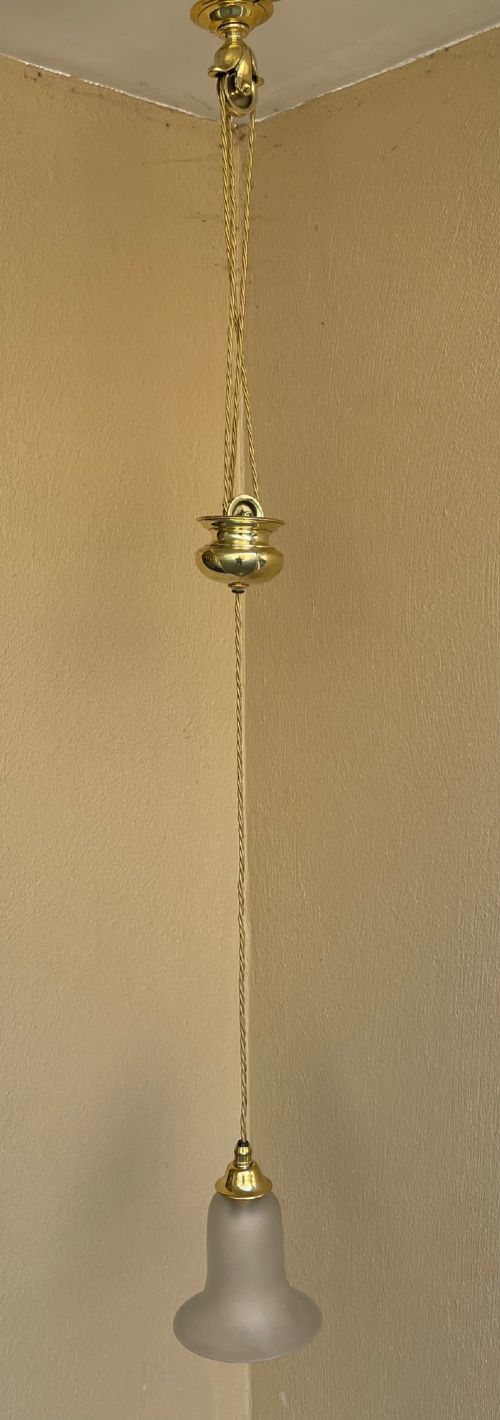
- Rise and fall
- A mechanical suspension system using pulleys and counterweights that allows the pendant height to be adjusted up and down. This mechanism suited rooms with variable lighting needs over tables.
- Holophane
- A type of prismatic glass designed to direct and diffuse light efficiently. It is recognised by its distinctive ribbed or fluted surface pattern.
Victorian Glass Pendant Light: Frequently Asked Questions
How do I hang a heavy brass lantern safely?
Heavy brass lanterns require secure anchorage directly into ceiling joists using appropriate hooks and brackets. A qualified electrician should assess the ceiling structure and wiring capacity before installation.
Because these fixtures often feature substantial metal frames and glass panels, supporting the weight independently of the electrical supply cable is essential.
Can these antique lights use modern LED bulbs?
Most converted pendant lights accept standard modern screw or bayonet LED bulbs provided the physical dimensions fit within the shade or lantern enclosure. Selecting low-heat LED alternatives protects fragile antique glass from thermal stress.
Consulting an electrician ensures the internal wiring and lampholders comply with current safety standards while accommodating modern bulbs.
How do I clean delicate antique glass shades?
Cleaning requires removing the glass components from the metal frame whenever possible to prevent accidental damage during washing. Use lukewarm water and mild soap with a soft cloth, avoiding harsh chemical cleaners that can strip aged finishes.
Dry the glass thoroughly before reassembling the fixture to protect any surrounding brass, bronze or leaded joins from moisture retention.
What is the difference between a hall lantern and a pendant light?
Hall lanterns typically feature enclosed glass panels held within a rigid metal box or cage designed for smaller spaces like corridors and entryways. Pendant lights generally suspend an open shade or bowl from a chain, cord or rigid rod.
Both serve to illuminate overhead but differ in their structural enclosure and intended architectural placement.