
Vintage Glass Desk Lamp
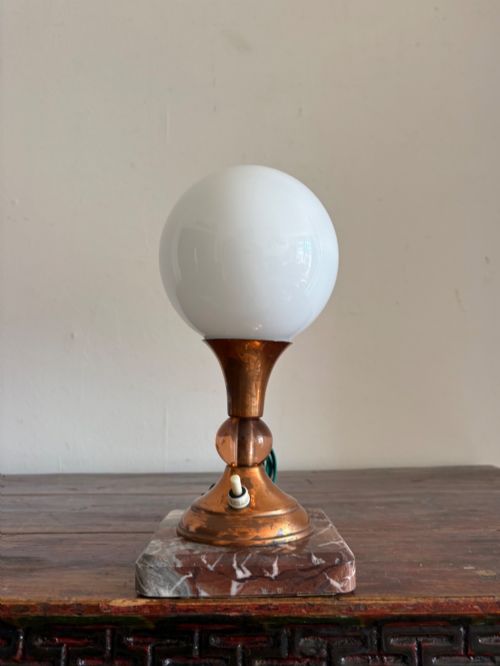
A vintage glass desk lamp brings tactile warmth and period character to a workspace through combination materials like brass, marble, and opaline glass.
Vintage Glass Desk Lamp
When searching for a vintage glass desk lamp, buyers encounter pieces primarily spanning the Victorian, Edwardian, and Art Deco periods, alongside early twentieth-century designs. These objects take the form of table lamps, reading lamps, and converted oil lamps utilising glass shades paired with metal bases.
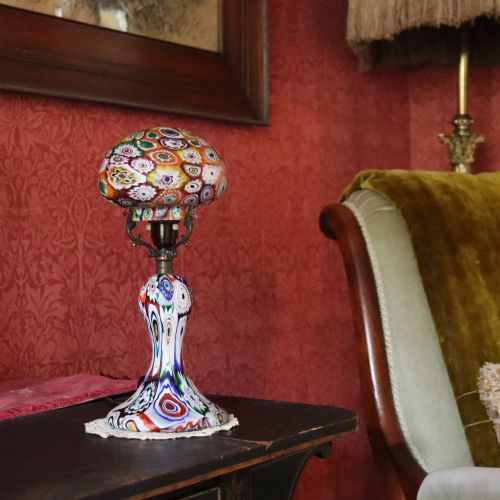
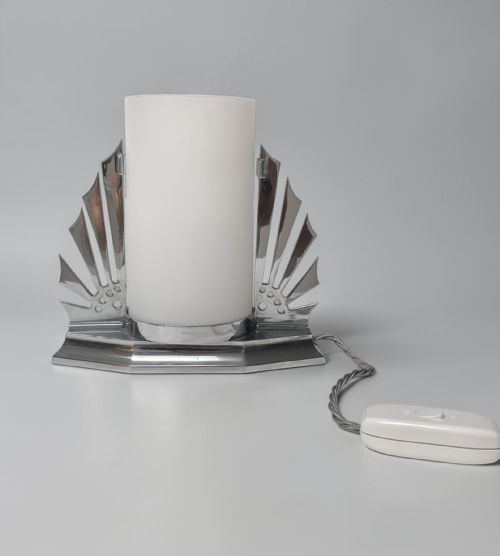
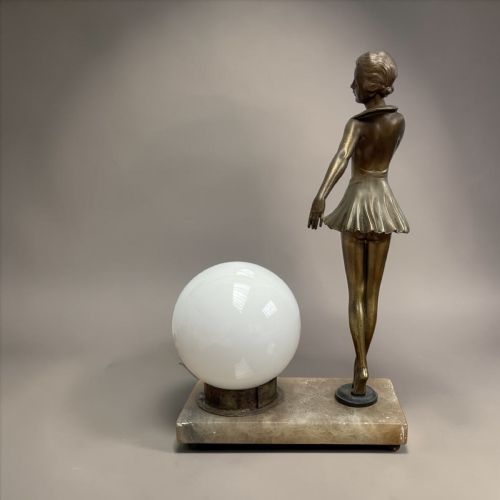
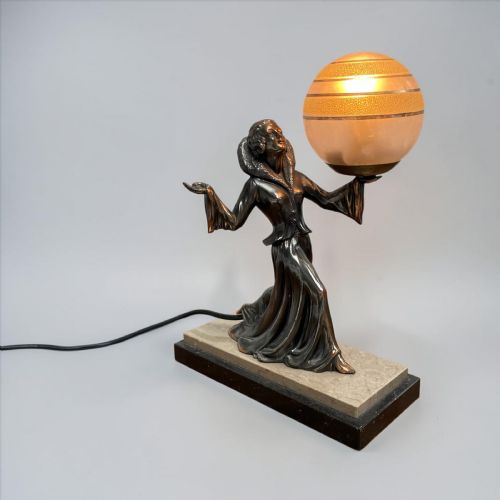
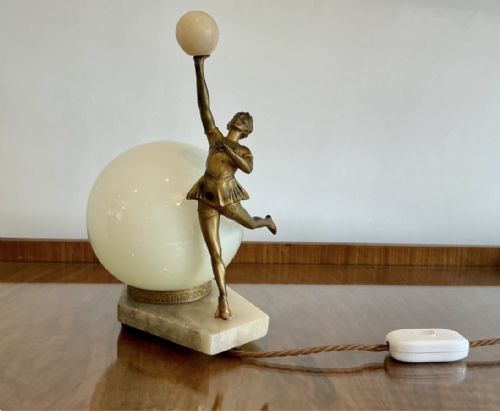
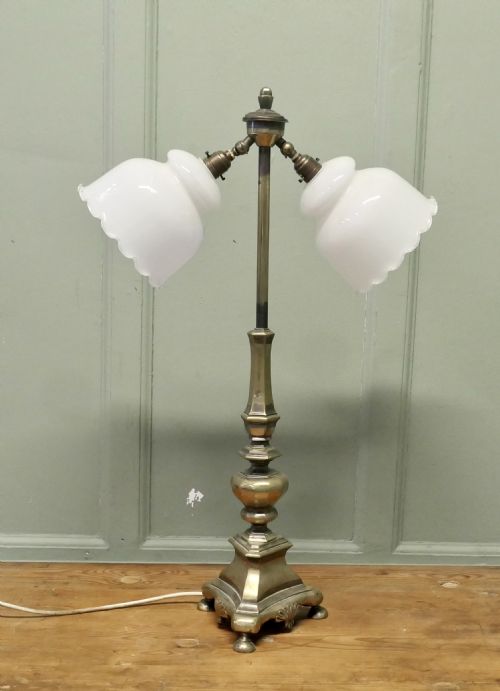
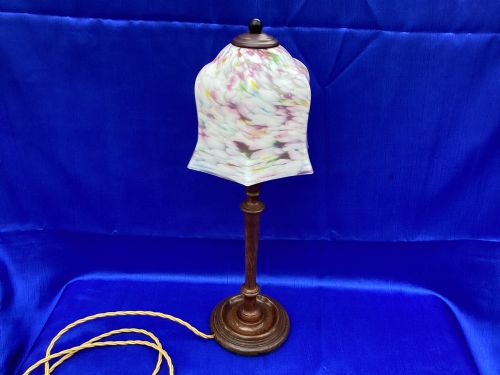
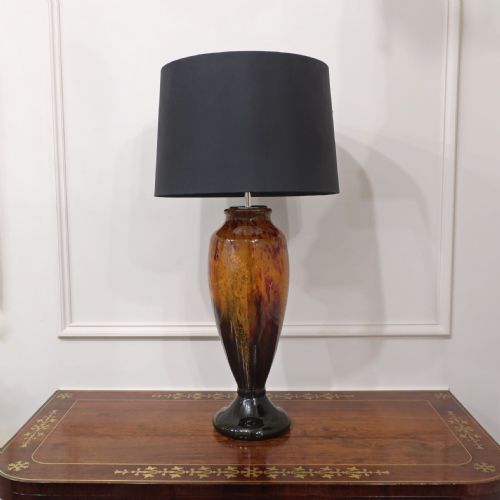
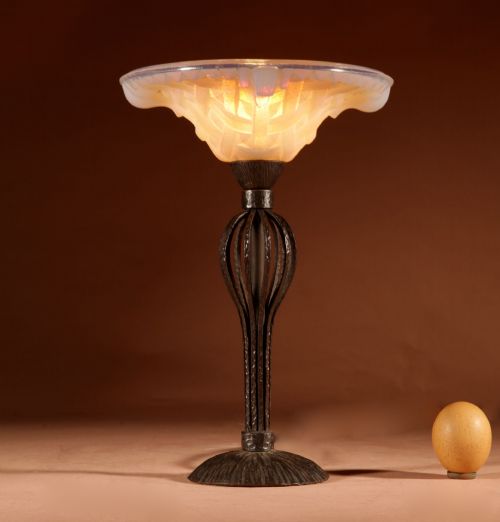
The most common examples on this page date from the nineteen-twenties and nineteen-thirties, manifesting distinct Art Deco styling with mottled, opaline, or cut crystal glass. Makers combined these glass elements with brass, copper, marble, and wrought iron to create functional desk and table lighting.
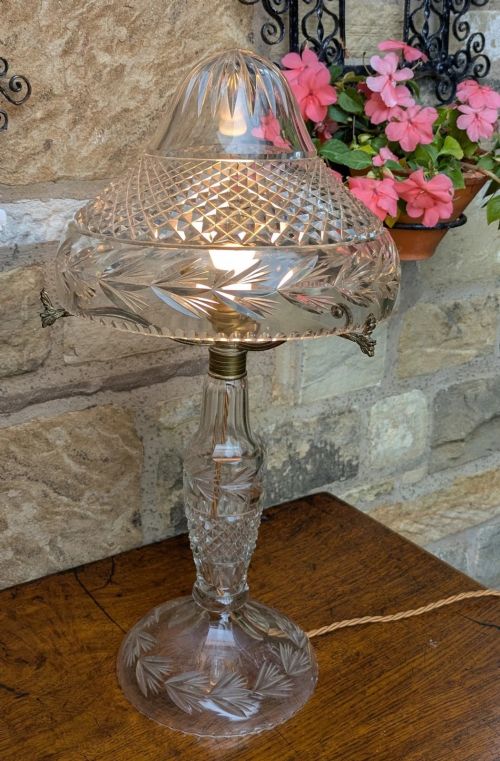
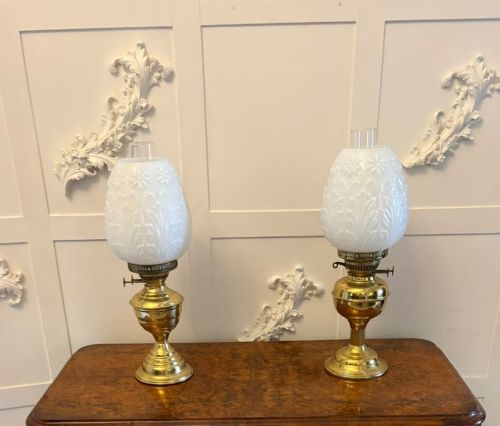
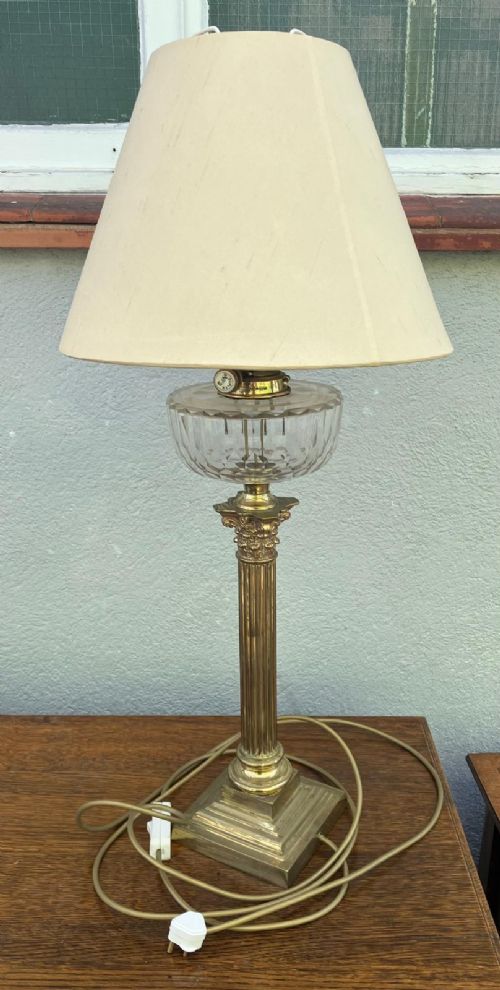
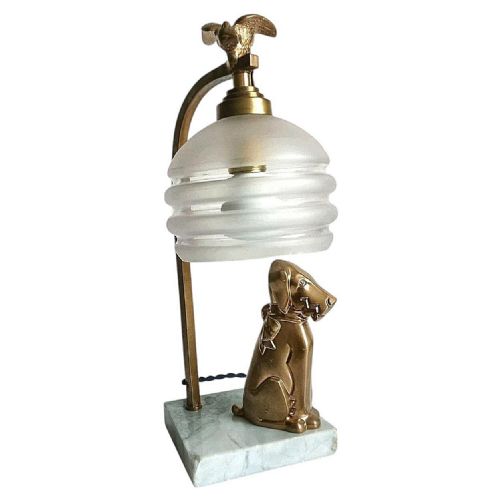
Earlier nineteenth-century examples often utilise heavy brass and cut crystal, reflecting Victorian and Edwardian manufacturing methods. Forms range from simple mushroom lamps to elaborate novelty figural designs featuring dogs and parrots.
Materials and construction
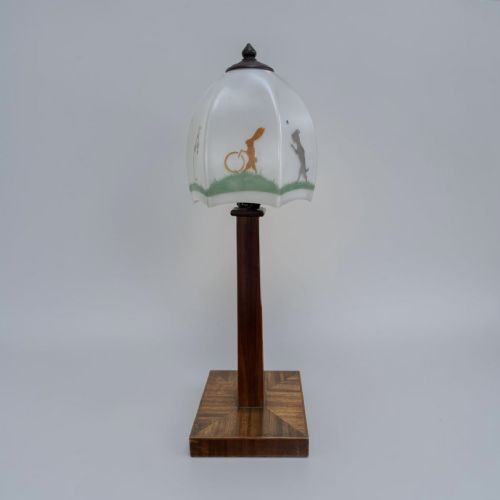
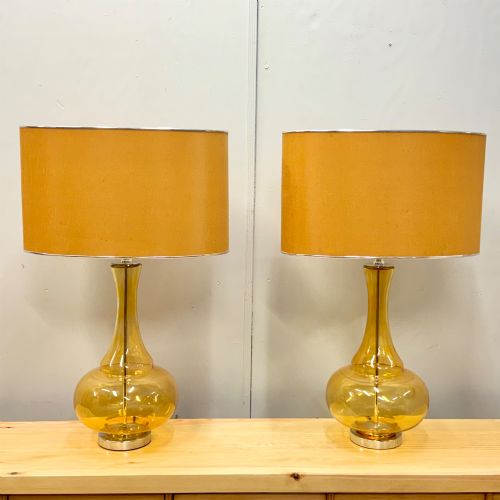
Makers constructed these lamps by joining blown, moulded, or cut glass shades to robust metal and stone foundations, predominantly using brass, copper, chrome, and marble. Many pieces incorporate opaline, frosted, or mottled glass to diffuse light effectively across a workspace.
Metal components were cast, spun, or wrought into structural mounts, columns, and bases, sometimes featuring patinated finishes or enamel details. Artisans also utilised wrought iron and bakelite in later Art Deco designs to achieve sleek, modern silhouettes.
Several Art Deco pieces incorporate sculptural novelty figures of dogs and parrots into their lighting designs.
Judging execution and finish
Quality in these pieces depends on the weight and clarity of the glass, whether opaline, cut crystal, or mottled, and the substantial nature of the supporting base. Superior examples display crisp casting in the brass or bronze mounts and deliberate integration between the glass shade and metal body.
Design ambition separates standard production from exceptional work, visible in sculptural novelty bases, hand-worked wrought iron, or signed glass elements. The heft of the marble base and the precision of cut crystal facets indicate higher-tier manufacture.
Fratelli Toso·Charles Schneider·Georges Leleu·Eileen Grey
The Vintage Glass Desk Lamp Glossary
- Opaline Glass
- A pale, translucent glass type often used for lamp shades to soften illumination. It appears frequently in Victorian and Edwardian oil lamp conversions.
- Cut Crystal
- Glass shaped through precision cutting to create light-refracting facets. This material gives antique table lamps a brilliant, reflective quality.
- Art Deco
- A design style dominant in the nineteen-twenties and thirties characterised by geometric lines and stylised motifs. Lamps from this period often pair wrought iron or chrome with mottled glass.
- Secessionist
- An artistic movement from the turn of the twentieth century that favoured clean lines and modern forms. Pieces from this era bridge historic revival styles and early modernism.
Vintage Glass Desk Lamp: Frequently Asked Questions
How do I date a glass desk lamp?
Dating relies on stylistic markers such as Victorian brass casting, Edwardian twist stems, or Art Deco geometric forms. Materials like bakelite, chrome, and opaline glass also help anchor a piece to a specific decade.
Examining the construction methods and any stamped maker marks or patents provides further chronological context for the lamp.
What is an opaline glass shade?
Opaline glass is a semi-translucent material designed to diffuse light evenly without harsh glare. It was a popular choice for nineteenth-century oil lamps and early electric desk lighting.
These shades appear in various soft tones and were frequently paired with brass or copper mounts.
Are these lamps suitable for modern desks?
Many vintage table and reading lamps function well on contemporary desks, providing focused task lighting and distinctive decorative presence. Their adjustable angles or compact footprints make them practical for daily use.
Buyers should check internal wiring and bulb requirements to ensure compatibility with current electrical standards.
How do Art Deco lamps differ from Victorian ones?
Victorian lamps typically feature heavy brass, Corinthian columns, and cut crystal with ornate detailing. They often originate from oil-burning antecedents.
Art Deco lamps embrace streamlined chrome, wrought iron, and mottled or opaline glass, reflecting a shift toward modern industrial aesthetics.