

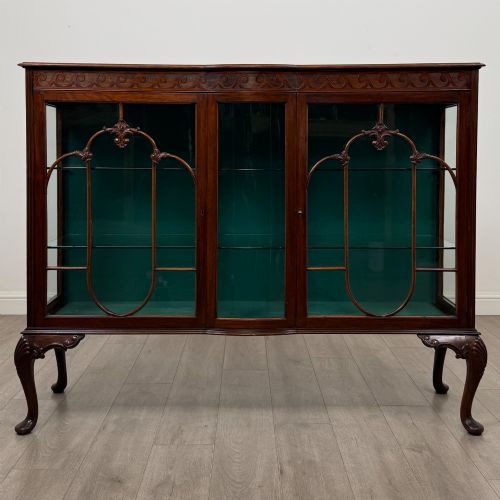
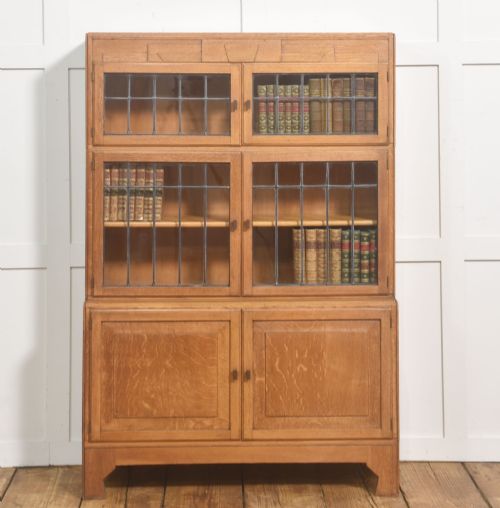
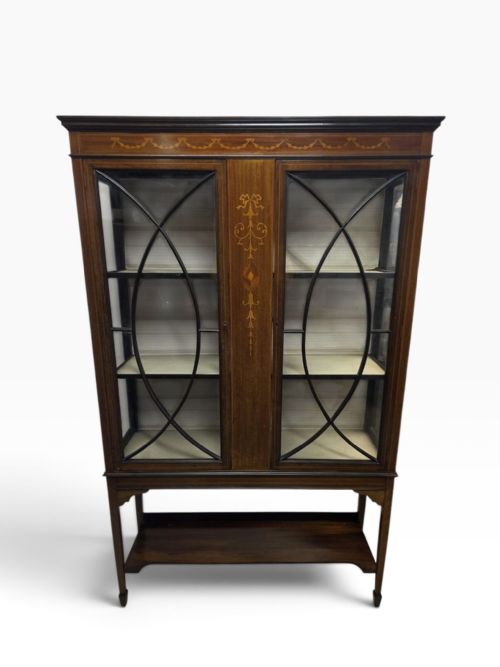
Vintage Glass Bookcase
A vintage glass bookcase brings visible order to a room, offering glazed protection for volumes and display pieces through Edwardian, Art Deco and earlier formats.
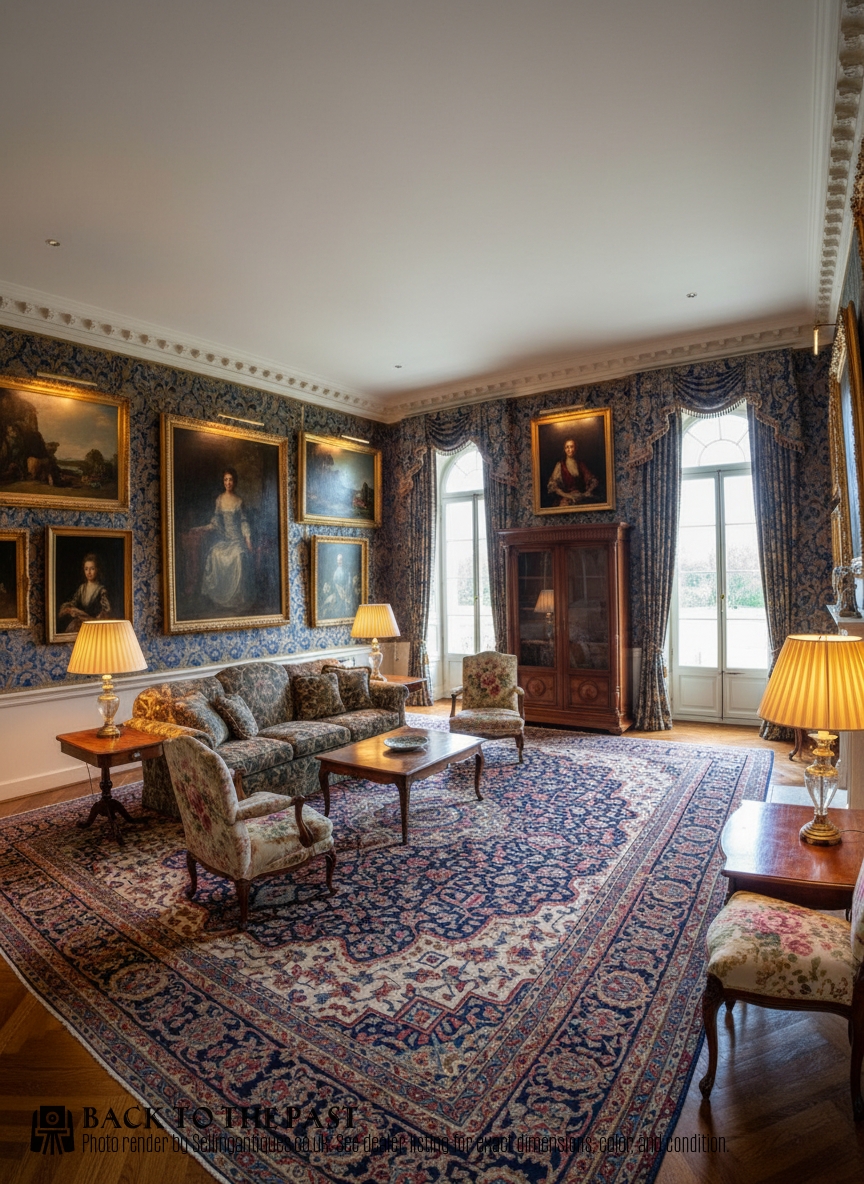
Vintage Glass Bookcase
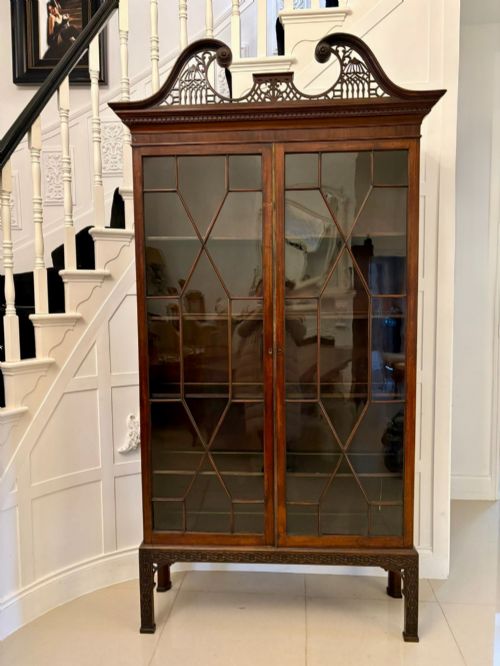
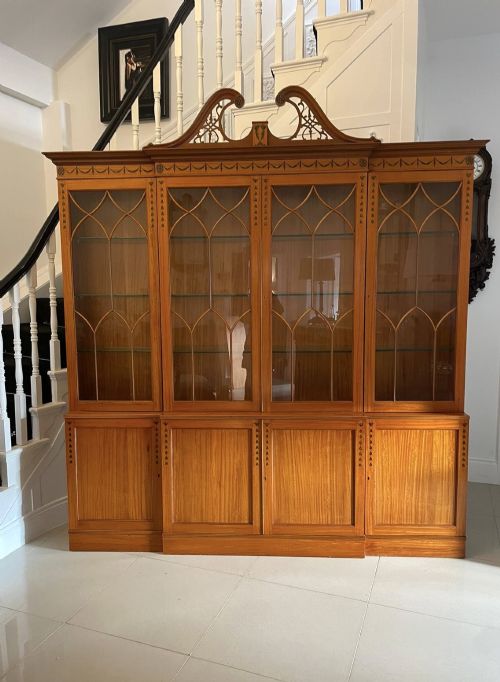
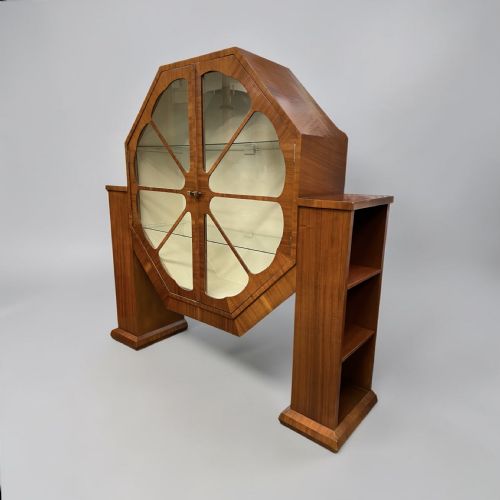
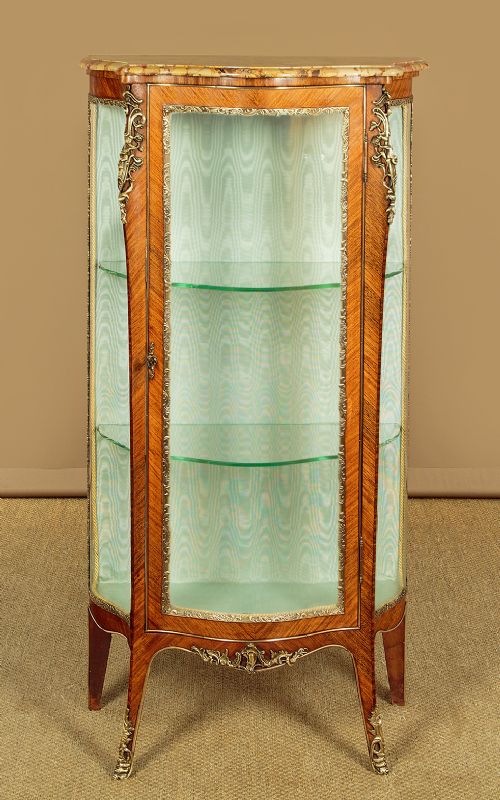
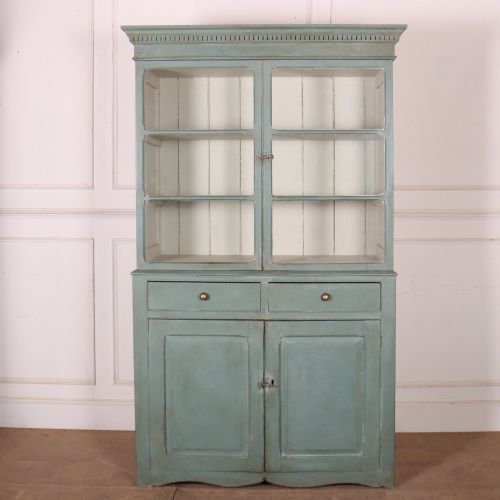
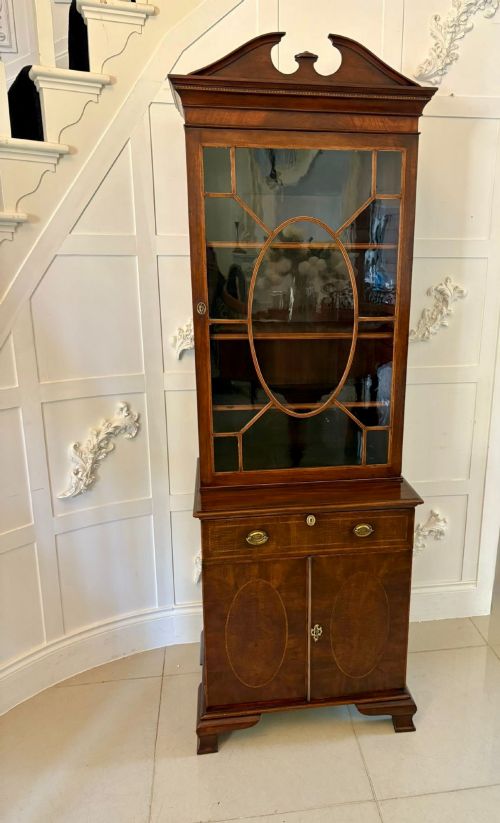
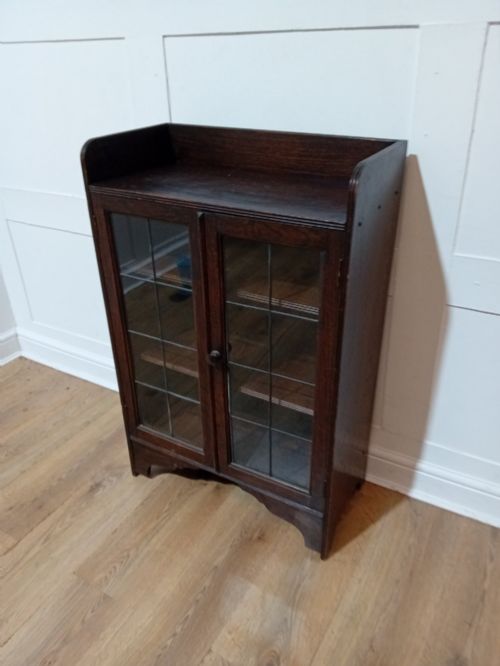
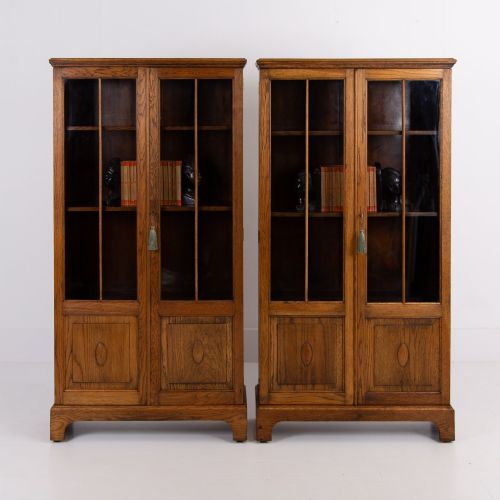
A vintage glass bookcase combines book storage with transparency, frequently appearing as a glazed display cabinet, bureau bookcase or stacking barrister's unit. These pieces emerge across periods spanning the Georgian era, Victorian times, the Edwardian years and the 1930s, reflecting shifts in domestic storage.
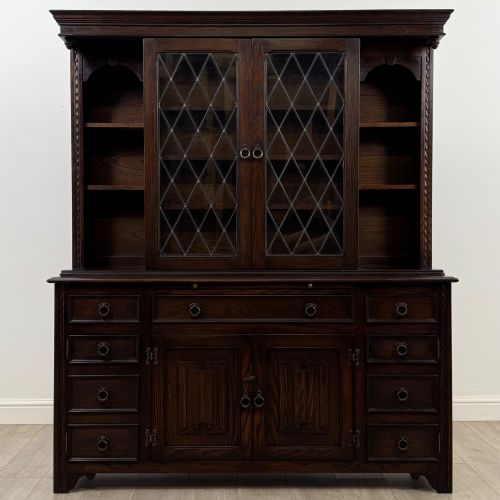
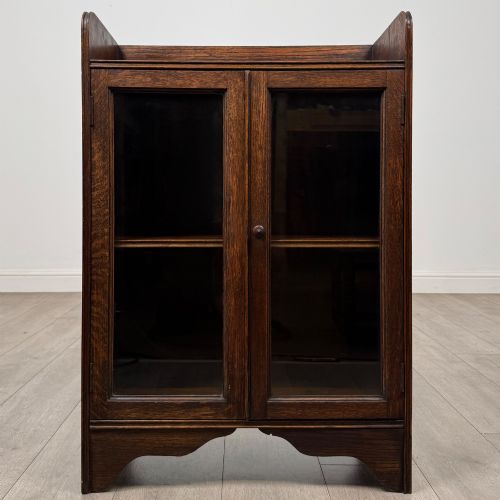
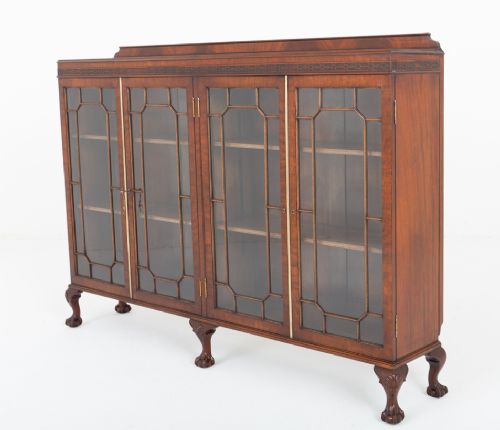
Oak and mahogany dominate the offerings, matched with glass panels that range from leaded sections to astral glazing and plain panes. Buyers encounter everything from compact dwarf oak cabinets to large breakfront display furniture.
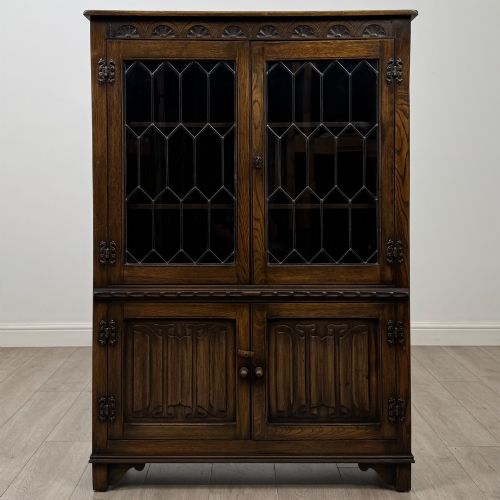
Revival styles such as Sheraton, Queen Anne, Tudor and Chippendale sit alongside Art Deco designs and Arts and Crafts simplicity. The most common form on this page remains the Edwardian oak or mahogany glazed display cabinet.
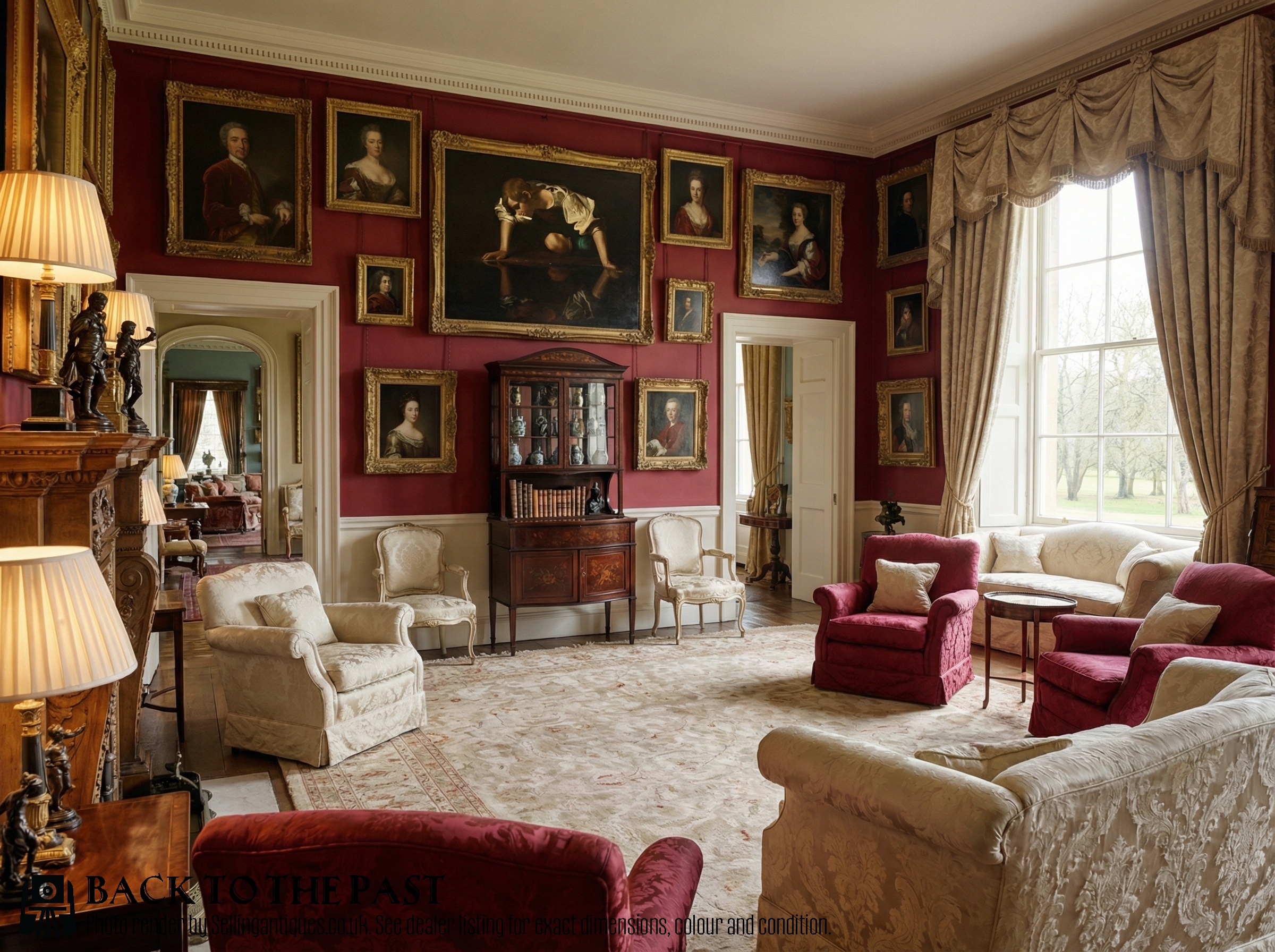
Materials and construction
Timber selection governs the physical presence of these cabinets, utilising solid and veneered oak, mahogany, walnut and satinwood. Brass hardware and lead came frequently secure or accent the glass elements.
Glazing techniques vary from traditional wooden glazing bars creating astral patterns to heavy leaded lights associated with early twentieth-century and Art Deco examples. Cabinet makers employed inlay, painted decoration and linenfold carving to enrich the timber surfaces.
Vintage Glass Bookcase Retail Price Guide 2026
Typical asking prices for vintage glass bookcase among the pieces listed under this phrase on Sellingantiques today, from the lower quarter to the upper quarter. They describe what is for sale here now, not the wider market.
Some barristers must have appreciated a tidy desk so much they invented stacking glass boxes to keep the dust off.
Judging quality in glazed cabinets
Quality rests on the integrity of the timber and the refinement of the joinery, distinguishing straightforward utility cupboards from piece-built cabinets with figured veneers and fine inlay. Original glass panels, sound mechanics in stacking units and intact brass fittings elevate a piece.
The execution of period revival details, such as carved mouldings or hand-painted decoration, indicates the workshop standard. Well-proportioned timber frames that hold heavy glass doors without sagging demonstrate superior cabinet-making.
Maple & Co.
The Vintage Glass Bookcase Glossary
- Astral glazing
- Glazing bars forming a light timber framework that holds multiple small panes of glass within a door. This technique dates back to earlier cabinet-making traditions before large single sheets of plate glass became standard.
- Breakfront
- A cabinet design where the central section projects forward from the flanking wings. This architectural arrangement creates depth and visual interest in larger display furniture.
- Vitrine
- A glass-sided display cabinet designed primarily for the exhibition of porcelain, curiosities and decorative objects rather than heavy libraries. They frequently feature glazed sides alongside glass doors.
- Barrister's bookcase
- A stacking bookcase featuring multiple horizontal tiers with glazed doors that lift and slide inward above the books. Also known as a Globe Wernicke style bookcase.
- Linenfold
- A style of wood carving that imitates folded linen, commonly found on oak panels of the early twentieth century. It provides texture and historical revival character to cabinet doors.
Vintage Glass Bookcase: Frequently Asked Questions
What is a barrister's bookcase?
A barrister's bookcase is a modular stacking cabinet featuring individual glazed sections with doors that lift and slide into the unit above each shelf. This design allowed legal professionals to transport their libraries in separate protected tiers.
Today, these stacking units offer flexible storage for modern rooms while retaining their mechanical operation and characteristic oak or mahogany frames.
How do I distinguish Edwardian bookcases from Victorian ones?
Victorian bookcases generally favour heavier proportions, deep tones of mahogany or walnut, and more formal architectural or carved ornamentation. Edwardian pieces often display lighter timbers such as satinwood or golden oak, alongside Sheraton revival inlay and brighter finishes.
Examining the interior construction, timber thickness and secondary woods helps confirm the transition from nineteenth-century manufacturing to twentieth-century cabinet work.
Are Art Deco glass bookcases difficult to maintain?
Art Deco glass bookcases require standard care suitable for vintage wood and glass, involving regular dusting with a dry cloth and occasional feeding of the timber with appropriate wax. The leaded or geometric glass panels need gentle cleaning to avoid loosening the lead came.
Placing these cabinets away from direct sunlight and excessive humidity preserves the finish and prevents the wood from warping.
What is a bureau bookcase?
A bureau bookcase combines a sloping fall-front writing desk with upper shelving enclosed by glass doors. This dual-purpose furniture item provided a compact workspace and a display area for books within a single footprint.
They appear in oak and mahogany, often featuring fitted internal pigeonholes and drawers beneath the upper glazed compartment.