

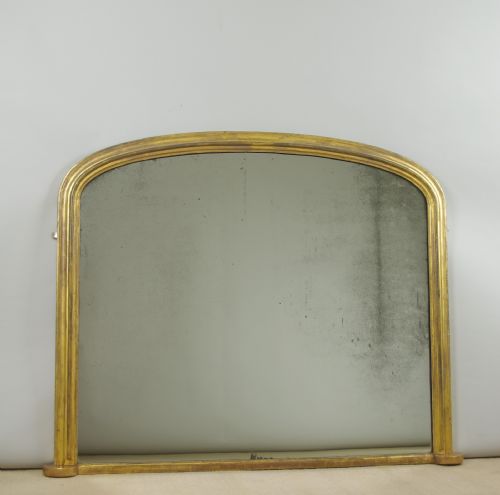


Vintage Gilt Mantle Mirror
A vintage gilt mantle mirror brings scale, light and architectural weight to a room, drawing the eye with gilded frames and historic proportions.
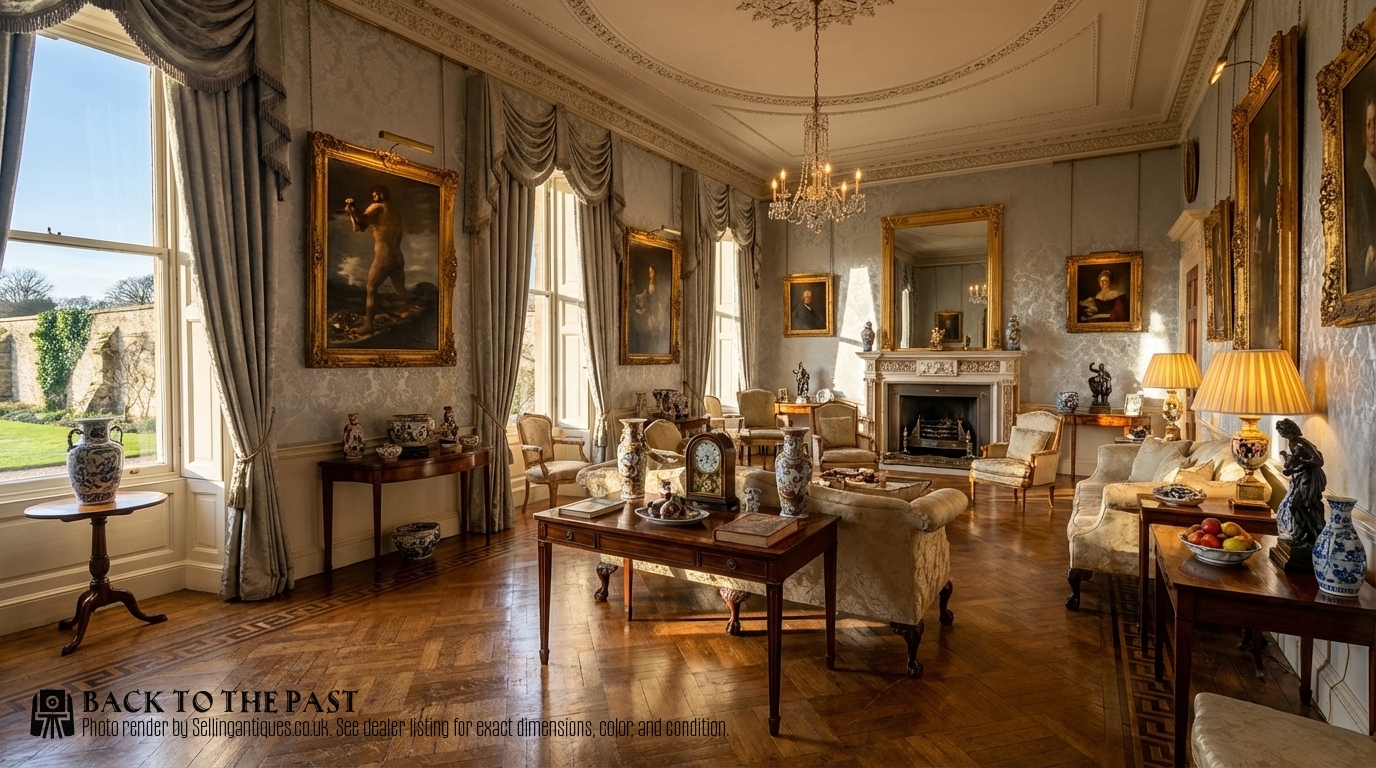
Vintage Gilt Mantle Mirror
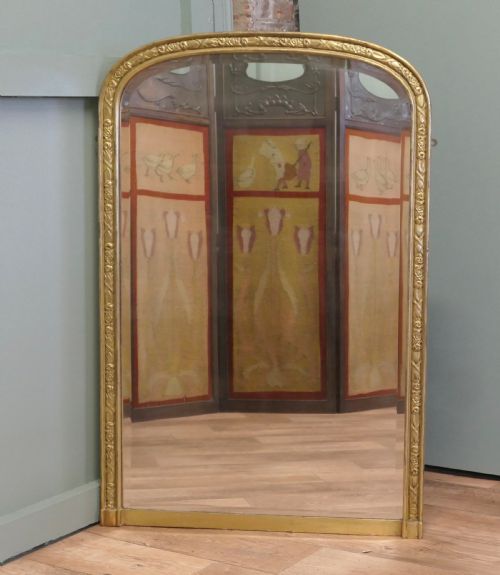
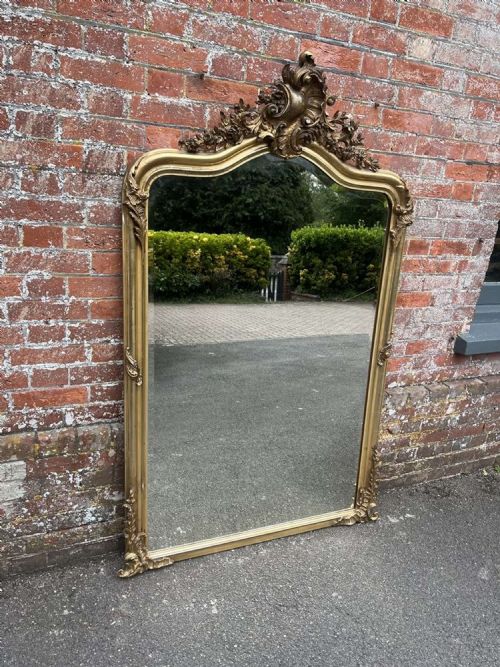
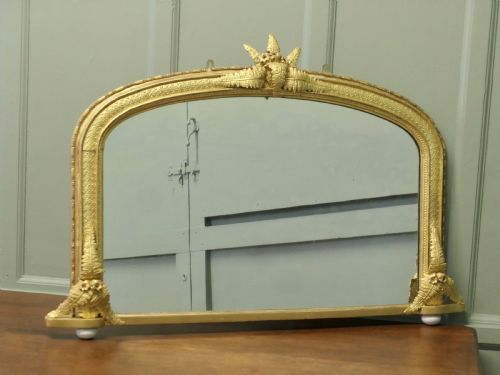
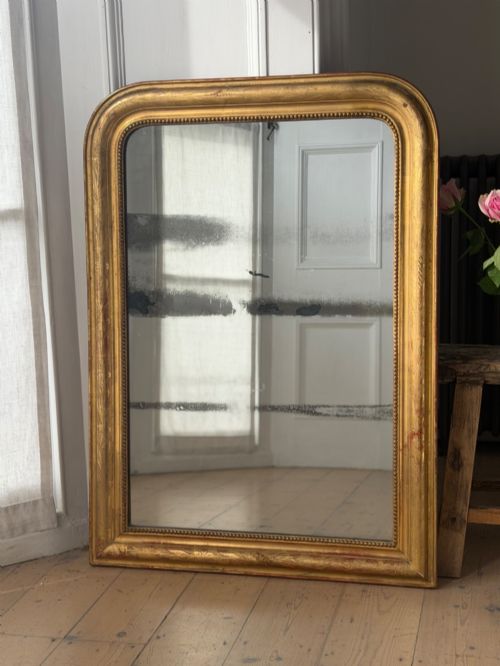
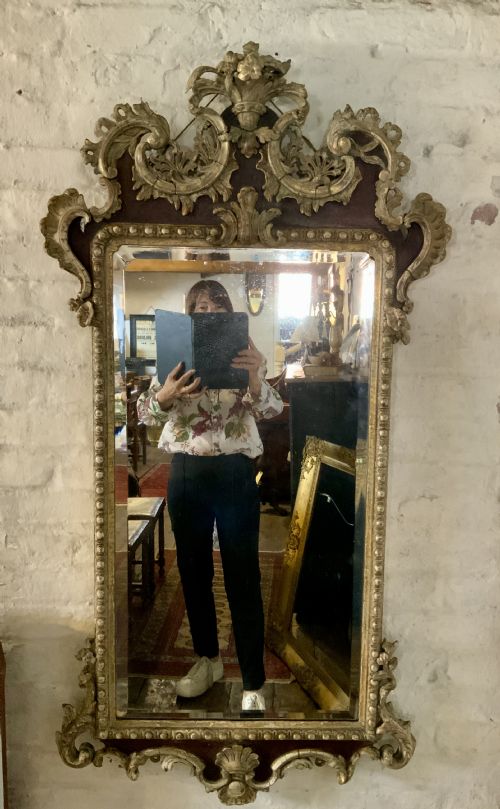
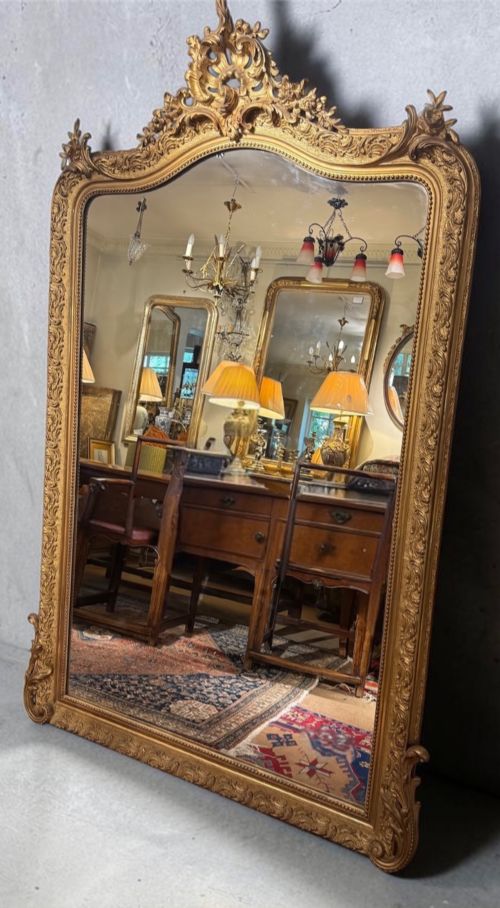
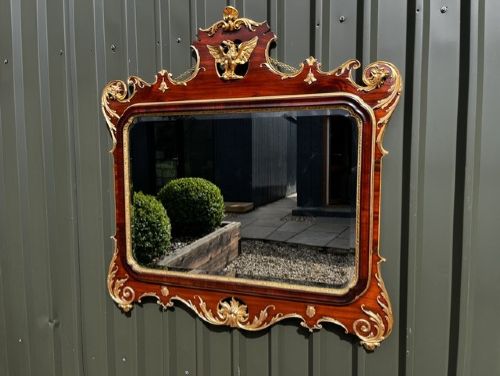
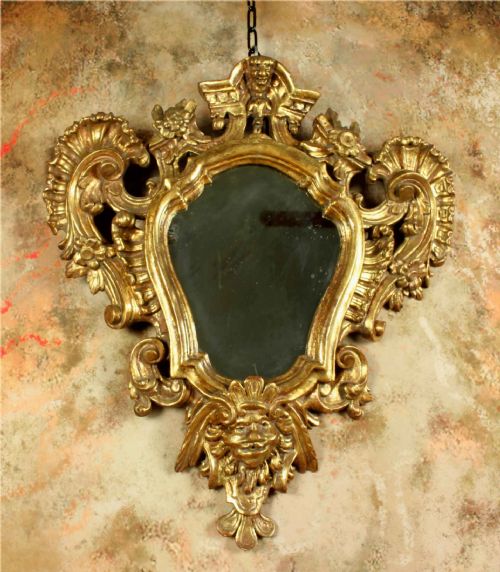
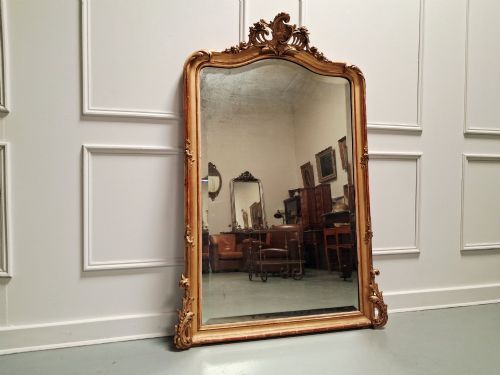
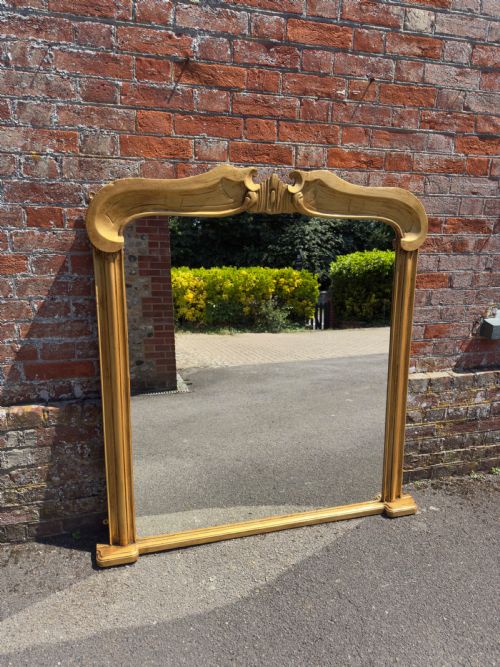
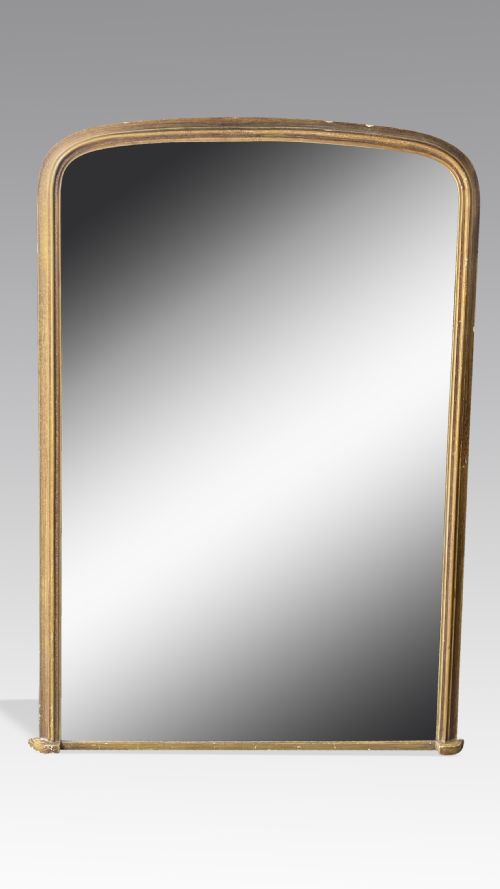
When searching for a vintage gilt mantle mirror, you encounter substantial looking-glasses designed to sit above a fireplace or function as grand wall pieces. The selection on this page relies heavily on nineteenth-century examples, including French Louis Philippe and English overmantel designs.
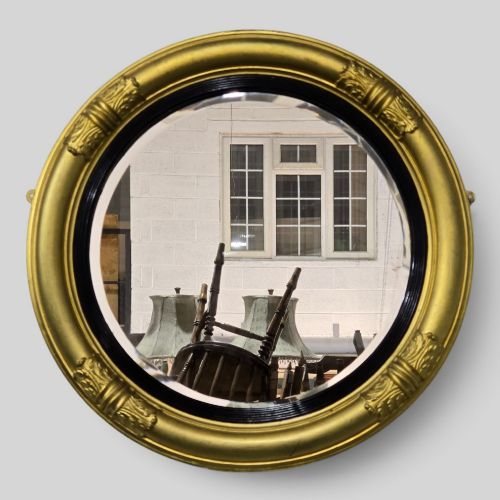
The forms range from tall architectural shapes with arched tops to ornate Rococo Revival frames and clean-lined rectangular formats. Many pieces show the heavy proportions needed to anchor a chimney breast, while others take oval or quatrefoil shapes for varied wall placement.
Origins stretch from English workshops to French provincial centres, spanning periods from the eighteenth century through the Victorian era and into the early twentieth century. These mirrors served practical functions for reflecting candlelight and daylight while demonstrating the social standing of the household.
How they were made
Carved wood and moulded gesso form the structural base for most frames, providing the crisp relief needed for elaborate scrollwork and floral motifs. Artisans applied thin layers of gold leaf or composition metal over preparation layers to achieve the characteristic metallic sheen.
Mirror plates were frequently hand-silvered or made using mercury processes, resulting in natural ageing such as foxing and dark spots within the glass. Frames also incorporate walnut, mahogany, oak and ebonised timber beneath the gilding, depending on the regional style and period.
Some nineteenth-century mirrors still hide faint chalk inscriptions left behind by French workshop framers inside the wooden casing.
What varies in quality
The depth and clarity of the hand-carving separate standard production pieces from finer masterworks, where acanthus leaves, crests and scrollwork exhibit distinct undercuts and sharp definition. Frames built from solid carved wood hold their structural integrity better over time than those relying heavily on thick layers of composition material over soft pine.
The preservation of the original mercury glass plate or early silvering alters the character and authenticity of the piece. Crispness in the application of gold leaf and the subtlety of the underlying gesso preparation layers distinguish higher workshops from simpler commercial outputs.
The Vintage Gilt Mantle Mirror Glossary
- Gesso
- A plaster-like mixture applied to wood frames to create a smooth surface for gilding. This material allowed makers to carve and stamp intricate decorative details before applying gold leaf.
- Overmantel
- A large mirror specifically proportioned to hang on the wall directly above a fireplace mantle. These pieces often feature wide horizontal or arched formats designed to balance the hearth below.
- Foxing
- Small dark spots and cloudy patches that develop in the silver backing of older mirror glass over decades. This natural oxidation process is valued by collectors as proof of age.
- Louis Philippe
- A mid-nineteenth-century French style characterised by restrained classical proportions, gentle curved upper corners and minimal ornamentation. These frames offer a cleaner alternative to heavily carved Rococo revivals.
- Giltwood
- Timber that has been coated with a thin layer of gold leaf or gold paint. It provides the reflective warmth central to antique decorative mirrors.
Vintage Gilt Mantle Mirror: Frequently Asked Questions
How do I hang a heavy overmantel mirror safely?
These frames carry substantial weight from wood, gesso and thick glass plates, requiring secure attachment directly into wall studs or masonry. Professional mirror fixings and heavy-duty wall brackets distribute the load safely.
Position the mirror so its lower edge rests slightly above the mantle shelf or anchor it with discreet support brackets beneath the frame base.
What is the difference between an overmantel and a wall mirror?
Overmantel mirrors are proportioned specifically to sit horizontally or vertically above a fireplace opening, often matching the width of the hearth. Wall mirrors are designed for general room placement on flat wall expanses.
While both share gilt frames and historic periods, overmantels tend to be larger and heavier to balance the architectural weight of a chimney breast.
How can I tell a nineteenth-century mirror from a later reproduction?
Examine the construction of the wooden backboards, frame joints and the characteristics of the glass plate. Older pieces frequently display hand-planed timbers, hand-cut screws or nails, and natural glass imperfections like minor distortion or foxing.
Later copies often use modern sheet glass, uniform machine-sawn backing boards and synthetic resin for decorative mouldings rather than traditional gesso.